23 Fall Hair Color Ideas for Your Dreamy New Look
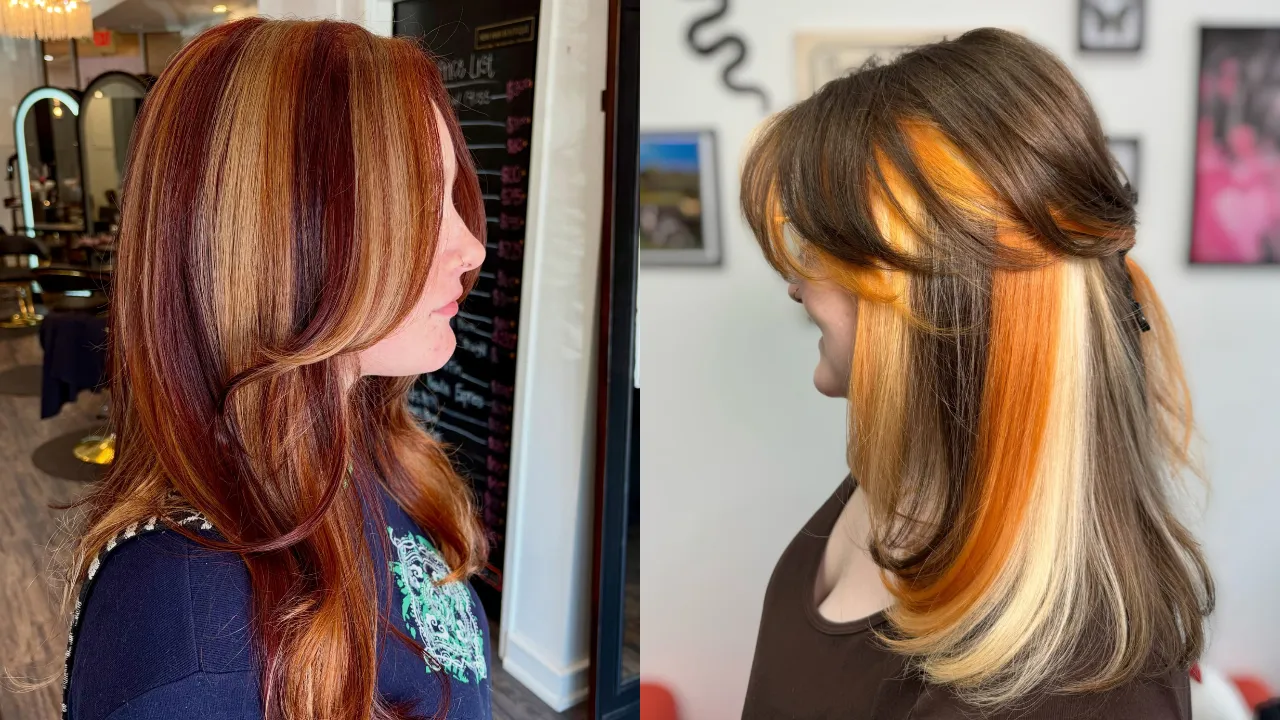
Ready to make your hair feel brand new this fall? Fall hair color ideas can turn a simple hair change into a whole new mood.
From rich auburn and deep burgundy to warm copper, caramel, plum, and playful color mixes, this list has something for every kind of fall look. Some shades give dark hair a subtle glow, while others create a bold change that you will notice right away.
Choosing a new color can feel tricky, especially when a shade looks different in salon lighting, sunlight, or everyday indoor light. These 23 ideas show how different tones can change the way your hair looks and feels. You will also find practical tips for choosing a shade based on your natural hair, upkeep, and the kind of change you want. Save your favorites now so you have clear inspiration ready for your next salon visit.
1. Auburn Caramel Brown
Source: myhairgarage
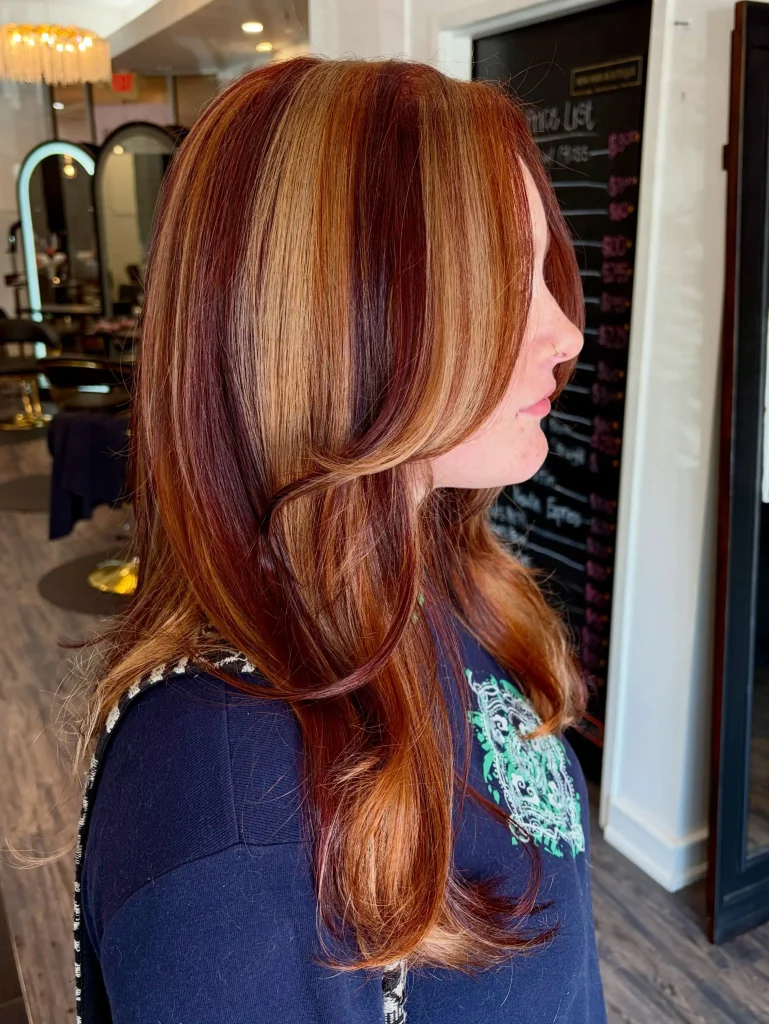
Flat brown can make a fall look feel dull fast. This shade fixes that without going too bright. Deep auburn sits under warm caramel pieces, and the lighter color catches the light as you move. It feels warm and fresh without losing that deeper autumn mood.
Sunlight brings out the caramel first, while the auburn keeps everything grounded underneath. That contrast gives long hair more depth, even if you wear it straight most days. Loose waves make the two shades move together, so the color looks different from one section to the next.
For round faces, darker auburn around the sides can create a longer-looking effect, while caramel through the center pulls attention inward. Keep the lighter pieces warm instead of pale blonde. That keeps the whole color soft and makes the change feel natural rather than overly bright.
2. Black Cherry Burgundy
Source: corazonsagrado_
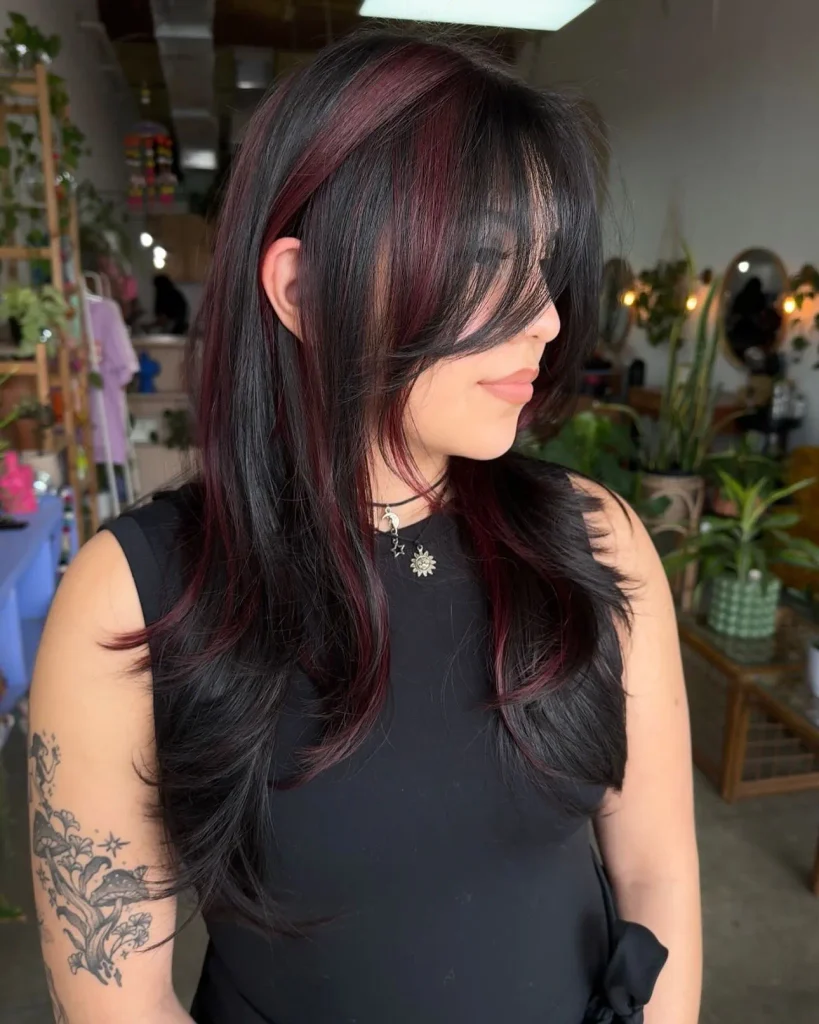
Hold this shade under warm light and the burgundy starts to glow through the dark base. Move into sunlight and those red tones become even clearer, almost like dark cherry syrup catching the light. That change is what makes this color so fun instead of looking flat.
Among fall hair color ideas, this one brings a darker mood without going fully black. Deep burgundy gives the lengths a red flash, while the near-black base keeps everything grounded. Long layers show the color nicely because every section catches a little different amount of light.
Tell your stylist you want a near-black base with deep burgundy-red tones spread through the lengths. Keep the red muted instead of bright purple, and use thin sections rather than thick blocks. That placement gives the color a smoother blend and makes the grow-out less obvious.
Cooler washes help slow the red from fading too quickly. Keep hot tools away from the hair when you can, especially during the first few weeks. Burgundy can lose its cherry glow faster than dark brown, so gentle washing helps the deeper red stay visible longer.
Read More : 23 Cute Fall Hairstyles for a Soft Autumn Look
3. Copper Crimson Red
Source: hairbyduhsavannah
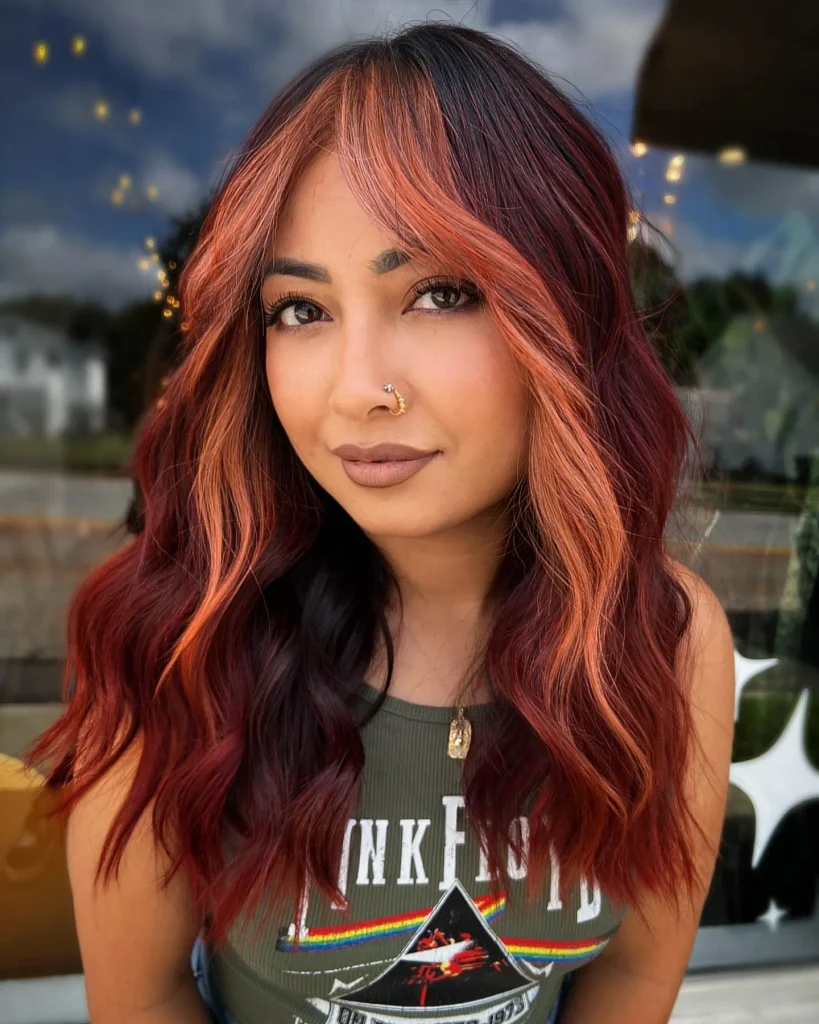
Plain red would feel too simple here. Copper and crimson push against each other, creating a fiery mix that changes as the hair moves. The copper brings light, while the deeper red keeps it from turning bright orange. It has energy without looking like a neon shade.
Copper shows more around the front and upper layers, while crimson gives the lower sections extra depth. Medium to thick hair can show both colors clearly because there is enough space for each tone to stand out. Loose waves make the contrast even easier to notice.
For medium to thick hair, the different red tones can create more visual depth without adding lighter pieces everywhere. Keep the copper slightly softer around the face and let the deeper crimson stay stronger underneath. That balance keeps the color bold while giving the hair a fuller-looking finish.
4. Autumn Rainbow Tones
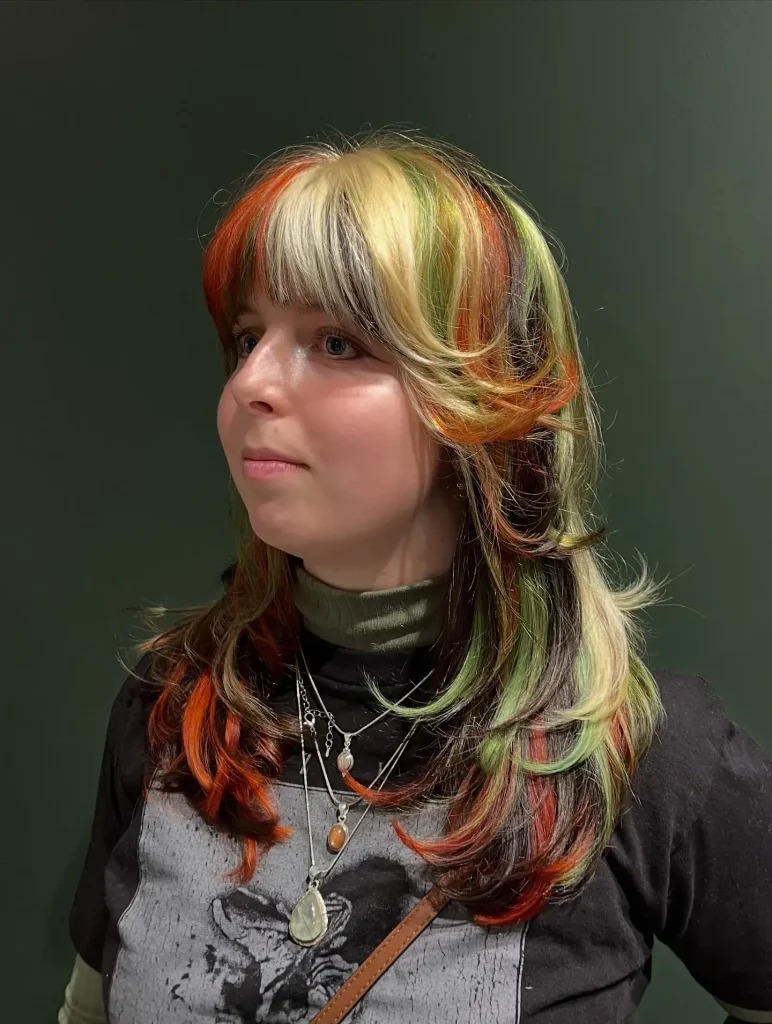
Source: hair_artistry_by_meika
Fall hair does not have to mean brown, copper, or red. This color breaks that rule completely. Purple, green, orange, and warm blonde sit over a dark base, creating a mix that feels playful without looking messy. It is the kind of color people notice twice.
Green and purple show strongest against the darker base, while orange and blonde soften the brighter shades. Long hair gives each color more room to show as you move. One section may look green in the light, while another suddenly pulls purple or warm orange.
Tell your stylist to keep the dark base strong and place the brighter shades in thin sections. Keep purple and green beside the warmer colors instead of blending everything together. Clear sections matter here because too much mixing can turn several beautiful shades into one muddy color.
5. Cinnamon Copper Brown
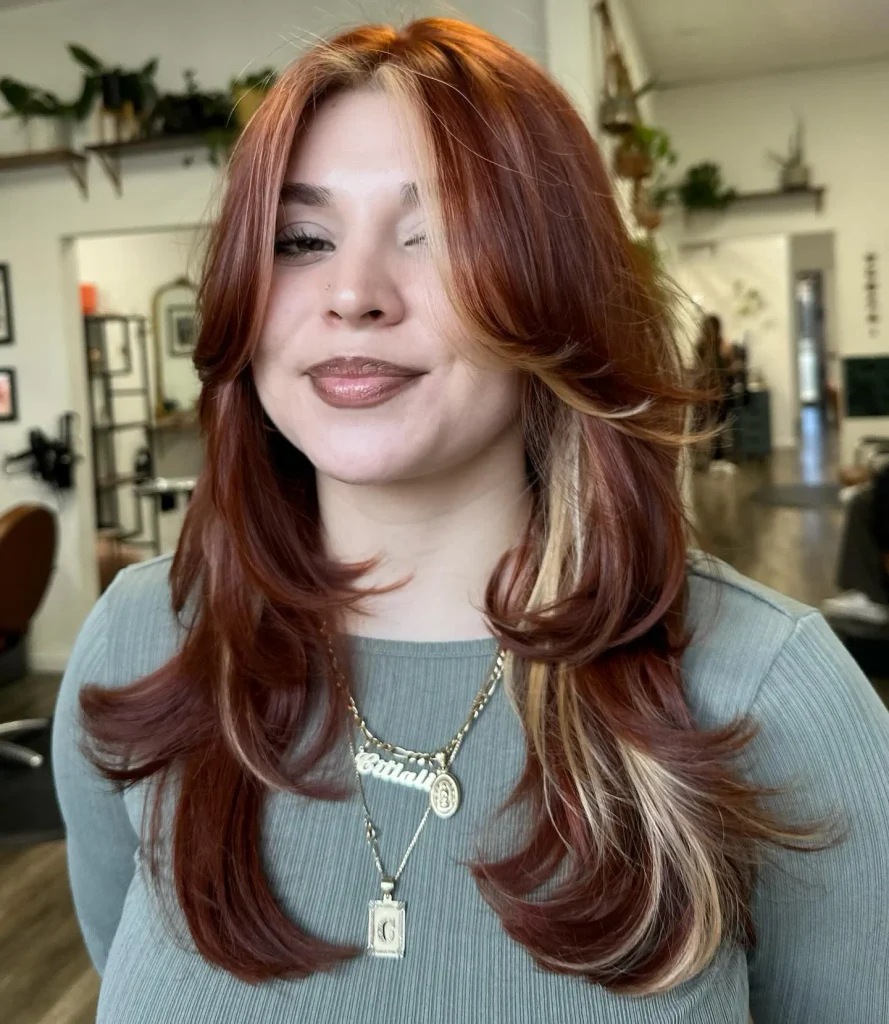
Source: angieedoesmyhair
Brown hair does not have to look plain once fall arrives. Cinnamon copper adds just enough warmth to change the whole mood, with a soft brown base underneath and copper running through the lengths. It feels cozy without pushing the hair into bright orange territory.
Sunlight brings the copper forward, while indoor light makes the brown look deeper and softer. That small change keeps the shade interesting throughout the day. Medium to long hair shows the color nicely because the warm pieces have enough space to catch the light.
For medium to long hair, keep the brighter copper through the lower lengths rather than placing it heavily at the roots. Dry ends can make brown look dull, so the warmer pieces help bring some life back. A soft blend also keeps the color from looking striped as it grows.
Read More : 25 Fall Hairstyles for Black Women You Need to See
6. Pumpkin Spice Burgundy
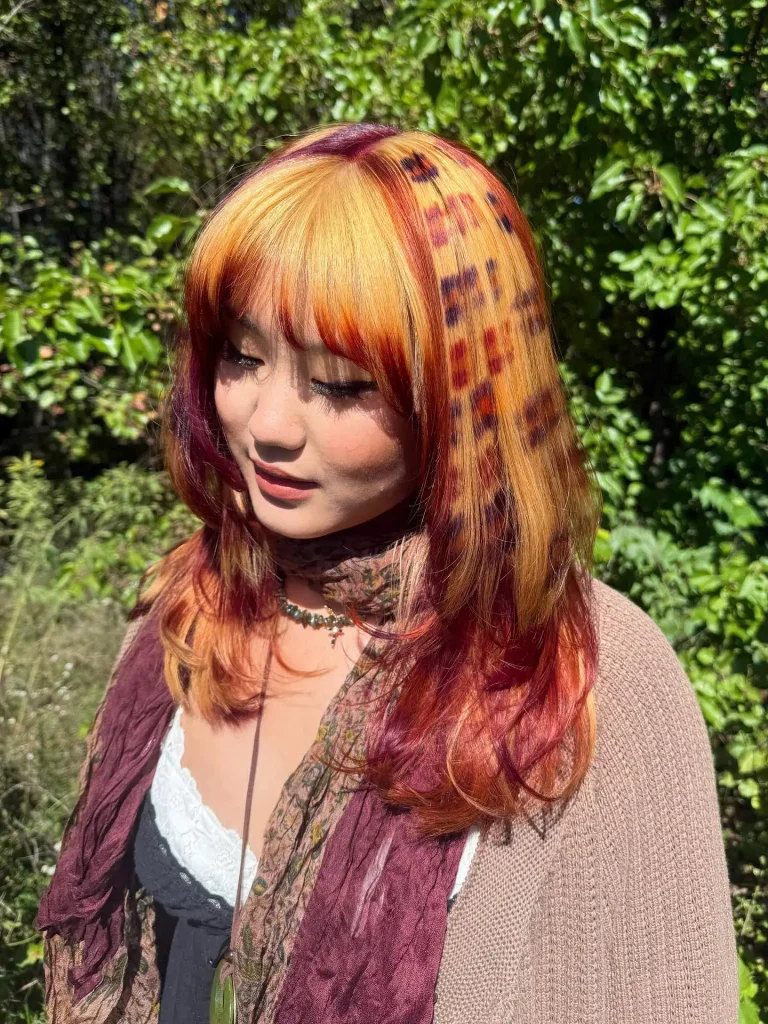
Source: empalmm
Pumpkin and burgundy together should sound dramatic, but this color keeps both shades surprisingly grounded. Warm orange sits beside deep red over a darker base, giving the hair that unmistakable autumn feel without turning it into a costume shade. It is bold, but still wearable.
Warm skin tones can handle the orange beautifully, while the burgundy adds depth around it. Keep the pumpkin shade slightly deeper on naturally dark hair so the two colors melt together instead of looking like separate stripes. The goal is a blended autumn mix, not blocks of color.
Start styling with loose waves if you want both shades to show clearly. A large barrel separates the colors without making the hair look too curled. Let the waves cool, then loosen them with your fingers so the pumpkin catches the bends while burgundy stays visible underneath.
7. Maple Auburn Brown
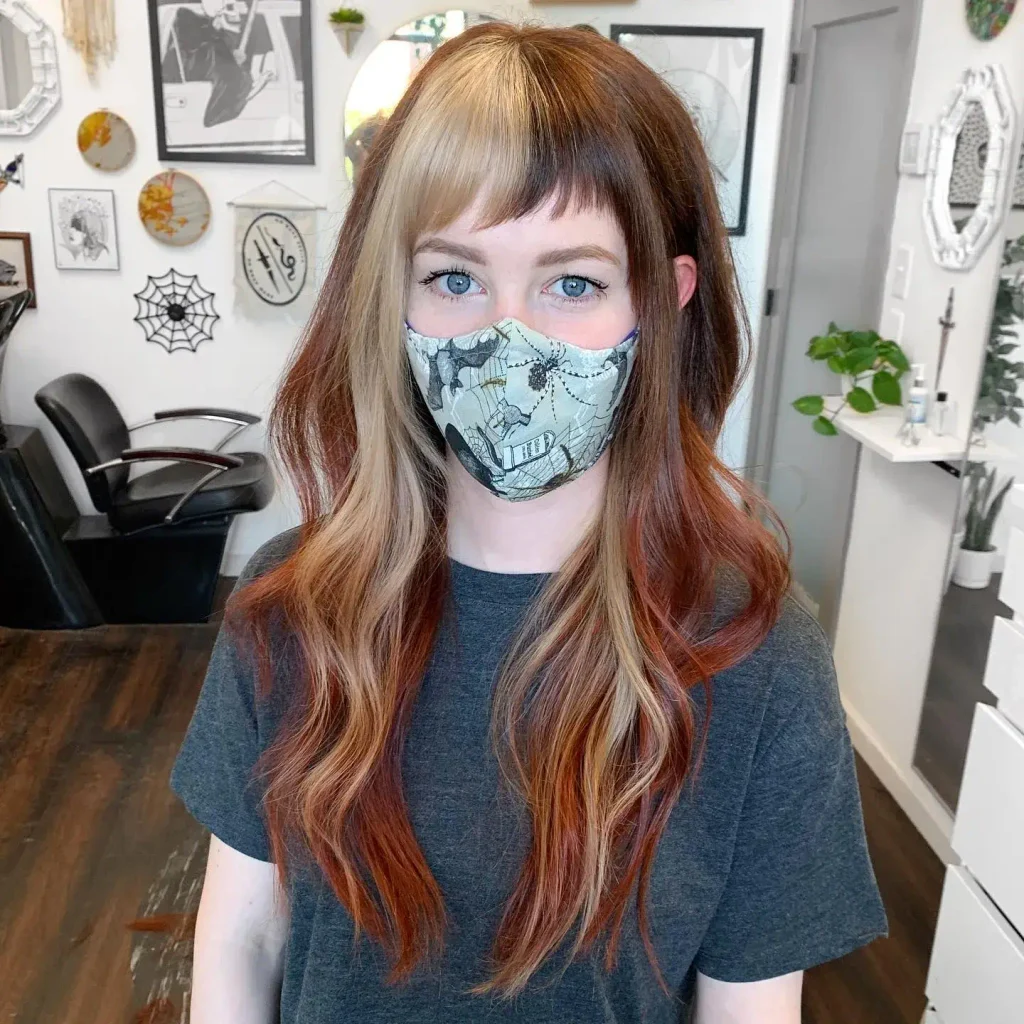
Source: pinkdagger
My friend nearly went darker with her fall color, then picked maple auburn instead. Good call. Warm red and golden brown melt together here, giving the hair that soft autumn glow without making the whole head look bright. It feels fresh without looking like a huge color change.
The red shows more through the lengths, while the brown keeps the roots and deeper sections grounded. Straight hair can show this blend clearly because the color itself creates the movement. Fine hair also gets a little more depth from the warmer pieces through the middle and ends.
For fine hair, keep the lighter maple tones through the middle and ends rather than placing them heavily at the roots. That gives the hair more visual depth without creating harsh contrast. Around week four to six, refresh the warmer lengths instead of covering the entire head again.
8. Crimson Chocolate Brown
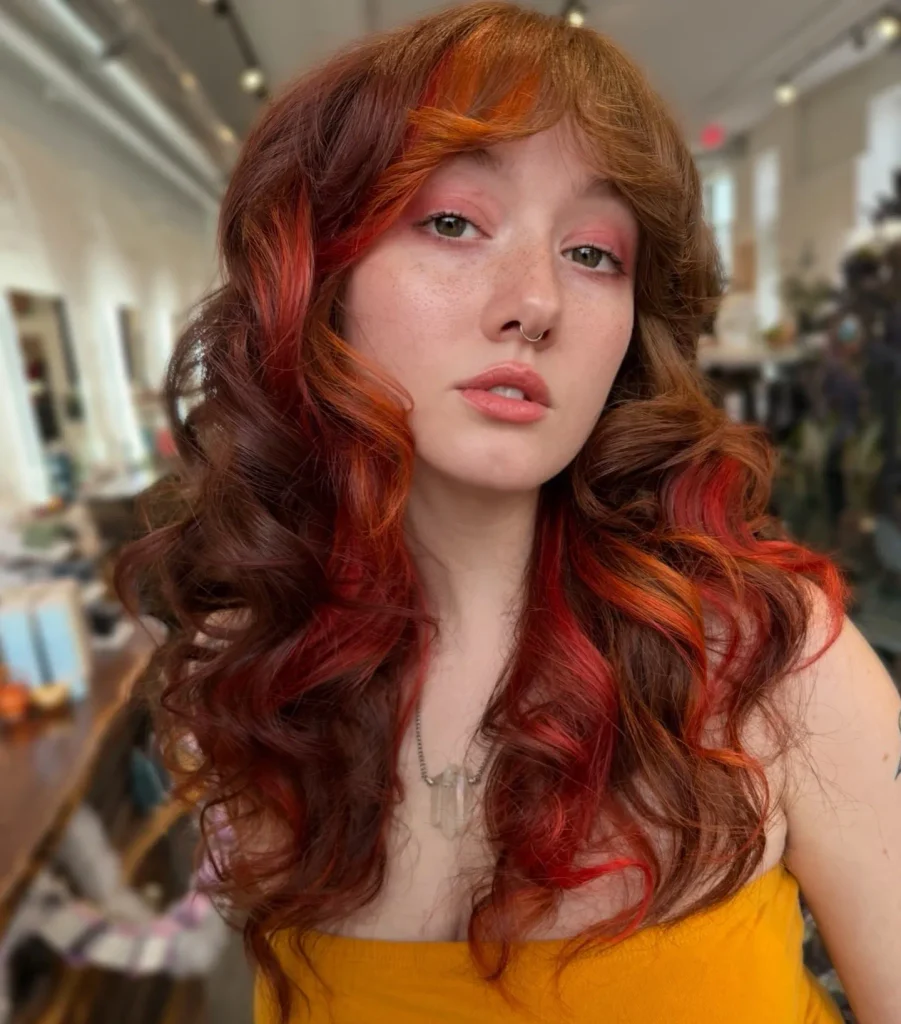
Source: hairbycaitlintyczka
Run your fingers through this color and the crimson starts to peek through the chocolate brown. That little flash is what makes it interesting. The base stays dark and smooth, while muted red appears when the hair moves or catches sunlight. It is drama without a bright finish.
Chocolate brown keeps the shade grounded, while crimson gives it the extra depth plain brunette hair can miss. Front pieces and lower lengths catch the red especially well, so the color changes slightly as you turn your head or step into brighter light.
Tell your stylist you want a deep chocolate base with muted crimson through the middle and ends. Keep the red darker than cherry red and blend each section softly. If your hair is already dark, avoid heavy lightening across the whole head. Place the crimson where light naturally hits instead.
9. Warm Chestnut Brown
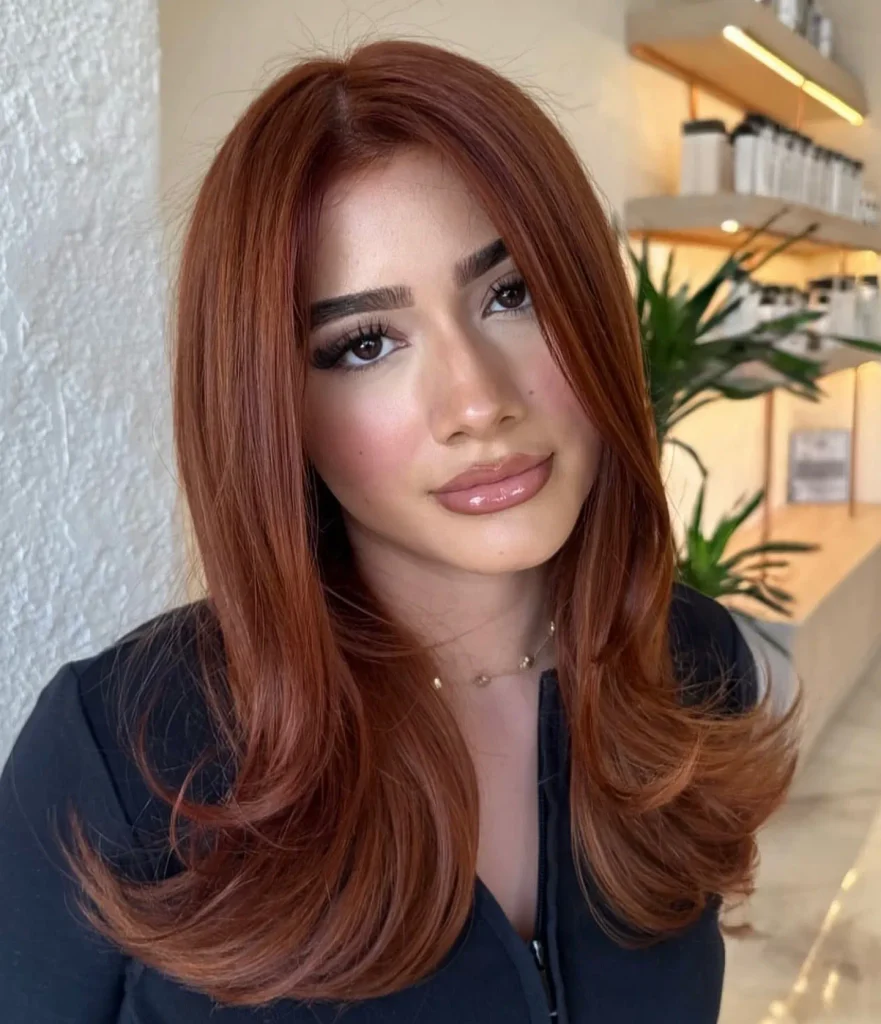
Source: elanofficiaal
Some fall colors need a lot of work to stand out. Chestnut does not. Warm brown mixed with soft copper gives this shade enough glow on its own, while the deeper base keeps it from becoming too red. It has that late-afternoon warmth that looks good in changing light.
Copper shows in small flashes around the ends and front, while the brown keeps most of the hair deeper. That makes it easy to wear with both light and dark clothes. Straight hair shows the clean color blend, while soft waves bring out more of the copper.
For mature hair, warm chestnut can soften the look around the face without making the color too dark. Keep the warmer pieces near the front and let the brown stay deeper through the lengths. That small change brings light forward without creating strong contrast around the face.
10. Golden Ginger Auburn
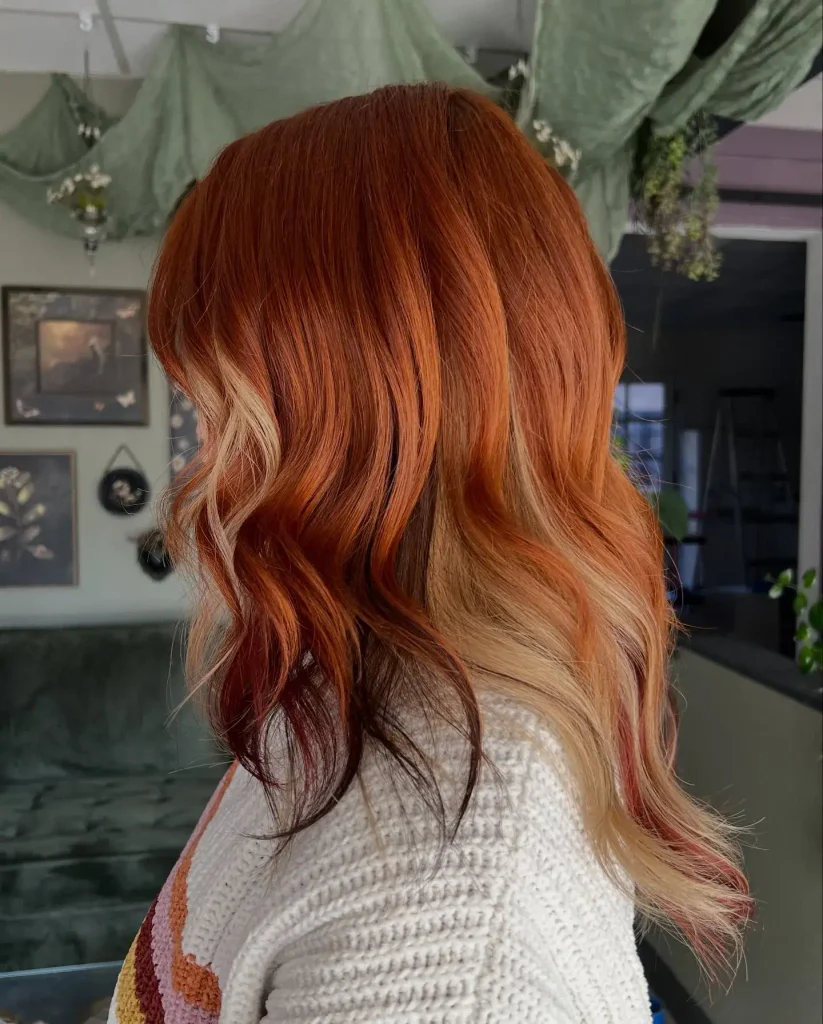
Source: hairbysroth
This is the red for anyone who thinks red will look too loud. Deep auburn forms the base, while golden ginger pieces brighten it from inside. Step into sunlight and the gold wakes up. Move back indoors and the auburn takes over again, keeping the color deep.
Golden pieces sit mostly through the middle and ends, so the roots stay darker and the shade does not look overly light. Straight hair shows the blend clearly, while loose waves separate the gold and auburn enough to make both tones easy to see.
For medium skin tones, the golden pieces can bring extra warmth around the face without making the whole color lighter. Keep the ginger soft near the front, leaning more honey than orange. That small change keeps the shade warm and wearable instead of pushing it into bright copper.
11. Burnt Orange Copper
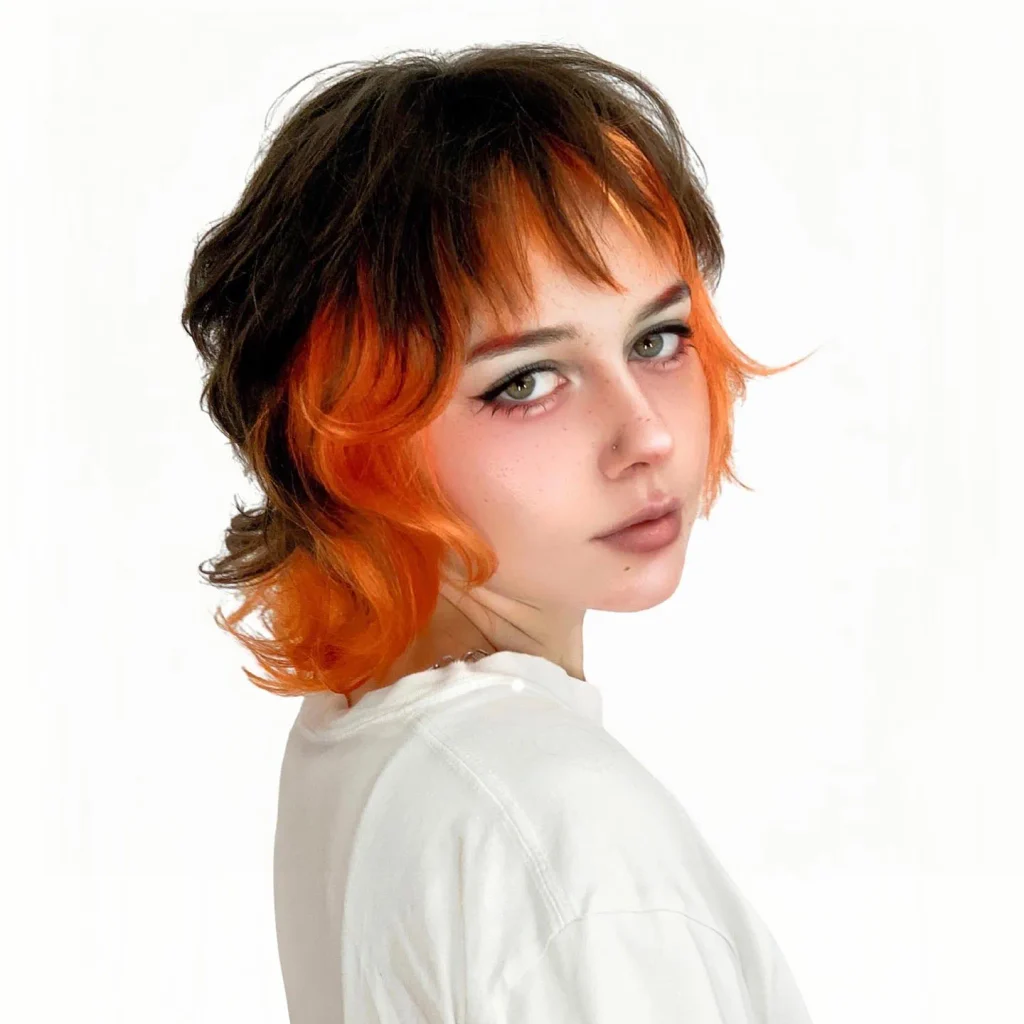
Source: colors_original
Bright orange can be a lot. Burnt orange copper takes that same warmth and turns it down, mixing earthy orange with soft copper for a deeper fall shade. It catches attention without screaming for it, and the darker pieces underneath keep the color grounded.
Among hair color ideas for fall, this one changes nicely with the light. Copper comes forward across the top layers in sunlight, while burnt orange becomes deeper underneath. That contrast gives the hair movement even when you wear it straight.
Skip bright or neon orange at the salon if you want this exact mood. Tell them to keep the copper muted and concentrate the warmth through the upper layers. A deeper burnt orange underneath will help the color stay balanced as the brighter pieces begin to fade.
12. Mahogany Wine Red
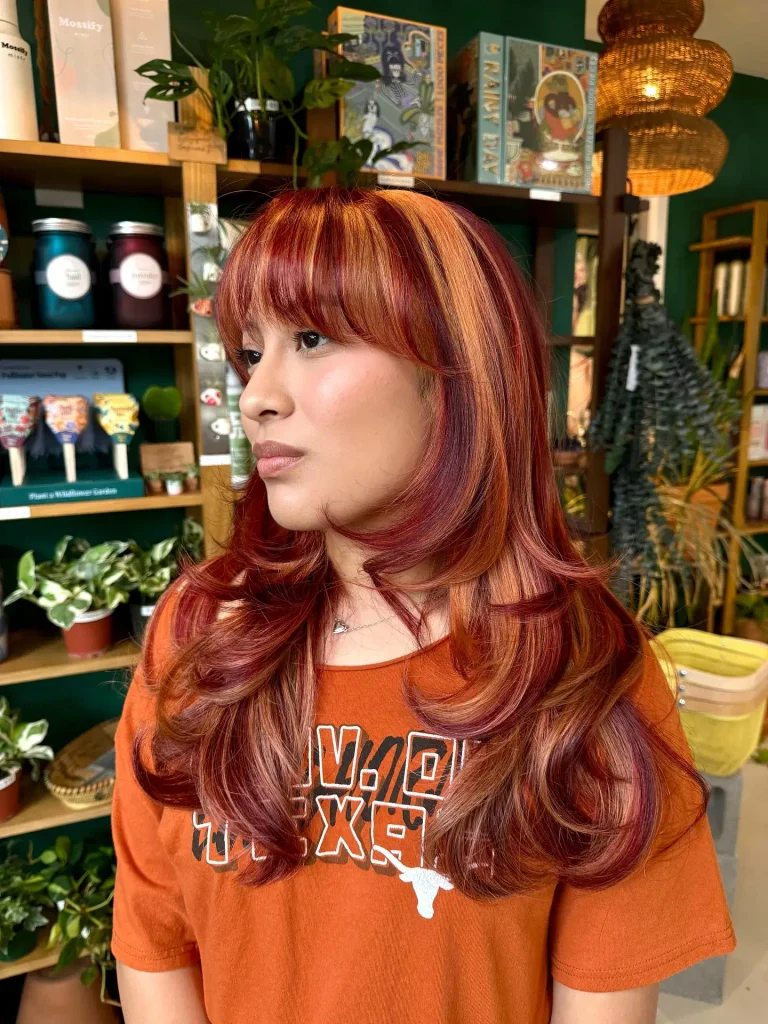
Source: crecerdallas
Deep red can look flat when there is no brown underneath to hold it together. Mahogany wine avoids that problem, mixing a dark brown base with a rich wine-red glow. The color stays deep enough for fall, but light brings out the red instead of hiding it.
Wine red appears more clearly where light touches the surface, while brown remains visible underneath. Long hair gives the shade plenty of room to shift from darker roots into warmer lengths. It feels bold without crossing into bright purple.
Around week four to six, the red can start looking uneven if the faded lengths are ignored. Refresh the wine tone through the lengths first instead of recoloring the roots every time. Keeping the roots darker gives new growth a softer line and stops the color from becoming too heavy.
13. Black Copper Auburn

Source: ariadidmyhair
Black hair does not need a huge color change to feel completely different. A soft copper auburn glow through the dark base can shift the whole look without taking away its depth. In bright light, the warm color appears clearly. Indoors, the hair goes back to that deep, dark finish.
Copper shows strongest through the middle and ends, where light naturally catches the hair. That placement keeps the roots dark and makes the auburn feel like it is hiding inside the black. Straight hair shows the color clearly, while waves make the copper flashes move.
Thick hair can sometimes look like one heavy sheet of dark color. Warm copper pieces break that up and give the lengths more visual depth. Keep most of the hair dark, then place the auburn only where light naturally lands. That gives a change without making the whole head look bright.
14. Peach Copper Brown
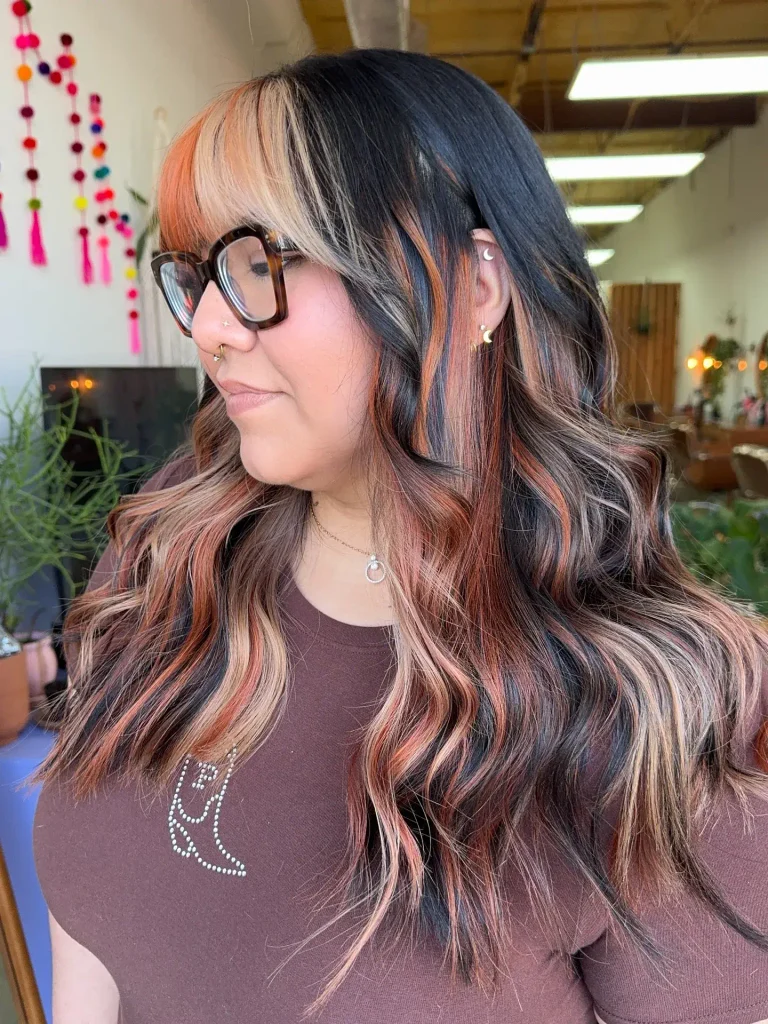
Source: hair.by.karenm
Peachy hair color can go wrong fast if it becomes too orange. This one keeps the peach soft, pairing it with copper and a warm brown base. The result feels lighter and fresher than a deep autumn shade, but the brown underneath keeps it grounded.
Peach shows most through the lighter sections, while copper adds warmth underneath. Brown keeps everything from looking too pale or summery. Loose waves separate the colors nicely, letting the peach appear in small flashes through the middle and ends.
Tell your stylist you want a warm brown base with muted peach-copper tones, not bright orange. Keep the peach blended instead of placing it in thick blocks. Softer sections will fade more naturally, while strong lines can become obvious once the lighter color starts to wash out.
15. Golden Burgundy Brown
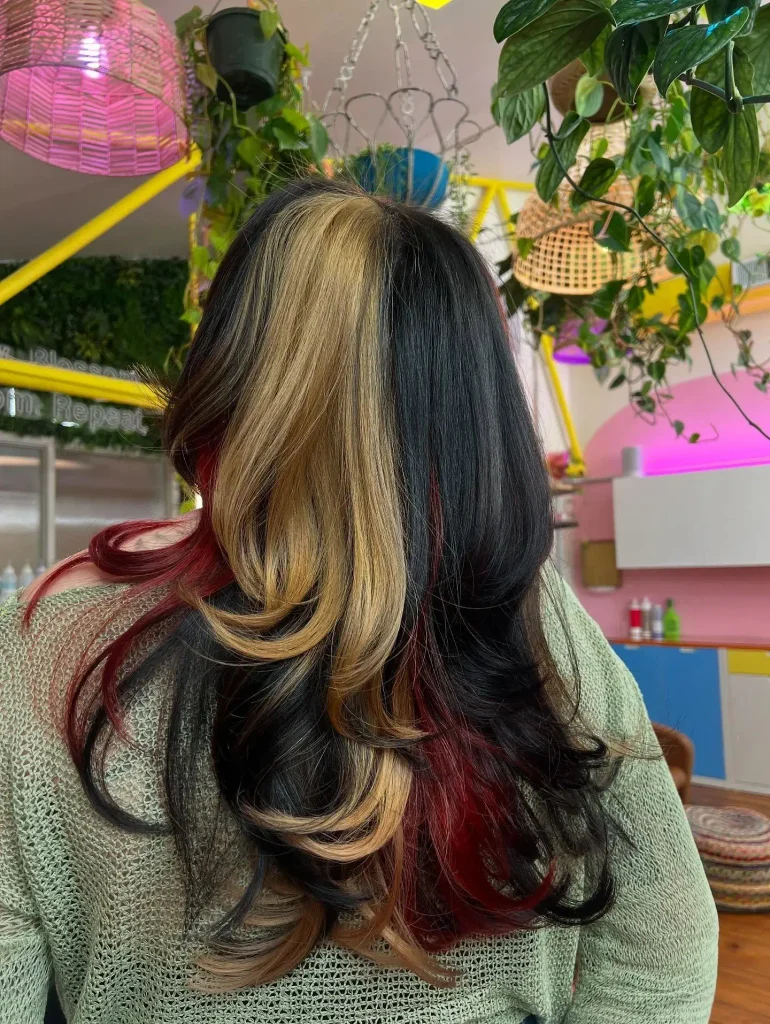
Source: autumnserenityhair
I watched this shade change from golden brown near a window to deep burgundy under softer light. That shift is what makes it stand out. Golden tones brighten the surface, while the darker red underneath gives the hair a second mood once the lighting changes.
Brighter light brings the gold forward, while darker settings let the burgundy show more strongly. Long hair gives both colors enough space to appear clearly. Even a simple ponytail can show the two shades twisting together as different sections catch the light.
The two colors need some separation, or they can turn muddy. Keep the golden pieces closer to the surface and let the burgundy stay deeper underneath. Refresh the lighter sections separately when they fade instead of putting fresh color over the whole head.
16. Berry Rose Red
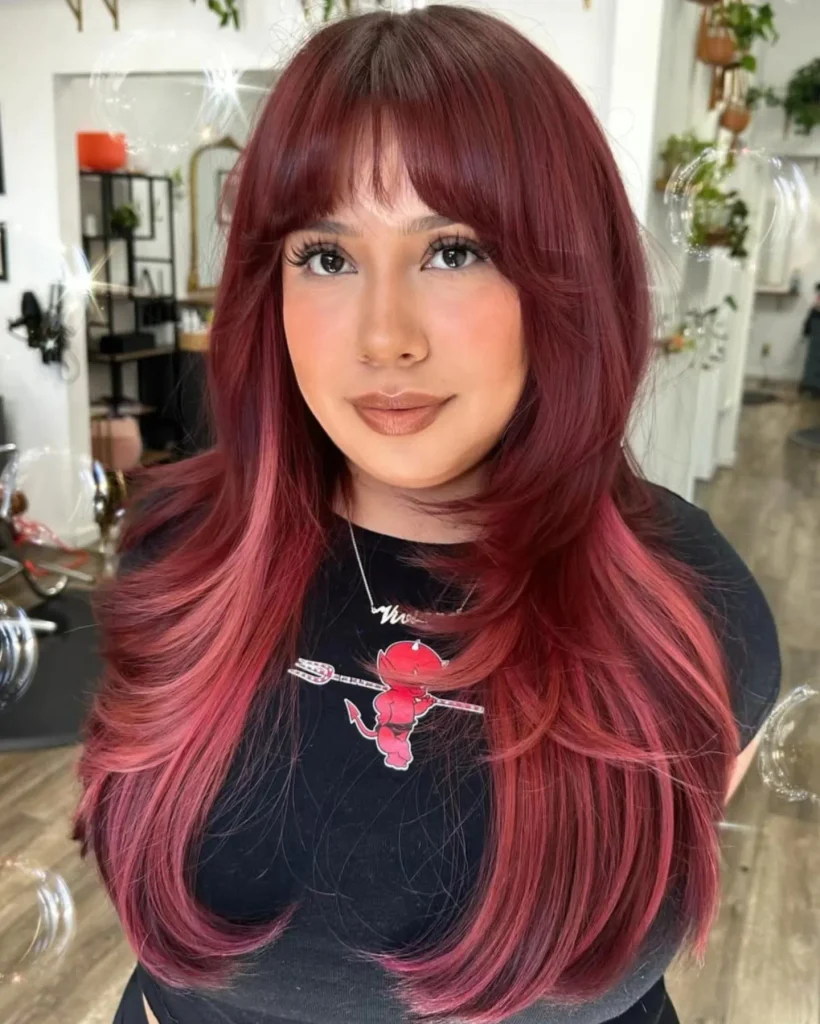
Source: behindthechair_com
What if red could have a softer side? Berry rose mixes deep red with a muted pink tone, giving the hair a rosy glow without turning neon. The berry keeps the shade grounded for fall, while the rose adds just enough light to make the color feel fresh.
Most fall hair colors lean toward orange, copper, or brown, so this one feels different right away. Berry looks deeper through the darker sections, while rose catches the light across the top and ends. The color shifts gently instead of looking like separate blocks.
Cool skin tones can handle the rosy side without adding the strong orange warmth found in many reds. Keep the berry deeper than the rose so both colors stay clear. That contrast also keeps the shade from looking washed out as the lighter pink tones begin to fade.
17. Dusty Rose Brown
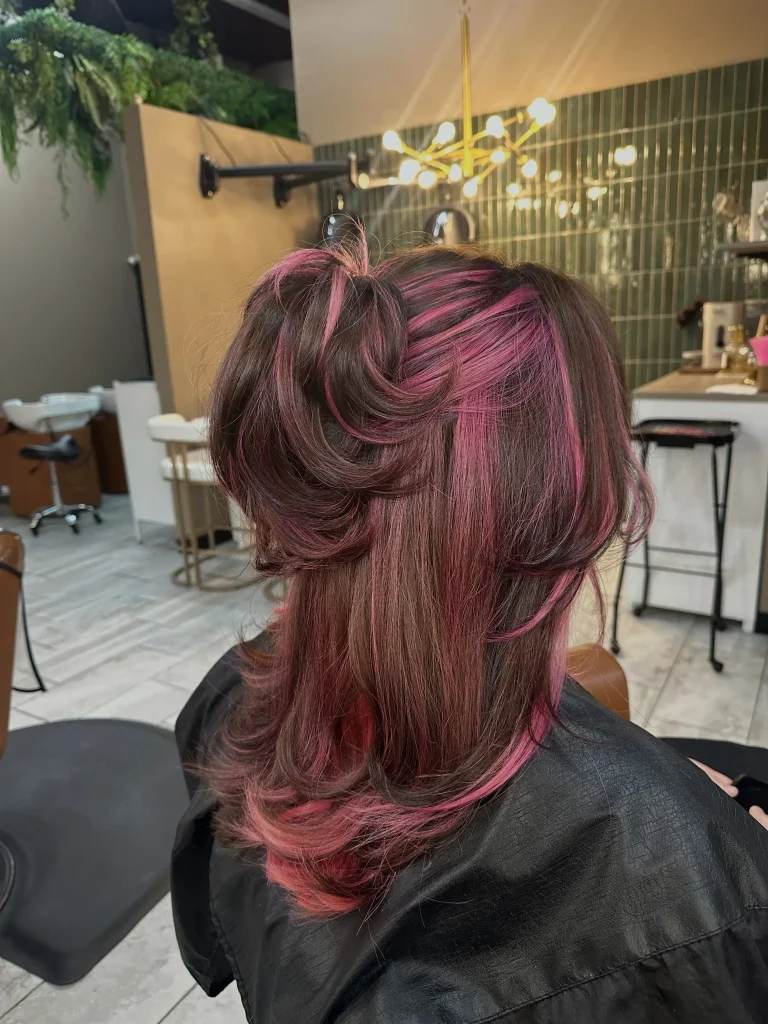
Source: livforbeauty716
Pink hair does not have to mean bright pink. Dusty rose brown keeps the base muted and adds a soft rosy tint through the lengths, giving brown hair a small but noticeable change. It feels softer than a strong red and still has enough depth for autumn.
Brown does most of the grounding, while the dusty rose appears when light hits the hair. Straight lengths show the muted color smoothly, while waves break it into small rosy flashes. The pink stays in the background, so the shade never feels too loud.
Around week four to six, the rose will usually fade before the brown does. Refresh only the rosy sections instead of putting fresh color over everything. That keeps the base clean and saves the lengths from extra color buildup while bringing the soft pink tone back.
18. Caramel Honey Copper
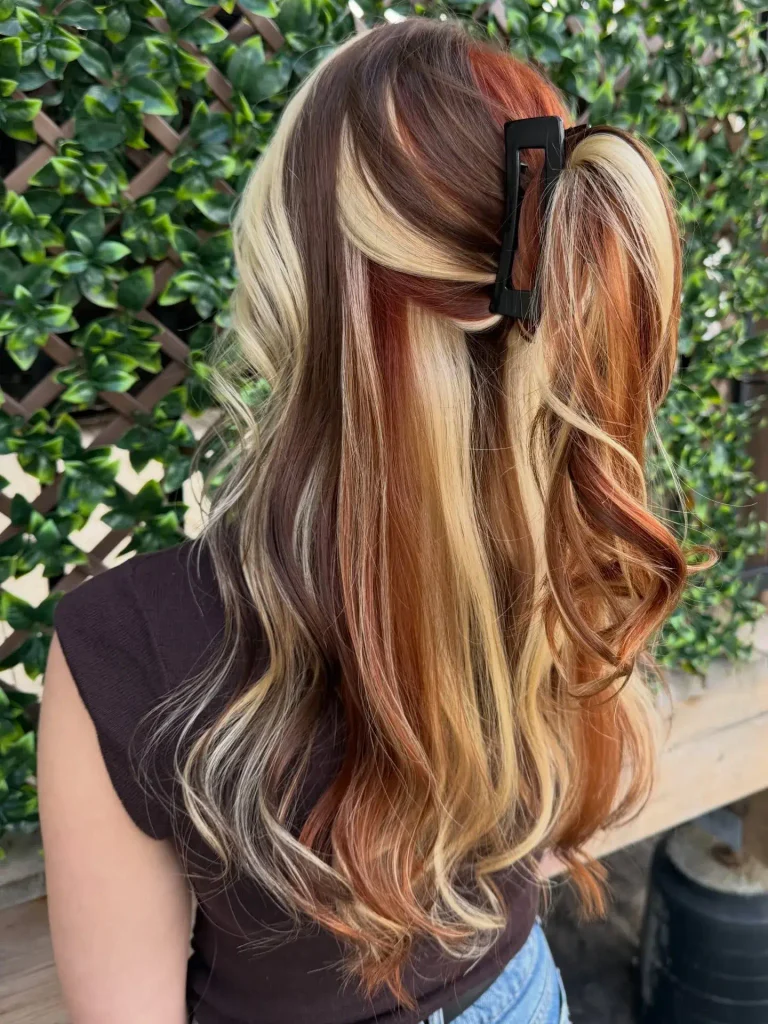
Source: chlo.hair.co
Warm caramel, golden honey, and soft copper come together here without fighting for attention. The brown base keeps the color grounded, while the lighter shades bring a sunny glow through the lengths. It feels warm enough for fall without turning into a bright orange shade.
Honey catches the light first, with caramel and copper showing underneath as the hair moves. Straight hair keeps the blend smooth, while waves separate the three tones and make the color look more layered. The result changes slightly from sunlight to shade without needing bold contrast.
Tell your stylist you want a medium brown base with warm honey, caramel, and soft copper blended through the lengths. Keep the honey warm instead of pale blonde, and place the brightest pieces where sunlight naturally hits. That keeps the blend soft and makes the grow-out easier to manage.
19. Emerald Violet Black
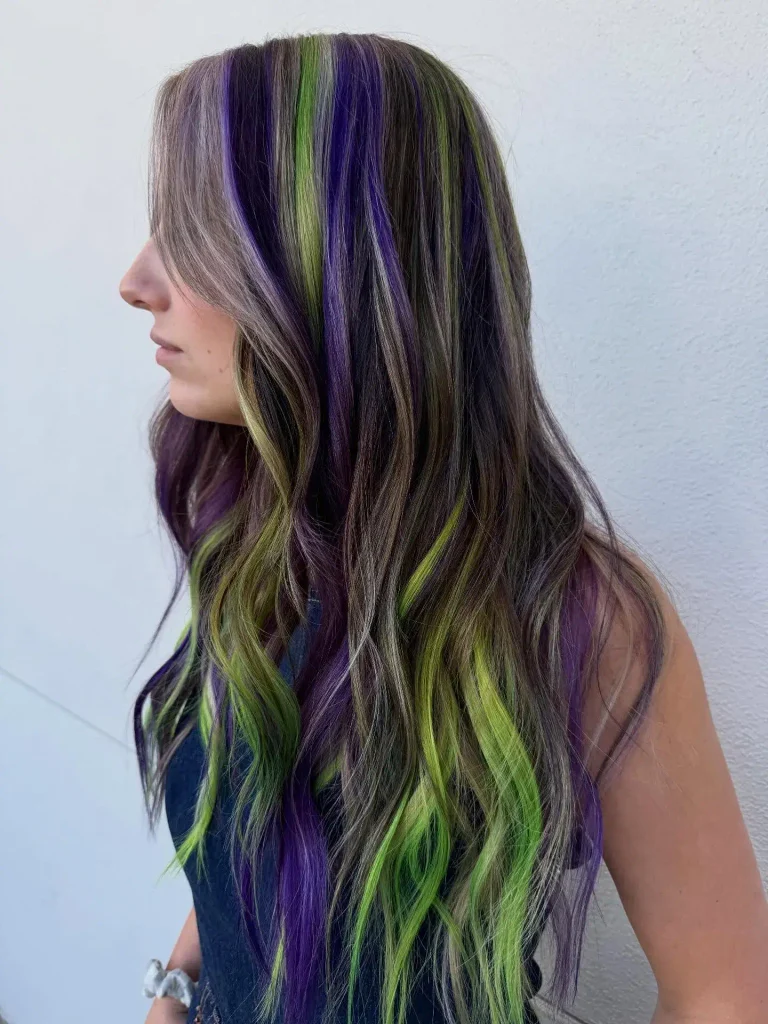
Source: dangerjonesbold
Black hair with hidden color is a different kind of bold. Deep emerald and violet sit inside the dark base, so the hair looks almost black at first. Then green and purple flashes appear as you move. It feels mysterious without needing bright color across the whole head.
Violet gives the shade a cooler feel, while emerald adds a deep green glow underneath. Against the black base, both colors stay strong instead of turning pale. Straight hair shows clean flashes through the lengths, while movement makes the jewel tones appear and disappear.
Keep the black base deep and place the emerald and violet in separate sections. Do not blend both shades into one mix, because the colors can lose their clear jewel tones. For straight hair, clean placement through the lengths lets each color show as a sharp flash when the light hits.
20. Mulberry Plum Red
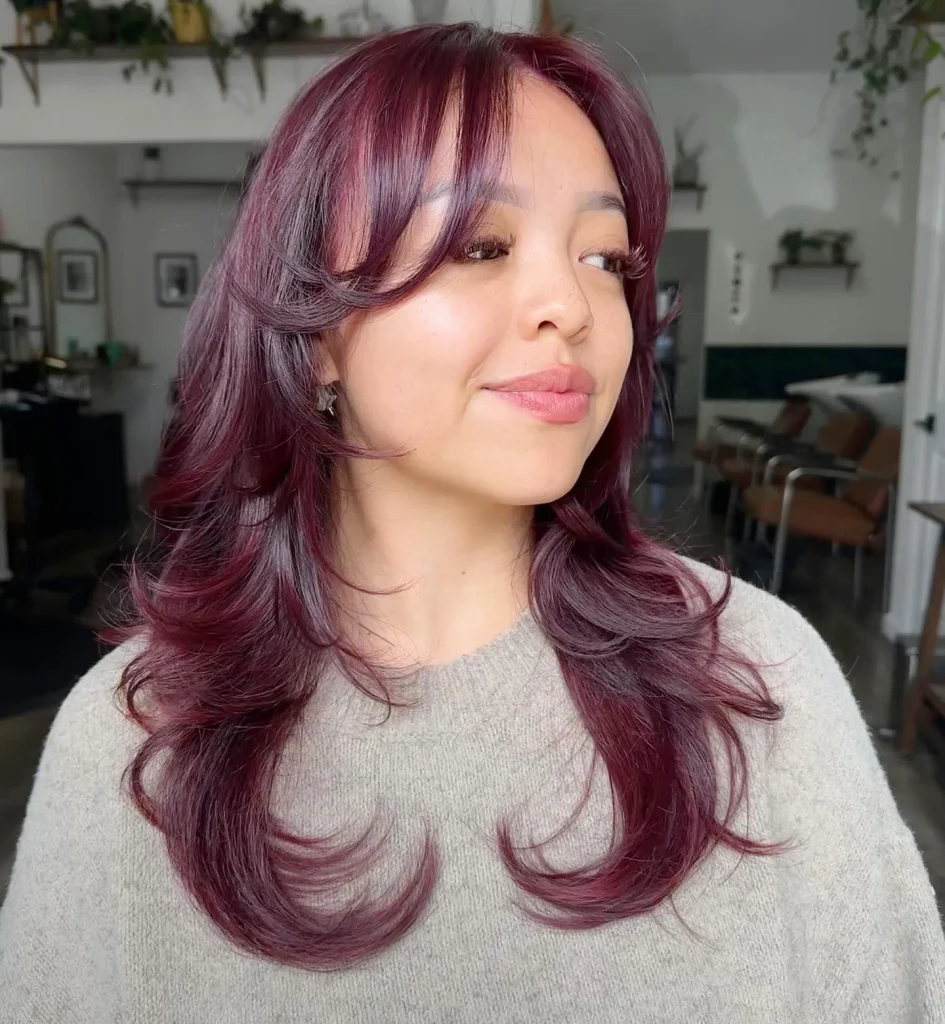
Source: angieedoesmyhair
This is the kind of red people notice before they notice the haircut. Mulberry plum mixes deep red with soft purple, creating a darker shade that feels richer than classic red. The warmth keeps it from looking flat, while the plum gives the color a cooler edge.
Direct sunlight brings the red forward, while darker settings make the plum much easier to see. Long hair shows this shift especially well because the ends can hold more of the deeper color. Every change in lighting gives the shade a slightly different mood.
Tell your stylist you want a deep mulberry base with plum-red tones, not bright purple-red. Keep the roots darkest and let the plum show more through the middle and ends. That placement creates a softer transition, so new growth does not create a hard line as quickly.
21. Tangerine Blonde Brown
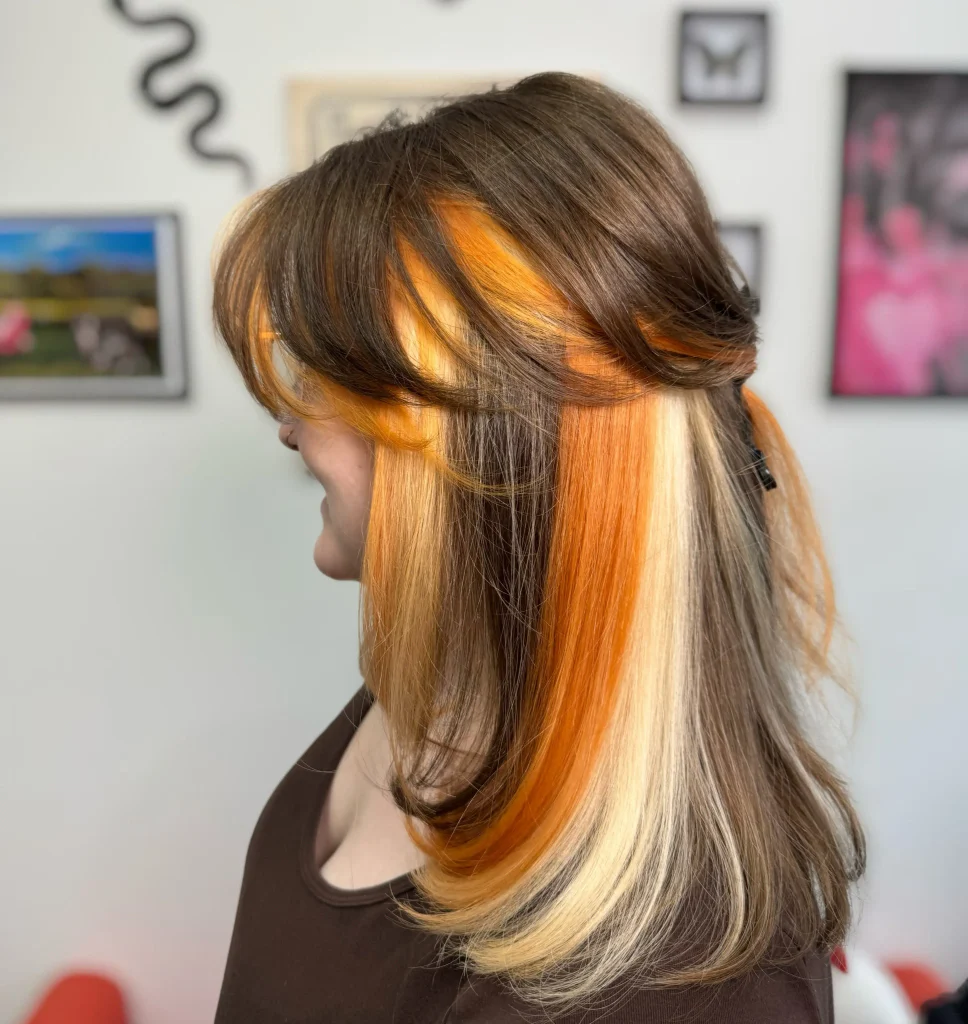
Source: _jordanschell
Orange does not need to shout to make an impact. Soft tangerine, golden blonde, and brown come together here for a warm autumn mix that feels bright without becoming loud. The deeper brown keeps the lighter shades grounded, so the color still feels balanced.
Golden blonde catches the light first, while tangerine adds warmth underneath. Brown through the deeper sections gives the brighter pieces something to stand against. Loose waves can separate the three shades nicely, while straight hair shows the blend in a smoother way.
Around week four to six, watch the tangerine closely because warm lighter tones can shift toward yellow as they fade. Keep the brown deeper at the roots and refresh the warmer lengths when needed. That keeps the color balanced instead of letting the lighter sections take over.
22. Coral Pink Red
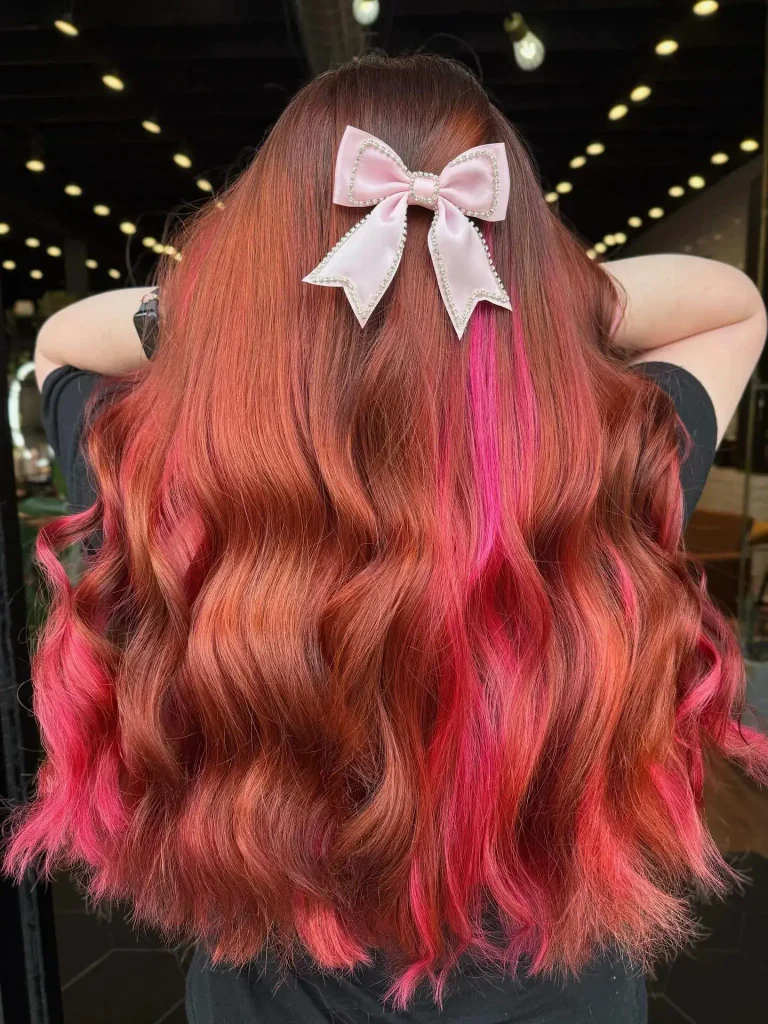
Source: hairbylunabelle
Bright red is not the only way to make a color stand out. Coral pink softens the red with a warm rosy glow, giving the hair a playful change without pushing it into neon. It feels lighter than the deeper reds while still keeping enough color for fall.
Coral shows strongest through the lighter sections, while deeper red gives the shade more depth underneath. Sunlight brings out the pink, while indoor light makes the whole color look warmer. Fine to medium hair can show the lighter tones clearly through the lengths.
For fine hair, keep the deeper red closer to the roots and let the coral spread through the middle and ends. That placement creates more visual depth without making the ends look heavy. Keep the coral warm rather than icy, especially if you want the color to stay soft as it fades.
23. Deep Plum Wine
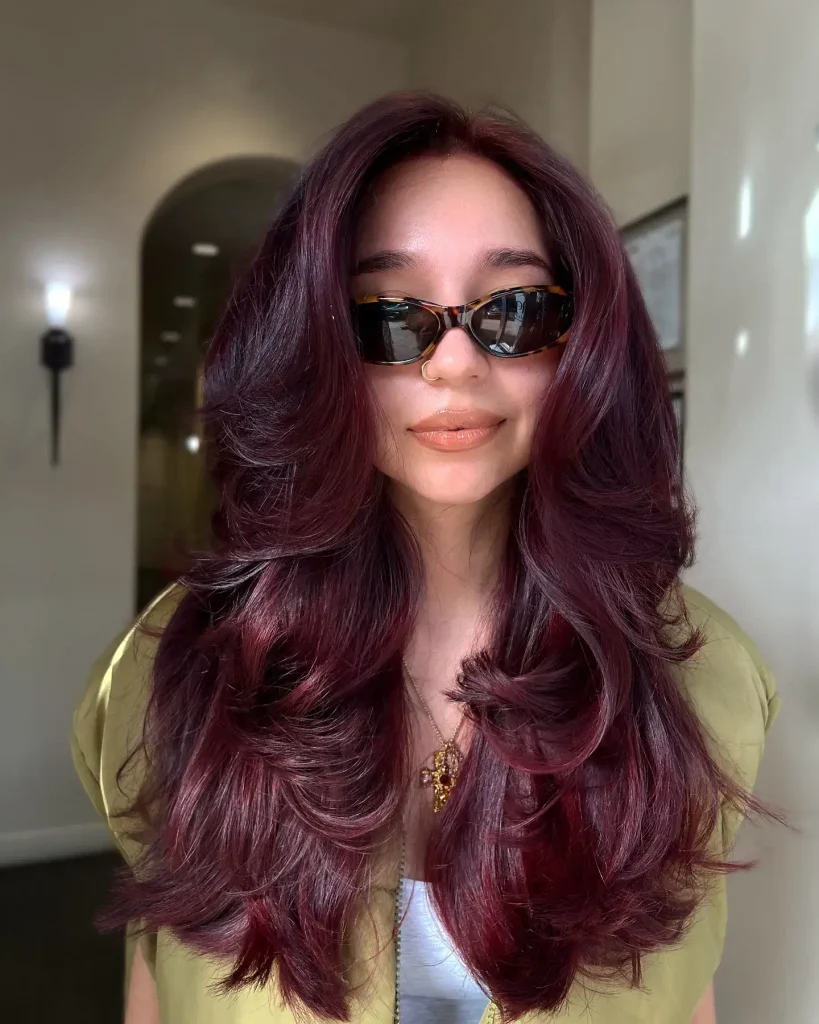
Source: desireealyssahair
She walked in with plain dark brown and left with a color nobody could name at first. Under indoor light, her hair still looked dark. Step outside, and plum and wine-red tones suddenly appeared. That double effect is what makes this shade so addictive.
Wine red brings warmth through the darker base, while plum adds a cooler purple edge underneath. Long hair shows the change clearly because different sections catch different amounts of light. At first glance it looks deep brown, but brighter light reveals the color hiding underneath.
As the shade fades, the plum can start shifting toward dull red around week four to six. Refresh the purple-wine tone through the lengths before touching the roots. Keeping the roots deep gives the grow-out a softer line and keeps the darker base from becoming overloaded with fresh color.
Find Your Fall Color Mood
Some shades feel soft and cozy, while others change your whole look. Deep plum, burgundy, and black-based colors give a darker mood. Copper, caramel, honey, and ginger bring more warmth. Rainbow shades go in a completely different direction.
Think about the feeling you want before picking a shade. A darker color can make your hair look richer and more dramatic, while lighter warm tones can make the whole look feel brighter. Choosing by mood makes it easier to narrow down 23 choices.
Match the Color to Your Closet
Your clothes can tell you more about your best fall shade than a color chart. If your closet is full of brown, cream, olive, black, and denim, warm autumn shades can blend into your style naturally.
- Mostly neutrals: Try auburn, chestnut, caramel, or mahogany.
- Lots of black: Deep burgundy, plum, or jewel colors can add contrast.
- Warm colors: Copper, ginger, pumpkin, and golden shades keep the look connected.
- Bold outfits: Rainbow or coral shades can match that playful style.
Think About Your Natural Hair First
Your starting color changes how every shade will look. Dark brown hair can hold deep reds, auburns, and burgundy without needing the same lift as a pale copper or peach shade. Lighter hair gives you more room to play with soft golden and pastel tones.
Natural texture matters too. Thick hair can show several tones at once, while fine hair may look cleaner with fewer color changes. Curly hair can make blended colors look more scattered because each curl catches light differently. Your starting point should guide the final shade, not fight it.
Pick the Change You Can Live With
A color can look amazing in a photo and still be the wrong choice for your routine. Think about how often you want salon visits, how much fading you can handle, and whether you plan to change the color again soon.
If you want a smaller change, stay close to your natural depth with chestnut, auburn, caramel, or chocolate shades. A bigger change can mean jewel tones, coral, rainbow colors, or brighter copper. Your best fall color is the one you still enjoy after the first photo stops feeling new.
FAQs
1. What are the best fall hair color ideas for brunettes?
Auburn, caramel, chestnut, chocolate brown, burgundy, and warm copper are great choices for adding rich fall warmth to brunette hair.
2. What fall hair colors are easiest to maintain?
Chestnut brown, warm auburn, and caramel tones are usually easier to maintain because they can blend more softly with darker natural roots.
3. Which fall hair colors look good on dark hair?
Deep burgundy, black cherry, mahogany, plum, copper auburn, and chocolate shades can add visible warmth and dimension to dark hair.
4. How do I choose the right fall hair color?
Consider your natural hair color, skin tone, desired level of change, and how often you want salon upkeep before choosing your shade.
Conclusion
A new hair color can do more than change your appearance. It can make an old haircut feel fresh, bring warmth to your look, or give you the confidence to try something you have been saving for later. These fall hair color ideas give you plenty of ways to play with rich reds, warm browns, glowing copper, deep plum, and creative shades.
Save this post to your Pinterest boards so your favorite ideas are easy to find later. Try one shade yourself, or take a few favorites to your stylist and create a look that feels personal. Share this article with a friend who is ready for a fall hair refresh, too.