16 Types of Bob Haircuts You Should Know Before Your Next Cut
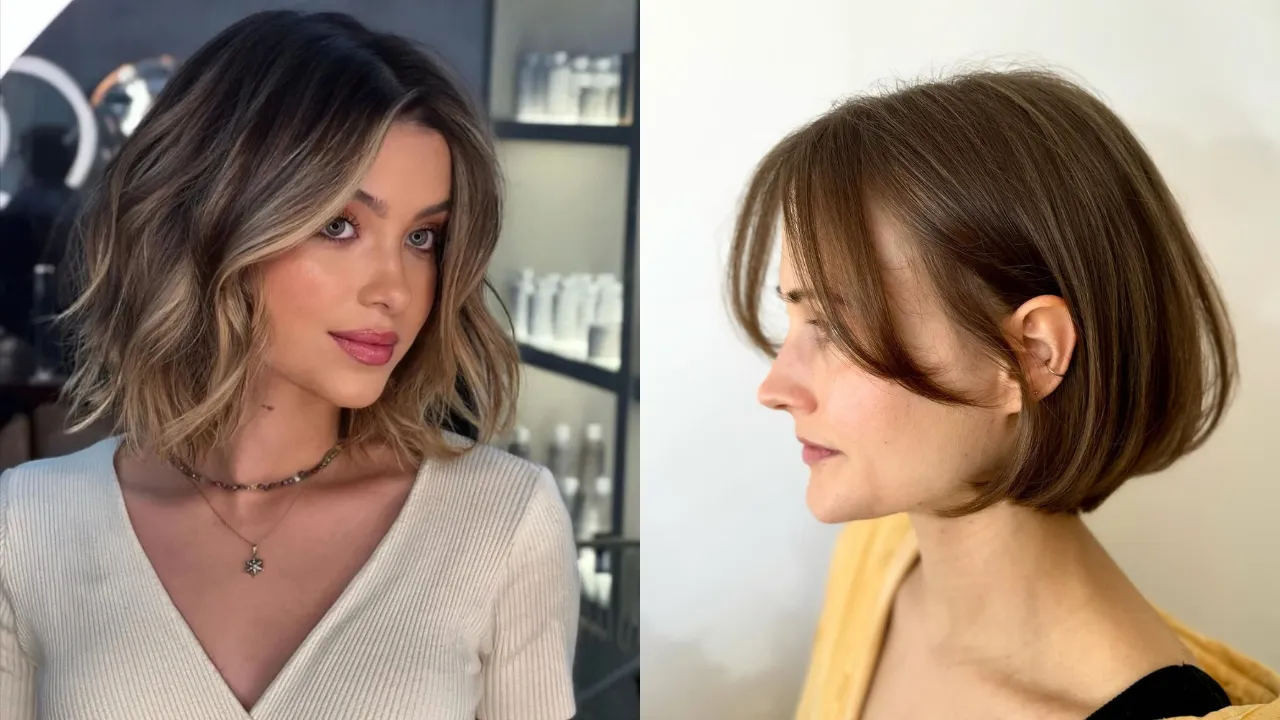
Bob haircuts aren’t just a trend, they’re one of the most adaptable styles out there. From sharp and structured to soft and textured, the bob has evolved into a full range of looks that can suit almost any hair type, face shape, or routine.
What makes it so popular is how small changes can completely transform it. A slight shift in length, layering, or angle can add volume, remove weight, or reshape how your face looks. That’s why no two bobs feel exactly the same, even if they share the same name.
The challenge is knowing which one actually works for you. With so many variations, it’s easy to choose something that looks good in photos but doesn’t fit your everyday life.
This guide breaks everything down clearly so you don’t just recognize the names, you actually understand what each type does and who it works for.
Classic & Structured Bob Haircuts
These are the foundation styles. They rely more on clean lines and shape rather than heavy layering or texture.
1. Classic Bob
Source: jr.beauty.studio
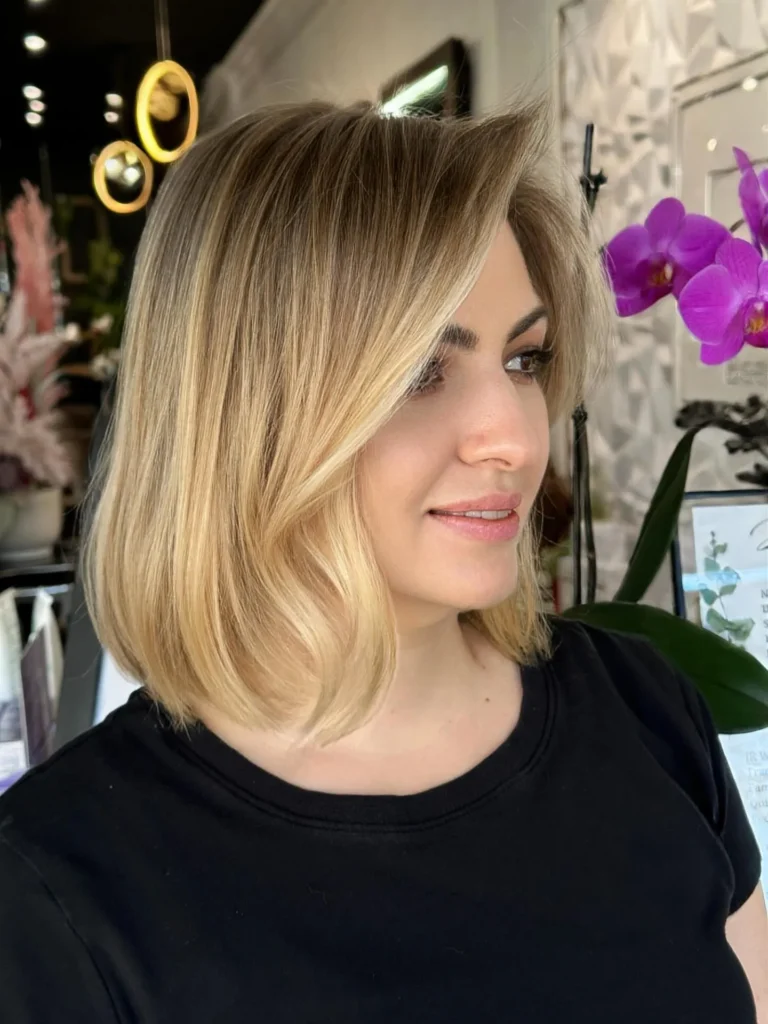
The classic bob is where everything begins. It’s cut evenly around the head, usually falling between the chin and shoulders. There’s no dramatic angle or heavy layering just a clean, balanced shape that never feels outdated.
What makes this cut stand out is its simplicity. The precise structure naturally frames the face without needing much styling. On straight hair, it looks sleek and sharp, while on slightly wavy hair, it softens into a more relaxed finish.
Another reason this style stays popular is how practical it is. It’s easy to manage, quick to style, and grows out more evenly than more complex cuts.
Best for:
• Straight or slightly wavy hair
• Fine hair that needs a fuller look
• Anyone wanting a clean, low-effort everyday style
2. Blunt Bob
Source: brune_lorenatalamantes
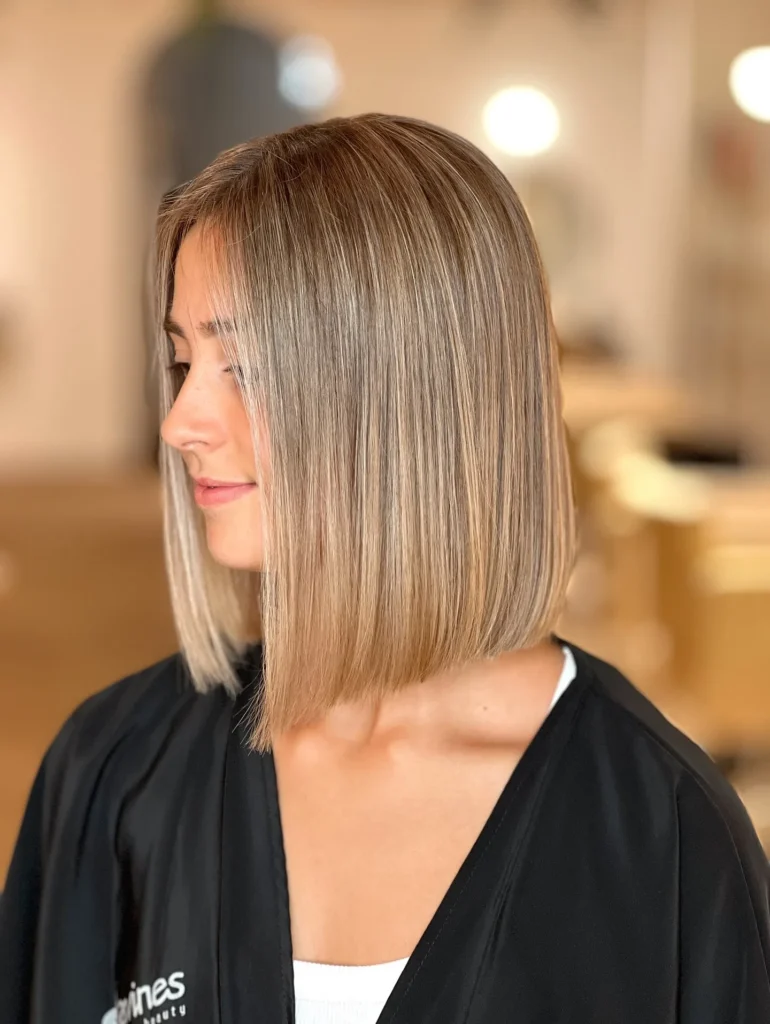
The blunt bob takes the classic shape and makes it bolder. Instead of soft edges, the ends are cut into one sharp, even line with no layers at all.
This creates a strong, solid finish at the bottom, which can make hair appear thicker and more defined. However, because there’s no layering to soften the look, precision is key any unevenness will show.
It’s a high-impact style that feels modern and intentional, but it does require regular trims to maintain that sharp edge.
Best for:
• Medium to thick hair
• Sleek, polished styles
• Those comfortable with regular maintenance
3. A-Line Bob
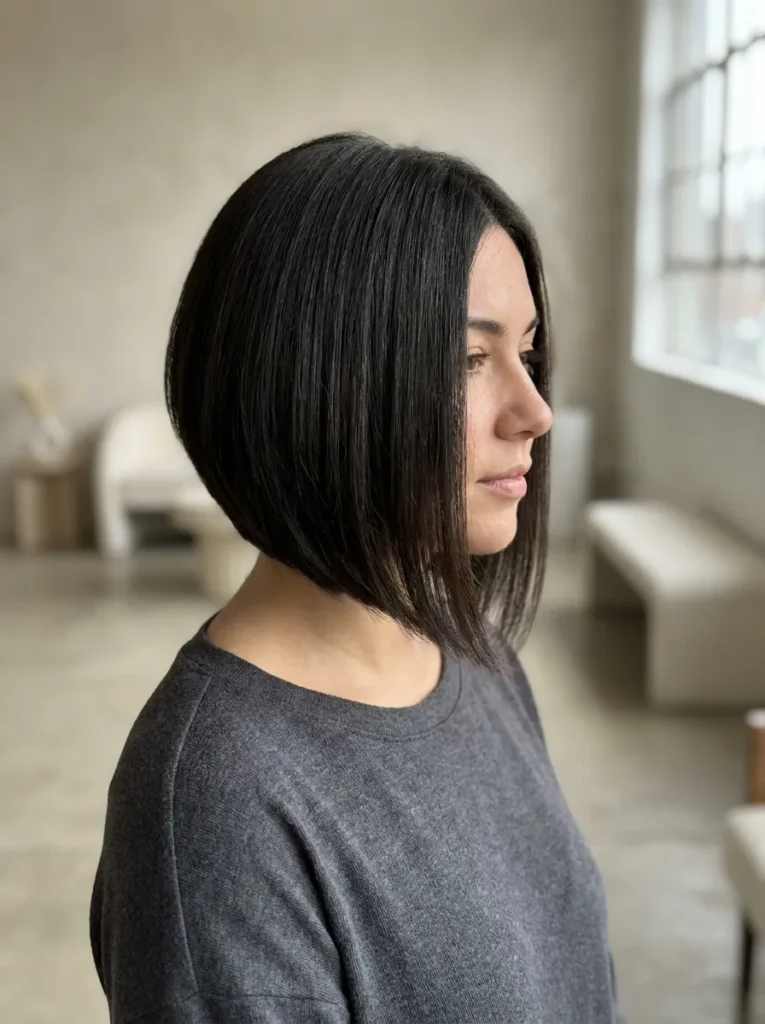
The A-line bob introduces a subtle shift in shape. The back is cut shorter, while the front gradually becomes longer, creating a soft diagonal line.
That extra length in the front helps frame the face and draw the eye downward, which can make the face appear longer and more defined. This is why it’s often recommended for rounder face shapes.
At the same time, it remains wearable. The angle can be kept soft for a natural look or made sharper for a more dramatic effect.
Best for:
• Round or fuller face shapes
• Anyone wanting added structure
• Straight or lightly textured hair
4. Inverted Bob
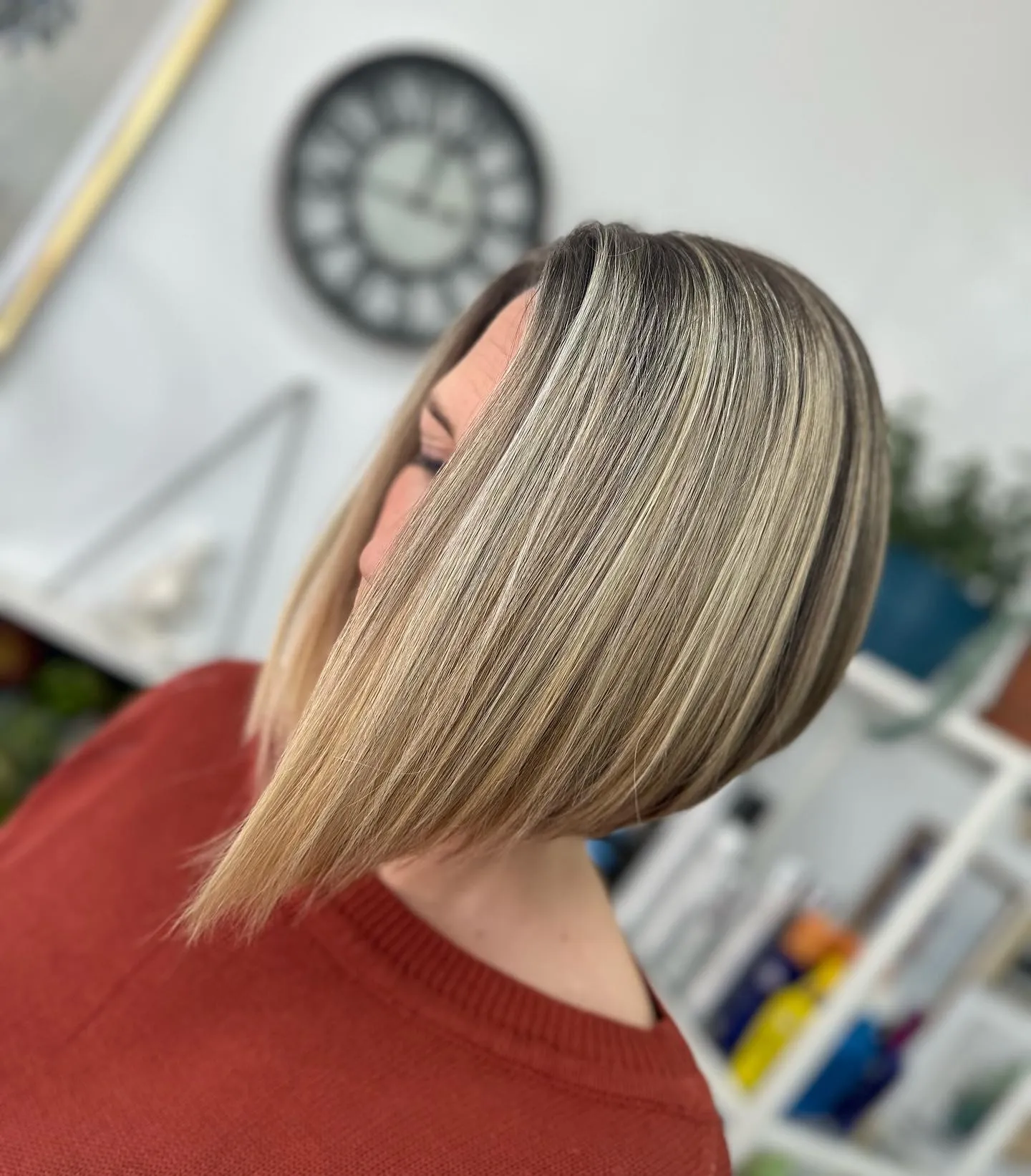
The inverted bob builds on the A-line shape but adds stacked layers at the back. These layers create volume at the crown and give the cut a more sculpted appearance.
What really sets this style apart is the contrast. The back looks lifted and full, while the front stays longer and frames the face, creating a dynamic silhouette.
For fine or flat hair, this can be a game-changer. It adds body and shape without relying heavily on styling tools.
Best for:
• Fine or low-volume hair
• Anyone wanting a fuller, structured look
• Straight, wavy, or lightly curly hair
5. Graduated Bob
Source: saloncsunningdale
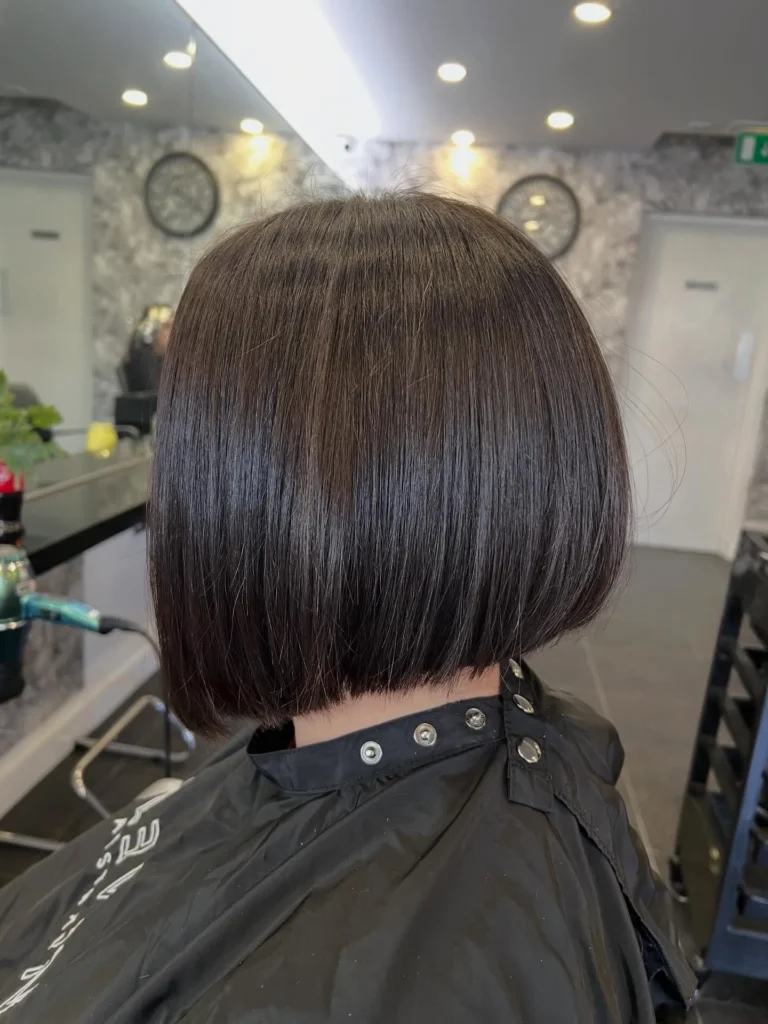
The graduated bob is often confused with the inverted bob, but the difference is in how softly everything blends.
Instead of a sharp contrast, the layers transition gradually from the back to the front, creating a smooth, curved shape that follows the natural contour of the head.
This makes it easier to wear on a daily basis. It still offers structure and movement, but feels less dramatic and more balanced overall.
Best for:
• Most face shapes
• Those who want structure without harsh lines
• Hair that needs shape without too much volume
Soft, Layered & Textured Bob Haircuts
These styles focus more on movement, flexibility, and ease rather than precision.
6. Layered Bob
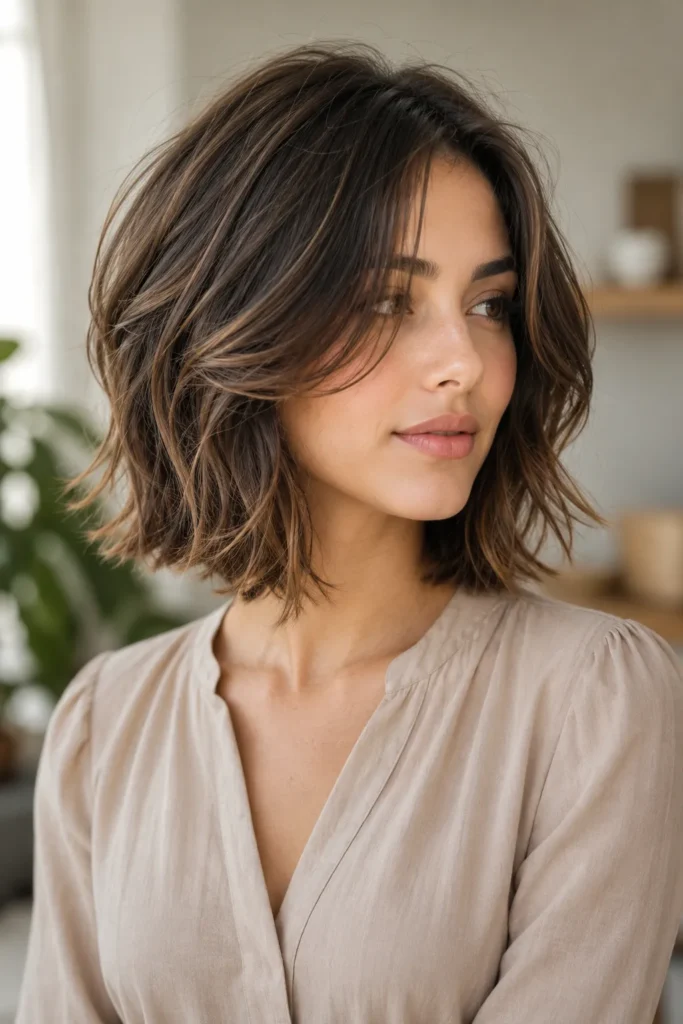
The layered bob is designed to remove weight and add movement throughout the hair.
Rather than sitting in one solid shape, the layers allow the hair to fall more naturally, creating a lighter and more dynamic look. This is especially useful for thick or dense hair, which can otherwise feel heavy or bulky in a traditional bob.
The level of layering can be adjusted depending on your preference. Softer layers keep the overall shape intact, while heavier layers create a more relaxed, airy finish.
Best for:
• Thick or dense hair
• Wavy or curly textures
• Anyone wanting lighter, more flexible styling
7. Textured Bob
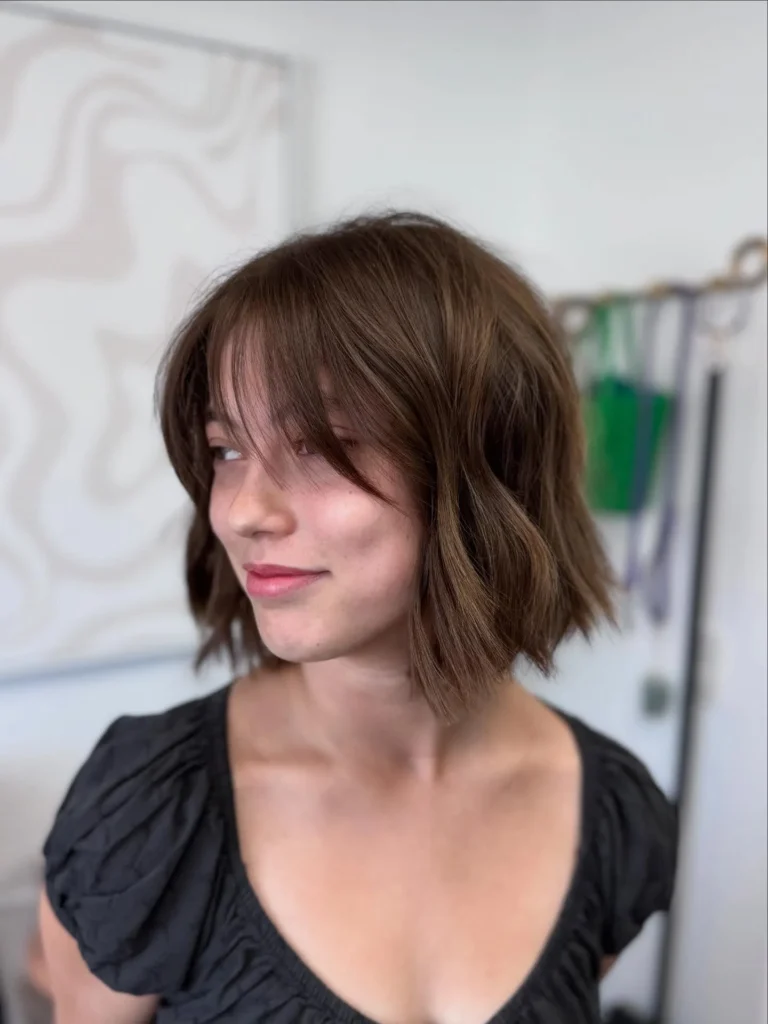
Source: robinbrostudio
The textured bob is all about creating an effortless, slightly undone finish.
Instead of perfectly even ends, the hair is cut using techniques that add softness and variation. This breaks up the shape just enough to make it look more relaxed and less structured.
One of the biggest advantages of this style is how easy it is to live with. It doesn’t rely on precise styling, which means it still looks good even on days when you don’t put in much effort.
Best for:
• Busy or low-maintenance routines
• Slightly frizzy or unpredictable hair
• Casual, everyday styles
8. Choppy Bob
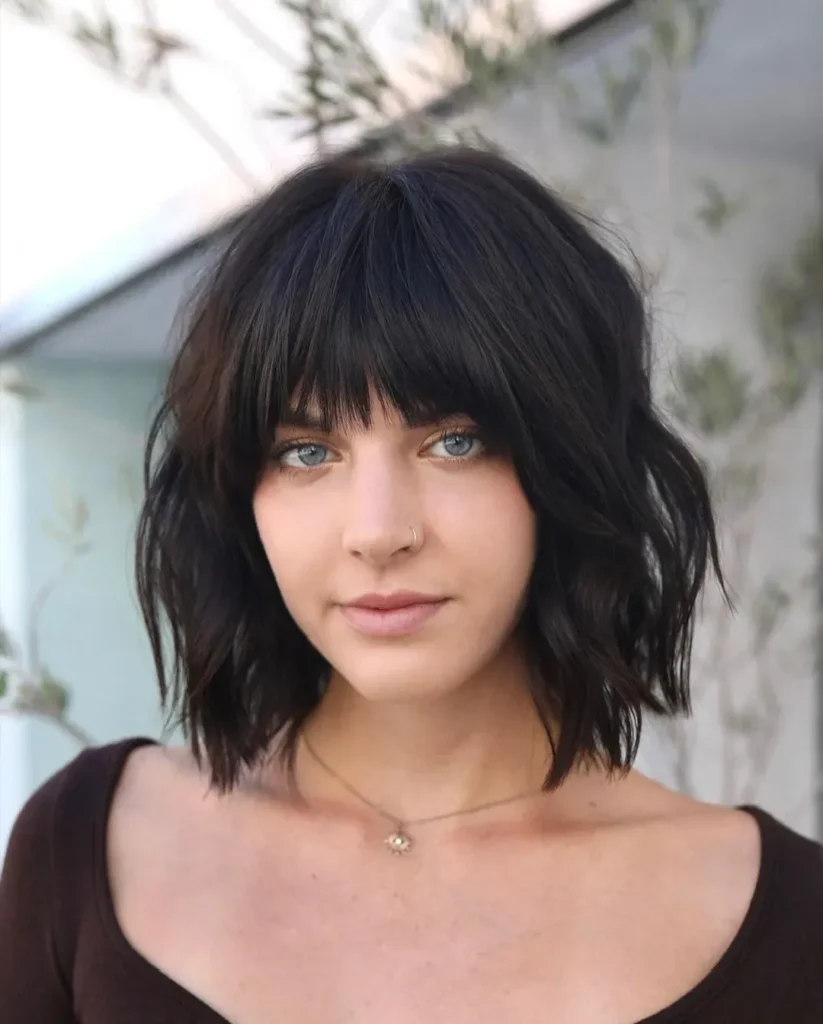
Source: hirohair
The choppy bob takes texture a step further by making the separation between strands more noticeable.
Instead of subtle softness, this style creates clearly defined, uneven sections that give it a more edgy and modern feel. It’s less about blending and more about contrast.
Styling products usually play a bigger role here, helping to highlight the individual pieces and enhance the overall shape. It’s not meant to look perfect, it’s meant to stand out.
Best for:
• Thick hair that needs weight removed
• Edgy or fashion-forward looks
• Those who like a more defined, piece-y finish
9. French Bob
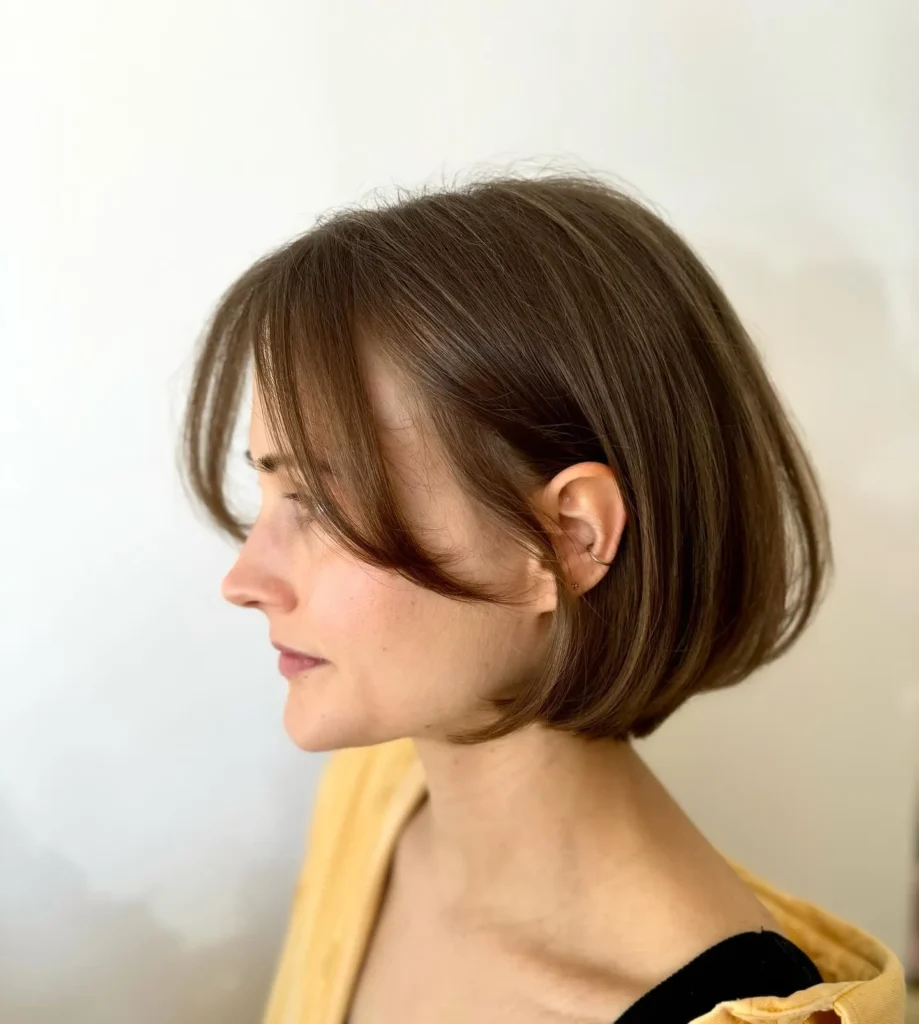
Source: hairartjenna
The French bob is shorter in length, typically sitting around the jawline or slightly above, and is often paired with soft, natural-looking bangs.
What sets this style apart isn’t just the cut, it’s the overall feel. It’s designed to look effortless, almost as if it falls into place on its own without much styling.
Because of its shorter length, it draws more attention to the face, especially the jaw and cheekbones. This makes it particularly flattering for more delicate or defined features.
Best for:
• Fine to medium hair
• People who prefer air-dried styles
• Short, low-effort looks with personality
Length-Based Bob Haircuts
These styles are defined more by how long or short they are rather than how they’re cut.
10. Long Bob (Lob)
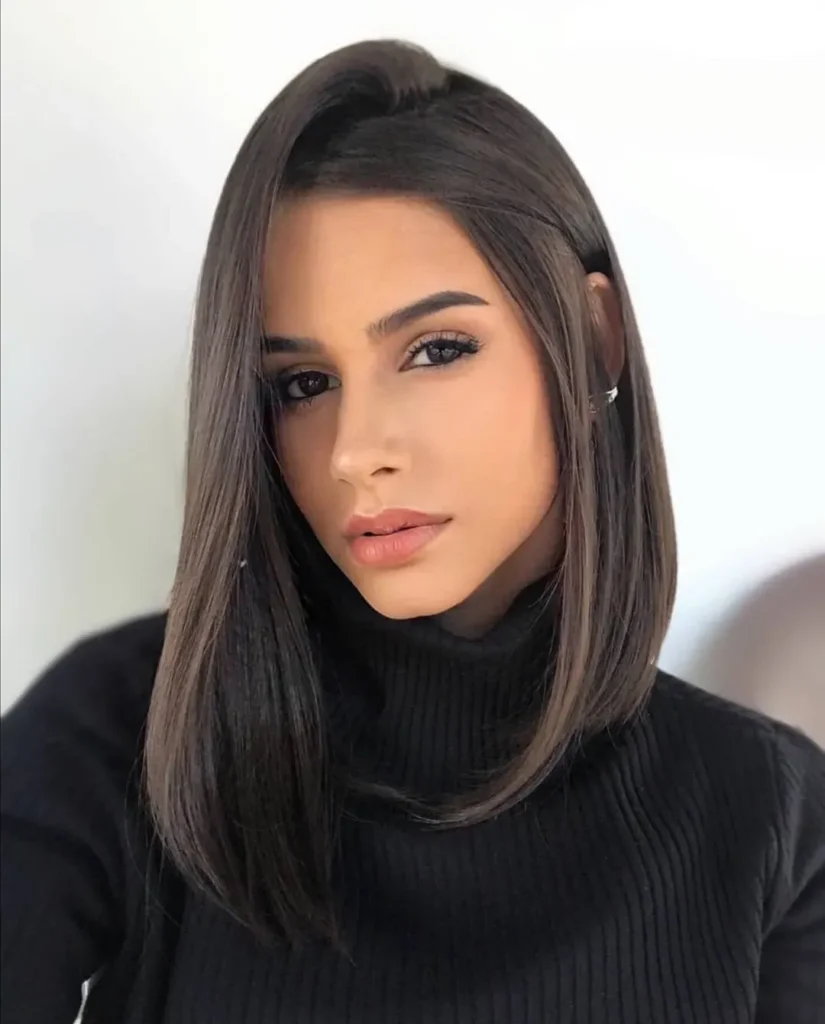
The lob sits around the collarbone and is one of the most versatile versions of the bob.
It gives you the structure of a bob without removing too much length, which makes it ideal if you’re unsure about going shorter.
It also offers more styling options you can still tie it back, curl it, or leave it natural.
Best for:
• First-time bob cuts
• All hair types
• People who want flexibility
Read More : 25 Best Long Bob Hairstyles for Photoshoots
11. Short Bob
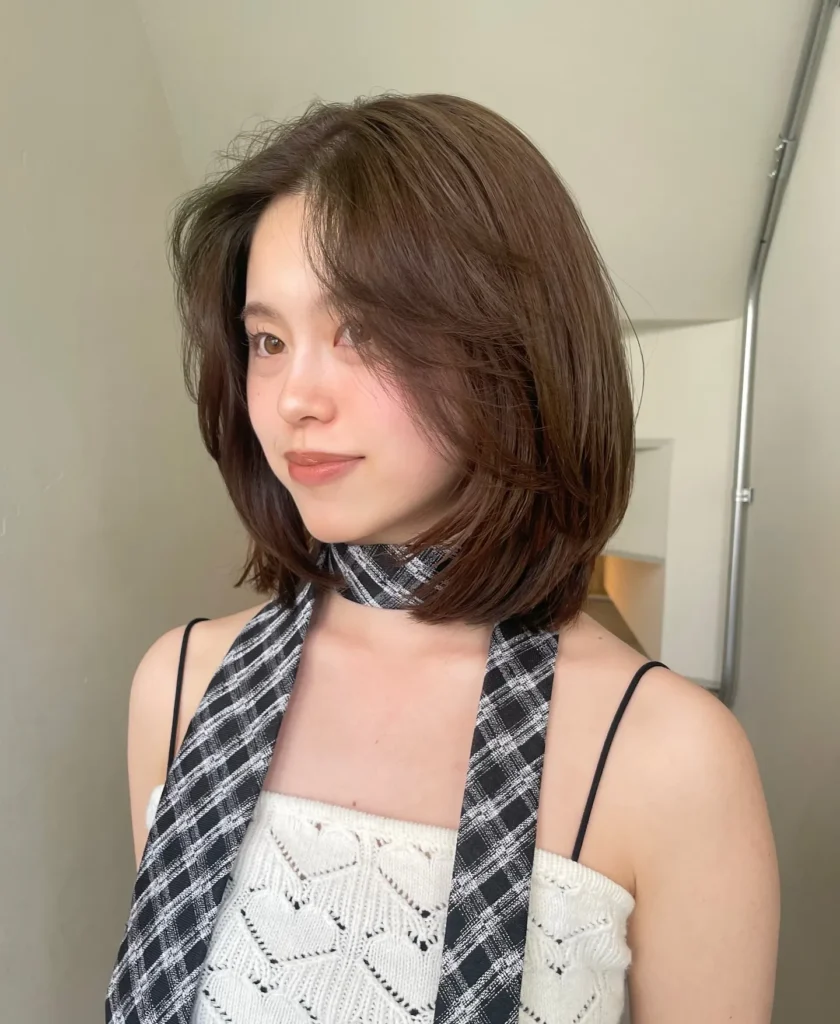
The short bob lands at or above the chin and creates a more open, defined look.
By exposing more of the neck and face, it shifts attention upward. It’s a simple change, but it can make the entire look feel fresher and lighter.
Best for:
• Warmer climates or seasons
• People who prefer minimal styling time
• Highlighting facial features
12. Micro Bob
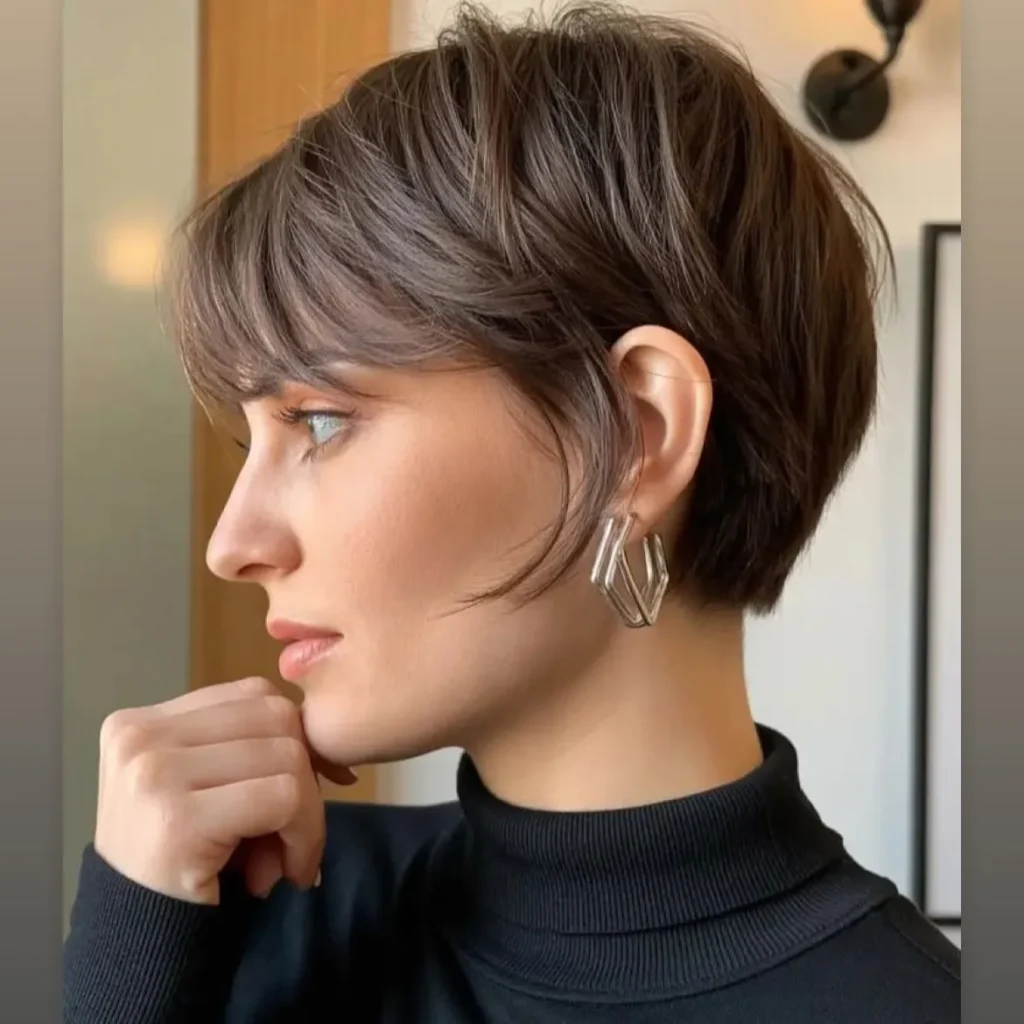
Source: dicas_de_cabeloscampinas
The micro bob is the shortest variation, often sitting above the jawline.
It’s a bold choice because it removes most of the length, putting full focus on the face. There’s very little to hide behind, which is why it works best when you’re confident in the look.
Despite its boldness, it’s surprisingly easy to style because there’s less hair to manage.
Best for:
• Strong or defined facial features
• People who want a statement look
• Very low daily styling effort
Texture-Specific & Styled Bobs Haircuts
These styles are shaped around how the hair naturally behaves or how it’s styled.
13. Curly Bob
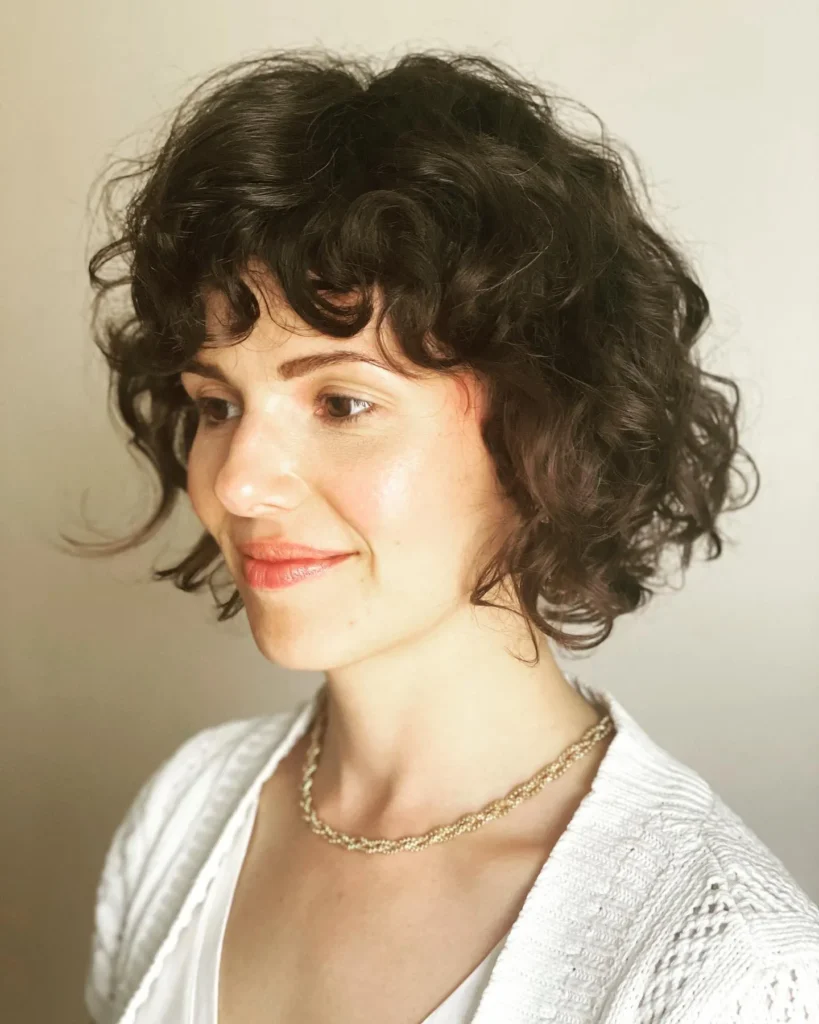
The curly bob is designed to work with natural curls instead of forcing them into a straight shape.
The goal is to remove excess weight so curls can form properly. When done right, it enhances bounce and definition rather than creating bulk.
Best for:
• All curl types
• Reducing heaviness in curly hair
• Enhancing natural texture
14. Wavy Bob
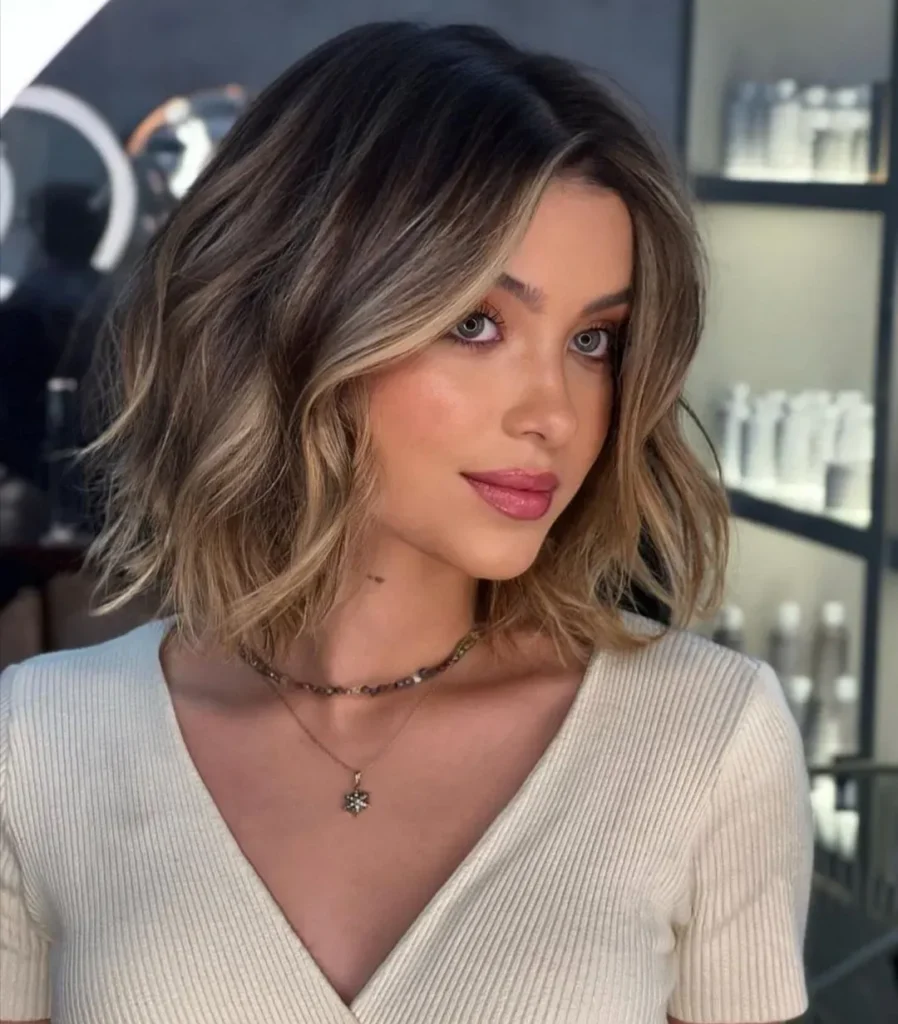
The wavy bob focuses on enhancing natural waves for a relaxed, effortless finish.
It usually includes light layering to help the waves move more freely, creating a soft, everyday look that doesn’t require much effort.
Best for:
• Naturally wavy hair
• Low-maintenance styling
• Casual, wearable looks
15. Italian Bob
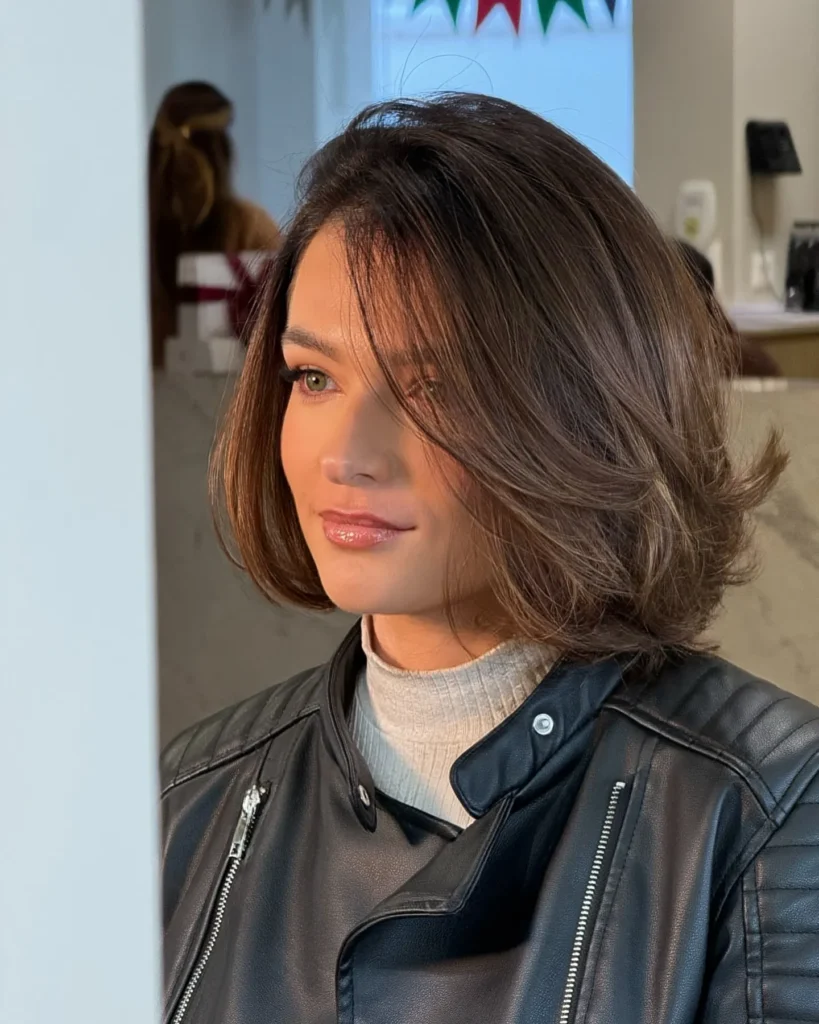
The Italian bob is defined more by styling than by the cut itself. The ends are curved inward, creating a rounded, polished shape.
This gives the haircut a more refined and structured finish, often associated with classic, elegant styles.
Best for:
• Smooth, styled looks
• Medium to thick hair
• People who don’t mind blow-drying
Read More : 25 Italian Bob Haircut Ideas for Everyday Glam
16. Asymmetrical Bob
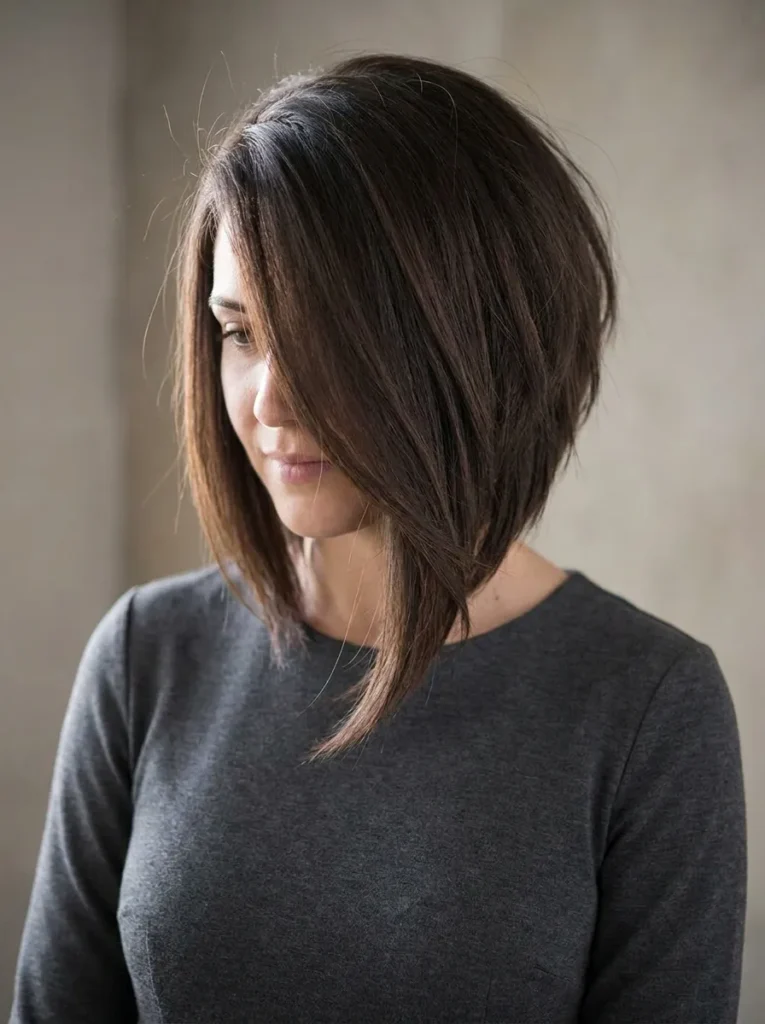
The asymmetrical bob features uneven lengths, with one side longer than the other.
This creates visual contrast and adds a modern, slightly edgy feel. It’s a strong style choice that stands out without needing extra styling.
Best for:
• Straight hair for clear shape
• People who want something different
• Regular salon maintenance
How to Choose the Right Bob for You
Not sure which one is for you? Here is a simple way to narrow it down:
Round face shape: Go for longer front pieces (A-line, lob, or graduated bob) to create the look of length.
Long or oval face shape: A blunt or classic bob at chin level adds width and balance.
Fine hair: Blunt cuts and stacked bobs (inverted or graduated) create the illusion of thickness.
Thick hair: Layered, textured, or choppy bobs remove bulk and add movement.
Curly hair: Always go for the curly bob cut dry. Layers help curls spring up properly.
Low maintenance lifestyle: Textured, choppy, or wavy bobs hide imperfection and rarely need heat styling.
High style lifestyle: Blunt, classic, or Italian bobs look sharp but need regular upkeep and styling.
Maintenance Tips for Any Bob
A bob that grows out loses its shape fast. Here is how to keep it looking great:
- Book a trim every 6 to 8 weeks no skipping
- Ask your stylist to show you how they style it before you leave
- Invest in a good blow dryer and a ceramic flat iron
- Use the right products texturizing paste for choppy bobs, shine serum for sleek bobs, diffuser spray for curly bobs
- Shorter bobs need trims every 4 to 5 weeks to stay sharp
Final Thoughts
The reason the bob continues to stay relevant is simple it adapts. There isn’t just one version that works; there’s always a variation that fits.
If you approach it with a clear understanding of your hair type, lifestyle, and preferences, you’ll end up with a cut that doesn’t just look good it actually works for you every day.
Read More : 23 Short Stacked Bob Haircuts for Instant Volume