21 Hairstyles for Thin Fine Hair Over 60 Looks
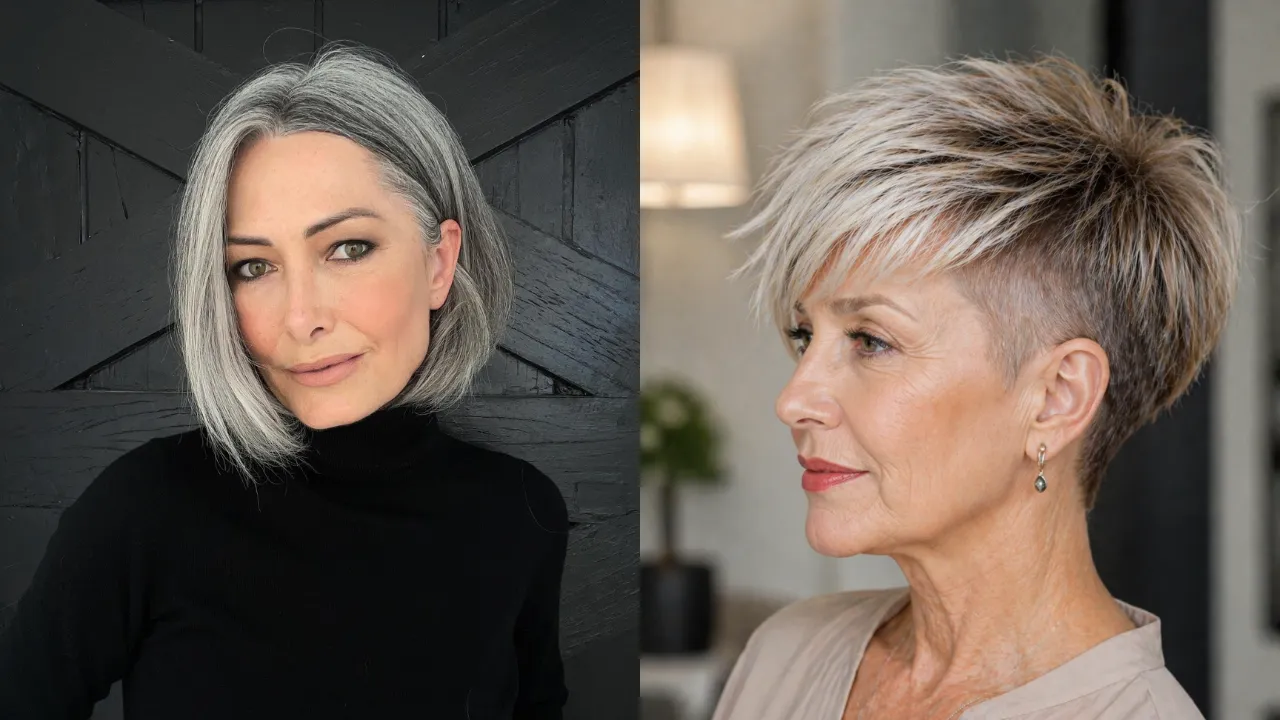
Tired of your hair falling flat by midday? You are not alone, and the right cut can change everything. These 21 hairstyles for thin fine hair over 60 are designed to bring back shape, lift, and a fresh look without complicated styling.
In my experience, small changes in length and placement can make a big difference in how hair behaves throughout the day. This guide brings together styles that help your hair stay light, balanced, and easier to manage.
Why Hair Changes After 60
As hair becomes finer with age, it often loses density, shape, and natural lift. Hormonal changes, dryness, and slower growth can make styles fall flat faster than before. That is why the right haircut matters more than simply following trends.
The best hairstyles for thin fine hair over 60 focus on creating shape, softness, and easy movement without needing heavy styling every morning.
How to Choose the Right Hairstyle for Thin Fine Hair Over 60
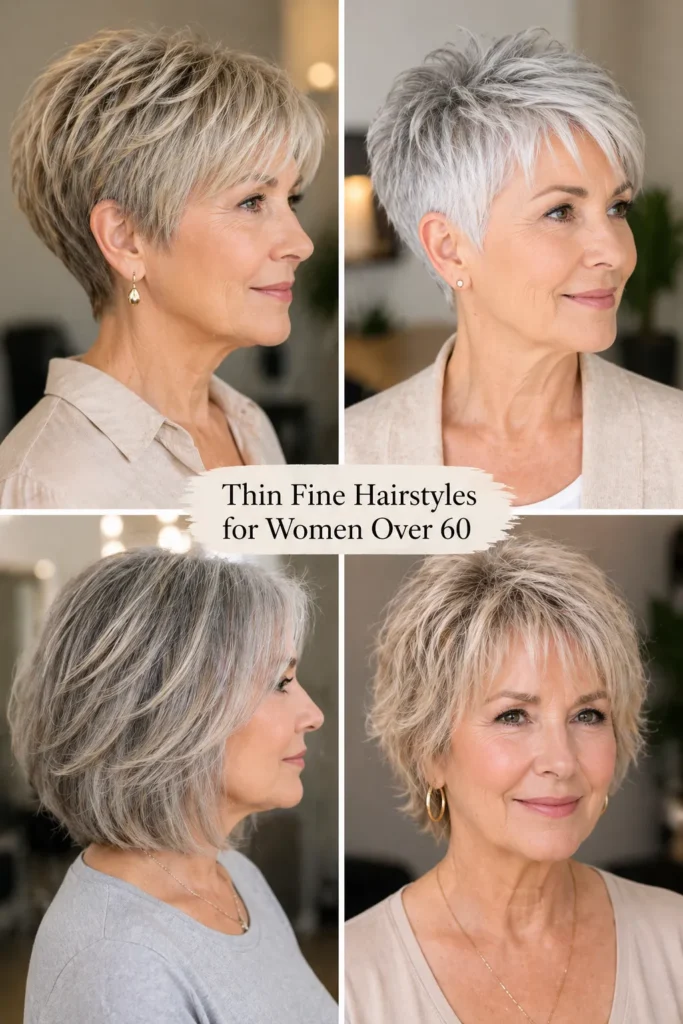
Before exploring the styles, it helps to understand what actually works for fine hair at this stage. The right haircut is not just about trends, but about how your hair behaves daily and how easily you can manage it.
- Choose shorter or structured cuts that support the shape instead of letting hair fall down
- Focus on styles that create lift at the top rather than adding weight to the ends
- Keep edges clean and defined to avoid a thin or uneven look
- Avoid heavy layering, as it can reduce density and make gaps more visible
With these basics in mind, here are styles that can truly improve how your hair looks and feels.
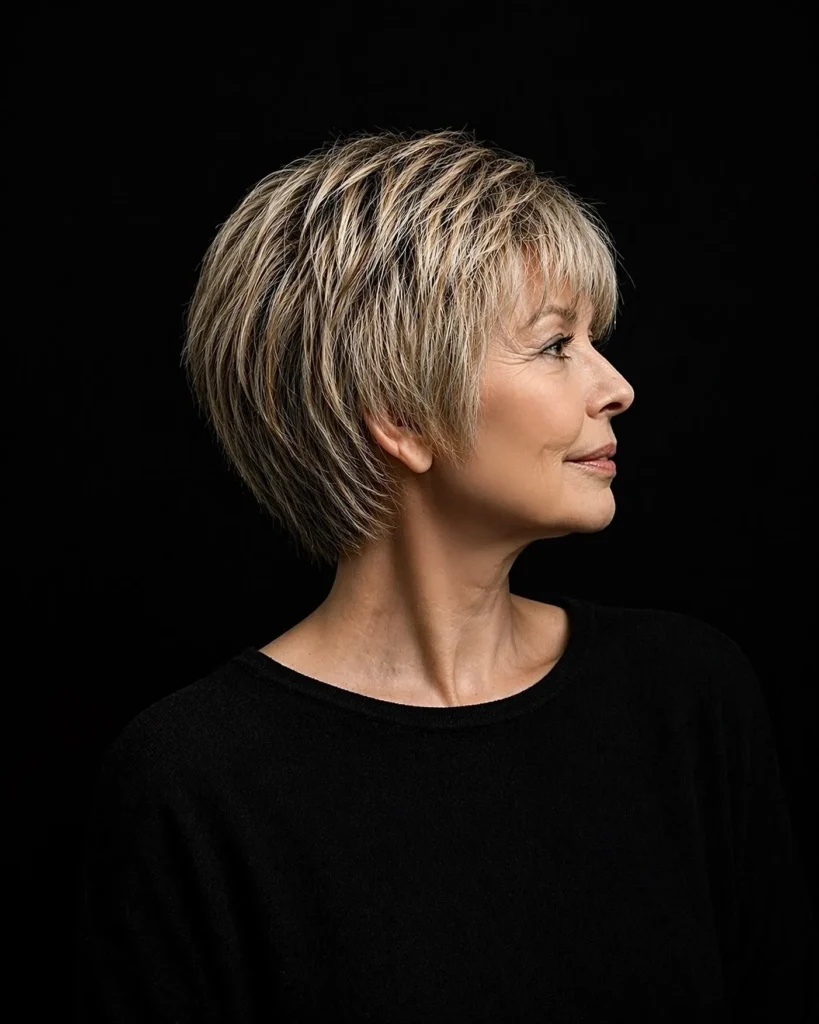
1. Layered Tapered Pixie Bob
Source: time4gio
If your hair drops quickly after styling, this shape changes that experience completely. Shorter length at the back with a gentle rise toward the crown helps strands stay in place, while the longer front keeps the face open without making the haircut appear heavy.
The back remains neat without being too tight, which prevents the haircut from looking harsh or stiff. The top area holds controlled lift, helping the hair hold better during the day without needing constant adjustment.
Ask your stylist to keep the transition smooth instead of sharp at the back. While drying, lift the roots gently at the crown using a round brush so the shape stays steady without looking stiff or overly arranged.
Read More : 25 Italian Bob Haircut Ideas for Everyday Glam
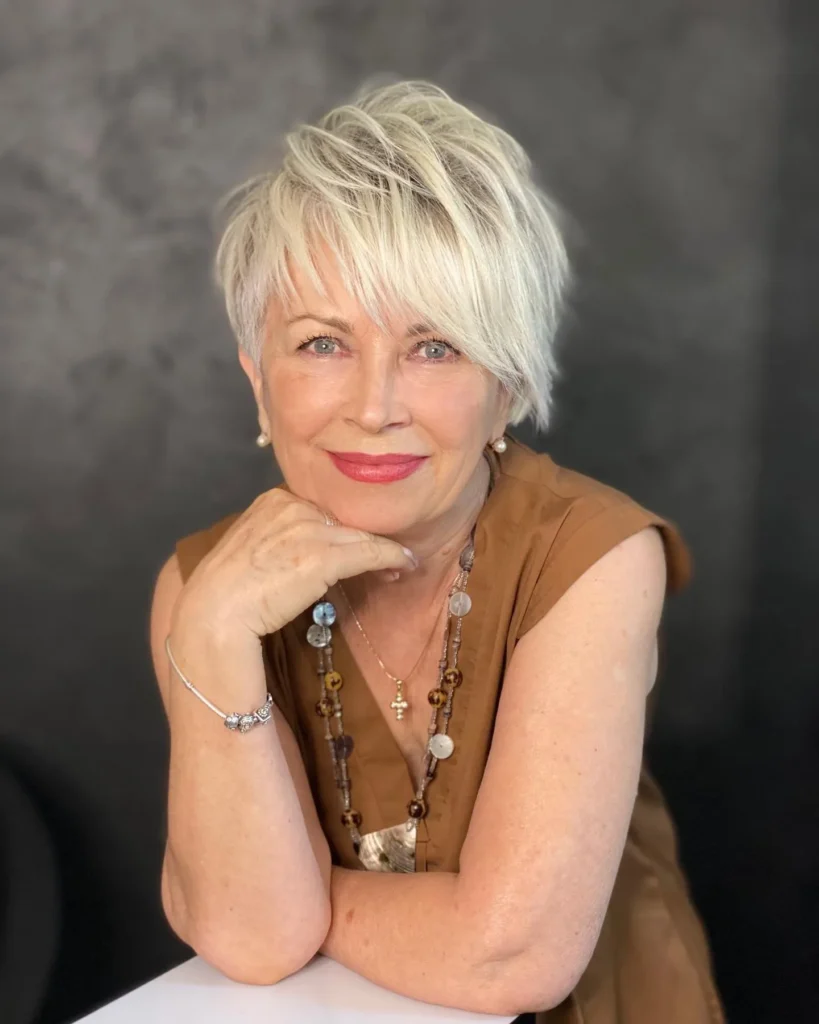
2. Side-Swept Textured Pixie
Source: vitosatalino_official
A deep side part can change everything, especially when hair lacks density. Shifting more hair to one side builds instant lift, while the other side stays closer, giving contrast that makes the haircut appear more balanced and visually interesting.
The front section falls across the forehead and naturally draws focus toward the eyes. It frames the face without crowding it, which works well when the goal is to keep the haircut light while still giving it clear direction.
Keep the front slightly longer so it can move easily during styling. A small amount of light cream helps guide the direction without making strands stick together or lose separation throughout the day.
3. Soft Rebel Pixie Cut
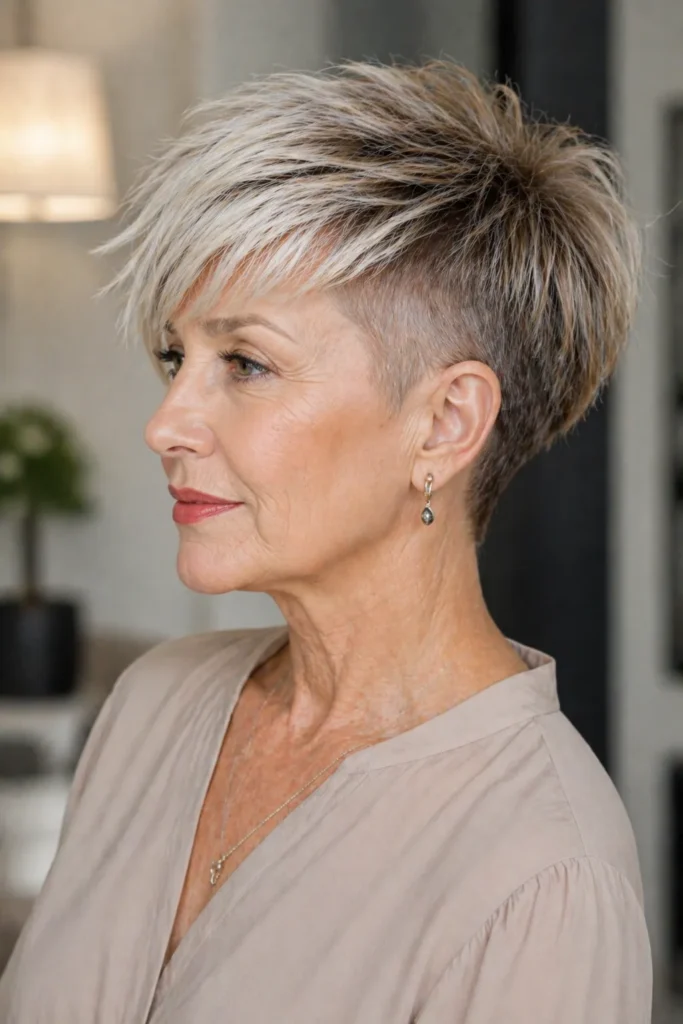
Not every haircut needs to stay perfectly in place, and this one proves it. A slightly undone finish helps thin hair look less exposed, giving it a more relaxed character without relying on heavy styling or strong structure.
The edges are kept loose rather than sharp, which allows the hair to sit naturally without forcing it into one position. This makes the haircut easier to manage and keeps it looking modern without extra effort.
Avoid brushing too much after styling because it removes the light separation in the hair. Let some strands stay where they fall and use a small amount of product only where needed to keep the shape steady.
Read More : 23 Short Shag Haircuts for Older Women That Glow
4. Soft Contour Bowl Pixie
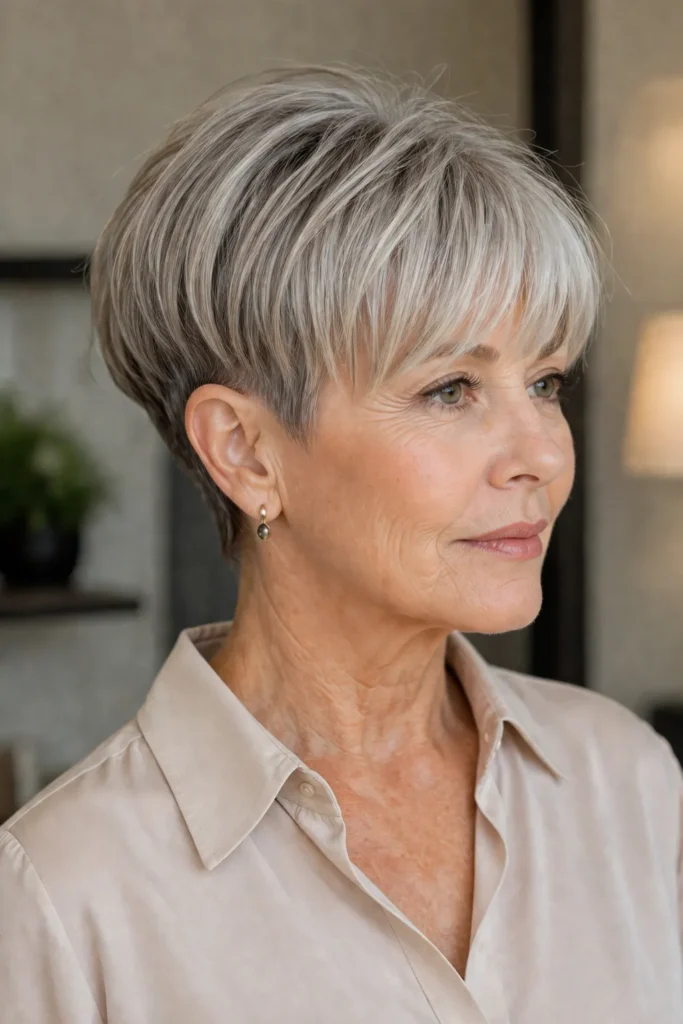
A rounded shape like this can quietly fix balance issues that show up with fine hair. The curve follows the head closely, helping strands stay in place instead of separating unevenly, while the shorter length keeps the haircut controlled through the day.
The front frames the face in a clean way and keeps attention around the eyes without adding weight. The even outline helps the haircut stay consistent, which is useful when hair does not hold shape easily.
Ask your stylist to soften the edges slightly instead of keeping them too blunt. While drying, use your hands instead of a brush to guide the curve so the shape stays natural and not overly stiff.
5. Halo Curl Textured Crop
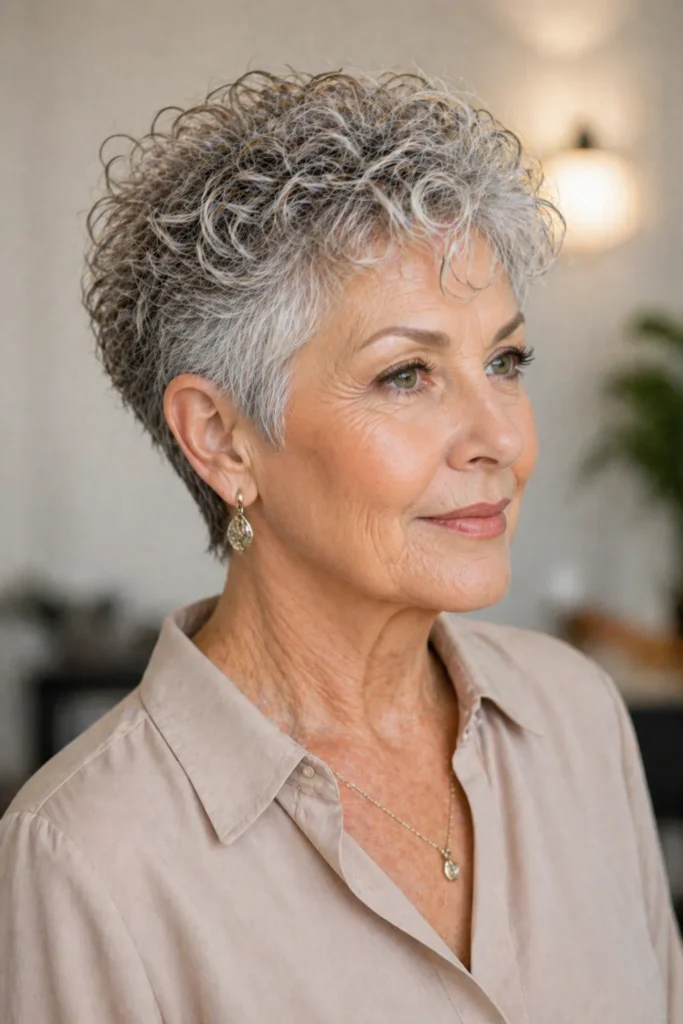
If your hair shows gaps near the top or sides, this shape handles it quietly. Rounded curls placed close to the head help cover uneven density, while the compact structure keeps everything in place without needing extra length.
The curl pattern spreads evenly, which helps reduce visible gaps across the head. It works well where density changes, especially near the sides and upper areas where hair can appear less consistent.
Use a light curl product and let the hair dry without touching too much. Less handling helps the curls stay in place and keeps the overall shape clean instead of breaking apart during the day.
6. Feathered Pixie
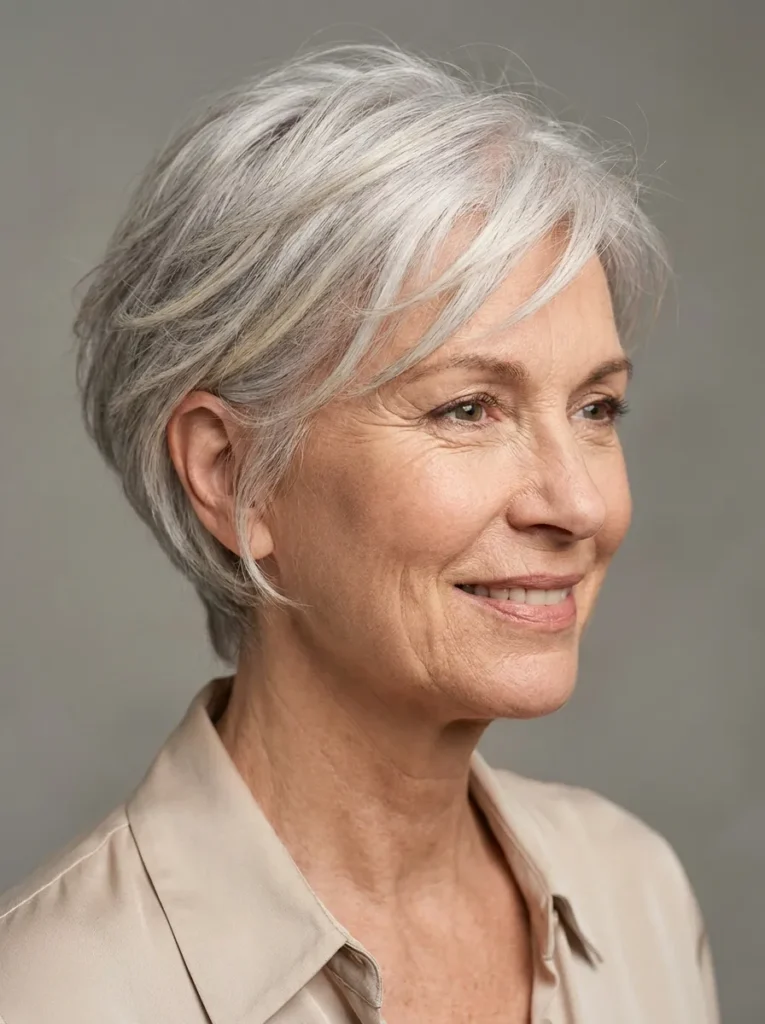
Some cuts rely on length, but this one works through light shaping instead. Feathered ends allow strands to sit in small sections, which prevents the hair from pressing close to the scalp and helps it stay slightly raised.
The upper part carries slight height while the sides remain controlled, keeping the overall shape balanced. The haircut stays simple, yet the detailing makes the hair appear more active without needing strong styling.
Use a small round brush to lift the top while drying, but avoid pulling too much. Too much tension can remove the light separation that keeps this haircut looking fresh and easy to maintain.
7. Effortless Lift Pixie
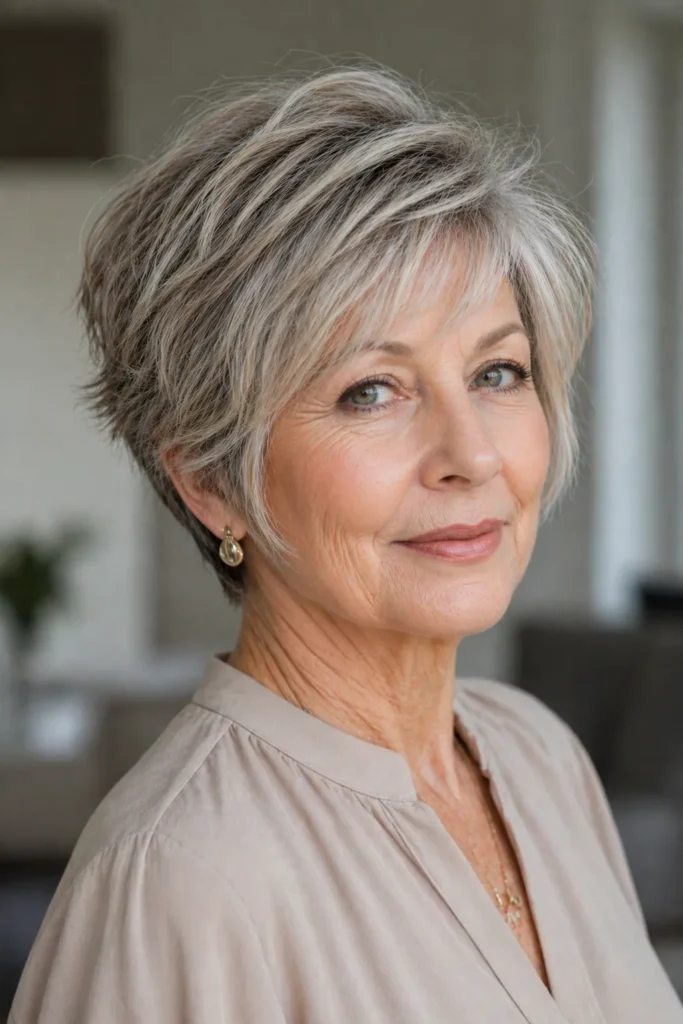
If your hair drops quickly after styling, this haircut changes how it behaves during the day. Short length with controlled lift at the top helps strands stay raised, while the sides remain neat, giving a balanced and easy shape.
The upper section holds gentle height, which keeps the haircut from losing its form after a few hours. The contrast between the top and sides helps the style stay clear without needing strong styling or constant fixing.
While drying, lift the roots lightly using fingers or a small brush to support the shape. Use only a small amount of product on the top so the hair stays light and does not lose its lifted finish.
8. Tousled Shaggy Bob
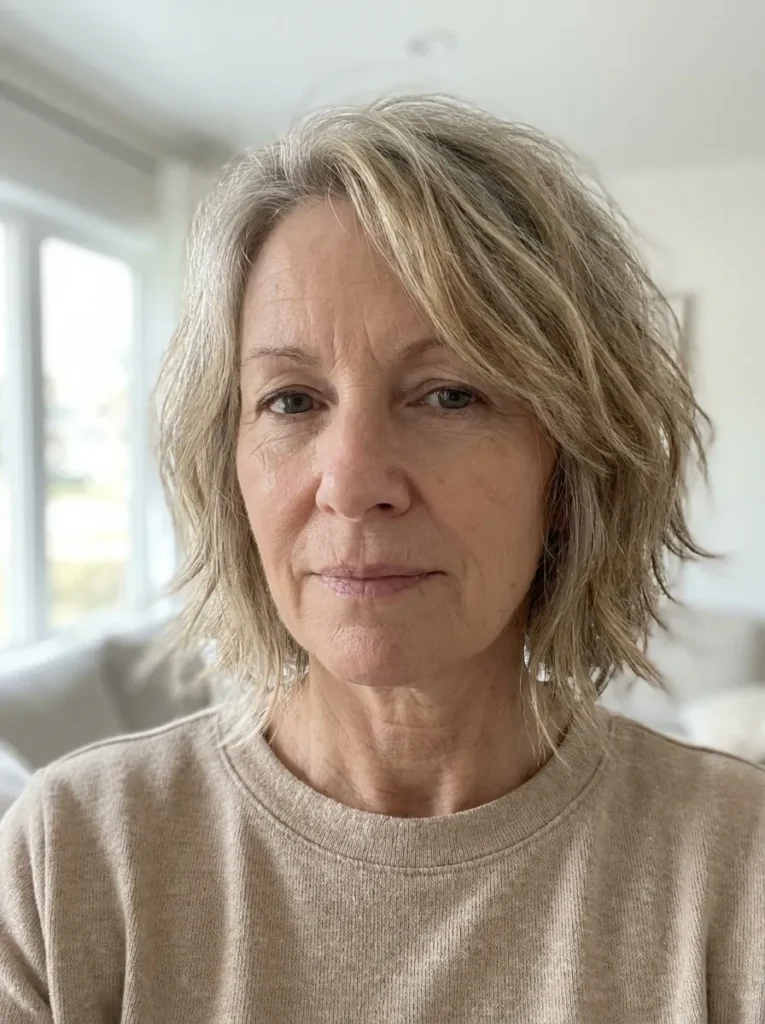
Not every haircut needs to sit neatly to work well. This one uses a slightly undone finish, allowing strands to fall in different directions, which helps reduce the appearance of thin sections without relying on heavy styling.
The uneven ends break straight lines and stop the hair from forming a flat outline. That small shift makes a big difference, especially when hair tends to lose shape after a few hours.
Dry the hair using your fingers instead of a brush so the relaxed pattern stays in place. A small amount of light cream can help hold the shape without making strands stick together.
9. Graduated Stacked Bob
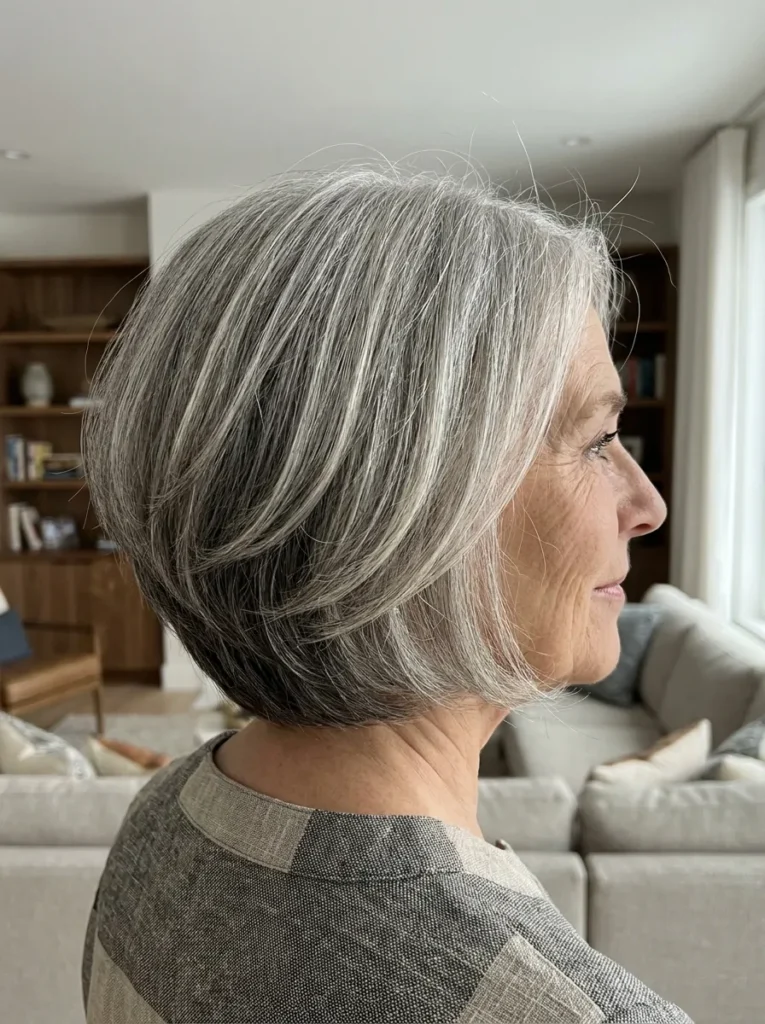
This haircut builds support from the back instead of relying on surface styling. Shorter sections at the nape create height, while the front stays longer, which keeps the face framed and the overall shape balanced.
The structure holds well through the day because the weight is placed correctly during the cut. This makes it easier to maintain without needing constant adjustment after styling.
Keep the angle smooth from back to front so the shape stays even. While drying, lift the roots at the crown gently to maintain height without making the hair look stiff or overworked.
10. Side-Parted Lifted Bob
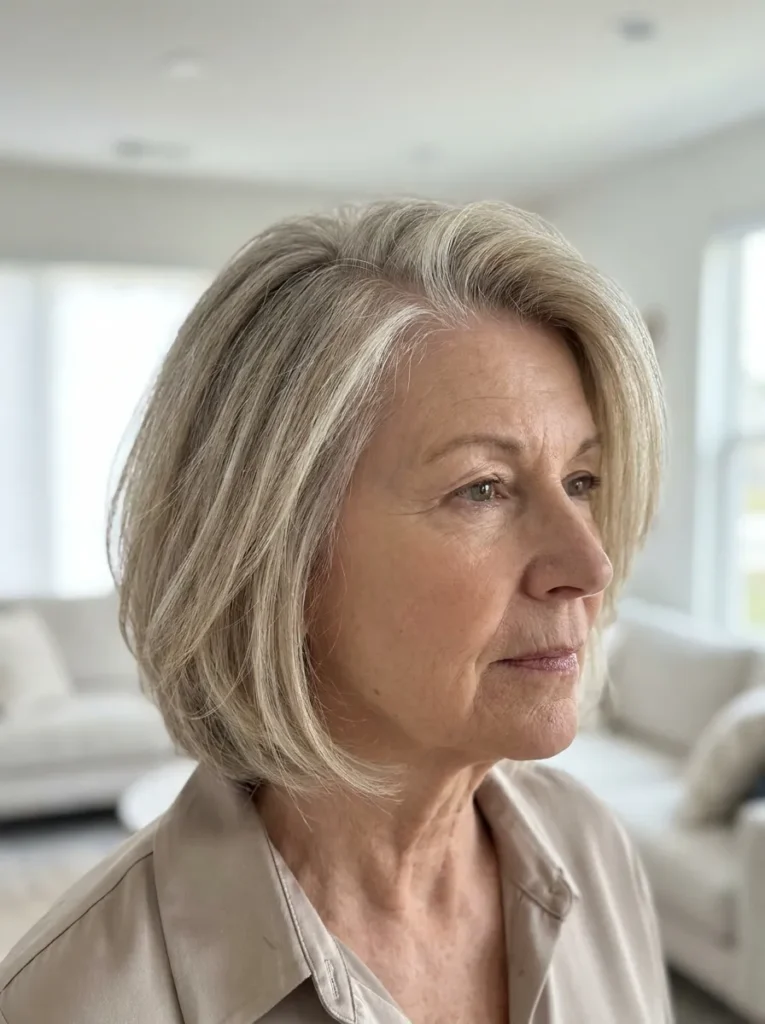
A deep side part changes how the hair falls and helps create lift near the roots without adding weight. One side appears fuller while the other stays closer, giving balance and helping the shape stay away from the scalp during the day.
The length sits around the jaw or slightly below, which keeps the shape controlled and easy to manage daily. The front area frames the face and brings attention upward, helping the overall haircut appear more structured.
Blow dry by lifting the roots on the heavier side to keep the height in place throughout the day. Avoid applying too much product near the roots, as it can weigh the hair down and reduce the lifted effect.
11. Soft Layered Lob
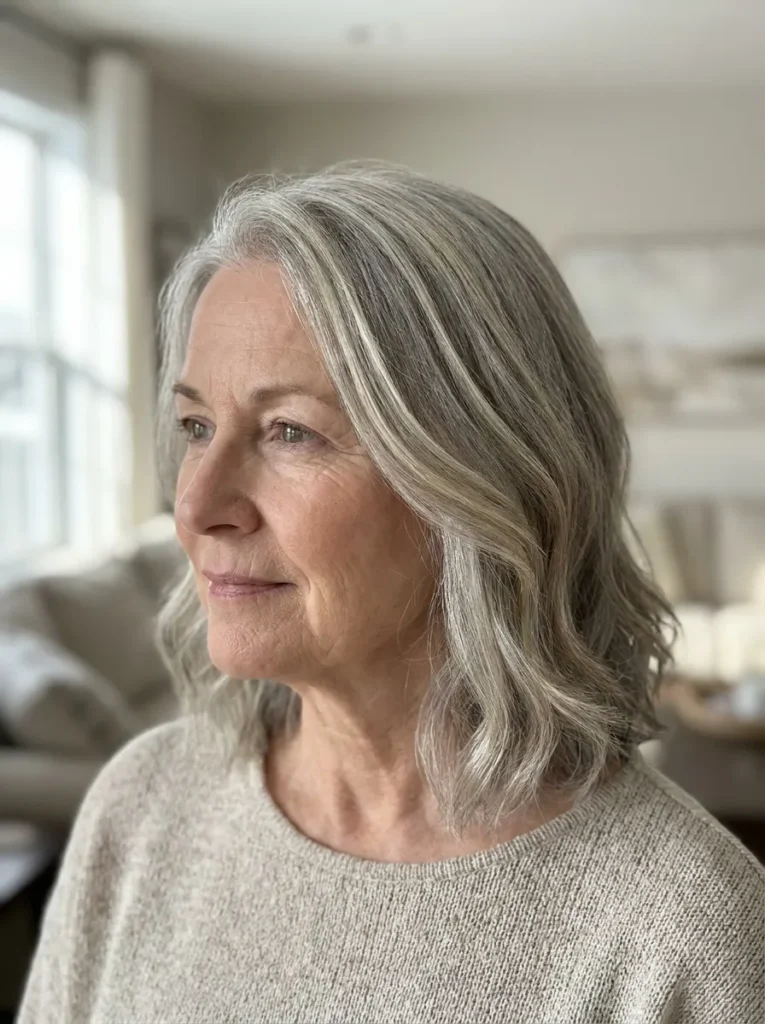
A longer length with light shaping through the ends helps fine hair keep some fullness while still allowing slight variation. The hair does not sit flat, and the length offers more styling options without making the strands appear thin.
The front blends smoothly into the rest of the hair, which keeps the shape even from different angles. It works well for those who prefer keeping some length while still needing support near the crown area.
Trim the ends regularly to prevent thinning at the bottom, as longer hair can lose form over time. A light blow dry with a round brush helps maintain volume without making the haircut look too arranged.
12. AirLift Feather Pixie
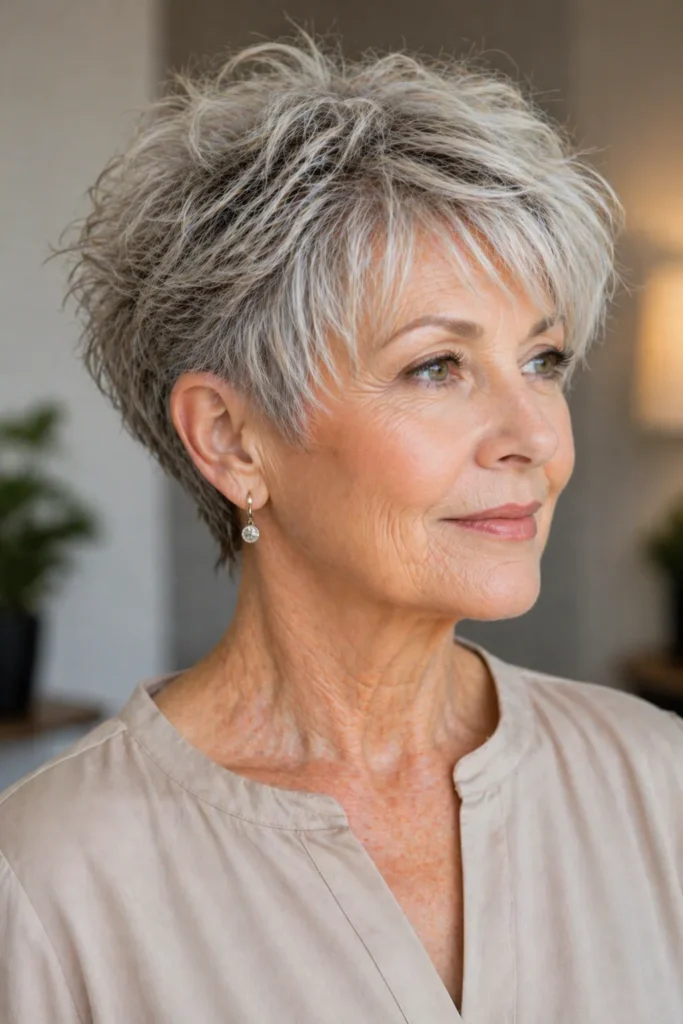
Short length with light feathered ends helps the hair stay lifted instead of sitting close to the scalp. The top carries most of the height, which supports the rest of the haircut and keeps the shape steady during the day.
The sides remain neat while the top stays slightly raised, creating balance without sharp contrast. This makes the haircut easy to maintain while still making the hair appear more evenly distributed.
Use a light styling product and focus only on the top area while shaping the hair. Avoid applying product near the sides, as it can make the hair look heavy and reduce the lifted effect at the top.
13. Soft Stacked Bob
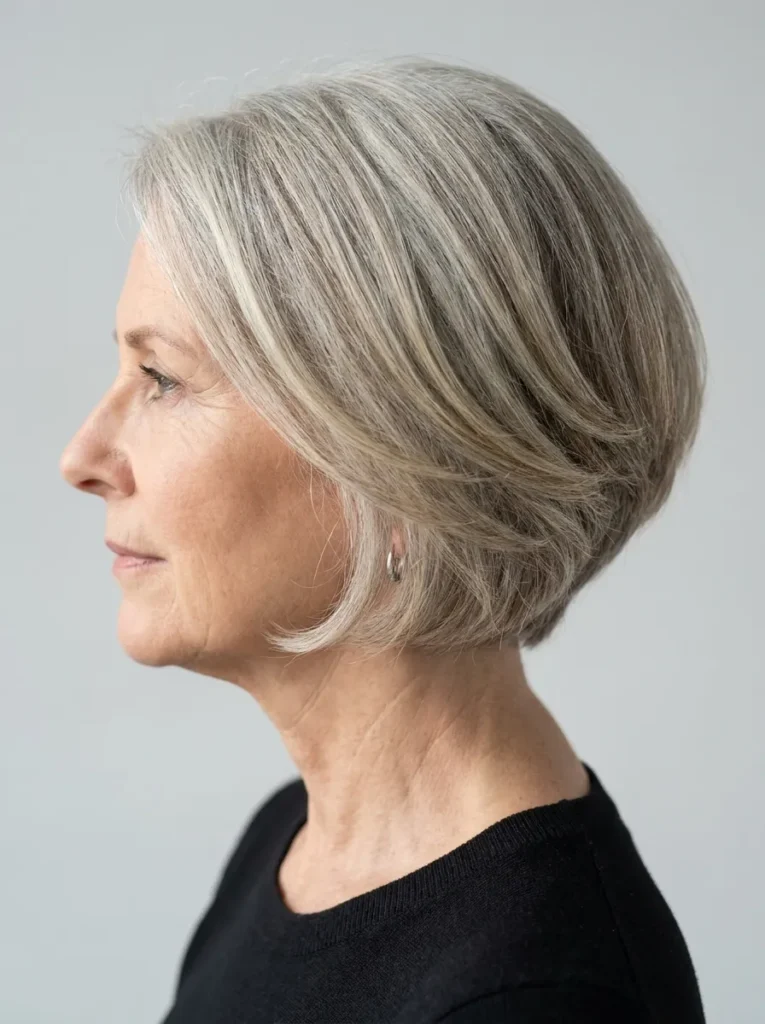
If the back of your hair loses shape quickly, this cut helps maintain structure longer. Stacking at the nape builds support, while the front stays slightly longer, keeping the face open and the overall shape steady.
The back gains more body because of the gradual build, which improves how the haircut holds. The front keeps a smooth line, making the style easier to manage and keeping it balanced from different angles.
Keep the stacking gentle instead of too tight so the shape stays easy. While drying, lift the roots slightly at the top area to maintain height without making the hair look stiff or overworked.
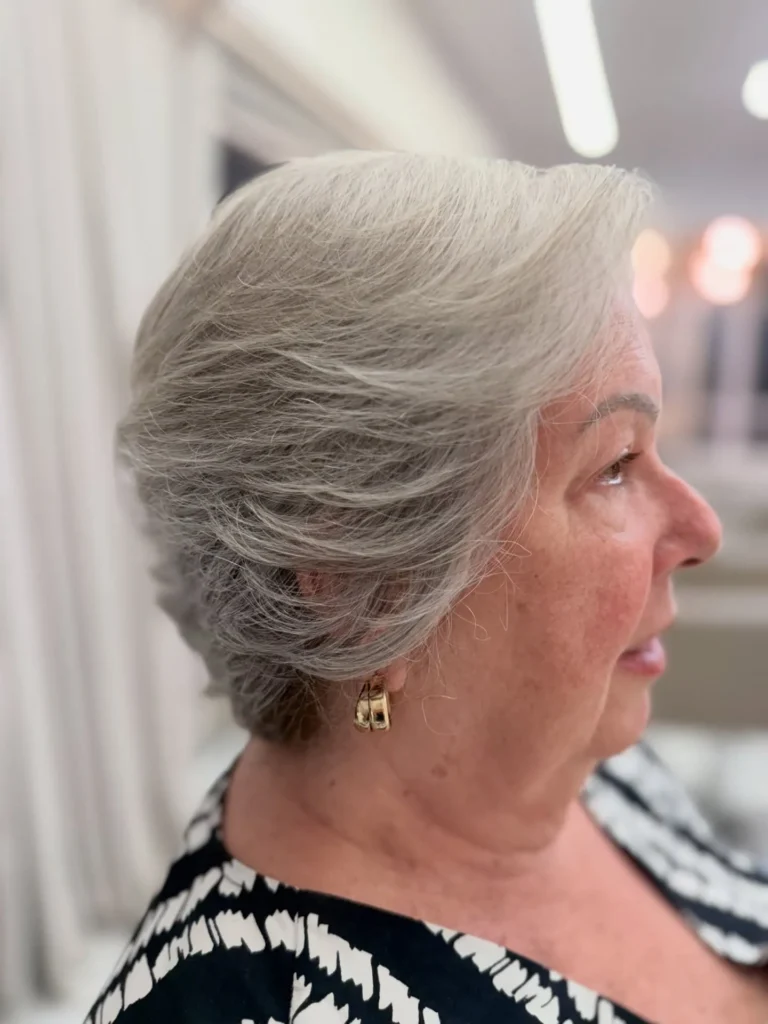
14. Feathered Classic Short Layers
Source: vivianebarcelostc
Short length combined with feathered ends helps the hair fall into light sections instead of sitting close to the scalp. This helps the hair look more evenly spread and keeps the shape from appearing too heavy or too thin.
The haircut keeps a simple outline, but the detailing inside the cut helps the hair stay active. It works well for daily wear and does not need much effort to maintain or adjust.
Use a light blow dry and avoid heavy products that can weigh the hair down quickly. Keeping the ends light helps the haircut stay fresh and prevents the shape from losing its form after a few hours.
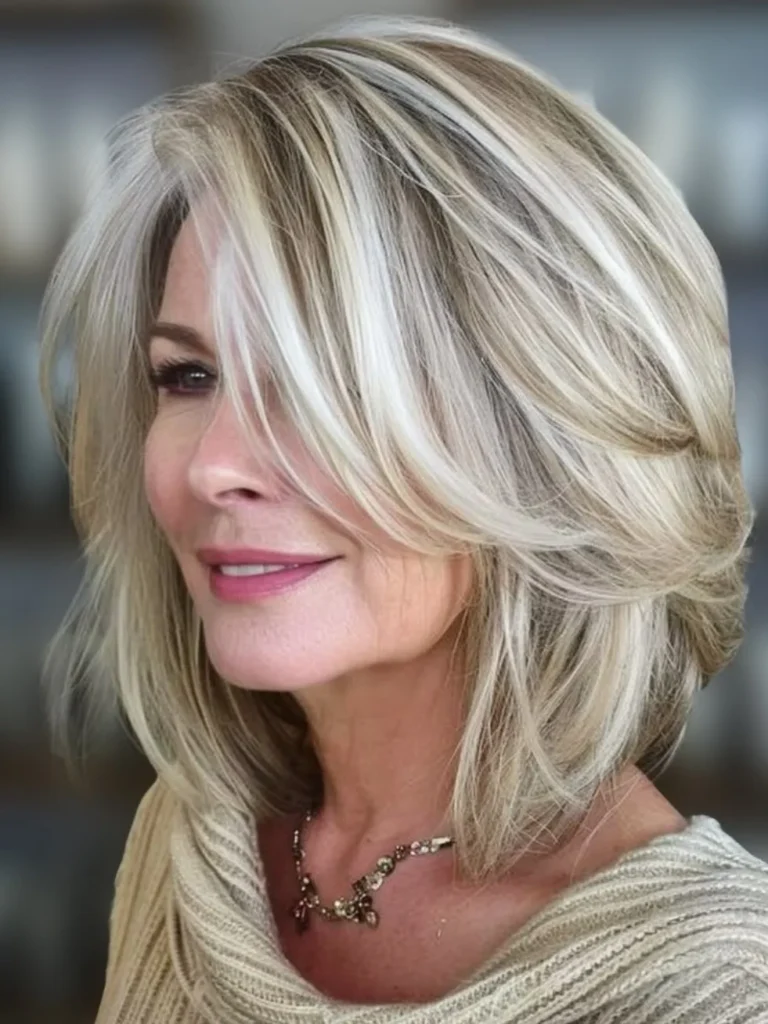
15. Layered Shoulder-Length Blowout
Source: jjuniorsb
Keeping the length around the shoulders helps maintain fullness while still allowing styling flexibility. The shape supports the ends so they do not appear too thin, which can happen when fine hair grows longer without proper shaping.
The front sections blend into the length smoothly, giving a balanced finish that frames the face without sharp lines. This helps the haircut stay neat while still offering slight variation through the length without making it uneven.
During blow drying, use a round brush to lift the roots gently and guide the ends inward. Avoid too much heat on the ends, as it can make them appear thinner and reduce the overall fullness of the haircut over time.
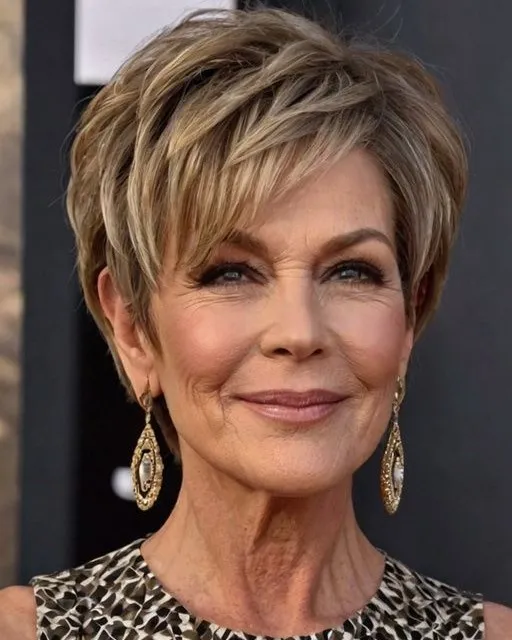
16. Voluminous Textured Pixie Cut
Source: shorthaircutwomen
Short length with lifted roots helps fine hair stay lifted instead of settling close to the scalp. The upper section carries most of the height, which supports the rest of the haircut and keeps the shape fuller throughout the day.
The top area shows slight separation between strands, which helps break flat sections and improves overall fullness. The sides stay close to the head, allowing the upper part to stand out and carry the main volume.
While drying, lift the roots gently using fingers or a brush to build height at the crown. Avoid heavy creams or oils, as they can reduce lift and cause the hair to fall flat soon after styling is done.
17. Sleek Blunt Silver Bob
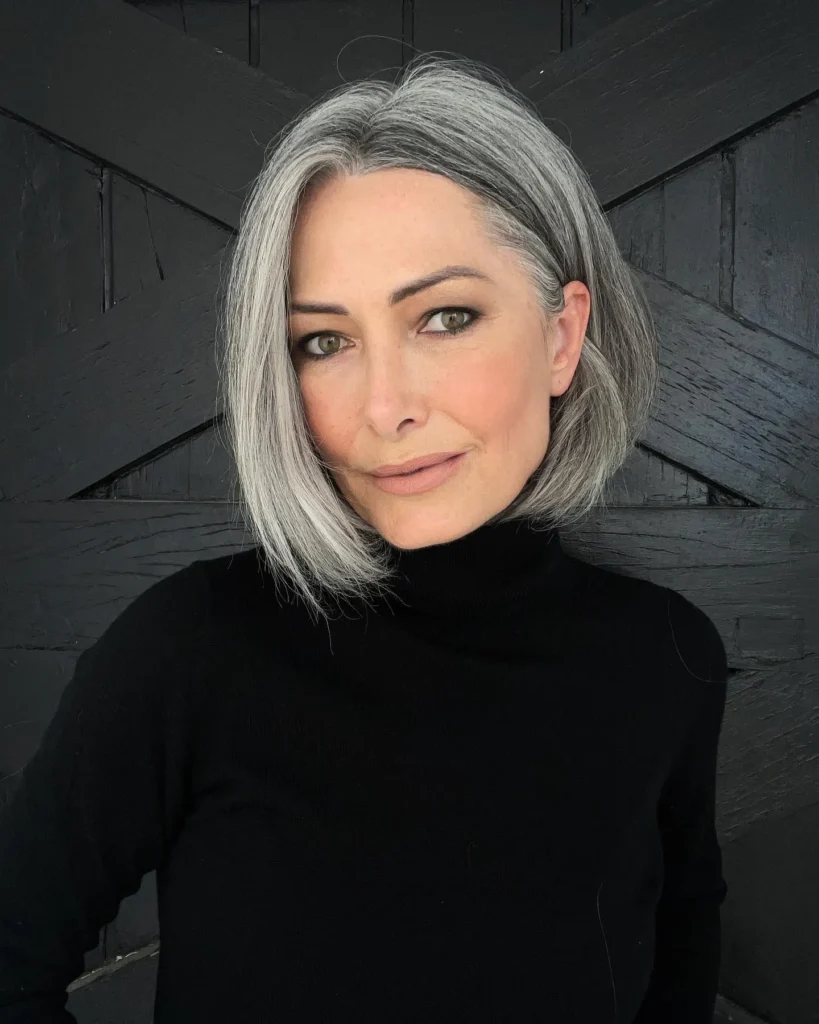
Source: thesilverlining_1970
Even length around the ends helps fine hair appear thicker and more solid from every angle. The straight edge builds a strong base, which reduces the appearance of thin or uneven sections and keeps the haircut looking fuller through the day.
The smooth finish keeps everything controlled and easy to manage without needing much effort. It works especially well with silver tones, as the light reflection adds depth and helps the hair look more consistent across the length.
Use a flat brush while drying to keep the hair smooth and aligned. Avoid thinning the ends too much, because a fuller edge supports the shape and helps maintain a thicker appearance without needing extra styling during the day.
18. Layered Medium Feathered Cut
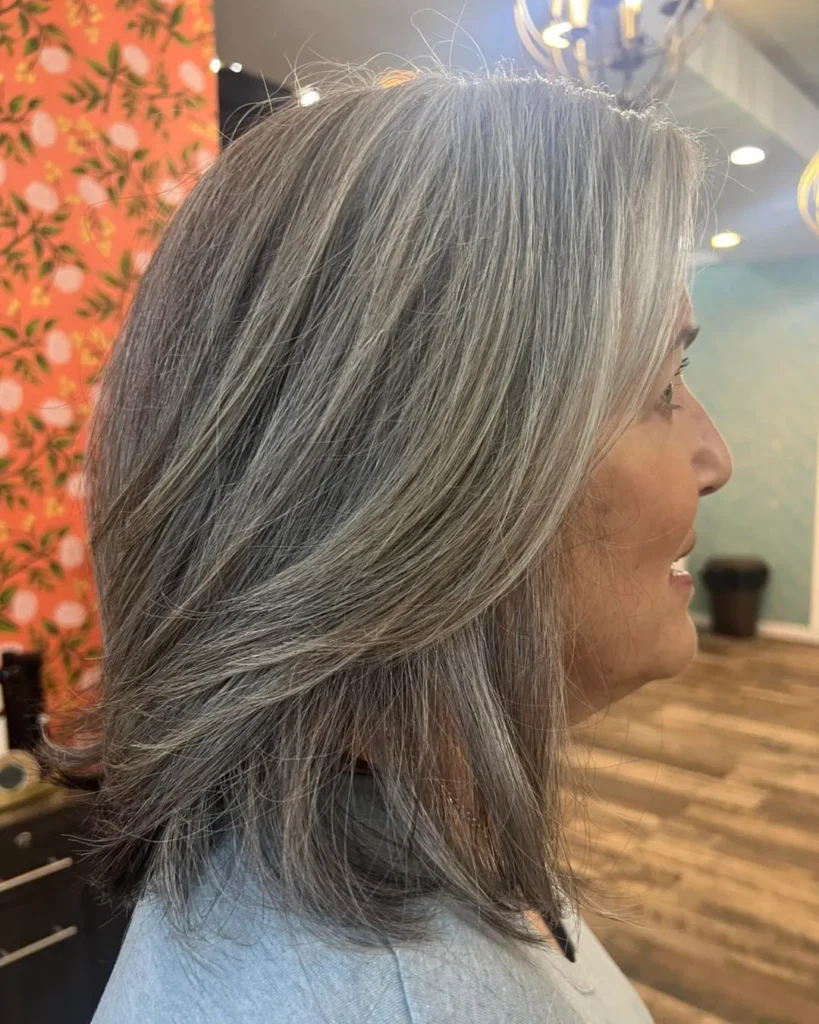
Source: blondefaithsalon
Medium length helps keep enough body in the hair while still allowing shape through the ends. The hair falls in light sections instead of sitting close to the scalp, which helps strands spread more evenly across the shape.
The front blends smoothly into the rest of the haircut, which keeps the overall shape balanced. It frames the face without sharp lines and works well for those who want something simple with slight variation.
While styling, guide the ends slightly outward using a brush to keep the shape open. Avoid using too much product, as it can weigh the hair down and reduce the shape.
19. Soft Curly Classic Crop
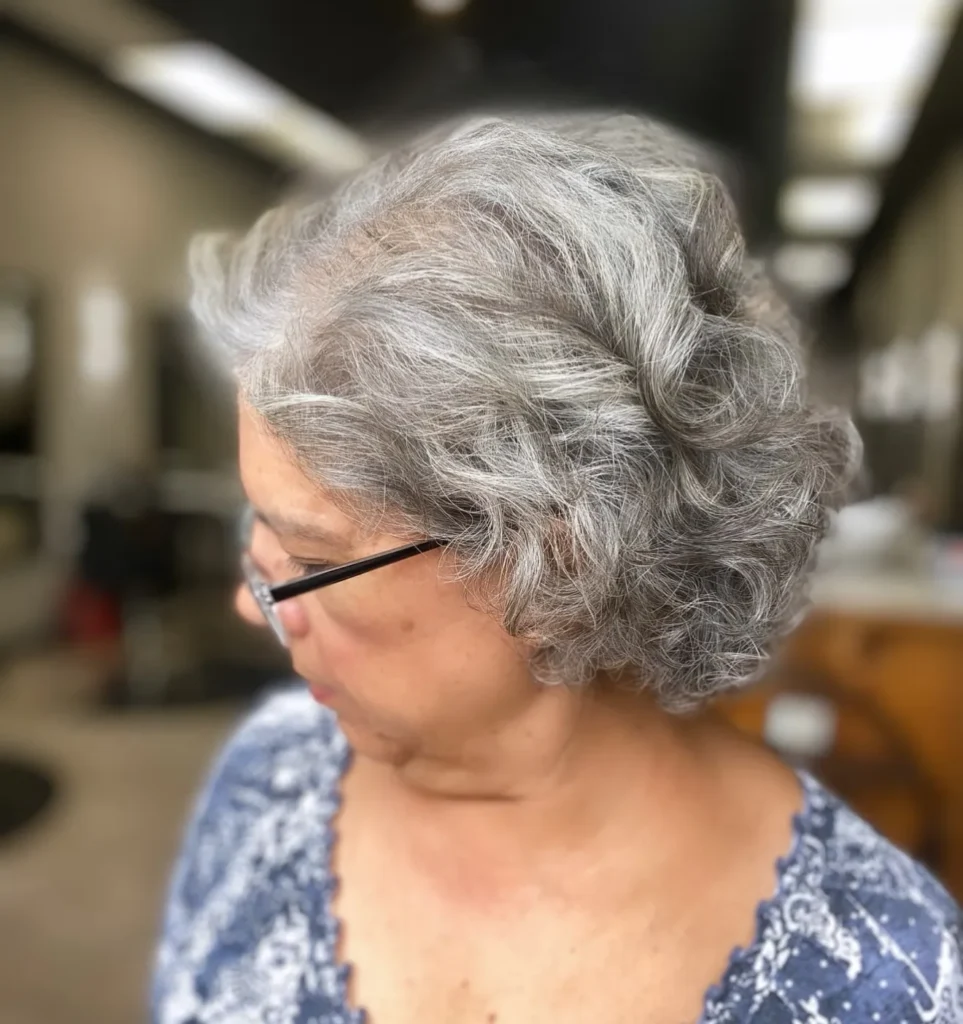
Source: veronicadarlingbeauty
Short curls sitting close to the head help reduce the look of sparse areas without needing extra length. The rounded shape supports the upper area, which keeps the haircut balanced through the day.
The curl pattern spreads evenly, which helps manage uneven density across the head. It works well near the sides and top where hair may appear thinner.
Use a light curl cream on damp hair and allow it to dry naturally without too much touching. Less handling helps keep the curls in shape and prevents frizz during the day.
Read More : 25 90s Hairstyles That Never Go Out of Style
20. Stacked Tapered Pixie Bob
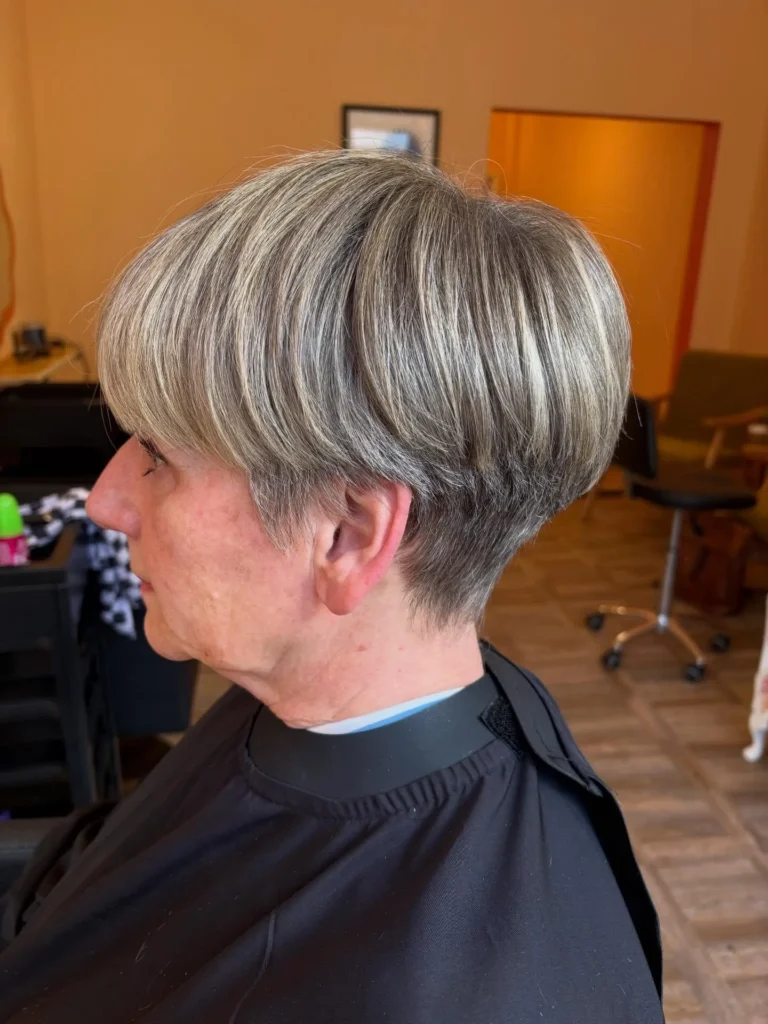
Source: base9eastgate
Short tapering at the back builds height while keeping the neckline clean and controlled. The top holds the main lift, which supports the rest of the haircut and prevents the hair from settling too close to the scalp.
The front stays slightly longer, which helps frame the face and keeps the shape balanced from front to back. This makes the haircut look more supported without needing extra thickness.
Ask your stylist to keep the transition smooth from back to front so the shape stays even. While drying, lift the roots gently to maintain height and avoid using heavy products.
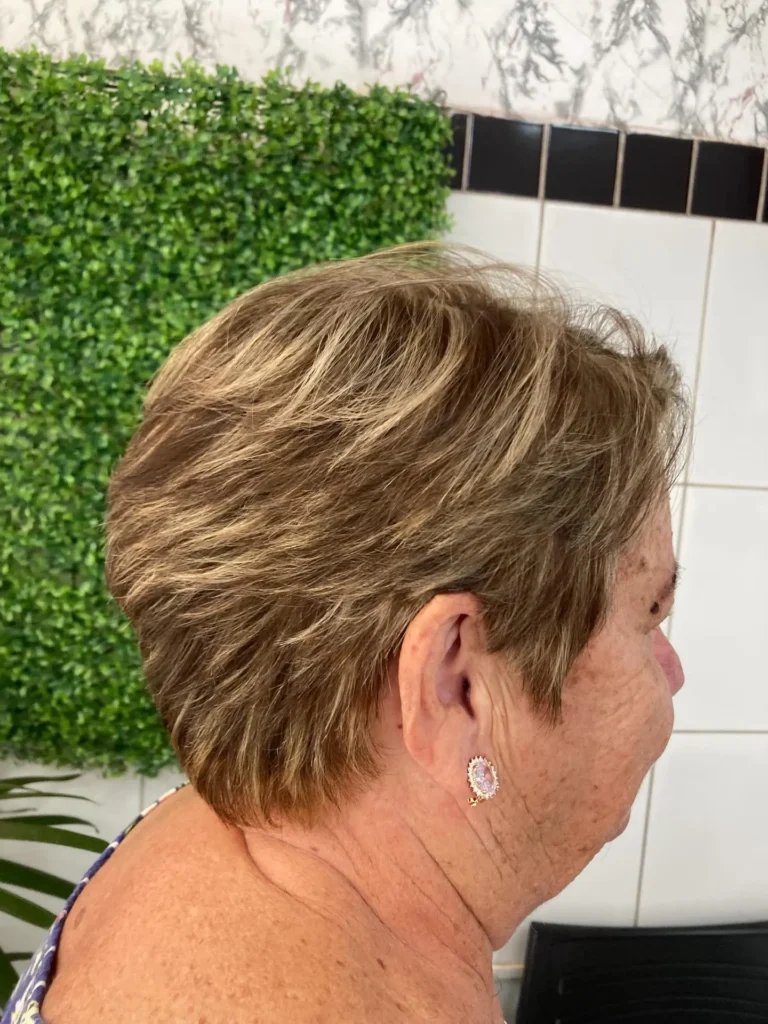
21. Soft Tapered Short Crop
Source: fsalaotoque
A short tapered shape helps fine hair sit neatly while still keeping slight height at the crown. The back remains close to the head, while the top carries enough lift to prevent the haircut from settling too close to the scalp.
The clean outline keeps the haircut simple, but the slight variation in length adds interest. It works well for daily wear and does not require much effort to maintain throughout the day.
Use a small amount of styling product only on the top area to hold the shape. Avoid applying product near the roots at the sides, as it can reduce lift and make the haircut appear flatter than intended.
Hair Type Styling Guide
Before choosing a style, it helps to understand how your natural pattern responds to different cuts and techniques.
Hair Pattern | Best Technique | Primary Result |
|---|---|---|
Straight / Fine | Blunt Ends | Illusion of Thickness |
Wavy / Thin | Interior Shaping | Better Flow and Body |
Curly / Sparse | Rounded Crop | Coverage of Gaps |
Key takeaways:
- Straight hair benefits from strong edges to avoid thin ends
- Wavy hair works best with light shaping for control
- Curly hair hides gaps better with compact rounded styles
Scalp Health Essentials
Healthy hair always starts at the root, so giving attention to your scalp can make a visible difference over time.
- Keep the scalp clean to prevent buildup that weakens strands
- Use a soft silicone brush to improve circulation during washing
- Avoid scratching harshly, as it can damage follicles
- Gentle massage supports healthier growth over time
Product Selection Strategy
Once your haircut is in place, the products you choose can either support the shape or work against it.
- Choose lightweight mousse for soft hold and lift
- Sea salt spray adds grip without making hair heavy
- Avoid thick oils and waxes that pull hair down
- Apply product mainly at the top, not near the roots on sides
Tool Kit Upgrades
The right tools can make styling easier and help maintain the shape you create each morning.
- Use a round brush to lift roots while drying
- Choose a dryer with adjustable heat settings
- Avoid very high heat to prevent breakage
- A cool air finish helps set the style in place
Maintenance Schedule Tips
Even the best haircut needs regular care to keep it looking fresh and balanced.
- Trim every six to eight weeks to maintain structure
- Remove split ends early to avoid thinning appearance
- Keep edges clean so the shape stays defined
- Do not delay trims, as overgrowth reduces lift
FAQs
1. Which haircut works best for very thin hair over 60?
Short styles usually work better because they reduce weight and help hair stay lifted. Pixie cuts, stacked bobs, and tapered styles are common choices since they support the shape and keep the hair from sitting too close to the scalp.
2. How can I make fine hair look thicker without cutting it short?
Keeping a medium length with proper shaping can help maintain body. Blow drying with root lift and avoiding heavy products also makes a difference, as lighter styling keeps the hair from dropping quickly during the day.
3. Should I avoid layers if my hair is very fine?
Not always. Light shaping can help distribute hair more evenly, but heavy layering should be avoided because it can reduce density. A balanced cut keeps the ends supported while still allowing some variation through the length.
4. What styling mistakes make thin hair look worse?
Using too much product, applying it near the roots, or over-brushing can make hair settle quickly. High heat on the ends can also weaken the appearance, so it is better to focus on lifting the roots and keeping the rest simple.
Conclusion
Finding the right haircut can completely change how your hair looks and feels every day. These hairstyles for thin fine hair over 60 are designed to support shape, improve balance, and make styling easier without extra effort.
I have seen how the right style can bring back confidence and make daily routines feel simple again. Save this post on Pinterest so you can revisit your favorite looks anytime, try a style that fits your routine, and share it with someone who might need the same inspiration.