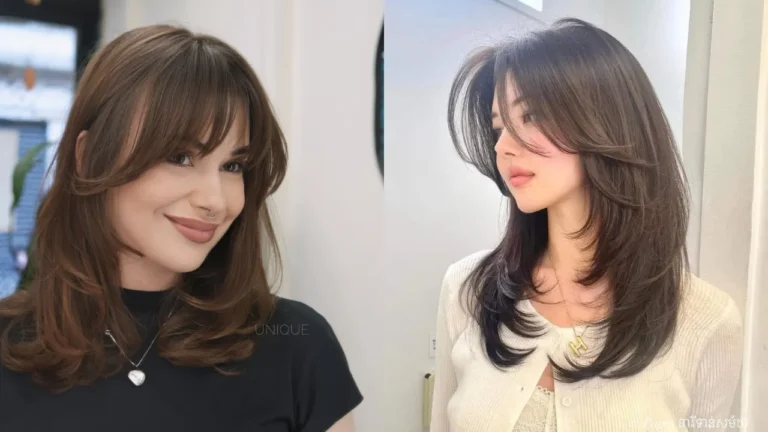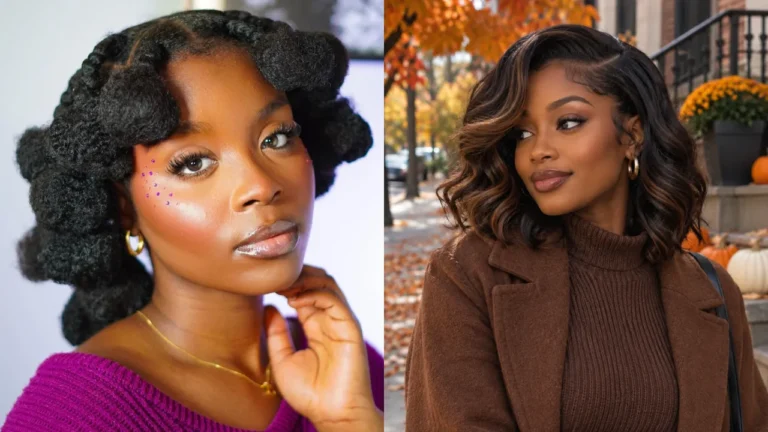
24 Octopus Haircut Looks for Bold Hair Lovers
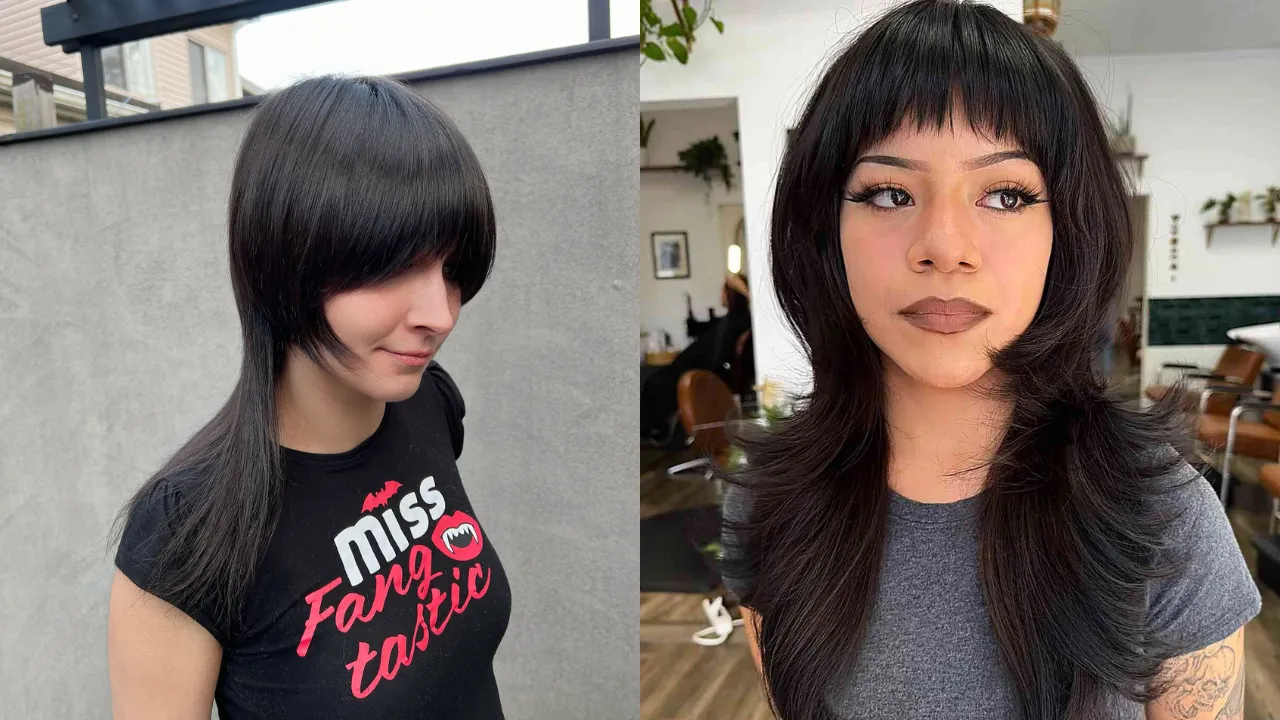
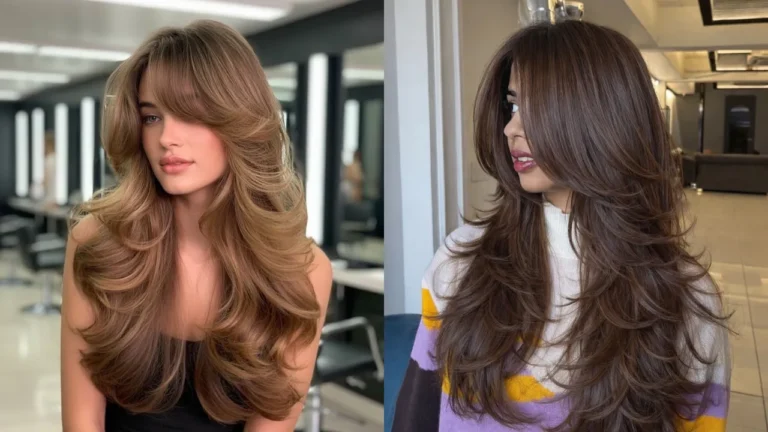
What if your haircut could finally hold shape without constant fixing? The Octopus haircut is changing that, and once you see how the layers fall, it’s hard to go back to basic cuts.
If your current hair feels flat at the top or heavy at the ends, this guide gives you a clear direction. You’ll see styles that lift the crown while keeping the lower sections lighter; helping your haircut look more structured and balanced.
Inside, you’ll find a mix of bold, subtle, and wearable variations that match different hair types and routines. Whether you want something expressive or low-maintenance, these ideas help you choose a version that works beyond just inspiration photos.
Why Everyone Is Talking About It
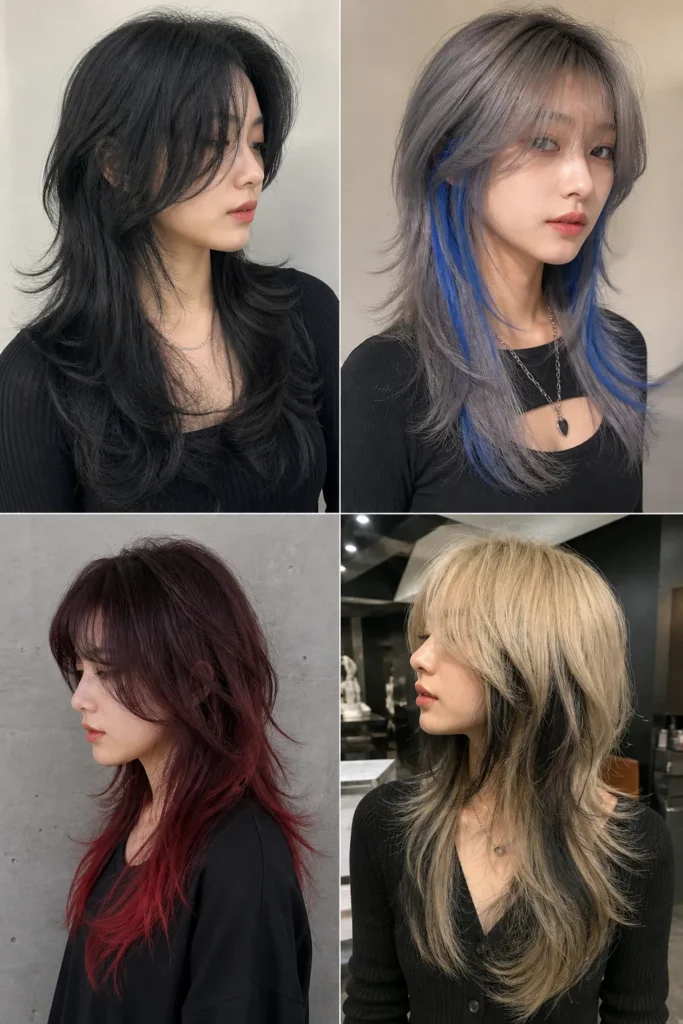
Scroll for a moment and it keeps showing up. The shape stands out because it breaks away from blended cuts and keeps visible contrast between volume at the top and lighter ends.
There’s a clear shift toward haircuts with more identity. Instead of hiding layers, this one highlights them. That difference makes it noticeable even without bold color or heavy styling.
It also adapts easily. Some versions stay subtle, others push into edgy territory, which is why it keeps gaining attention across different styles.
The Reality Before You Try It
Photos make it seem low effort, but the shape depends on how your hair behaves daily. Texture and density affect how well the crown holds volume and how the layers fall.
If the top section drops flat, the entire structure loses its contrast. A bit of styling is often needed to keep that lifted shape visible.
Regular trims matter more than expected. Without them, the layers blend together and the haircut slowly loses its definition.
1. Split Tone Octopus Haircut
Source: salongtingeling
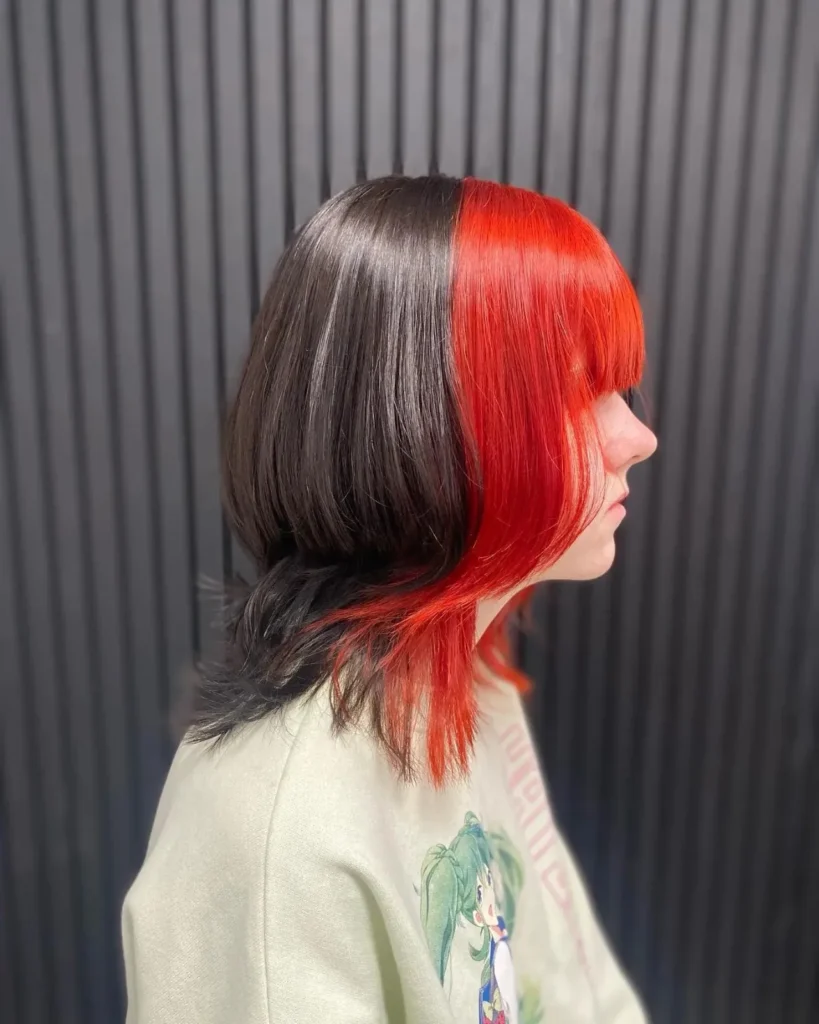
That sharp dual-tone contrast grabs attention instantly, but the real impact comes from how the layers carry each color separately. The upper section stays fuller while the lower strands stretch out, letting both tones stay visible without blending into a flat finish.
Keep the color boundary slightly visible instead of over-blending, or the effect gets lost. This version suits oval and longer face shapes more, since the contrast draws vertical attention. Avoid heavy curling, as it can mix the tones and reduce that sharp division.
2. Sleek Tapered Octopus Cut
Source: sherman_wong
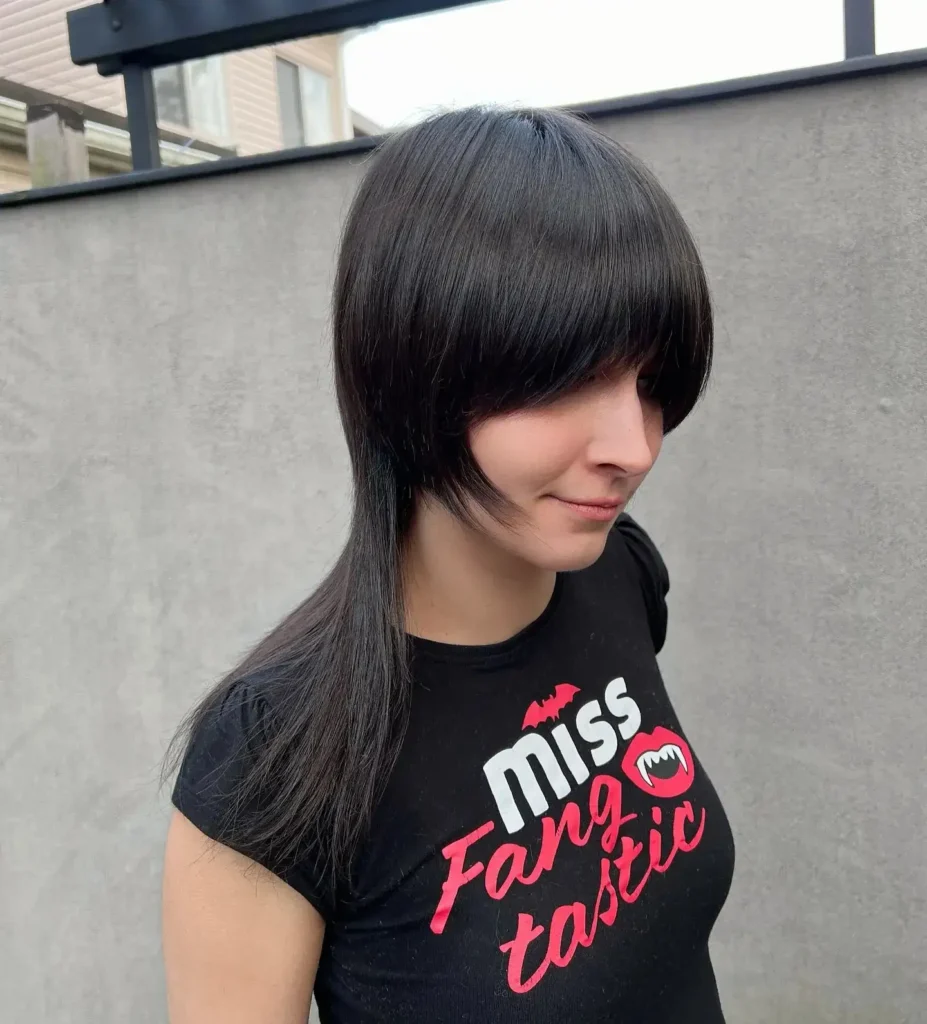
Clean lines bring out every detail in this tapered shape, making the transition from volume to narrow ends more noticeable. The upper section sits controlled, while the lower layers gradually reduce in thickness without forming a harsh drop.
Length selection changes everything here. Slightly longer ends maintain flow, while shorter cuts can make the taper feel too abrupt. Keeping balance between top weight and lower thinning is what holds the structure together.
From experience, uneven heat styling ruins this haircut faster than anything else. Passing the iron randomly bends layers in different directions, which breaks the taper. Section-by-section work keeps the alignment sharp and intentional.
Skip thick oils near the crown area. They collapse the upper section and remove the contrast that defines this haircut. A light serum only on the ends keeps definition without disturbing the structure.
3. Electric Blue Layered Flow
Source: hairbyhungtran
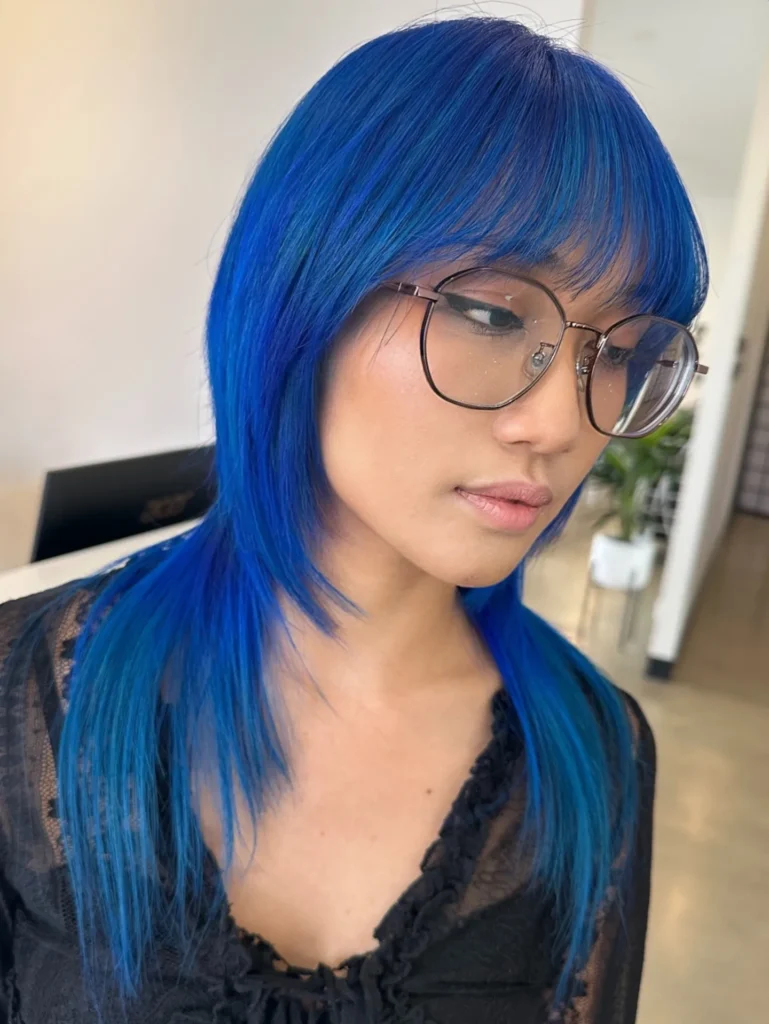
Color takes over the moment you step into the light, and that electric blue pushes every layer forward visually. It is not just about brightness, the layered cut underneath guides how the shade shifts from crown to ends.
Bold tones like this rely heavily on a precise cut. If the layers are uneven, the color sits in patches instead of flowing through the hair. Keeping sections sharp ensures the shade follows the shape rather than looking scattered.
Maintenance matters here more than styling. Wash with cooler water and reduce heat tools to protect the tone. This version works better for those who can commit to upkeep, since fading quickly changes the overall impact.
4. Feathered Back Octopus Shape
Source: fenny_y_k
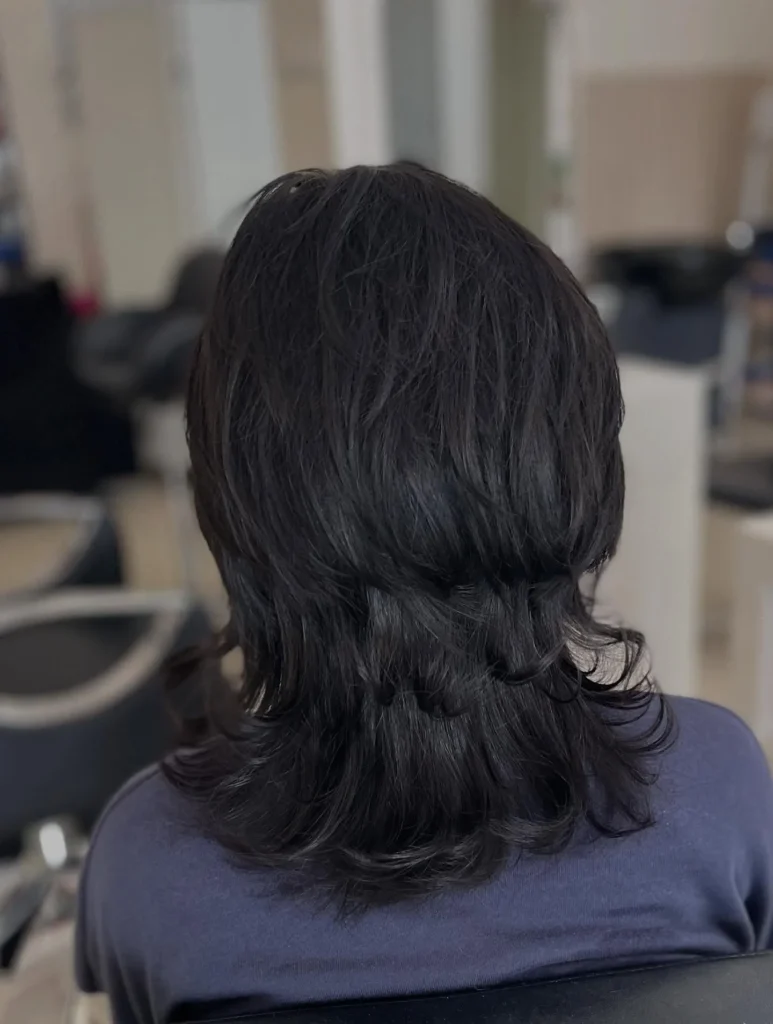
Layers sweep away from the face and fall toward the back, building a clear direction through the haircut. The crown stays fuller while the ends stretch out in light sections, giving that flowing silhouette without making the structure look heavy or stiff.
The back view carries most of the impact here. When layers are placed correctly, they stack slightly without forming a bulky shape. Keeping the weight balanced prevents the haircut from collapsing or spreading unevenly through the lower lengths.
Use a round brush to guide the top backward while drying, then let the ends fall naturally. Avoid forcing sharp curls at the ends, as that breaks the flow. A light mist of spray helps hold direction without locking the hair into place.
5. Rounded Volume Octopus Haircut
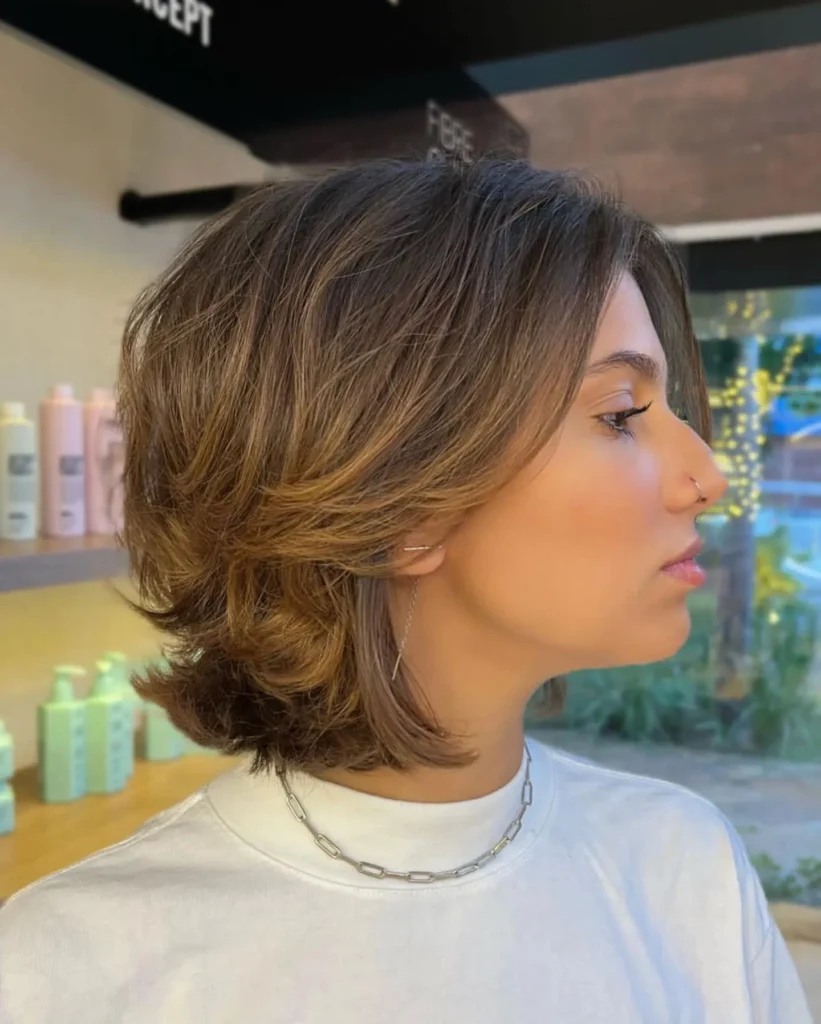
Source: idaaxenstedt
Volume sits right at the crown, forming a rounded shape that supports the entire haircut. Below that, the layers stretch out more lightly, creating contrast without making the ends appear too thin or disconnected from the upper section.
This version works better for narrower face shapes since the width at the top balances proportions. Focus on lifting roots while drying rather than building volume through products. Too much product can weigh down the crown and flatten the structure quickly.
6. Textured Shaggy Octopus Cut
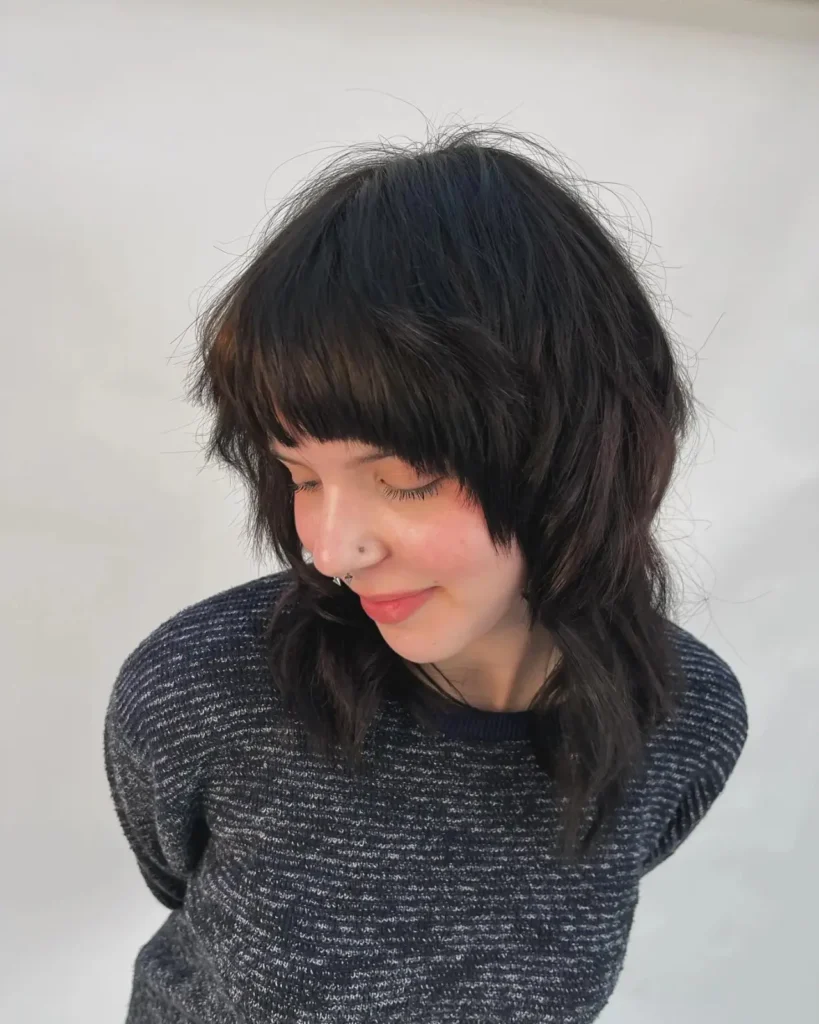
Source: eunice.vanity
Loose, uneven layers bring a raw edge into the haircut, making it feel less controlled and more relaxed. The crown carries volume, while the ends break into separated pieces that move freely instead of forming a smooth or blended finish.
I have seen this version work best on medium to thick hair where texture can hold shape without collapsing. When strands are too fine, the shaggy effect can fall flat. Slight internal layering helps maintain separation without removing too much density.
Skip precise styling and use your hands instead of tools. Scrunch lightly while drying to keep the texture alive. Avoid over-brushing, as it softens the separation and removes the rough edge that gives this haircut its character.
7. Pastel Melt Octopus Haircut
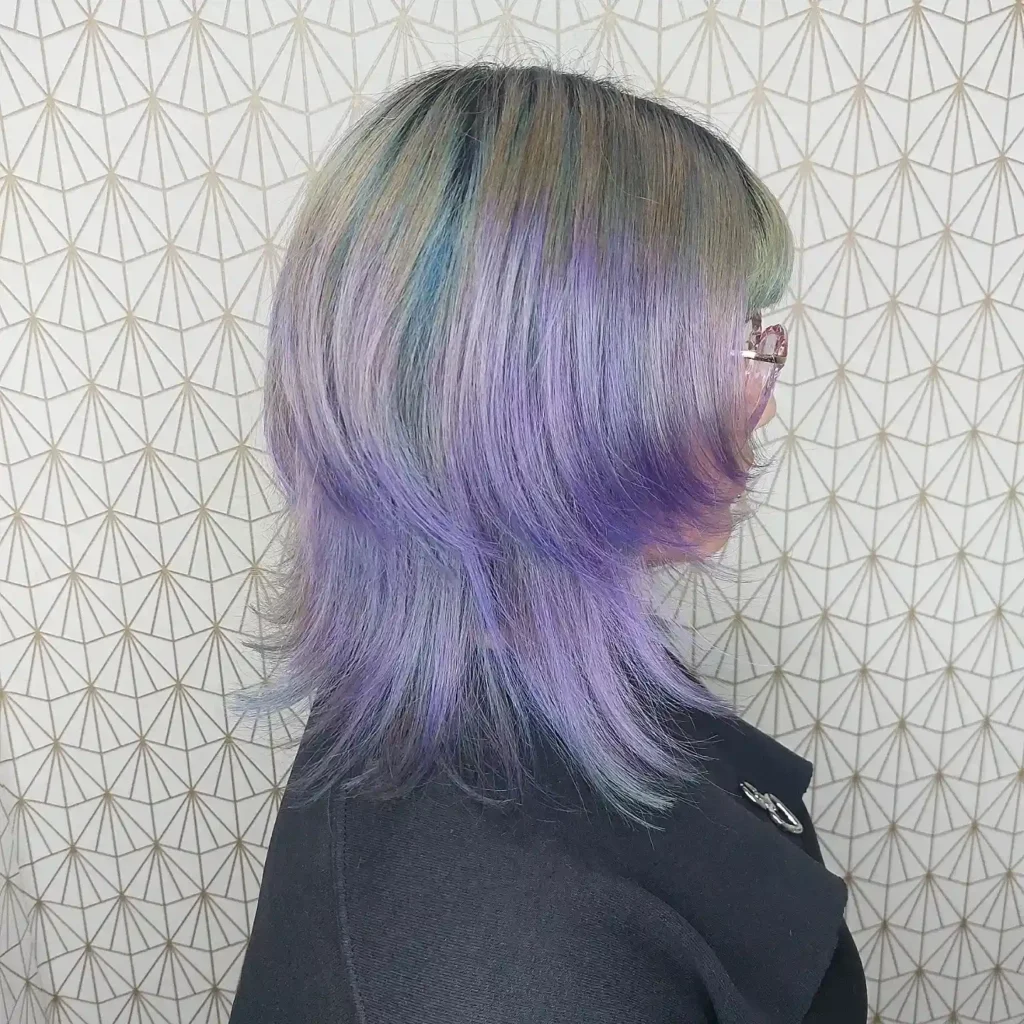
Source: angelhair_cl
Color melts softly through the layers, shifting from one tone to another without sharp breaks. The upper section carries fullness, while the ends stretch out lightly, letting each shade follow the cut instead of sitting flat across the surface.
Pastel shades highlight every layer, so uneven cutting becomes more noticeable. Clean sectioning before coloring helps the tones blend smoothly. When layers are placed with intention, the color transition appears fluid rather than patchy.
From experience, lighter shades fade faster when exposed to frequent washing. Using cooler water helps maintain tone longer. Keeping heat tools minimal also protects the color from losing its brightness too quickly.
Choose lightweight products that do not coat the strands heavily. Thick creams can dull the color and reduce dimension. A light leave-in works better to maintain separation while keeping the tones visible across the layered structure.
8. Soft Retro Octopus Layers

Source: shaglondon
A slight nod to older layered styles gives this version a familiar yet updated feel. The top holds gentle lift while the ends curve outward in a controlled way, creating a shape that feels balanced rather than overly sharp or disconnected.
The layering stays subtle, allowing the haircut to move without looking overly styled. That quiet structure makes it easier to wear daily without needing constant adjustment or heavy styling routines to maintain its shape.
Use a round brush to guide the ends outward while drying for that retro touch. Avoid tight curling tools, as they can make the shape look too structured. Keeping the finish slightly loose maintains the intended direction without stiffness.
9. Dark Violet Edgy Octopus
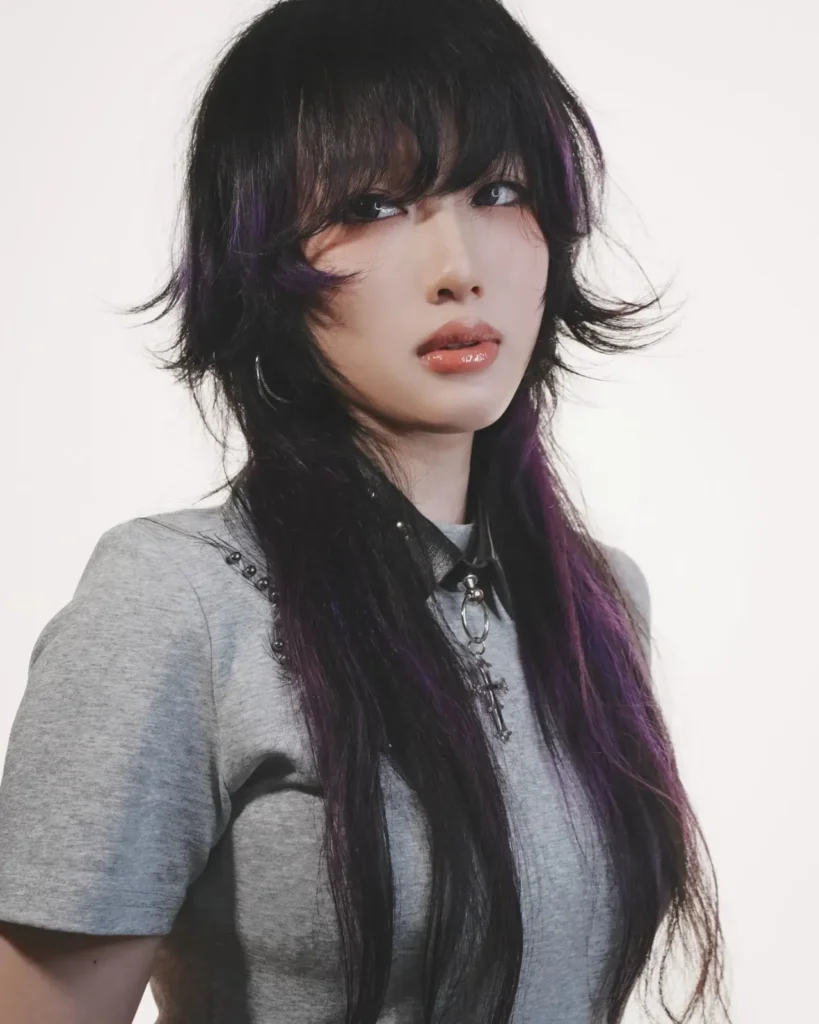
Source: stanleyman001
Deep violet shifts under light, and suddenly every layer becomes more visible. The contrast between crown volume and lighter ends stands out more with darker tones, giving the haircut a sharper presence without relying on extreme cutting techniques.
This shade works best when layers are clearly defined rather than blended. Sharp placement helps reflect light unevenly, adding dimension. Avoid heavy oils, since they can mute the tone. A light shine spray keeps the color visible without flattening the structure.
Read More : 25 Wolf Cut Hairstyles That Bring Out Your Bold Side
10. Bold Copper Sleek Layers

Source: prisilacutsdeep
Copper tones pull attention immediately, especially when paired with a clean layered structure. The crown stays controlled while the ends taper down in thinner sections, letting the color shift slightly with movement instead of sitting flat across the surface.
Shine plays a role here, but too much can take away depth. Keeping the finish smooth rather than glossy helps the tone hold richness. The layering underneath supports the color by giving it direction rather than blending everything together.
Blow-dry with a nozzle for better control, focusing on keeping strands aligned. Avoid heavy oils near mid-lengths, as they can make the color appear dull. A light serum on the ends keeps them defined without flattening the overall structure.
11. Glossy Caramel Octopus Flow
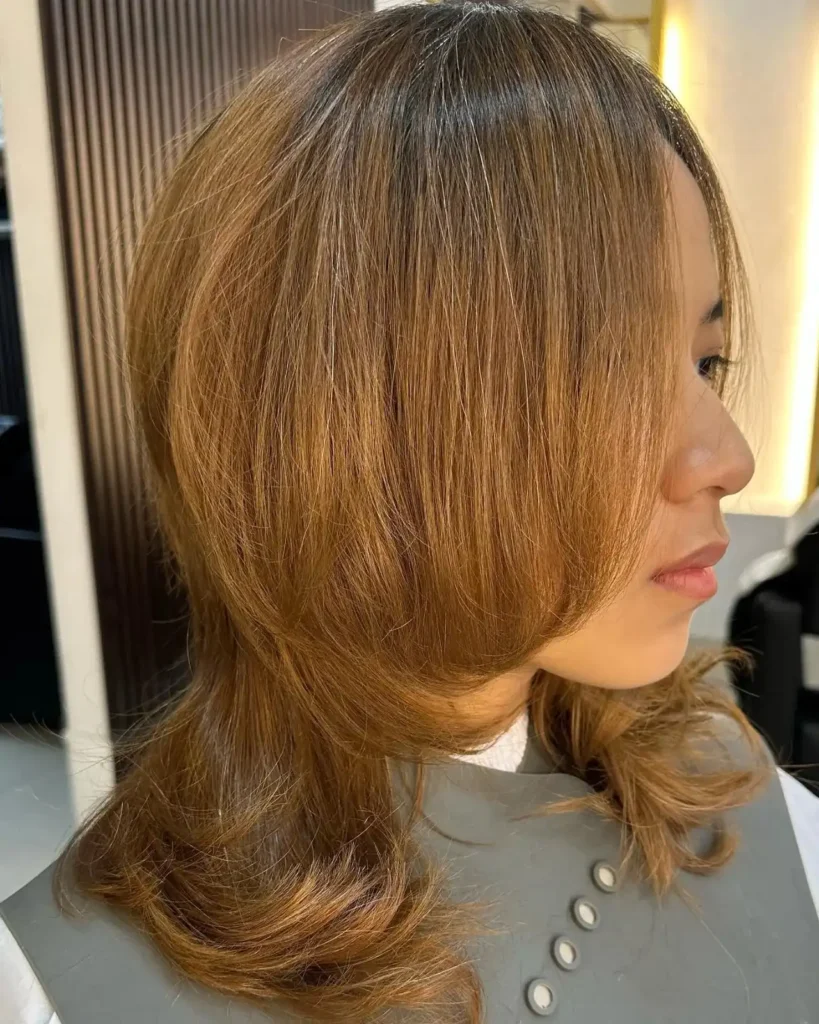
Source: hecktors_salon
Caramel tones move through the layers in a softer way, catching light differently at each level. The crown carries weight, while the ends fall into lighter strands, allowing the color to shift without creating strong contrast lines.
Unlike sharper versions, this one depends on smooth transitions. The layers blend more, giving a fluid effect instead of a structured outline. That makes it easier to maintain without needing constant reshaping.
From experience, overusing shine products can flatten this haircut quickly. A slight sheen works, but too much removes the depth in the layers. Keeping the finish controlled allows the color to remain visible across different sections.
Use a paddle brush while drying to maintain direction. This version suits daily wear without heavy styling routines. Avoid tight curls, since they can break the smooth flow and interrupt how the color moves through the haircut.
12. Feathered Auburn Octopus Cut
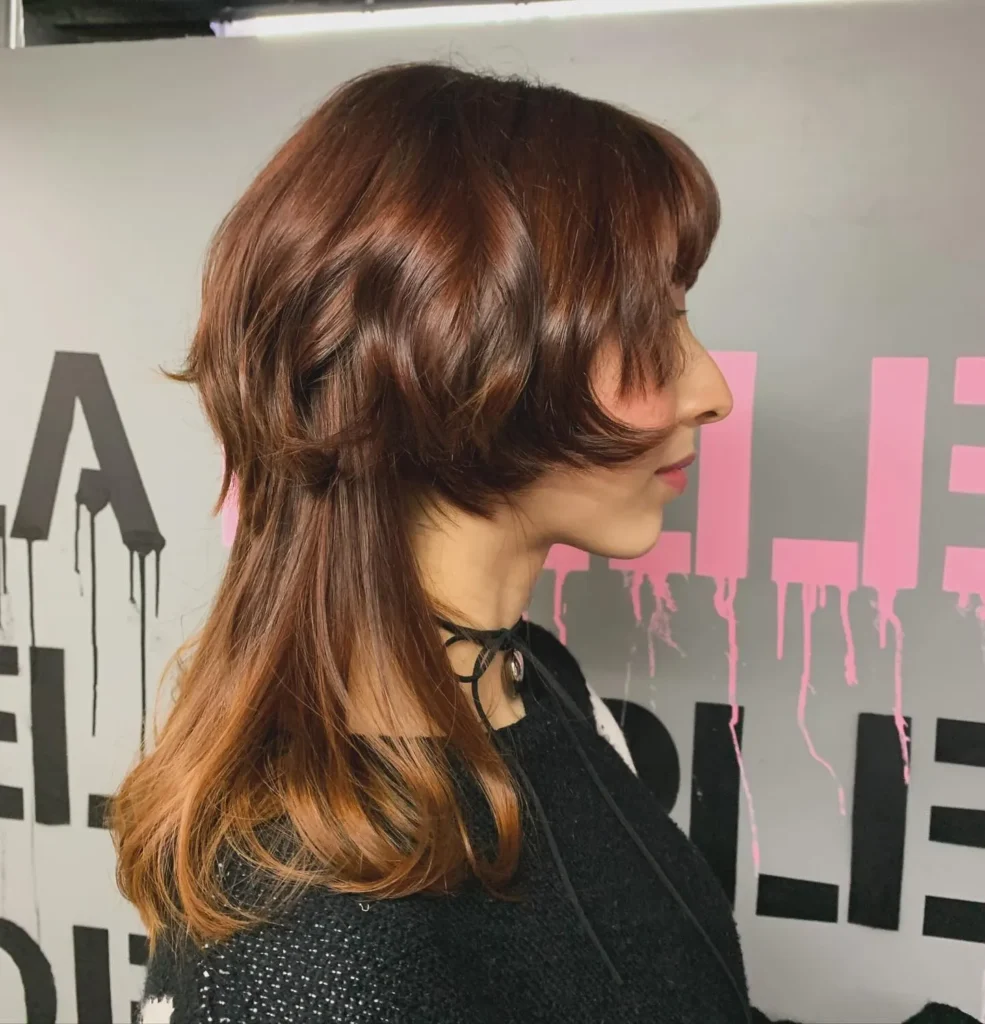
Source: ___narus___
Auburn tones bring warmth into the layered shape, making the structure appear more defined under light. The crown builds volume while the ends spread out lightly, giving a balanced contrast that does not feel too sharp or disconnected.
The layering works best when it stays slightly separated rather than fully blended. That separation allows the color to highlight each section, creating a more noticeable shift from top density to lighter ends.
Dry using medium heat and direct airflow downward to keep strands aligned. Avoid over-layering during maintenance trims, as it can thin out the ends too much. Keeping some weight ensures the haircut maintains its intended structure.
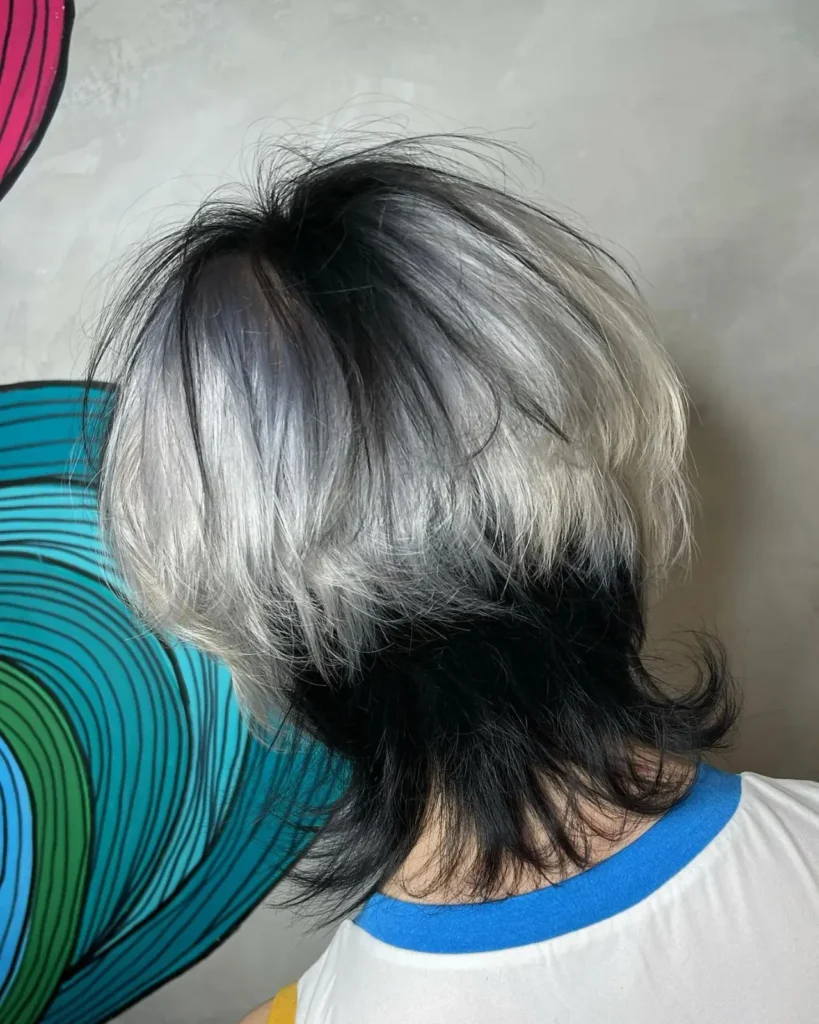
13. Two Tone Micro Fringe Octopus Haircut

Source: hairbyhungtran
Short fringe changes the balance instantly, especially when paired with two contrasting tones. The upper section holds volume while the ends stretch out lightly, allowing both shades to stay visible instead of blending into a flat surface.
Precision matters more here than length. If the fringe becomes too thick, it can overpower the layers behind it. Keeping it slightly lighter maintains balance. Trim the front more frequently, and avoid heavy creams that make the fringe collapse.
14. Airy Long Layered Octopus Cut
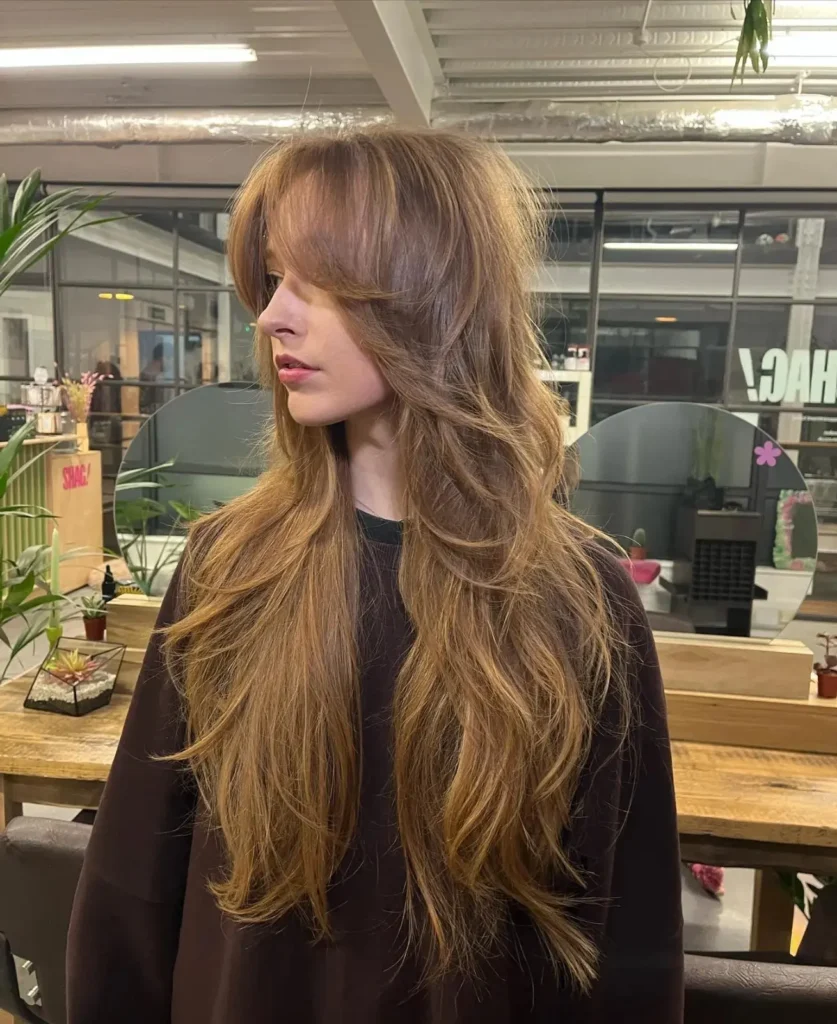
Source: aprilchristinataylor
Long layers extend downward in a lighter way, giving more space between sections instead of a compact shape. The crown still carries fullness, but the length allows the ends to move more freely without forming a heavy or dense finish.
Spacing between layers matters here. When sections are too close, the haircut can lose its airy effect and feel weighed down. Keeping distance between cuts helps maintain that light separation through the length.
Use a wide-tooth comb while drying to avoid pulling everything too straight. Let some natural bends remain in the ends. Avoid over-straightening, since that removes the spacing that gives this haircut its identity.
Read More : 25 90s Hairstyles That Never Go Out of Style
15. Rounded Nape Octopus Haircut
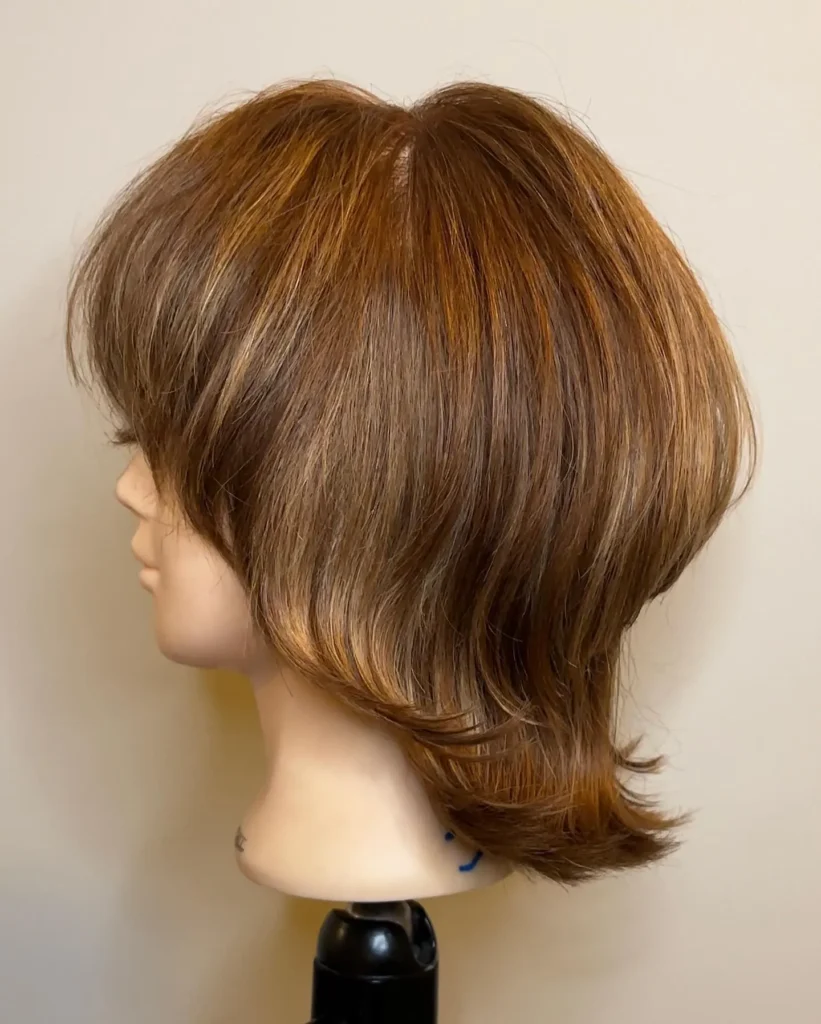
Source: scissxrhand
The back section curves gently along the nape, forming a rounded base that supports the upper volume. Above that, layers lift slightly before falling into thinner ends, creating a controlled transition that feels structured without becoming stiff.
The nape area requires careful shaping, as uneven cutting can disrupt the balance between top and bottom. Keeping that curve clean ensures the rest of the layers fall correctly instead of spreading outward unpredictably.
Blow-dry the nape downward using a narrow nozzle for better direction. Avoid flipping the ends outward, as it can break the rounded base. Keeping the lower section tucked inward maintains the intended silhouette.
16. Ginger Flowing Octopus Cut
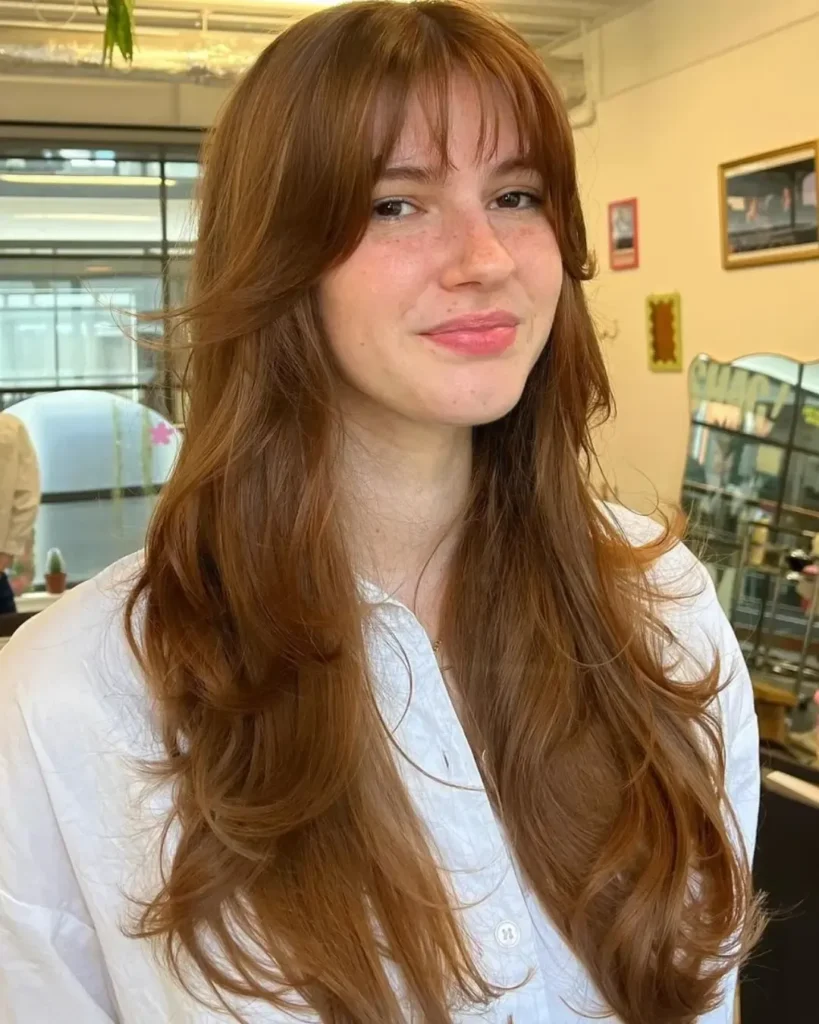
Source: phoebefriend_hair
Warm ginger tones travel through the layers, catching light differently across each section. The crown holds fullness while the ends fall in thinner strands, giving a flowing shape that shifts gently without losing its structure or becoming too controlled.
Color placement matters more when tones are lighter. If the layers are uneven, the shade can appear patchy rather than smooth. Keeping sections clean ensures the tone follows the haircut instead of sitting unevenly across different lengths.
Use a diffuser on low heat to keep the flow intact without flattening the crown. Avoid over-brushing once dry, since it can disturb the layered separation. A light mist of spray keeps everything in place without stiffening the texture.
17. Soft Curtain Octopus Cut
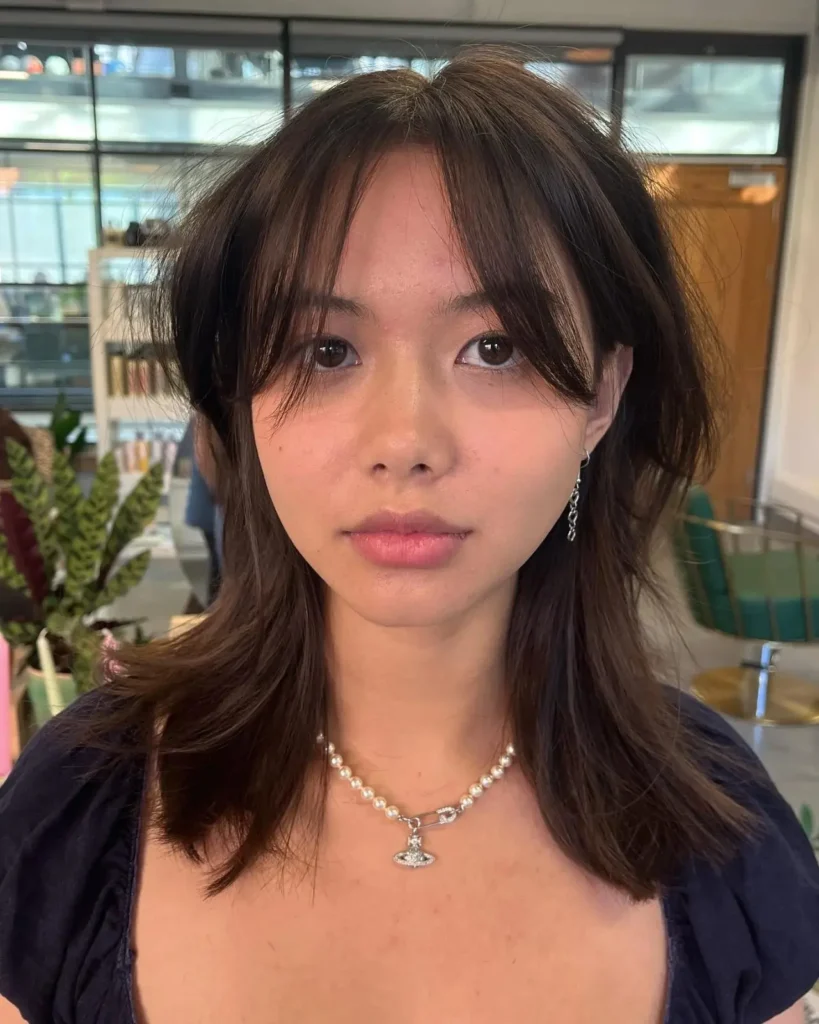
Source: aprilchristinataylor
Front sections open gently around the face, forming a curtain effect that blends into the layered structure. The crown remains lifted while the ends stretch out, allowing the front to connect smoothly without breaking the flow of the haircut.
Balance between the front and back matters here. If the curtain becomes too heavy, it can disconnect from the rest of the layers. Keeping it slightly lighter helps maintain a continuous shape from front framing to the lower sections.
Blow-dry the front away from the face using a medium brush for better direction. Avoid using flat irons too often on the front, as it can remove the natural curve. Keeping that bend intact maintains the intended framing.
18. Back Layered Octopus Cut
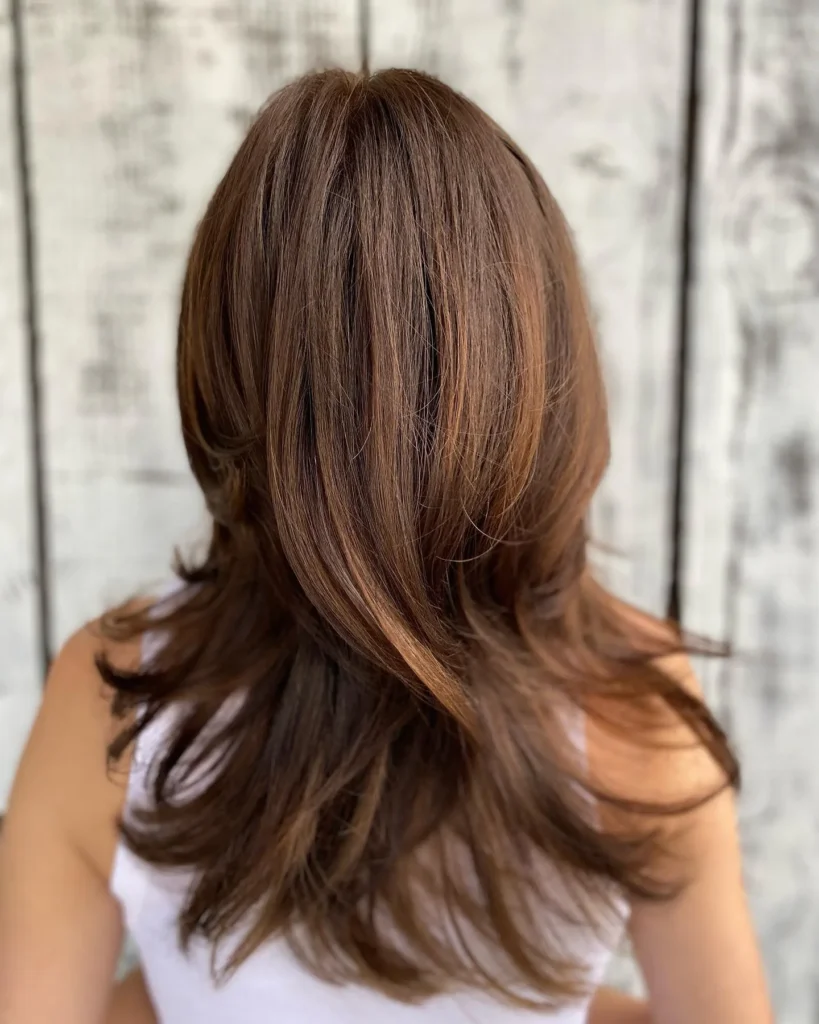
Source: lookinloveleigh
The structure builds from the back, where layers stack slightly before falling into thinner ends. The crown stays lifted while the lower section stretches out, creating a clear contrast that becomes more visible when viewed from behind rather than the front.
From experience, this version works best when the back layering is planned first instead of adjusted later. If the foundation is weak, the rest of the haircut struggles to hold shape. A strong base keeps the entire structure consistent.
Dry the back section in downward motions to keep layers aligned. Avoid flipping the ends outward, as it can break the stacked effect. A small amount of texturizing spray helps maintain separation without making the hair feel heavy.
19. Rainbow Streak Octopus Haircut
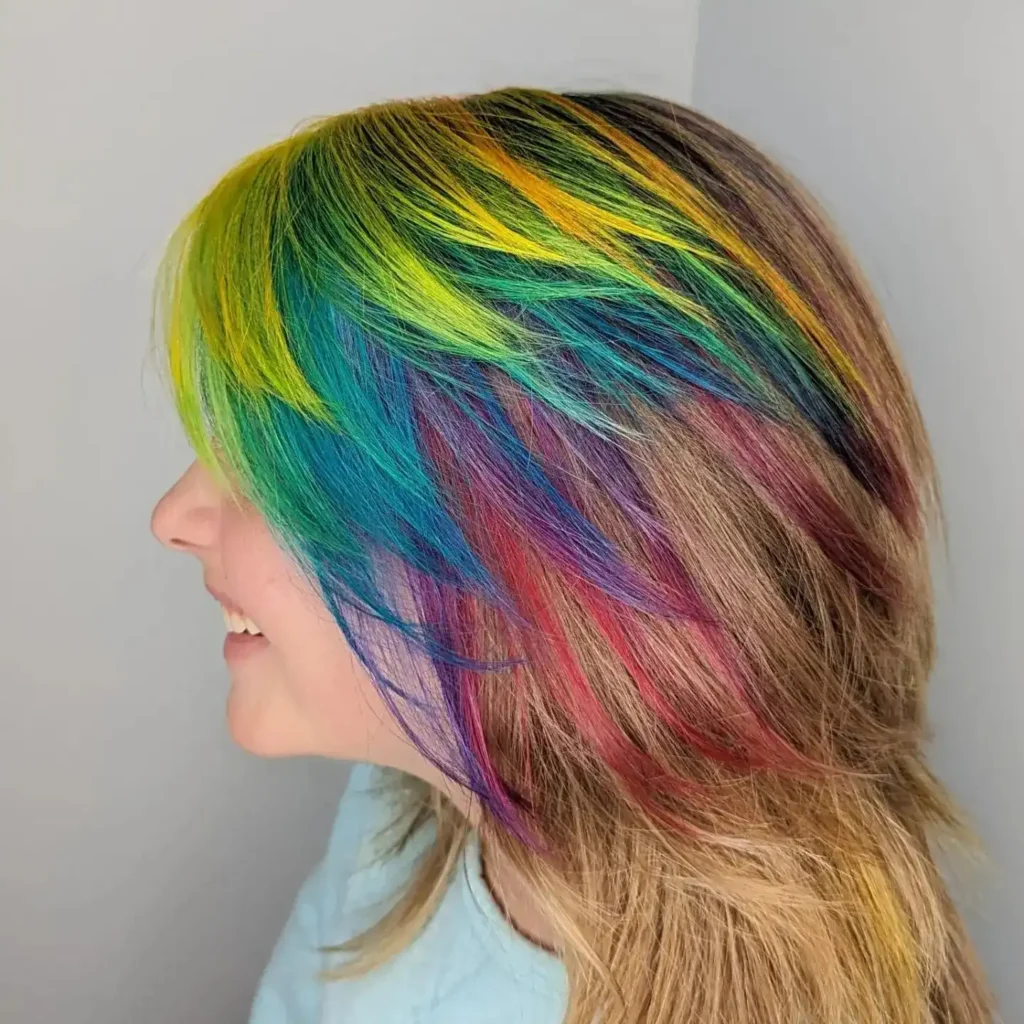
Source: sarahof25thstreet
Color streaks run through different layers, making each section stand out separately instead of blending together. The crown holds density while the ends break into lighter strands, allowing every shade to stay visible as the hair shifts from one angle to another.
Placement matters more than the number of colors. Too many streaks can make the haircut look scattered instead of structured. Keeping sections intentional helps the layers guide the color rather than letting it sit randomly across the hair.
Wash with cooler water to maintain brightness across all tones. Avoid heavy creams, since they can mute the variation. A light leave-in conditioner helps keep strands manageable without reducing the clarity between each colored section.
20. Soft Flip Layered Octopus Cut
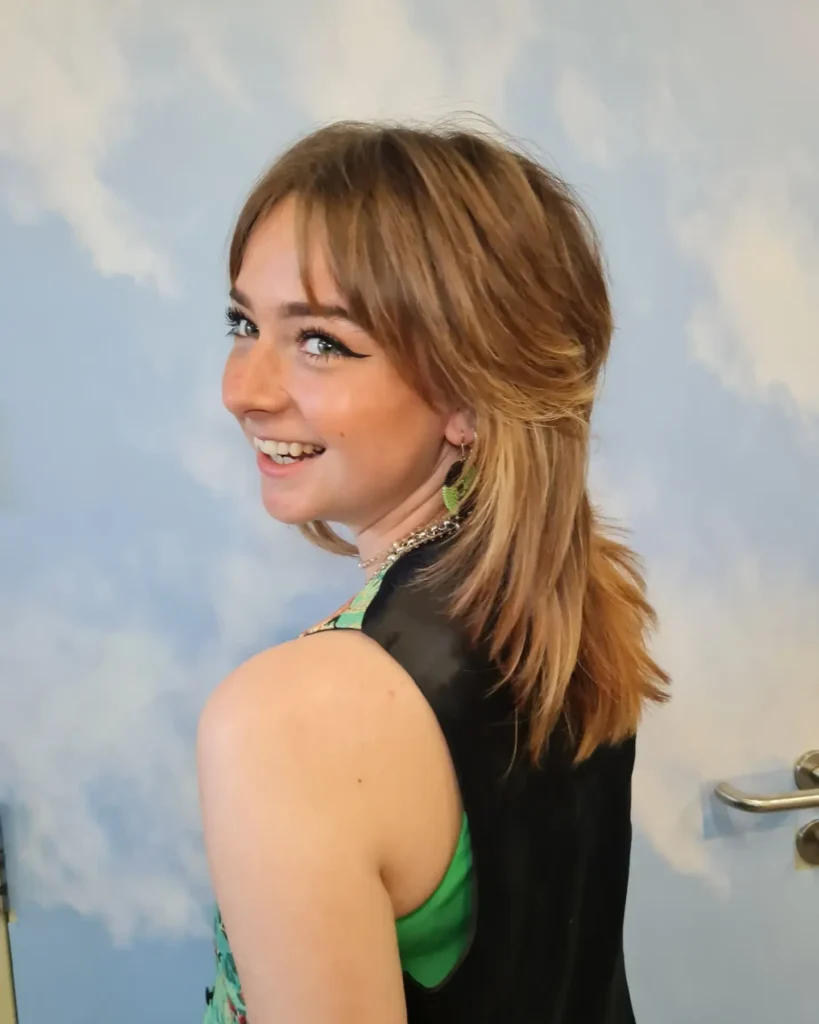
Source: phoebefriend_hair
Ends turn outward slightly, giving a subtle flip that changes the direction of the layers. The crown remains fuller while the lower sections curve gently, creating a shape that feels relaxed without losing the defined structure of the haircut.
The flip should stay controlled rather than exaggerated. If the ends curl too much, the shape can look uneven instead of intentional. Keeping the curve slight helps maintain balance between volume at the top and lighter sections below.
Use a medium round brush to guide the ends outward while drying. Avoid tight curling irons, as they can over-shape the ends. Keeping the finish loose allows the haircut to maintain its intended direction without becoming too styled.
21. Voluminous Fringe Octopus Cut
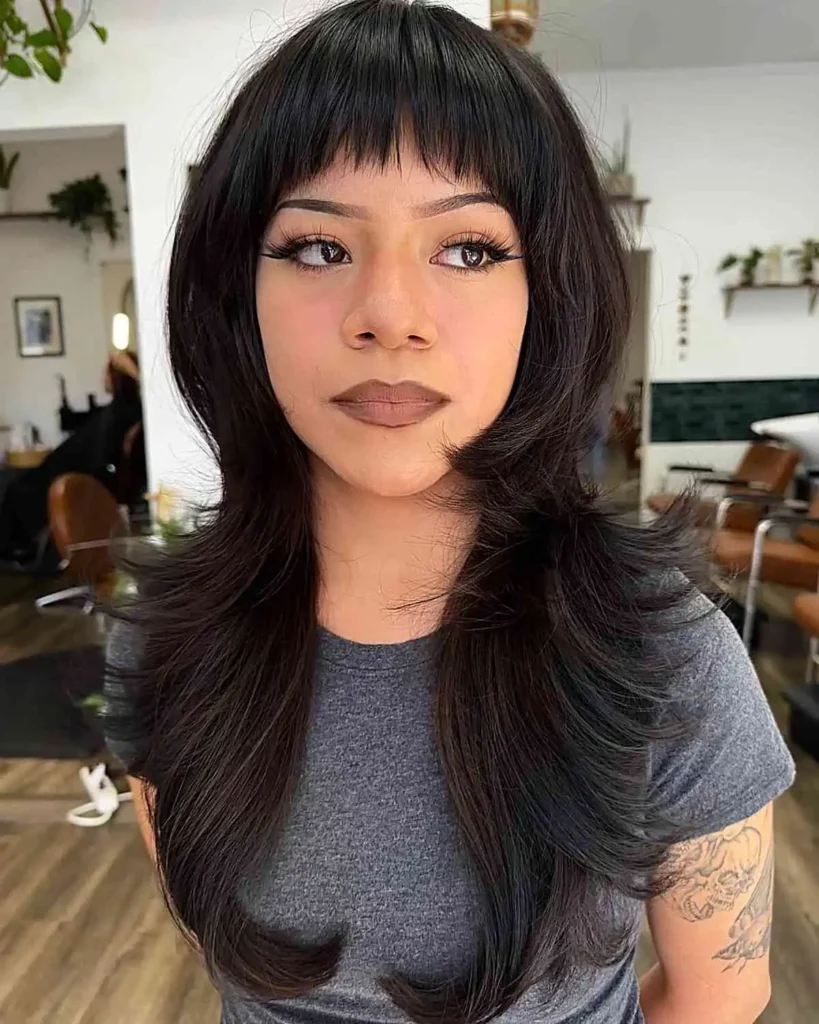
Source: latesthair
The front carries more weight, with a fuller fringe that draws attention immediately. Behind it, layers build volume at the crown and fall into thinner ends, creating a clear contrast between the front focus and the rest of the haircut.
Thickness in the fringe needs careful control. If it becomes too dense, it can overpower the layers behind it. Keeping it slightly lighter allows the haircut to maintain balance while still holding that strong front presence.
Blow-dry the fringe forward using low heat to keep its shape controlled. Avoid applying heavy products near the front, as they can flatten the volume. A light root lift spray helps maintain height without making the hair stiff.
22. Soft Fringe Octopus Haircut
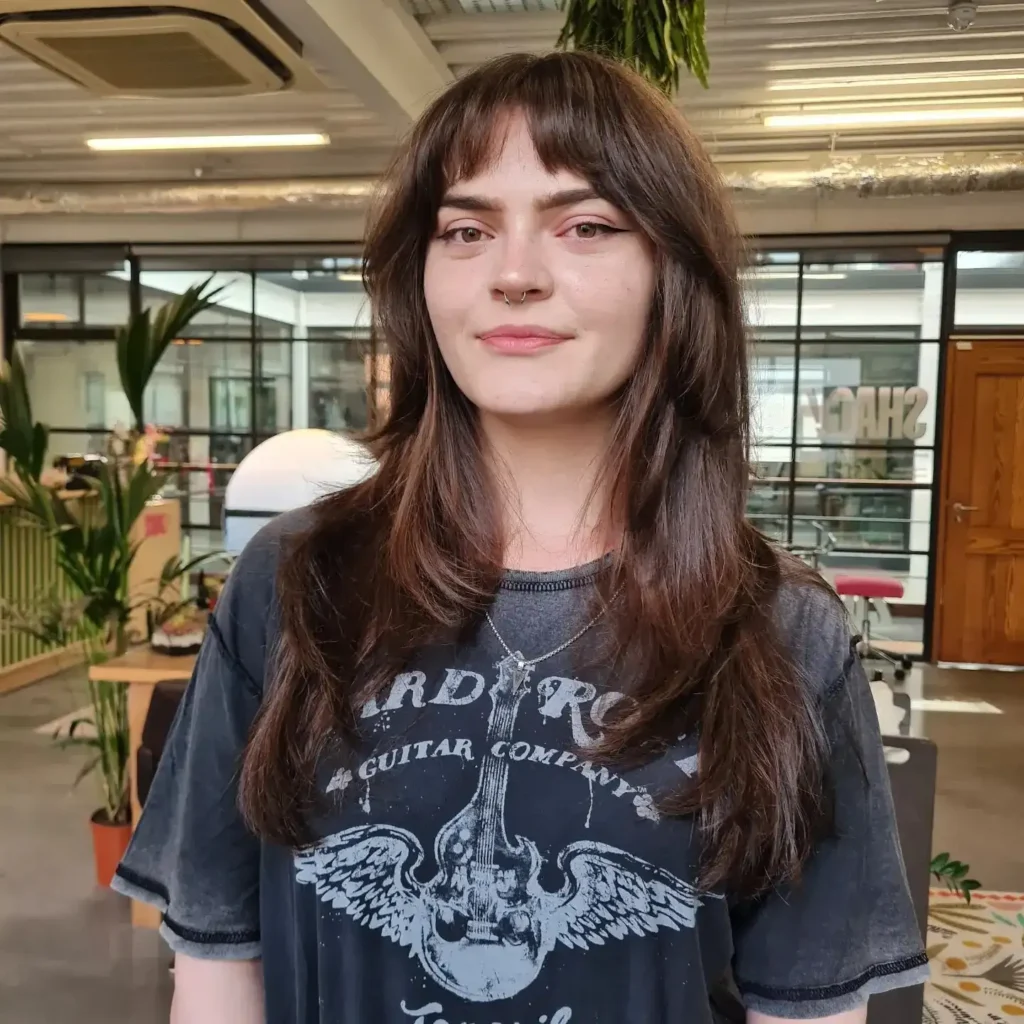
Source: phoebefriend_hair
A lighter fringe sits gently across the forehead, blending into the layered structure without taking over the shape. The crown keeps volume while the ends stretch out softly, allowing the front to connect smoothly with the rest of the haircut.
The fringe works best when it stays slightly separated instead of forming a heavy block. That lightness helps the layers behind it remain visible. Keeping it trimmed at the right length ensures it does not fall into the eyes or lose its shape.
Use a small round brush to guide the fringe slightly inward while drying. Avoid heavy styling products in this area, as they can make it fall flat. A quick shake with fingers after drying keeps the front section from looking too controlled.
23. Airy Natural Octopus Layers
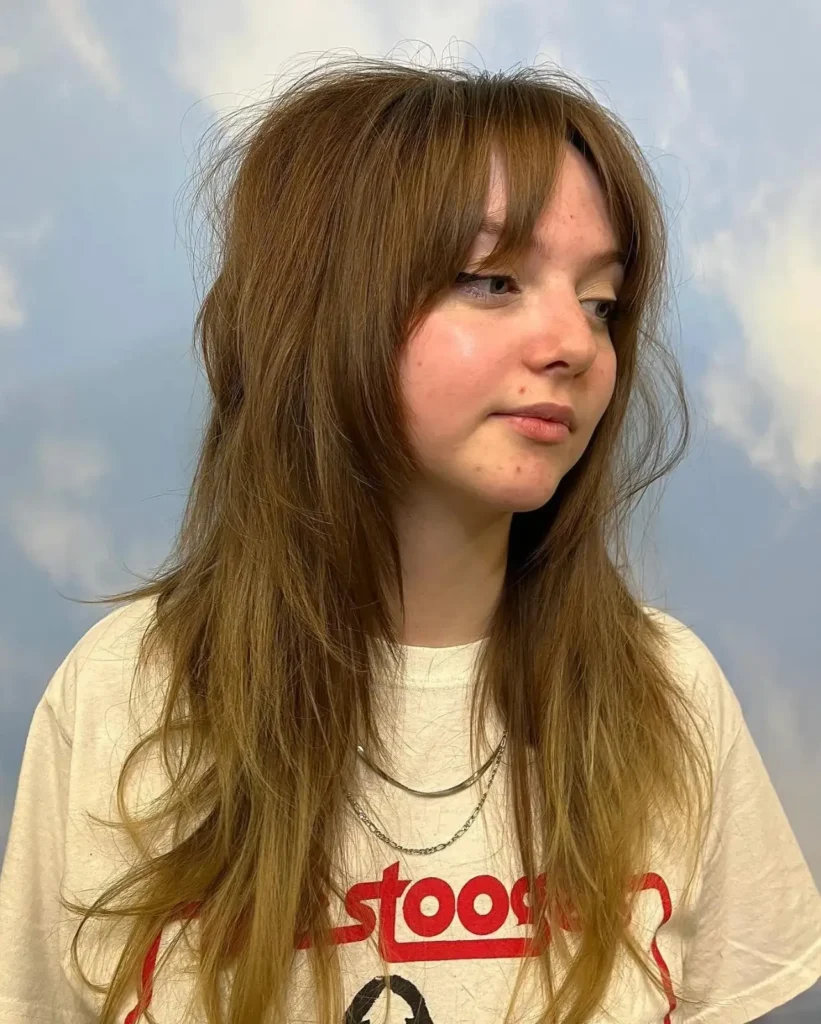
Source: shaglondon
Layers fall in a relaxed way, giving space between sections without forcing a defined structure. The crown still holds shape, but the ends move more freely, creating a softer transition that feels easy to carry throughout different settings.
The haircut depends on spacing more than sharp layering. When sections are placed too close, the lightness disappears. Keeping enough distance between layers allows the hair to move without collapsing into a single heavy line.
Let the hair dry partially on its own before finishing with low heat. Avoid over-styling, as too much control removes the airy effect. A light mist of spray helps maintain separation without fixing everything in one position.
Read More : 25 Women’s Undercut Hairstyle Ideas That Look Fierce
24. Mint Green Octopus Cut
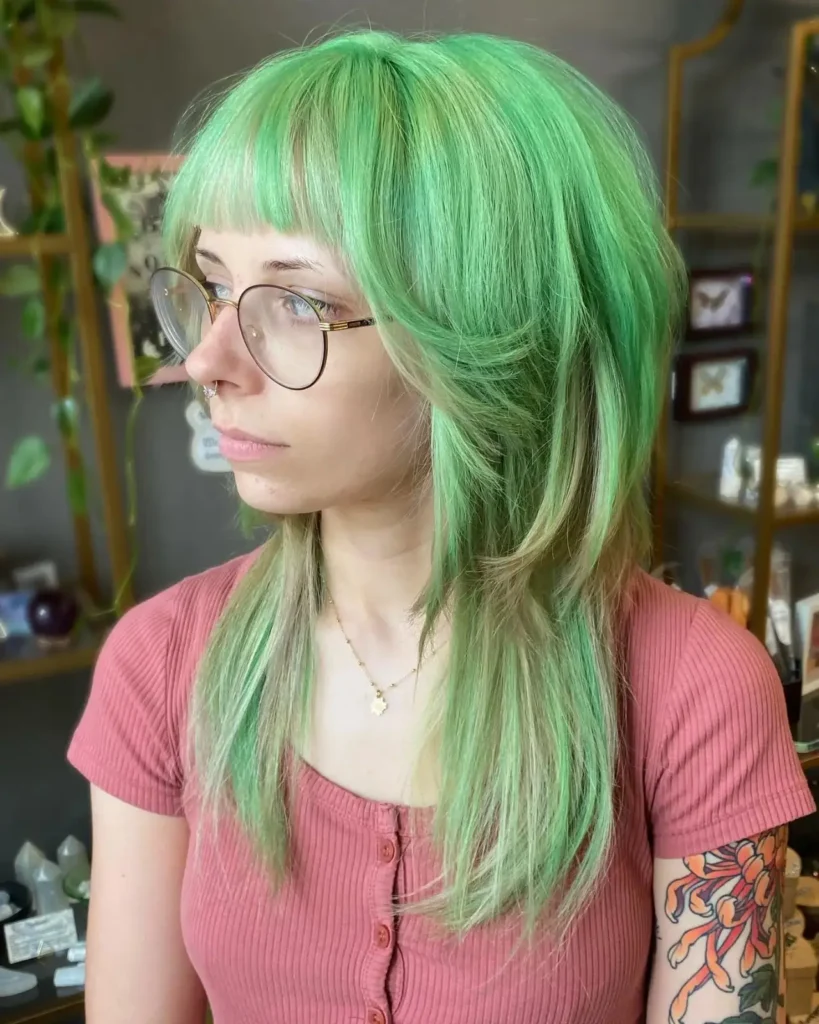
Source: thegirlnamedwalter
Mint tones bring a fresh contrast to the layered shape, highlighting each section without overwhelming the haircut. The crown carries volume while the ends fall into lighter strands, allowing the color to shift subtly as the hair moves.
Pastel shades like mint need a clean base to show properly. Uneven layering can make the tone appear patchy instead of smooth. Keeping the structure precise ensures the color follows the haircut rather than sitting unevenly.
Use sulfate-free products to maintain the tone longer and prevent fading. Avoid frequent heat styling, as it can dull the color quickly. A light leave-in conditioner helps keep strands manageable while preserving the clarity of the shade.
Before You Decide on Your Cut
You’ve seen the styles, but choosing one is only part of it.
How the haircut works daily depends on a few practical details most people overlook.
Take a quick look at this before deciding, it will help you pick a version that actually fits your routine.
Matching the Cut to Your Face Shape
The shape of this haircut changes depending on where the volume sits.
When placed correctly, it highlights your features instead of working against them.
A small shift in length or density can change the entire balance of your face.
That’s why choosing the right variation matters more than copying a photo exactly.
Face Shape | What Works Best |
|---|---|
Oval | Works with most versions and fringe styles |
Round | Longer ends with less width on the sides |
Square | Softer layering near the jaw |
Heart | More weight near the chin area |
Keeping the Shape From Falling Flat
Here’s where most people go wrong the haircut starts blending over time.
Once that happens, the contrast between top and ends disappears.
Regular trims keep the structure visible and controlled.
Skipping them makes the haircut lose its identity faster than expected.
- Avoid heavy products near the roots
- Keep lift at the crown area
- Use lightweight products on the ends
What to Tell Your Stylist
Showing a picture helps, but it doesn’t explain everything.
You need to describe how strong you want the contrast between layers.
Some prefer a bold separation, while others want a softer transition.
Clear communication prevents results that don’t match your expectations.
- Ask for internal layering if your hair is thick
- Keep more weight if your hair is fine
- Mention how much crown volume you want
Tools That Actually Make a Difference
You don’t need a complicated routine, but the right tools change everything.
They help maintain the shape without spending too much time styling.
- Round brush → helps lift the crown
- Heat protectant → keeps layers smooth
- Light spray → holds shape without stiffness
Final Check Before You Decide
If the top stays lifted and the ends stay light, the haircut works.
If not, the structure fades quickly and loses its impact.
Pick a version that fits your daily routine, not just the photo.
That’s what makes the haircut last beyond the first week.
FAQs
1. Does the Octopus haircut work on thin hair?
Yes, but it may need root-lifting products or styling to maintain volume at the crown.
2. How often should you trim an Octopus haircut?
Every 6–8 weeks helps keep the layers defined and prevents the shape from blending out.
3. Is the Octopus haircut high maintenance?
Not heavily, but light styling is usually needed to keep the top lifted and structured.
4. Can you wear the Octopus haircut without styling tools?
Yes, but the shape looks more defined with simple blow-drying or texture support.
Conclusion
Hair changes more than just how you look, it changes how you carry yourself. The Octopus haircut brings that shift by adding structure, lift, and direction without making your routine complicated or time-consuming.
Each idea you’ve seen offers a different way to wear layers, whether you want something bold or more relaxed. The key is choosing a version that works with your hair type so the shape stays visible even on regular days.
Save the styles that caught your eye, try one that fits your routine, and share it with someone thinking about a change. The right haircut doesn’t just update your style, it resets your confidence.