25 90s Hairstyles That Never Go Out of Style
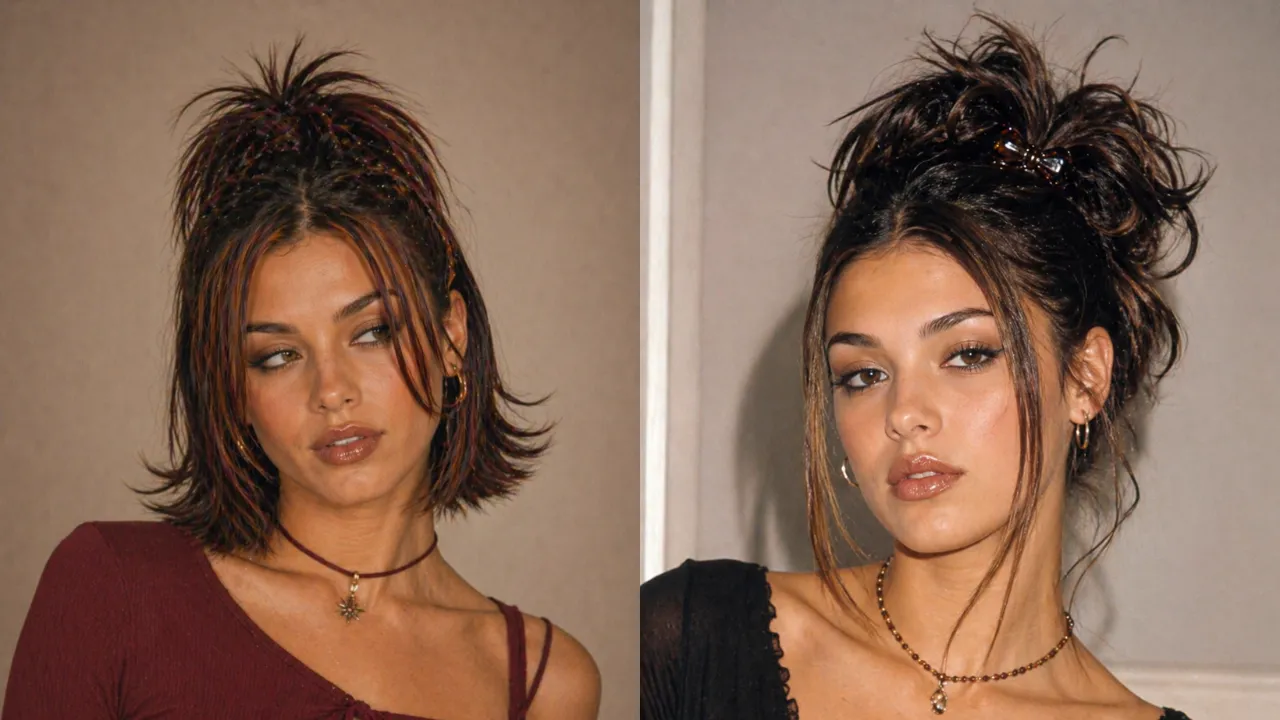
Tired of flat hair that loses its shape within hours? 25 iconic 90s hairstyles bring back volume, texture, and presence that instantly change how your hair sits and moves. These styles stand out without needing complicated routines.
This article brings together styles designed to fix common hair struggles like lack of lift, dull layers, or styles that do not last through the day. Each idea offers a clear way to refresh your hair while keeping your routine simple and manageable.
You will find options for different lengths and textures, making it easier to try something new without overthinking the process. These 90s hairstyles help bring structure, depth, and confidence back into your everyday styling.
Why 90s Hairstyles Still Work Today
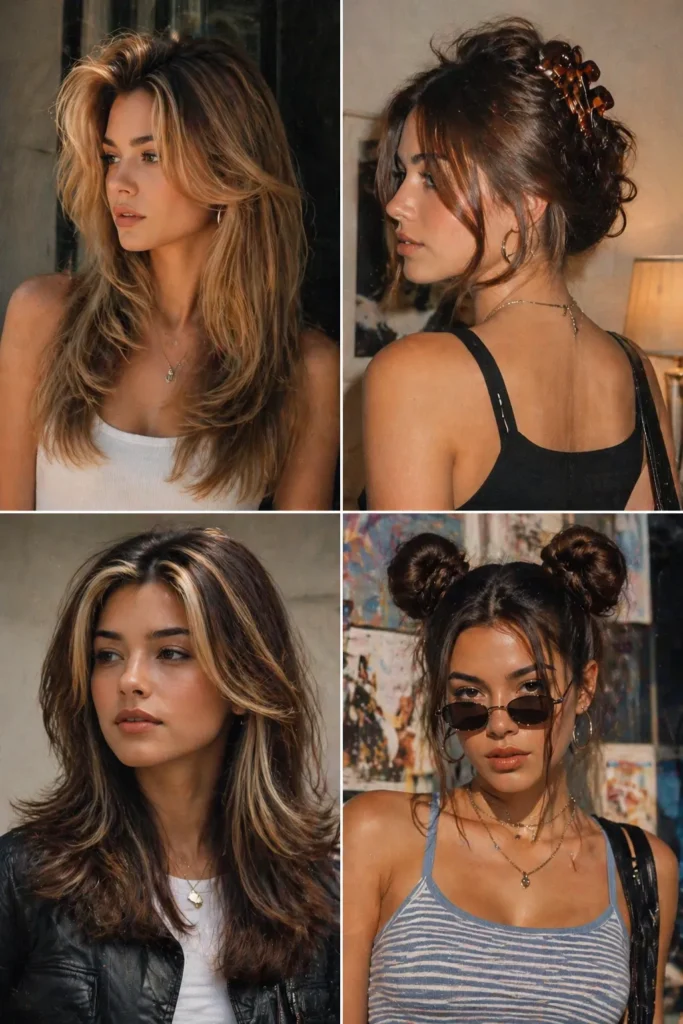
90s hairstyles continue to stay relevant because they focus on volume, shape, and personality instead of overly controlled styling. These looks work with your hair’s natural fall while still giving it direction, making them easier to maintain throughout the day.
Another reason they still work is their flexibility across different hair types and lengths. Whether your hair is straight, wavy, or curly, these styles can be adapted without needing complicated tools or heavy products, which makes them practical for everyday wear.
In my experience, styles that focus on layering and lift tend to hold better and require fewer touch-ups. That balance between structure and ease is what keeps these hairstyles popular even with modern trends.
1. Classic Voluminous Blowout
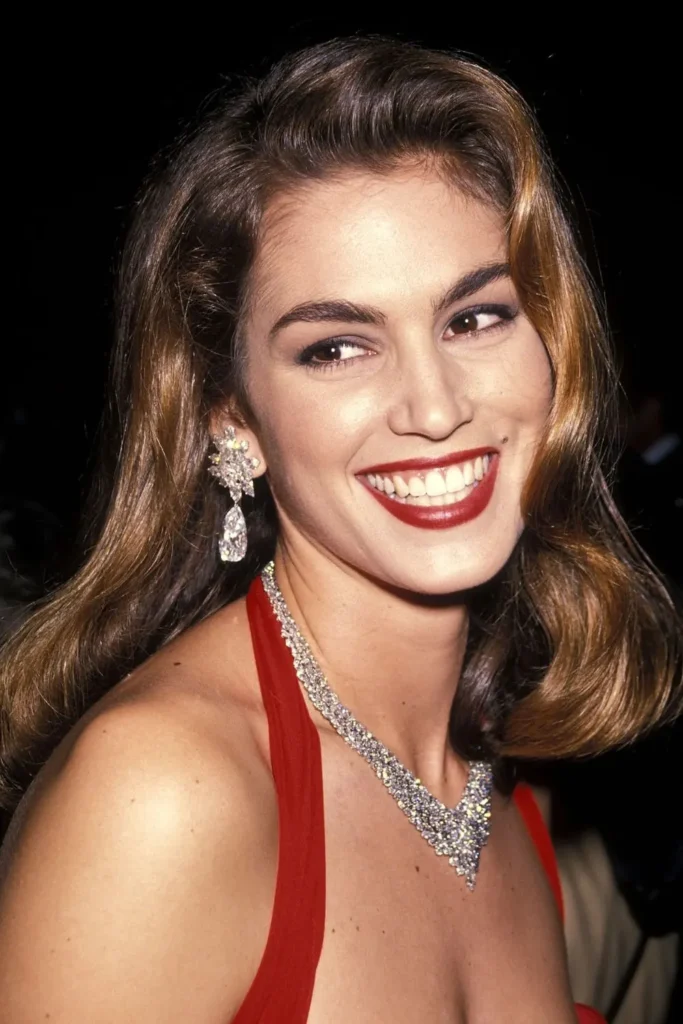
Credit – RON GALELLA
Big hair never asks for attention, it already owns the room. This blowout builds height right from the crown, letting layers fall with intention instead of collapsing flat. The rounded ends complete the shape, giving that unmistakable 90s presence seen everywhere from runways to everyday styling.
Air direction changes everything here, especially how the roots are lifted before the lengths are shaped. Instead of forcing volume later, it is built gradually during drying. That shift keeps the body consistent from top to bottom without making the ends appear disconnected.
What makes this style stand out is how it holds its form without constant adjustment. The structure remains intact through movement, making it reliable for long wear. That consistency is what kept it popular across different settings, from casual days to formal events.
2. Layered Face Framing Cut
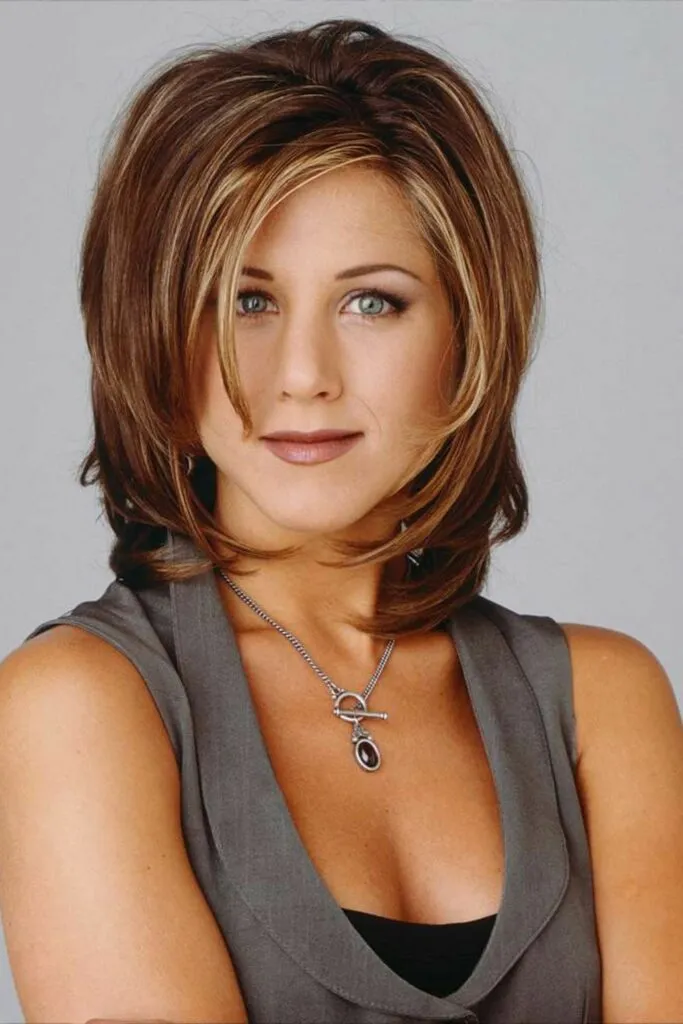
Shorter front layers shift attention toward facial features, making this cut both practical and flattering for different face shapes. The front gradually blends into longer lengths, avoiding harsh separation while still maintaining a defined outline that enhances cheekbones and jaw structure.
Placement of the first layer matters more than overall length, so starting slightly below the chin creates a smoother transition. Styling can stay minimal, as a simple inward bend using a brush or fingers helps guide the front pieces without forcing them into place.
Regular trims keep the shape clean and prevent the front sections from blending too much into the rest of the hair. When maintained properly, the cut keeps its structure without needing constant restyling, making it suitable for both straight and slightly textured hair types.
3. Safety Pin Space Buns
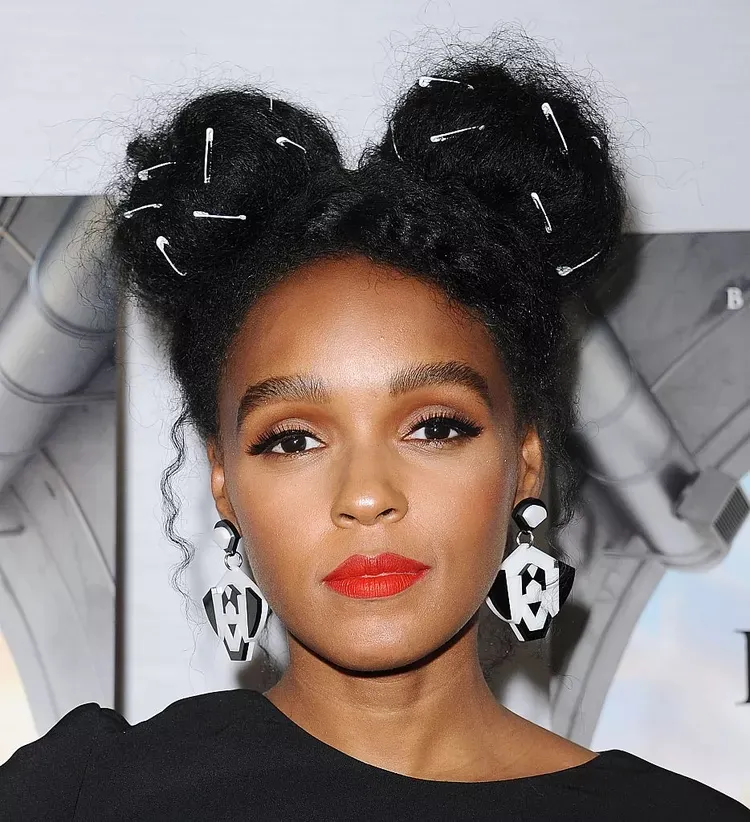
Not every hairstyle plays safe, and this one proves it instantly. Two buns paired with metallic pins shift the energy completely, turning a simple base into something bold. The contrast between soft hair and sharp accents makes the entire style stand out without effort.
There is a raw, rebellious tone in how the pins sit across the buns, almost like they were placed without overthinking. That slight irregularity keeps the style from feeling forced, giving it an edge that feels more personal than polished.
It carries attitude in a way that does not rely on length, color, or volume. Even with a simple base, the presence remains strong. That is what makes it memorable, not the technique, but the confidence it naturally brings forward.
4. Soft 90s Layered Blowout
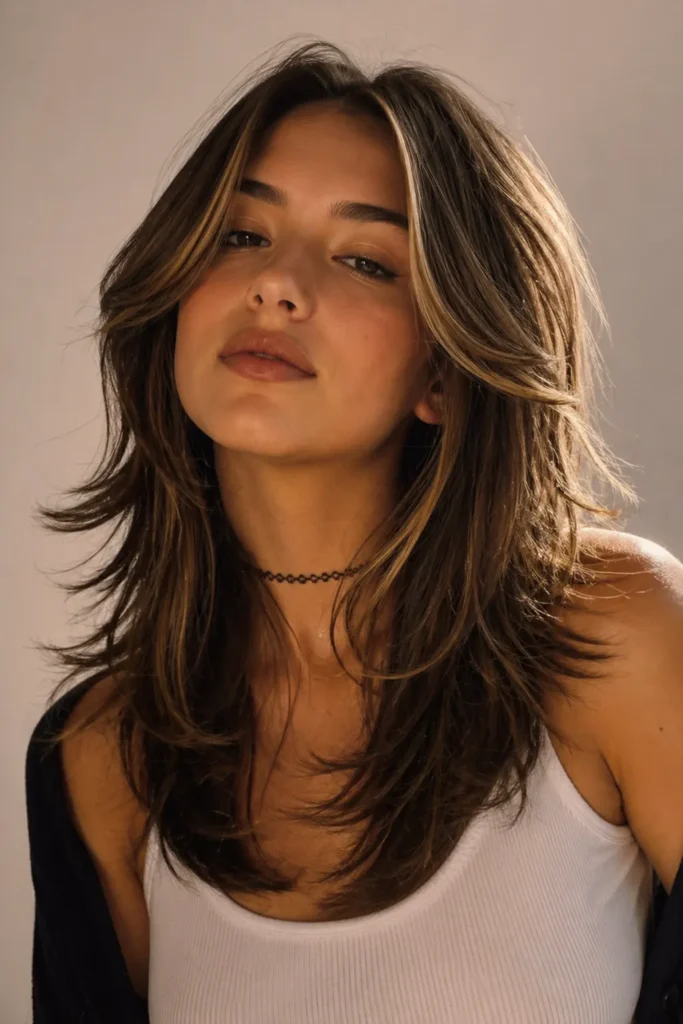
Layered lengths combined with a controlled blowout give this style a relaxed yet shaped appearance that defined everyday 90s hair. The layers fall in a gradual pattern, allowing the hair to keep body without appearing heavy, while the ends curve slightly for a refined finish.
Each layer follows its own path rather than blending into one flat section, which is where the character comes from. The ends do not sit stiff or overly curved, they settle into place naturally, giving the cut a relaxed finish that still holds form.
Lightweight products work better here, since heavy formulas can collapse the layers and reduce separation. Keeping the layers airy ensures that the haircut remains visible, allowing each section to fall naturally while still holding its intended structure throughout the day.
5. Messy 90s Claw Clip Updo
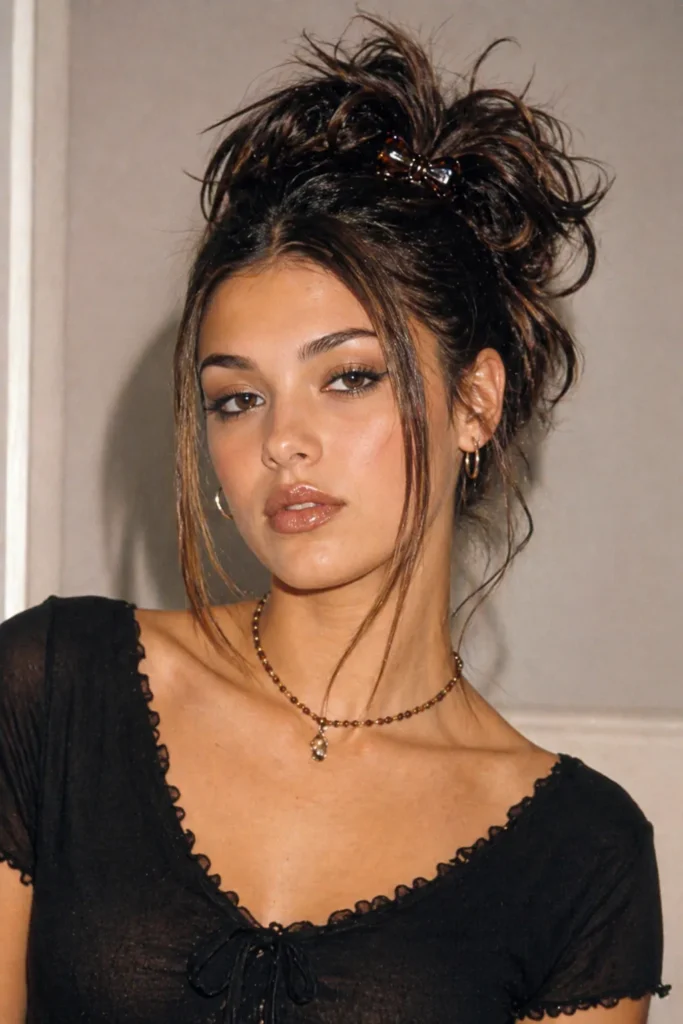
Pulled together in seconds, yet it never looks rushed. This updo holds its charm in how casually it comes together, with loose sections falling where they want instead of being forced into place. The claw clip anchors everything without removing that relaxed character.
Hair should not be pulled too tight here, since tension removes the effortless finish that defines this style. A single twist before clipping helps secure the base while still allowing ends to move freely. That slight looseness keeps the structure from feeling stiff.
A few strands left out near the front shift the entire balance of the style. It breaks symmetry and keeps the look from appearing overly controlled. That small detail is what separates a quick clip-up from something that actually feels styled.
6. Half Up Micro Braided Layers
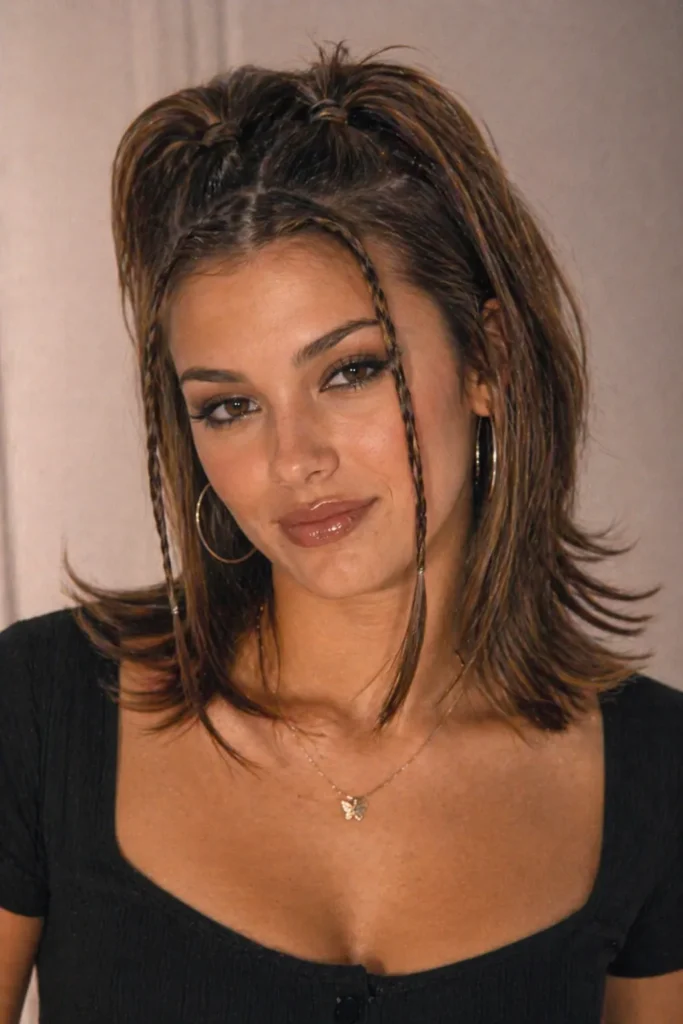
Small braids combined with a half-up structure bring detail without overwhelming the overall hairstyle. The top section is pulled back while thin braids are placed strategically, adding texture and interest while allowing the rest of the hair to fall freely.
Braids should be evenly spaced and kept thin to maintain balance without adding bulk. Secure the half-up section firmly at the crown, ensuring it stays in place while the loose lengths remain untouched and flow naturally below the secured portion.
Avoid placing too many braids, as that can take away from the layered effect and make the style appear crowded. Keeping the design minimal ensures that each braid stands out clearly while still blending into the rest of the hairstyle.
7. Voluminous Half Up Flip Layers
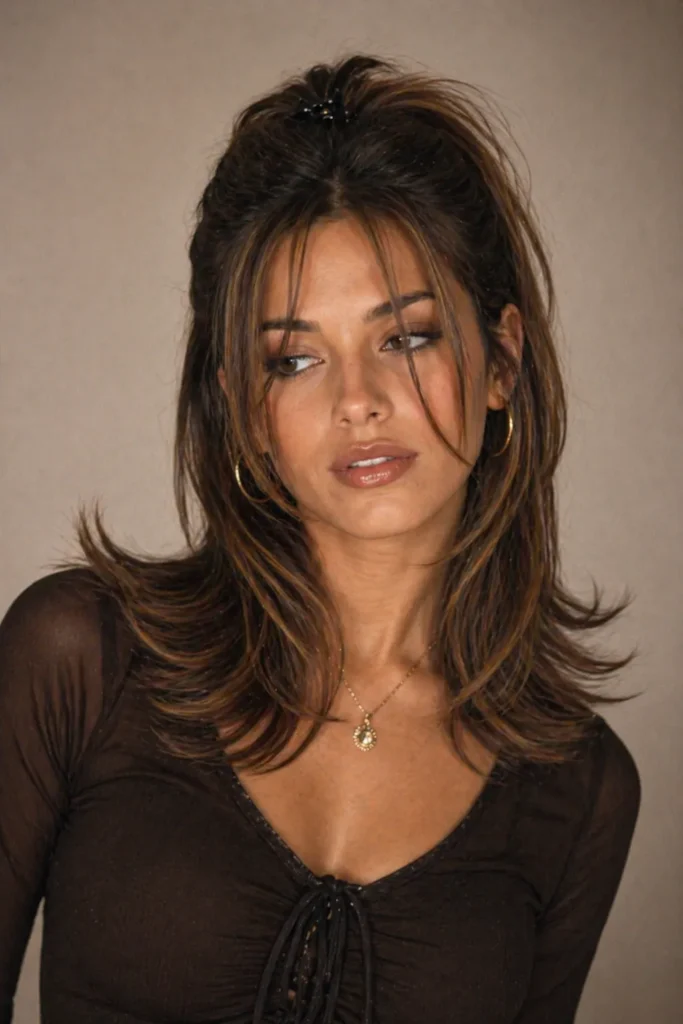
Lift at the crown paired with flipped ends gives this style a distinct 90s character that stands out instantly. The top section is secured while the lower layers turn outward, forming a clear contrast between controlled volume above and sharp direction at the ends.
The contrast is what carries this style, not just the volume or the flip alone. Lift at the crown draws attention upward, while the flipped ends push outward, creating a clear separation that makes the entire hairstyle visually sharper.
Avoid overloading the top section with products, since that reduces height and makes the style collapse faster. A light hold spray works better to maintain lift while allowing the flipped ends to stay defined and separated throughout the day.
Read More : 23 Freaknik Hairstyles That Scream 90’s Energy
8. Choppy Highlighted 90s Bob
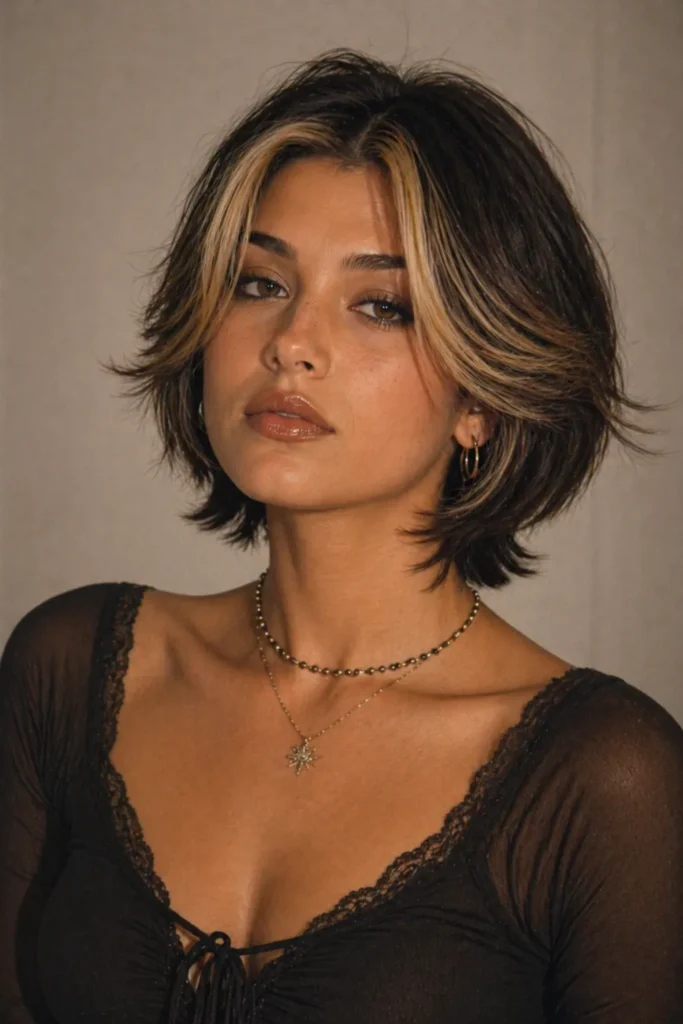
Uneven layers combined with bold highlights give this bob a sharp and dimensional finish. The choppy cutting pattern breaks uniformity, allowing each section to stand out, while lighter streaks enhance the texture and make the haircut appear more defined.
Nothing sits evenly here, and that is exactly the point. The uneven lengths break predictability, while the lighter sections cut across the base color, making each layer stand out without blending too softly into the rest of the hair.
Maintenance plays a key role here, since uneven layers can lose their shape if left untrimmed for too long. Keeping the edges refreshed ensures that the texture remains visible, while the highlights continue to emphasize the layered structure.
9. Spiky Textured 90s Pixie
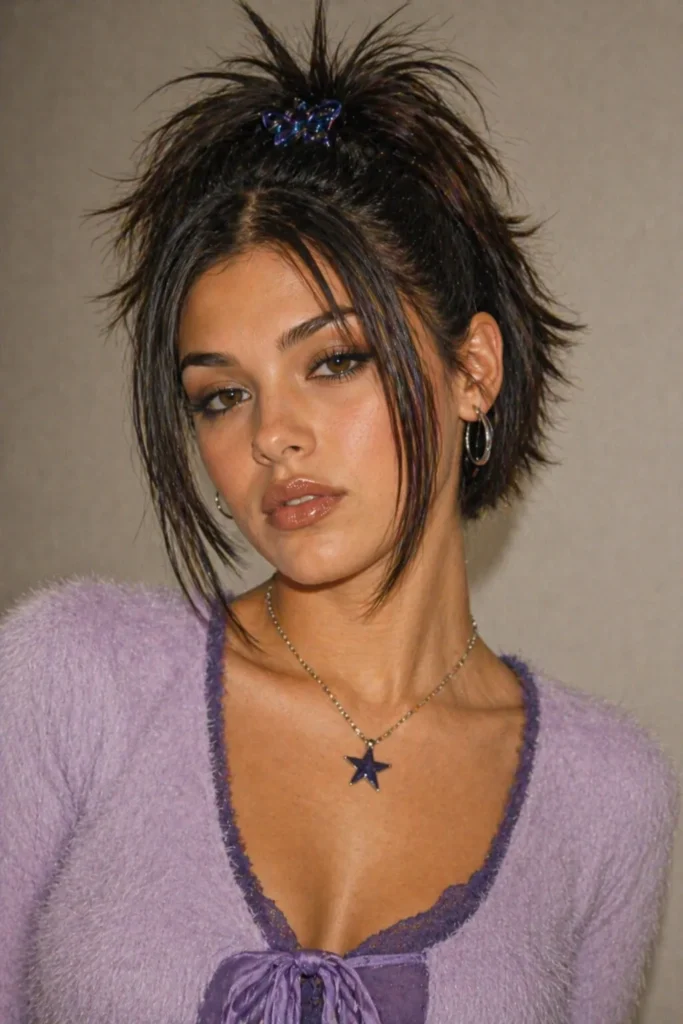
Short hair, sharp edges, and zero intention of blending in. This pixie stands out through uneven lengths that push sections upward, giving the hair a structured yet edgy finish. The texture carries the entire look, making it bold without needing additional styling elements.
Product use should stay controlled, focusing only on areas that need separation. Working through small sections helps define the spikes without flattening them. Too much product can collapse the texture, which removes the sharpness that defines this haircut.
Regular trimming keeps the edges clean and prevents the style from losing its identity. Once the lengths grow unevenly, the spikes lose their direction and start blending together. Keeping the cut refreshed ensures the shape remains consistent over time.
10. Mini Space Buns Bob
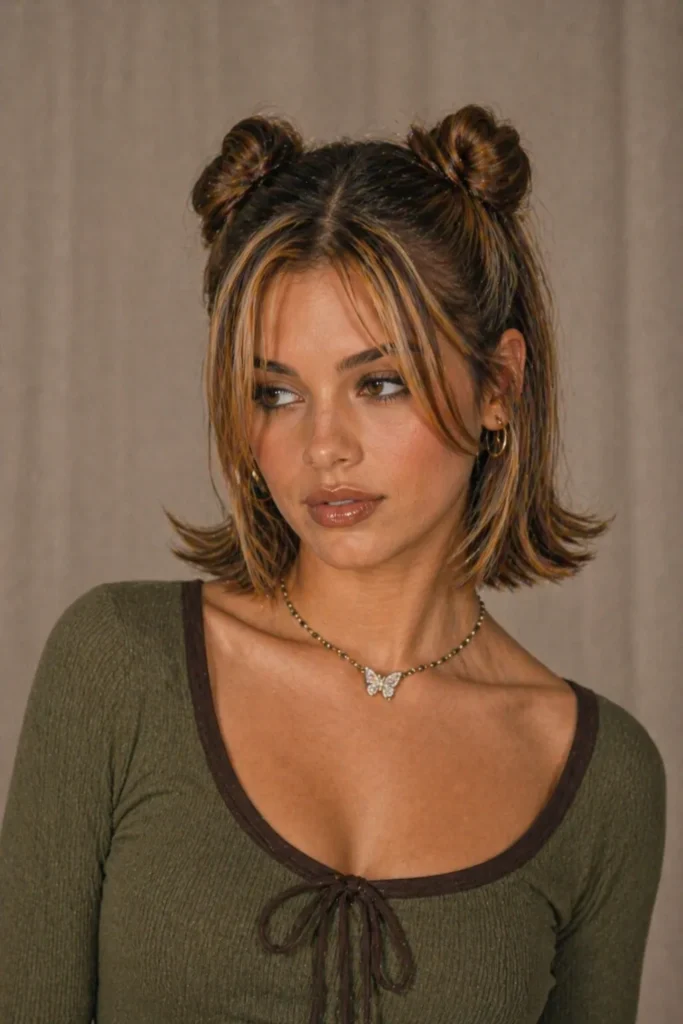
Short length, double buns, and a playful twist that changes everything. The contrast between tied sections and loose ends keeps the style visually interesting without relying on extra details. It feels light, youthful, and slightly unexpected in the best way.
There is something fun about how the buns sit above while the rest of the hair frames the face below. That split in structure creates balance without making the style feel heavy or overly styled.
It does not need volume or length to stand out. The shape alone carries enough character to make it noticeable. Sometimes, simplicity with the right placement says more than anything overly detailed.
11. Spiky High Pony Bob
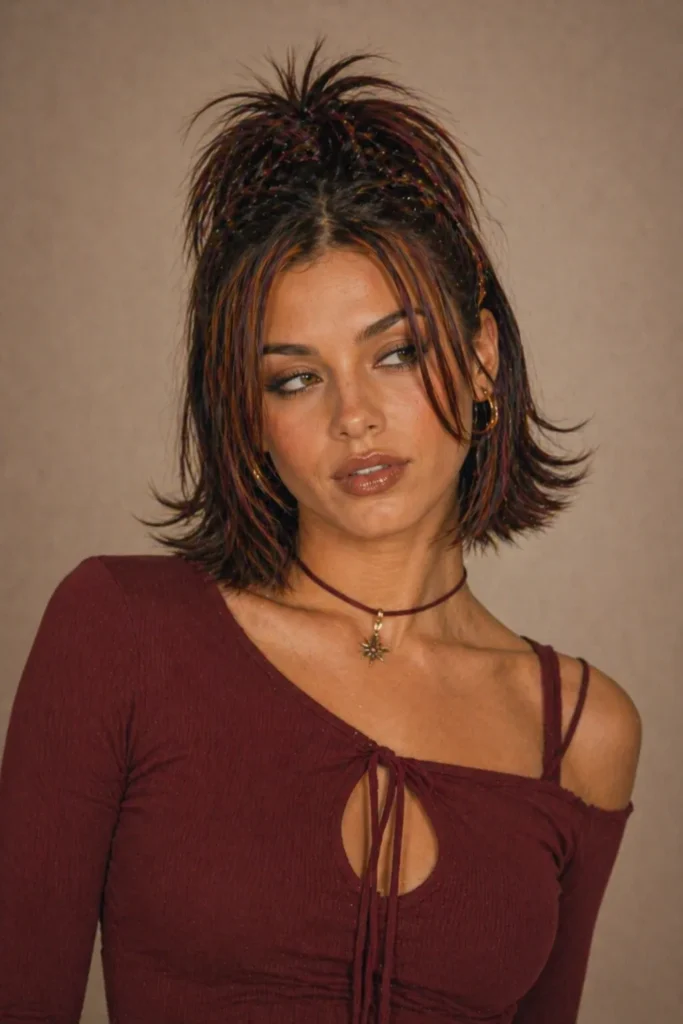
A high ponytail paired with spiked ends gives this bob a sharp and lifted appearance. The top is pulled tightly upward while the shorter ends flare outward, creating contrast between the sleek base and textured finish at the tips.
The tension at the top sets the direction, but the ends bring the character. That contrast between a tight base and unpredictable tips keeps the style from looking too controlled, giving it a sharper and more noticeable finish.
Keeping the base smooth while allowing the ends to stay irregular helps maintain balance in the style. Too much product can weigh down the spikes, so controlled application ensures the texture remains visible and holds its shape longer.
12. Soft Layered Blowout Highlights
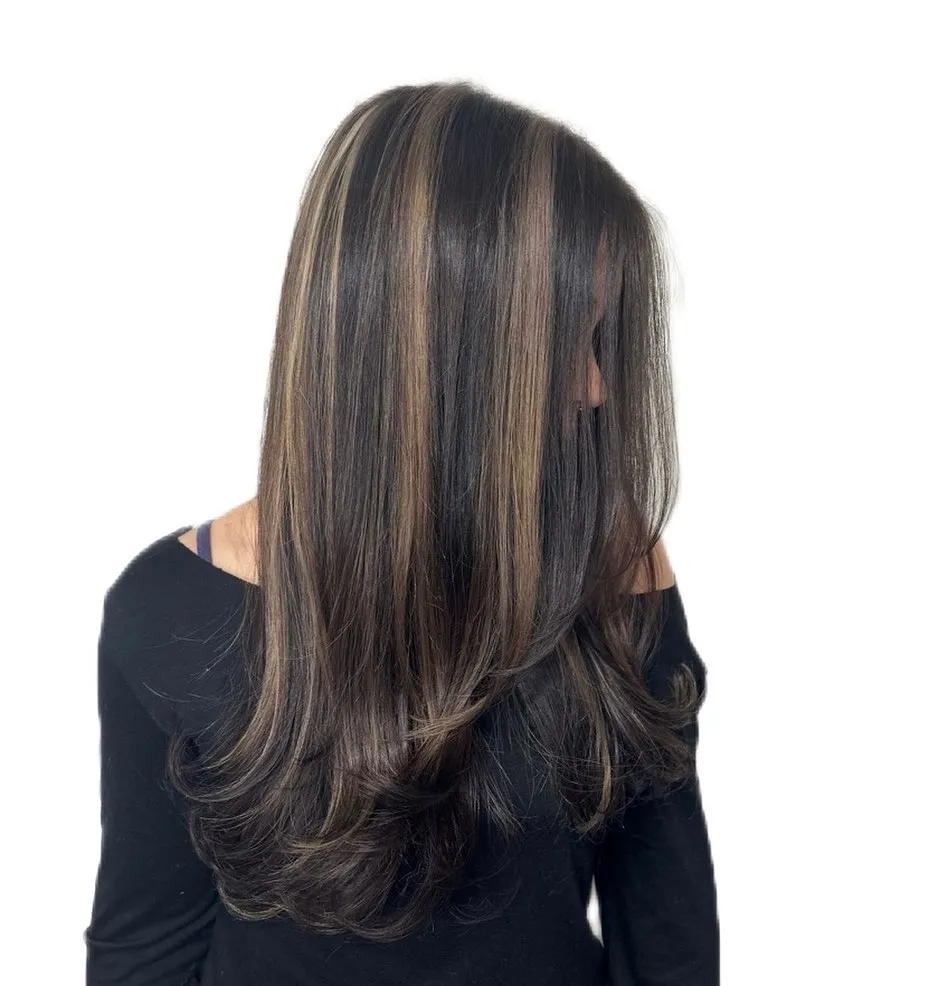
Source: rosejade_beauty805
Layered cutting combined with lighter tones brings dimension without heavy contrast. The highlights follow the direction of the layers, allowing each section to stand out while still blending smoothly into the overall shape of the haircut.
Blow-drying should enhance the layers rather than flatten them, so each section is lifted slightly at the roots before guiding the ends into place. This helps the highlights catch light differently across the layers, making the texture more noticeable.
Avoid placing highlights too close to the roots, as that can reduce depth and make the hair appear flat. Keeping the lighter tones focused through mid-lengths and ends helps maintain dimension while preserving the structure of the layers.
13. Half Up Mini Pony Style
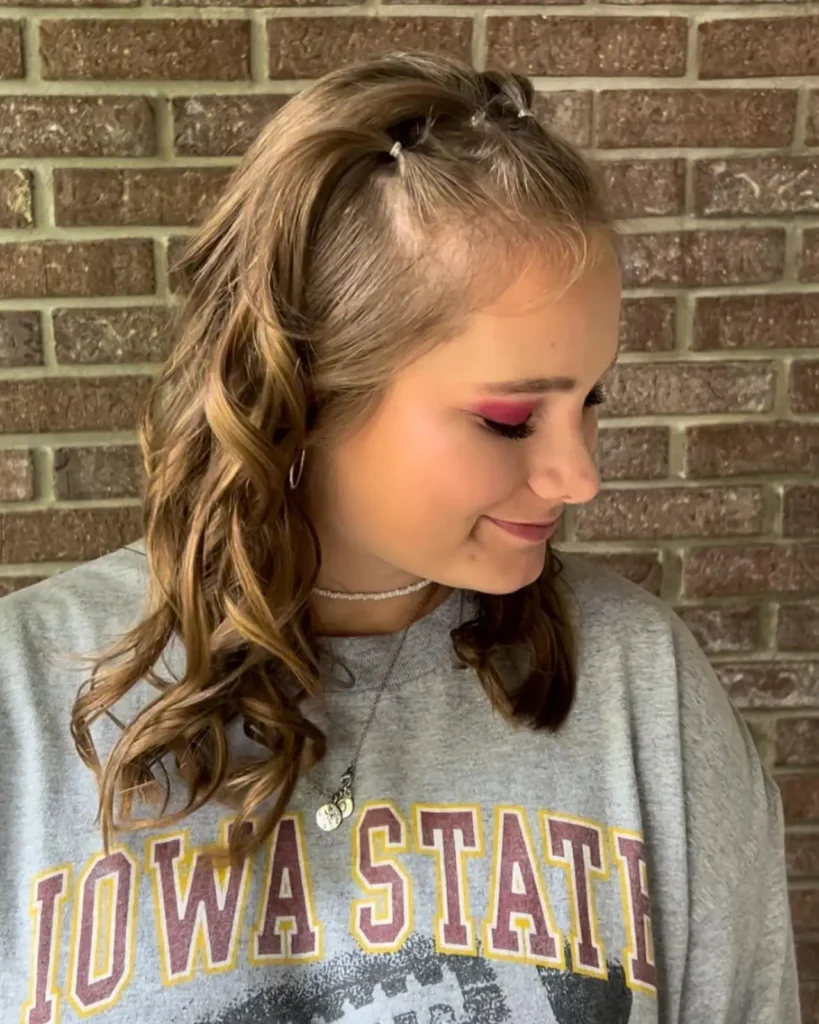
Source: natalie.doesmyhair
A small lifted pony at the crown changes the entire shape without pulling all the hair back. The top section sits slightly raised while the remaining lengths fall freely, keeping a balanced mix between structure and loose movement.
Positioning matters here, so placing the pony slightly above the crown gives better lift instead of a flat profile. Keep the section clean but not overly tight, allowing the base to hold without pulling the front hair too sharply.
Using a thin elastic keeps the focus on the shape rather than the accessory. Slightly teasing the crown before securing helps maintain height, ensuring the pony does not drop as the day goes on.
Read More : 24 Octopus Haircut Looks for Bold Hair Lovers
14. Bold Chunky Highlight Layers
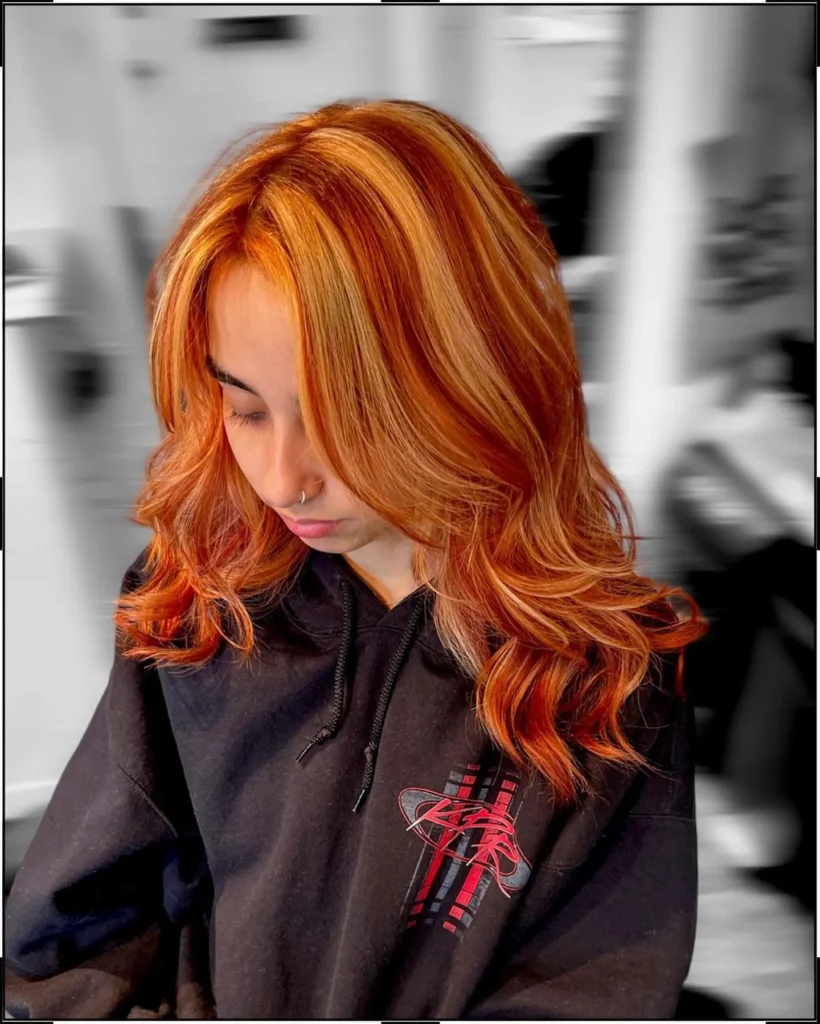
Source: hairxbyjem
Forget subtle blends, this style thrives on contrast. Thick highlight sections cut through the base color, making every layer stand out clearly instead of fading into each other. The bold placement gives the haircut depth without relying on complex styling.
Color placement matters more than quantity, especially when working with wider sections. Highlights should follow the natural fall of the layers, allowing them to enhance movement instead of disrupting it. Balanced spacing keeps both sides visually even.
Too many light sections can remove depth from the hair, making it appear flat instead of dimensional. Leaving enough base color between highlights keeps the contrast strong, ensuring each section remains visible without overpowering the overall style.
15. Sleek Double Mini Buns
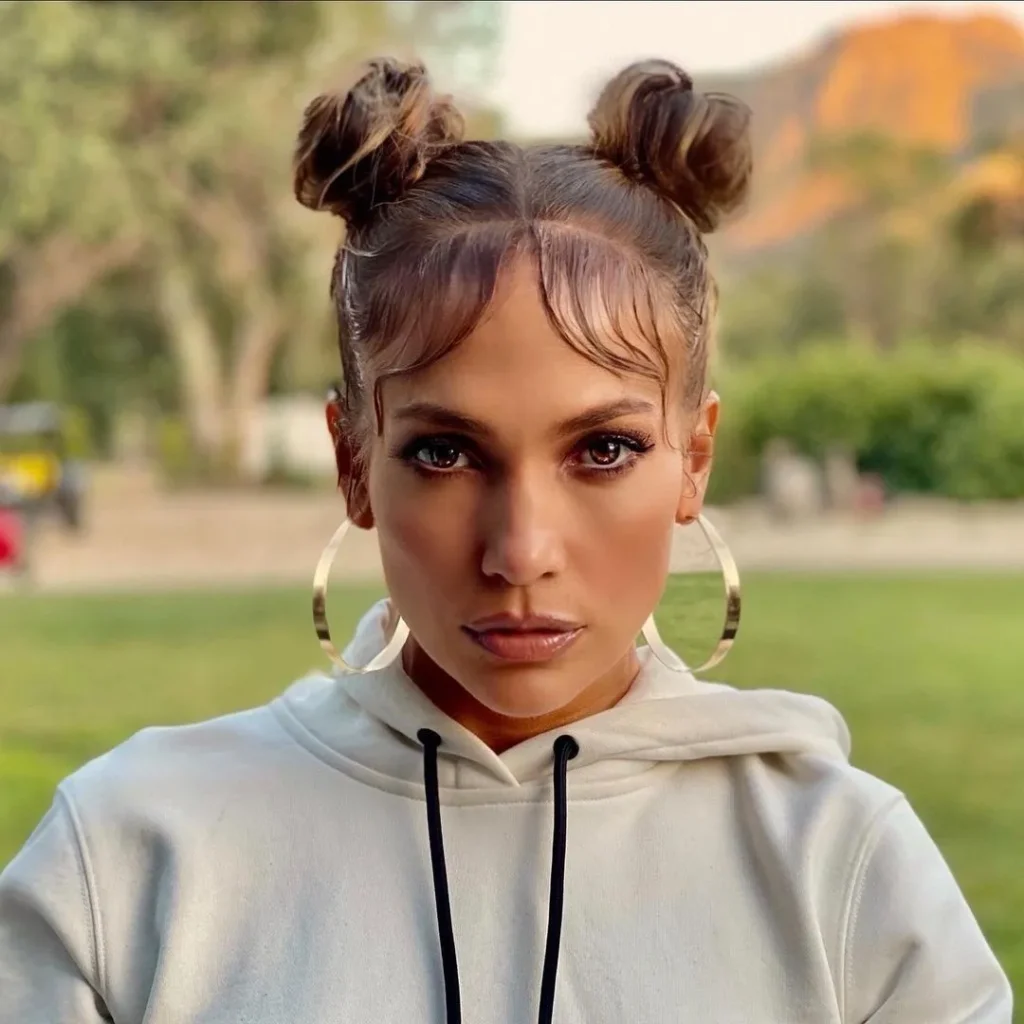
Source: savoirflair
Two tightly secured buns placed symmetrically give a clean and controlled finish. The surface remains smooth while the buns hold their shape, creating a sharp contrast between the polished base and the structured sections.
Hair should be brushed evenly before sectioning to avoid uneven tension across both sides. Secure each bun tightly at the same height, ensuring symmetry so one side does not appear higher or larger than the other.
Using a small amount of smoothing product helps keep flyaways in place without making the hair heavy. Maintaining clean parting lines ensures the style remains sharp and visually balanced from every angle.
16. Voluminous Flipped Layered Bob
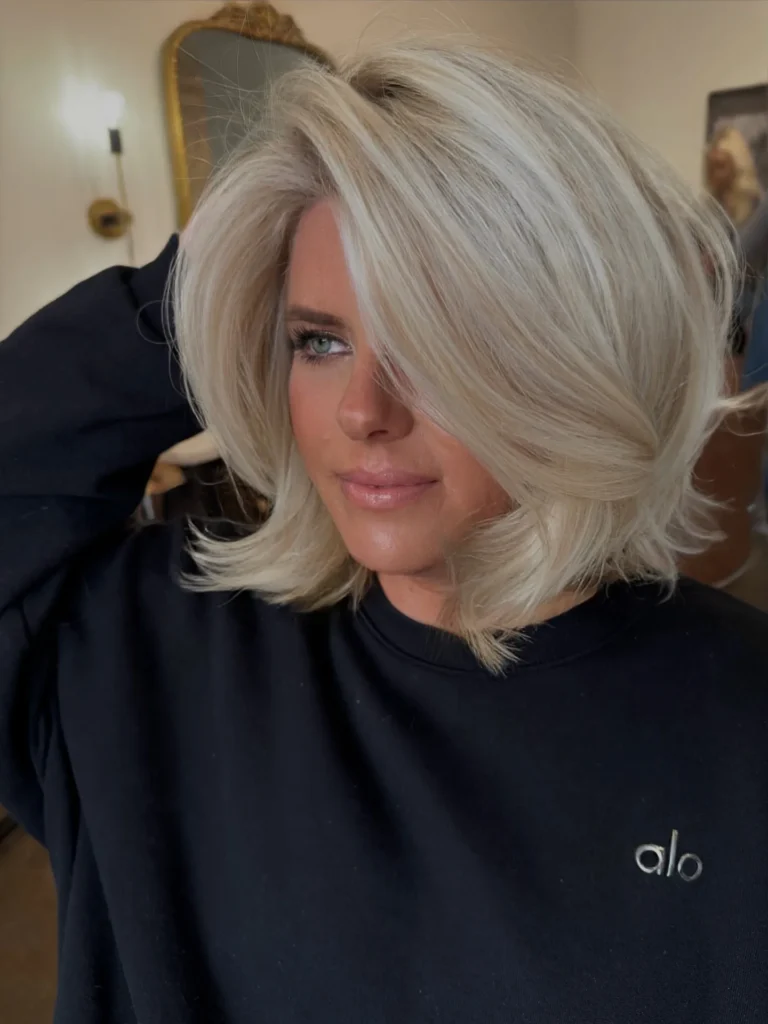
Source: sarah.styles.tx
Short length with outward flipped ends gives this bob a distinct 90s direction that stands out immediately. Layers are cut to sit above each other, allowing the ends to turn outward instead of falling flat, which keeps the shape sharp and noticeable.
The flip is not just at the ends, it shifts how the entire shape reads from a distance. Instead of falling inward, the outward direction opens up the haircut, making each layer more visible and giving the bob a wider, more defined outline.
Consistency in the flip keeps the haircut structured, so avoid mixing inward and outward directions. Maintaining the cut with regular trims ensures the ends stay sharp, preventing the style from losing its signature outward shape over time.
17. Fiery Chunky Highlight Shag
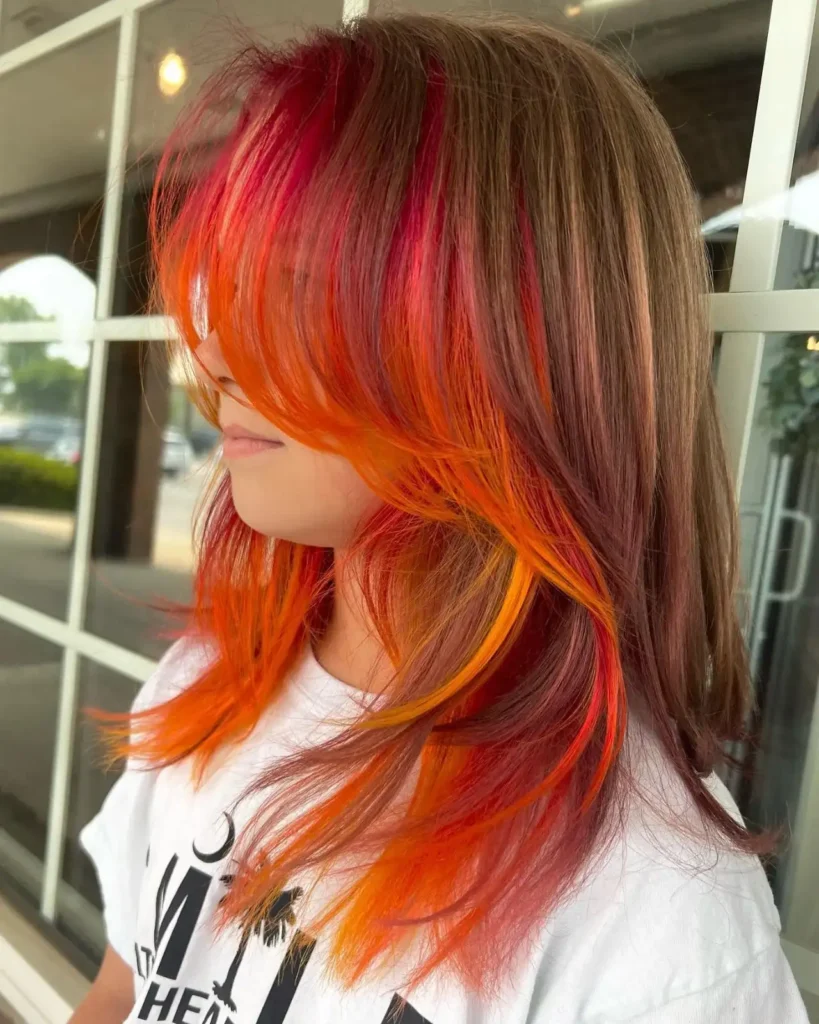
Source: meganrosecolors
Heavy layers combined with bold, warm-toned highlights give this shag a strong textured finish. The cut builds volume through uneven lengths, while the brighter tones sit across the layers, making each section stand out more clearly.
Cutting should focus on removing weight from different areas instead of following a uniform pattern. Highlights need to be placed where layers separate naturally, ensuring the color enhances the texture rather than sitting flat across the surface.
Too many highlights can reduce depth, so spacing them properly keeps contrast visible. Maintaining the shag requires keeping the layers refreshed, as overgrown sections can blend together and reduce the overall textured effect.
18. Messy Double Space Buns
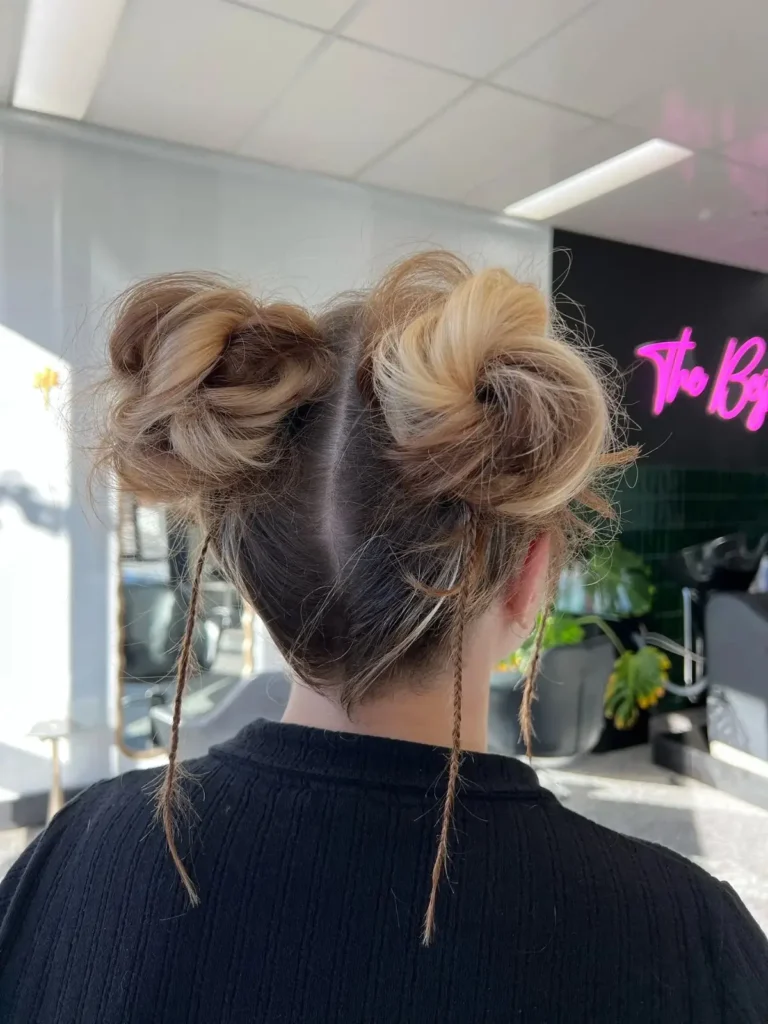
Source: hannahmahoney.hair.artistry
Loose, undone, and slightly unpredictable, that is where this style finds its strength. The buns are not meant to be identical, and that small imbalance gives them personality. Strands fall out naturally, breaking symmetry in a way that feels intentional.
There is a relaxed rhythm in how everything sits, nothing too tight, nothing too controlled. That freedom keeps the style from feeling stiff while still holding its general structure throughout wear.
It reflects a certain ease that cannot be forced. The less it is adjusted, the better it tends to look. That kind of effortless attitude is what keeps this style relevant even beyond its original era.
19. Layered Face Framing Blowout
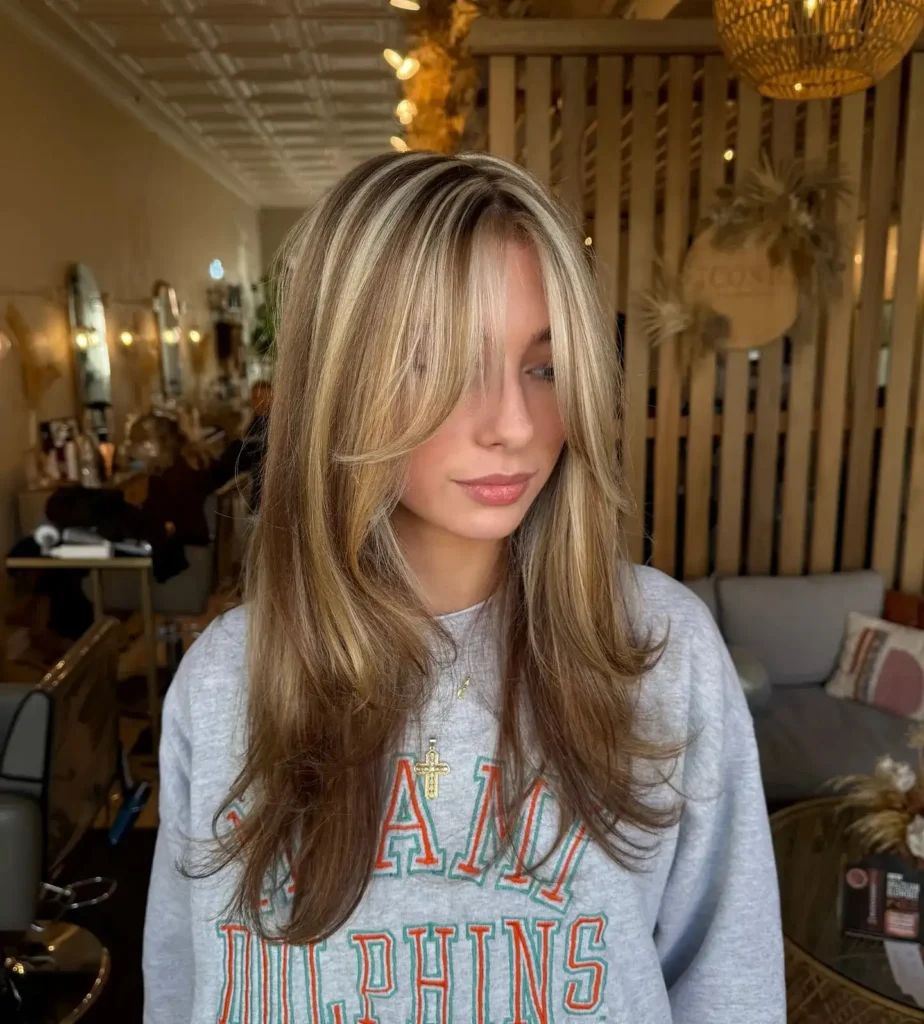
Source: hairbyrandy_
Front layers combined with a blowout shift attention directly toward facial features while keeping the rest of the hair structured. The shorter sections curve inward slightly, blending into longer lengths without sharp lines, giving a balanced shape that works across different hair densities.
Drying should begin from the front sections first, since they define the overall direction of the style. Use a round brush to guide the layers inward while keeping tension steady, ensuring the shape holds without collapsing or turning uneven across both sides.
Avoid applying heavy products near the front, as that can weigh down the layers and reduce their definition. Keeping the front sections light allows them to maintain shape longer, while the rest of the hair supports the structure without overpowering it.
Read More : 23 Cornrows Hairstyles for Black Women for Every Occasion
20. Soft Balayage Layered Waves
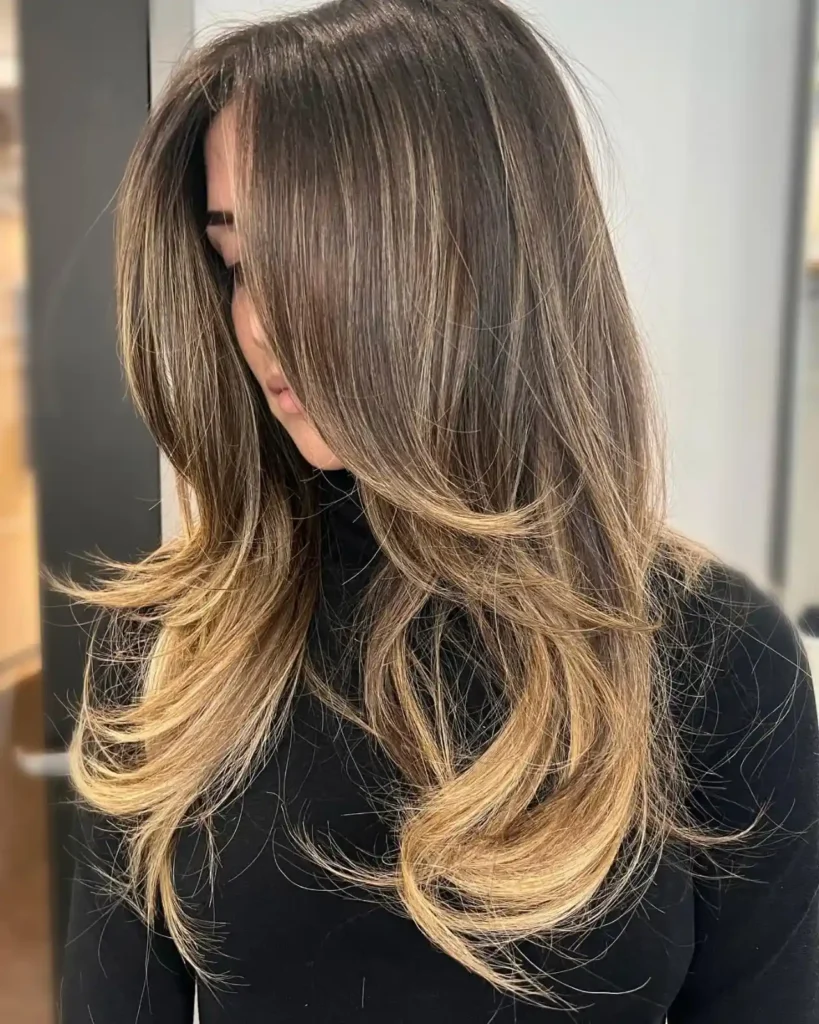
Source: sugar_m_a_n_e
Gradual color blending paired with layered waves gives this style a smooth transition between tones. The lighter shades sit through the mid-lengths and ends, allowing the layers to catch light differently without creating harsh contrast between sections.
Color placement does more than brighten the hair, it changes how depth is perceived across the layers. Lighter tones catch light differently, creating variation without sharp contrast, which allows the waves to stand out without looking overly defined.
Spacing between color sections plays a key role, since too much lightness near the top reduces depth. Keeping the base slightly darker helps maintain contrast, allowing the layered waves to stand out more clearly across the lengths.
21. Flipped Out Blonde Bob
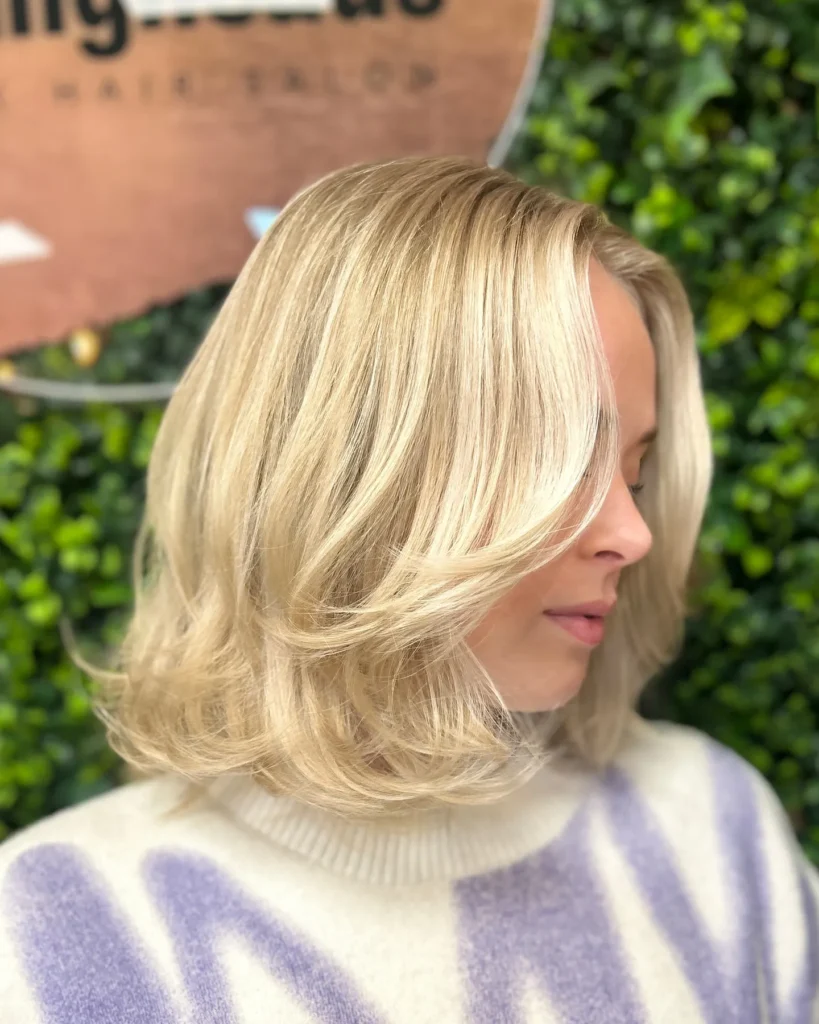
Source: hairbycharlotte90
Bright tone combined with outward flipped ends gives this bob a sharp and noticeable finish. The length sits around the jawline, while the ends turn outward evenly, creating a structured edge that defines the overall shape.
Styling should focus on flipping only the bottom sections, keeping the upper portion smooth and controlled. Use a flat iron or round brush to guide the ends outward, ensuring each section follows the same direction for a clean result.
Maintaining the brightness requires regular toning to prevent unwanted brassiness. Keeping the ends trimmed also helps the flip stay sharp, as uneven edges can disrupt the direction and reduce the clarity of the overall shape.
22. Voluminous 90s Supermodel Layers
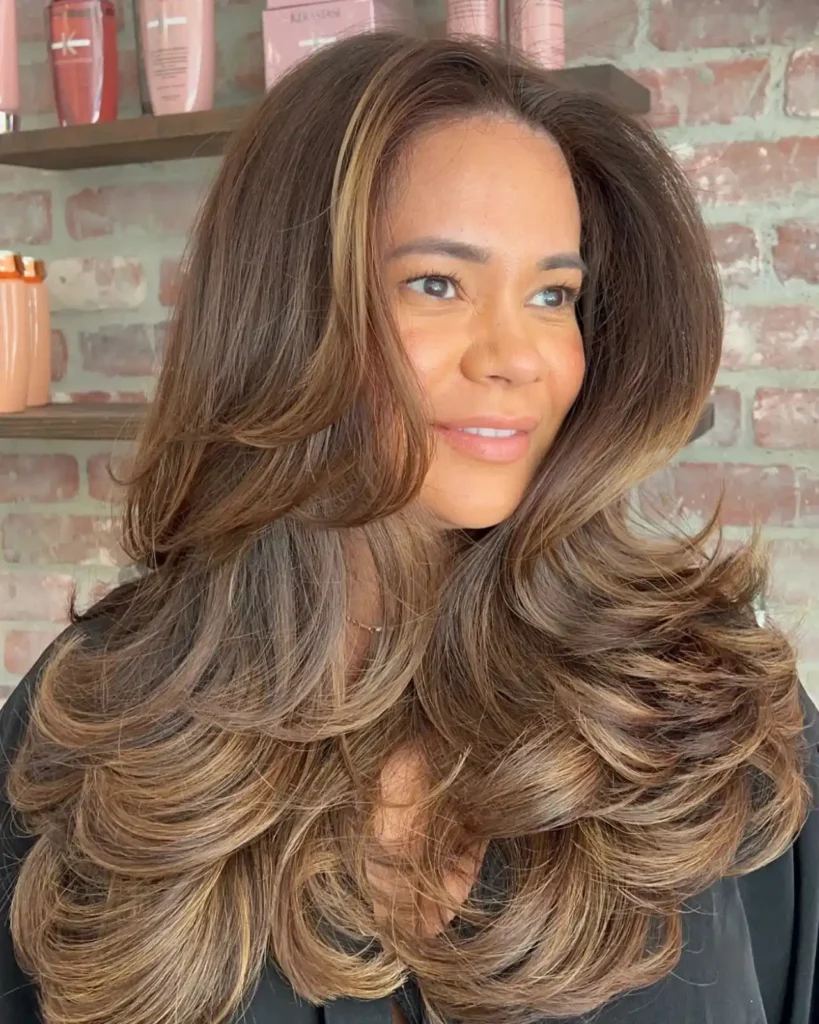
Source: suzistylz
Big layered cuts with lifted roots defined high-fashion hair during the decade, bringing attention to length and structure at the same time. The layers fall away from the face while maintaining fullness through the crown, giving a strong and noticeable shape.
Height alone does not define this style, it is how the layers move away from the face that makes the difference. The backward direction creates space around the front, giving the cut a lifted appearance without relying only on volume.
Keeping the layers well-defined requires avoiding heavy styling products that can flatten the shape. Light hold formulas maintain lift while allowing the hair to keep its volume, ensuring the layered structure remains visible throughout the day.
23. Sleek Long Layered Cut
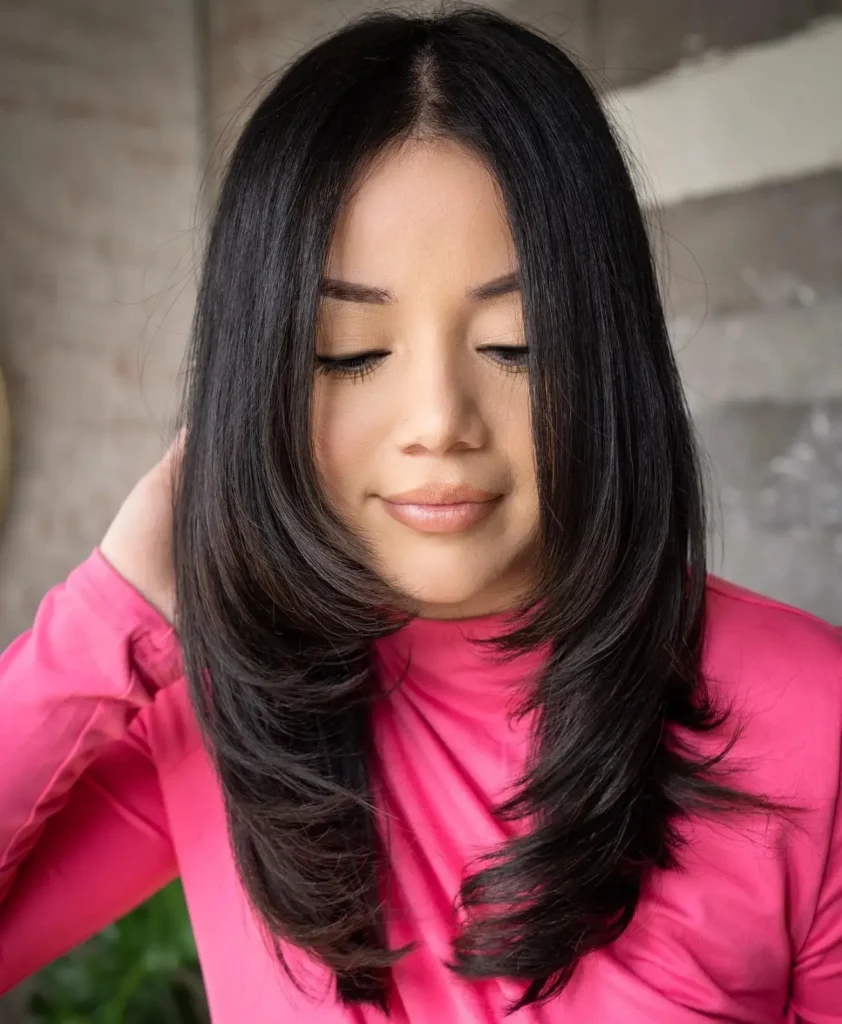
Source: erickaheartshair
Long lengths combined with subtle layering give this cut a clean and controlled appearance. The layers are placed carefully to reduce weight without disrupting the overall length, allowing the hair to fall smoothly while still maintaining internal structure.
Straightening should follow the natural fall of the hair, keeping each section aligned instead of forcing direction changes. A flat iron works best when used in slow, consistent passes, ensuring the surface remains even without creating unwanted bends.
Regular trimming keeps the ends sharp and prevents the layers from blending too much into the length. Maintaining clean edges ensures the cut continues to hold its structure, allowing the layers to support the overall shape without becoming invisible.
24. Butterfly Clip Half Up
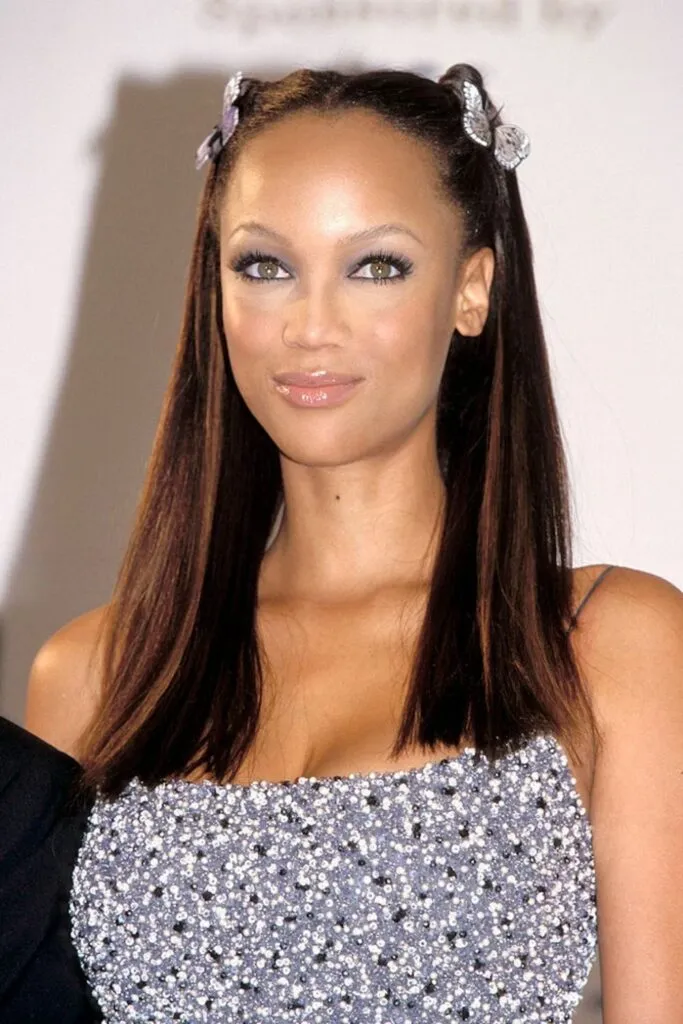
Small clips, scattered placement, and a style that leans into playfulness without hesitation. The top sections stay secured while the rest flows freely, creating a contrast that feels light and expressive rather than structured.
Each clip becomes part of the design, not just an accessory. The spacing, the color, the placement all contribute to the overall effect without making the style feel crowded or overdone.
It carries a nostalgic charm that stands out instantly. Simple elements come together in a way that feels expressive without needing complexity. Sometimes, the smallest details hold the strongest presence.
25. Defined 90s Curly Volume
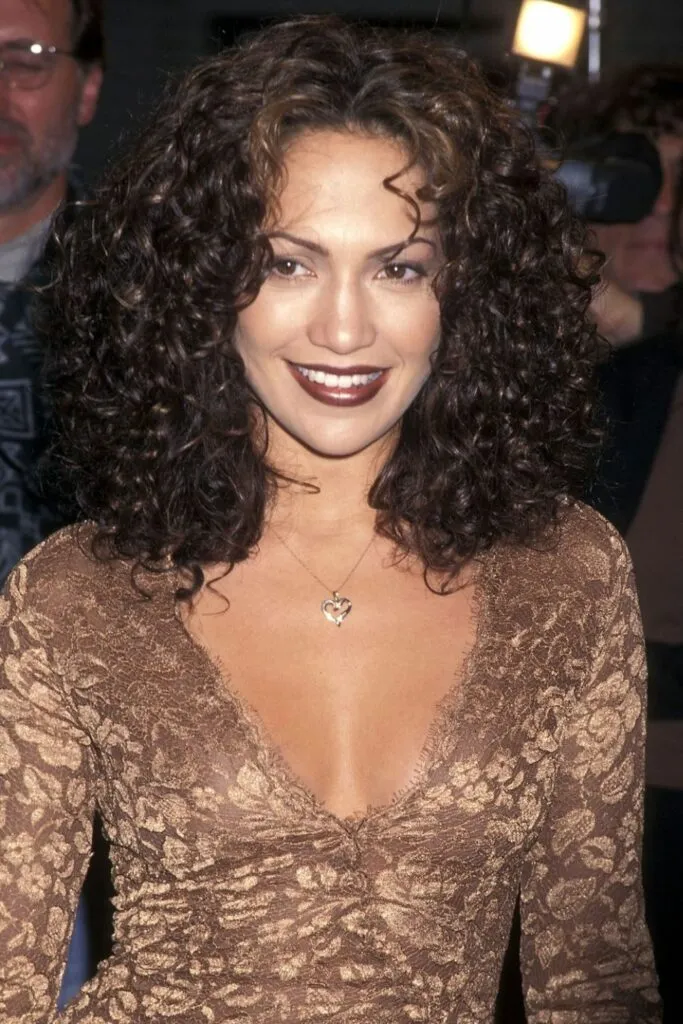
Structured curls with controlled volume give this style a strong shape that stands out without appearing loose or undefined. The curls are formed evenly throughout the hair, creating a balanced distribution of volume from roots to ends without excessive bulk.
Curl formation should stay consistent in size to avoid uneven texture across sections. Using a diffuser helps maintain curl pattern while reducing frizz, ensuring each section dries in place without being stretched or disrupted during the drying process.
Maintaining this style requires hydration without weighing the curls down. Lightweight curl creams help hold definition while keeping movement intact, allowing the curls to stay shaped and separated instead of merging into a single mass.
Caring for Layers
Keeping layers fresh becomes much easier when a few simple habits are followed consistently. These small changes help maintain definition without adding extra effort to your routine.
- Focus hydration on mid-lengths and ends to keep roots lifted and light
- Use lightweight serums to prevent ends from appearing dry or frayed
- Sleep on silk or satin to reduce friction and preserve layer direction overnight
Essential Vintage Tools
The right tools can completely change how your hairstyle turns out, especially when working with volume and texture. A few classic tools still deliver the most reliable results.
Tool | Primary Purpose |
|---|---|
Round Brush | Adding lift and bounce |
Claw Clip | Quick and easy updos |
Diffuser | Defining curl patterns |
Trimming Schedule
Regular trims play a bigger role than most people expect, especially when your style depends on layers or sharp edges. Keeping up with timing helps maintain the overall look.
- Trim every 6 to 8 weeks to keep layers defined and sharp
- Delaying trims can cause layers to blend and lose direction
- Regular upkeep helps styles hold their intended form longer
Style Selection Guide
Choosing the right style becomes easier when you focus on what you want your hair to achieve. Matching your goal with the right type of style makes the result more satisfying.
- For volume → layered blowouts or supermodel layers
- For texture → shag cuts or spiky styles
- For quick styling → claw clip or half-up styles
FAQs
1. Are 90s hairstyles suitable for all hair types?
Yes, many 90s hairstyles can be adapted for straight, wavy, or curly hair with small styling adjustments.
2. How can I add volume like 90s hairstyles at home?
Focus on root lifting techniques like blow-drying upward and using lightweight products that do not weigh hair down.
3. Do 90s hairstyles require a lot of styling time?
Not always, many styles like claw clip updos or half-up looks can be done quickly without complex steps.
4. Which 90s hairstyle works best for thin hair?
Layered cuts and blowouts are great choices as they help add dimension and make hair appear fuller.
Conclusion
90s hairstyles continue to stand out because they focus on volume, texture, and individuality rather than blending everything into one uniform finish. Each style gives a different way to refresh your hair and bring back definition without relying on complicated styling.
I have seen how the right hairstyle can completely change someone’s confidence and overall presence. Try one of these looks, save your favorites on Pinterest, and share them with someone who needs a fresh hairstyle idea today.
Read More : 21 Hairstyles for Thin Fine Hair Over 60 Looks