23 Short Hairstyles for Women Over 70 to Try Now
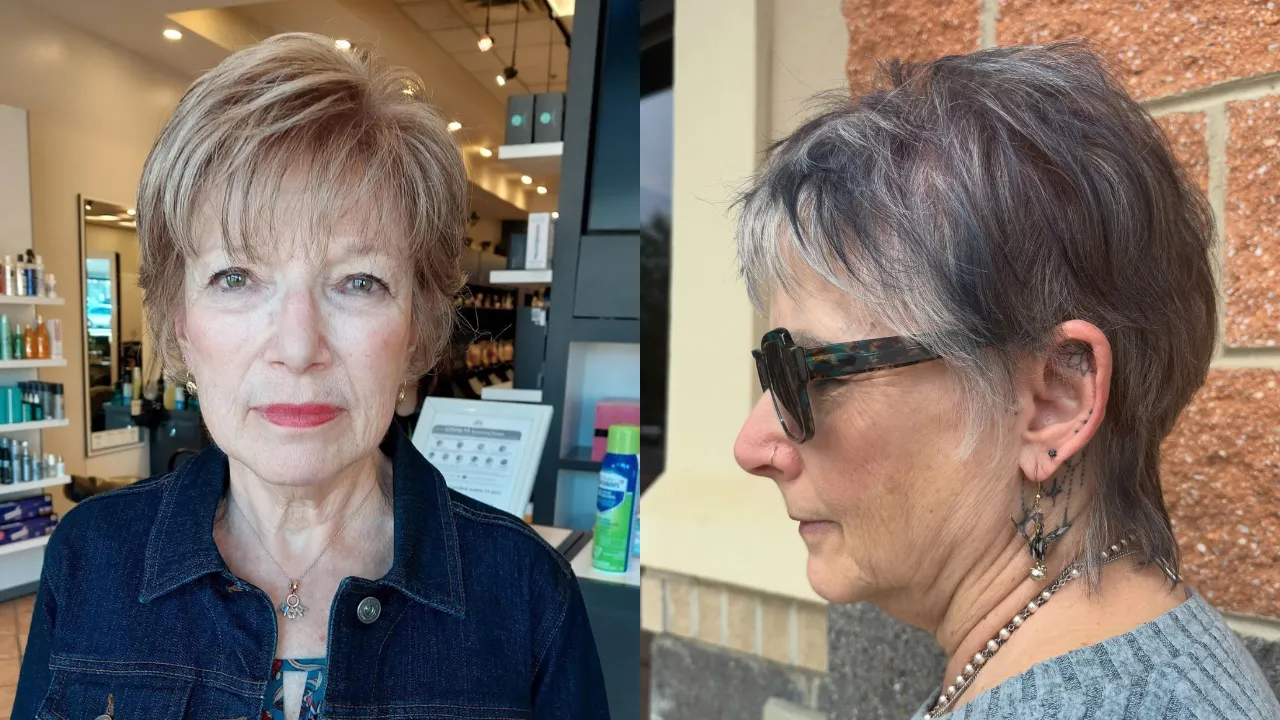
Your hair does not have to become harder to manage just because you want a shorter cut. Short hairstyles for women over 70 can make everyday styling simpler while still giving you plenty of ways to show your personality.
This collection brings together 23 hairstyle ideas ranging from cropped pixies and tapered cuts to layered and chin length bobs. Each one offers a different approach to common concerns such as finer hair, changing texture, silver strands, limited styling time, or wanting more shape around the face.
You will also find practical hairstyling observations about volume, layering, bangs, hair density, and choosing a cut that works with your daily routine. Whether you are ready for a noticeable change or simply want a fresh direction for your next salon visit, these ideas can help you find a shape worth saving and showing your stylist.
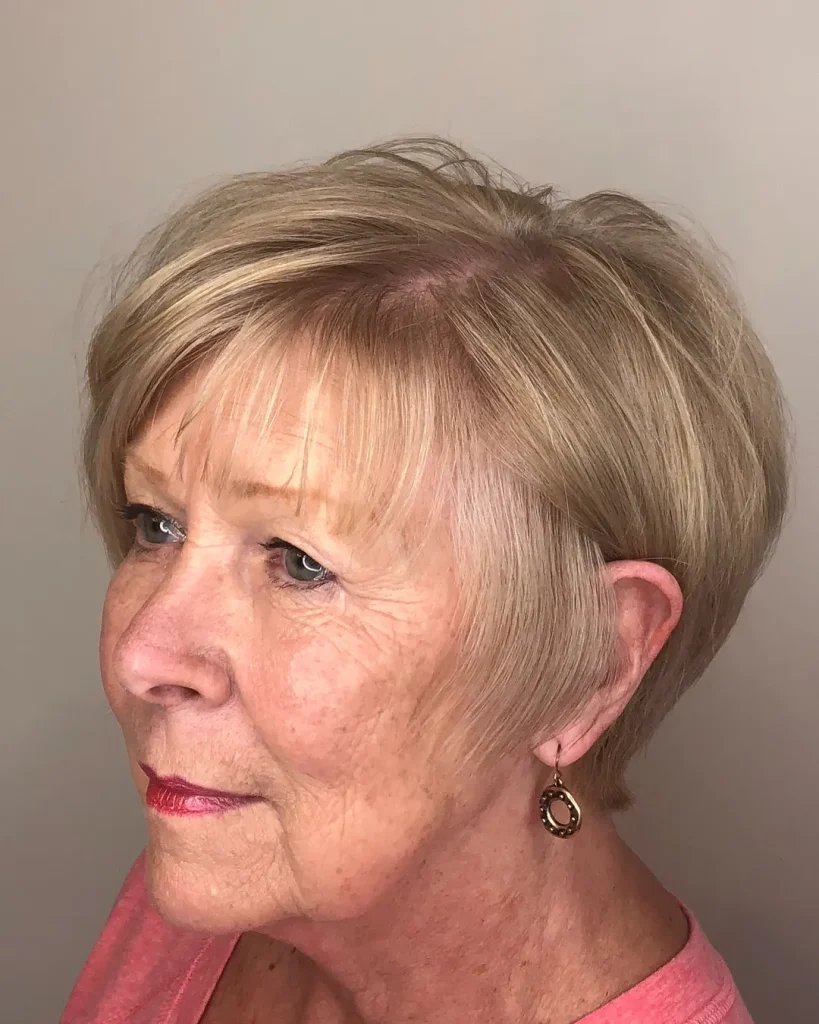
1. Classic Rounded Pixie Bob
Source: craigberns
When the hair around your sides starts looking finer, going shorter can actually help you keep a sense of fullness. A rounded pixie bob leaves enough length through the top and sides to support a fuller shape, while the shorter cut makes the morning routine less demanding.
The curved outline suits straight to slightly wavy hair because the shape remains visible without requiring elaborate styling. A little lift at the crown can also stop the hair from sitting too close to the head, especially when the strands have become finer with age.
For mature hair, I would ask your stylist to preserve some weight around the sides instead of heavily thinning everything out. Removing too much density can make fine hair seem even sparser, while a controlled perimeter helps the haircut retain substance.
2. Feathered Silver Pixie
Source: beautyholic.vi
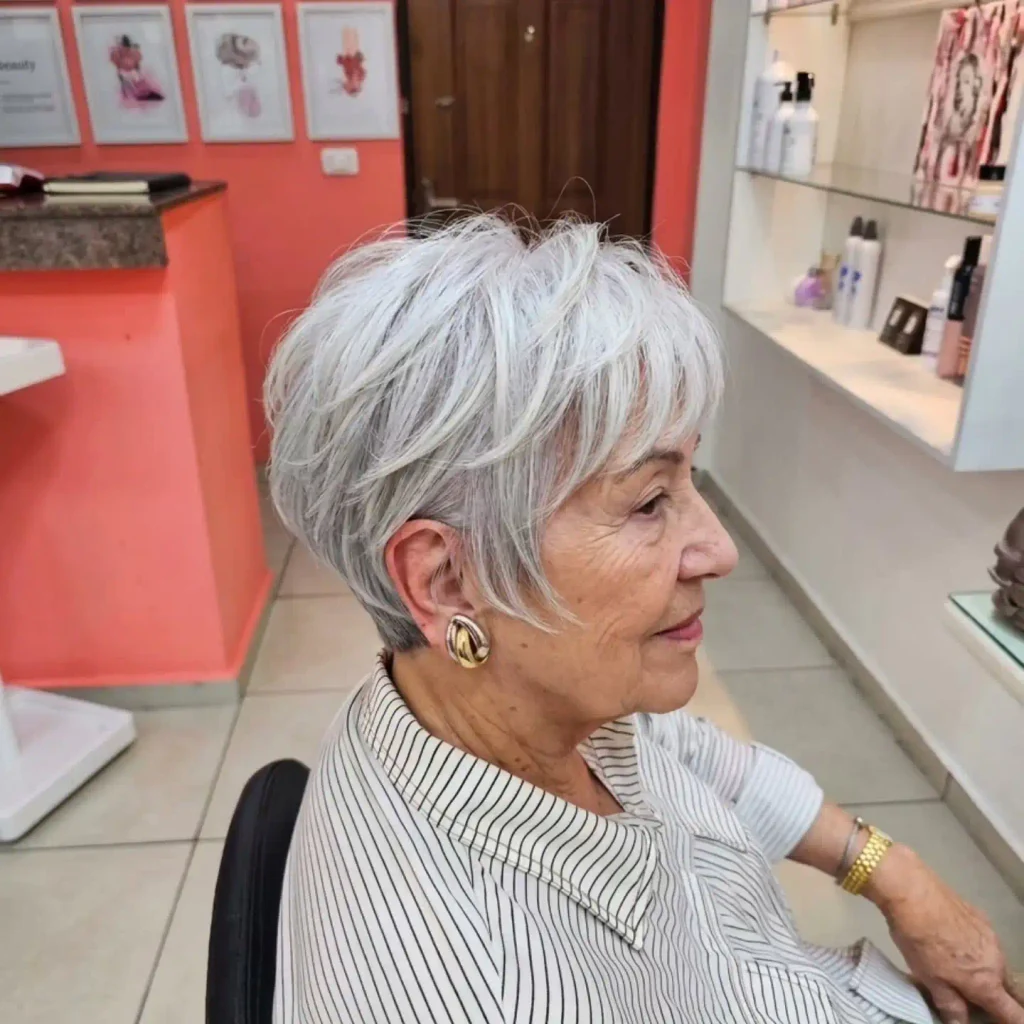
Silver hair can become finer in some areas and wirier in others, which makes a completely uniform short cut tricky to manage. Feathered layers offer another approach, using light pieces around the crown and sides to give the hair direction without adding unnecessary bulk.
The feathering also lets the silver color show variation through the haircut. You can brush the top forward, sweep it slightly sideways, or leave a few pieces separated with your fingers when you want a more relaxed finish.
One hairstylist detail worth remembering is to keep the feathering purposeful around the crown. If too much hair is removed from an already fine area, the cut can lose the fullness you were hoping to maintain.
Read More : 21 Hairstyles for Thin Fine Hair Over 60 Looks
3. Textured Tapered Pixie
Source: beaucheveux
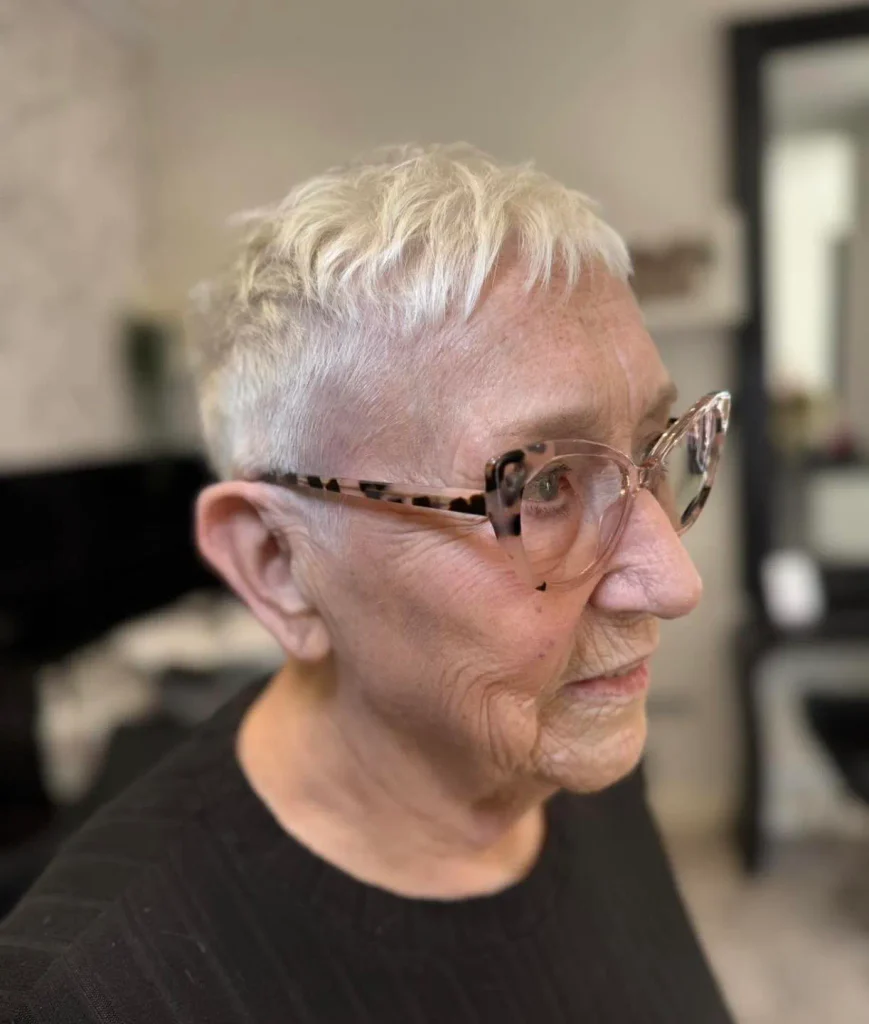
Some mornings, you simply want to comb your hair, make one small adjustment, and move on with your day. A textured tapered pixie suits that routine by keeping the sides and nape close while leaving more length through the upper section for movement.
The difference between the compact sides and fuller crown gives the haircut definition without needing long hair. A small amount of lightweight styling cream can separate the upper pieces, particularly when fine strands tend to settle together after drying.
Hair texture should guide the amount of layering here. Wavy or slightly coarse hair can support more separation, while fine straight hair may need fewer short pieces to keep the crown from becoming too sparse.
4. Piecey Layered Pixie
Source: hair.by.kennedy.r
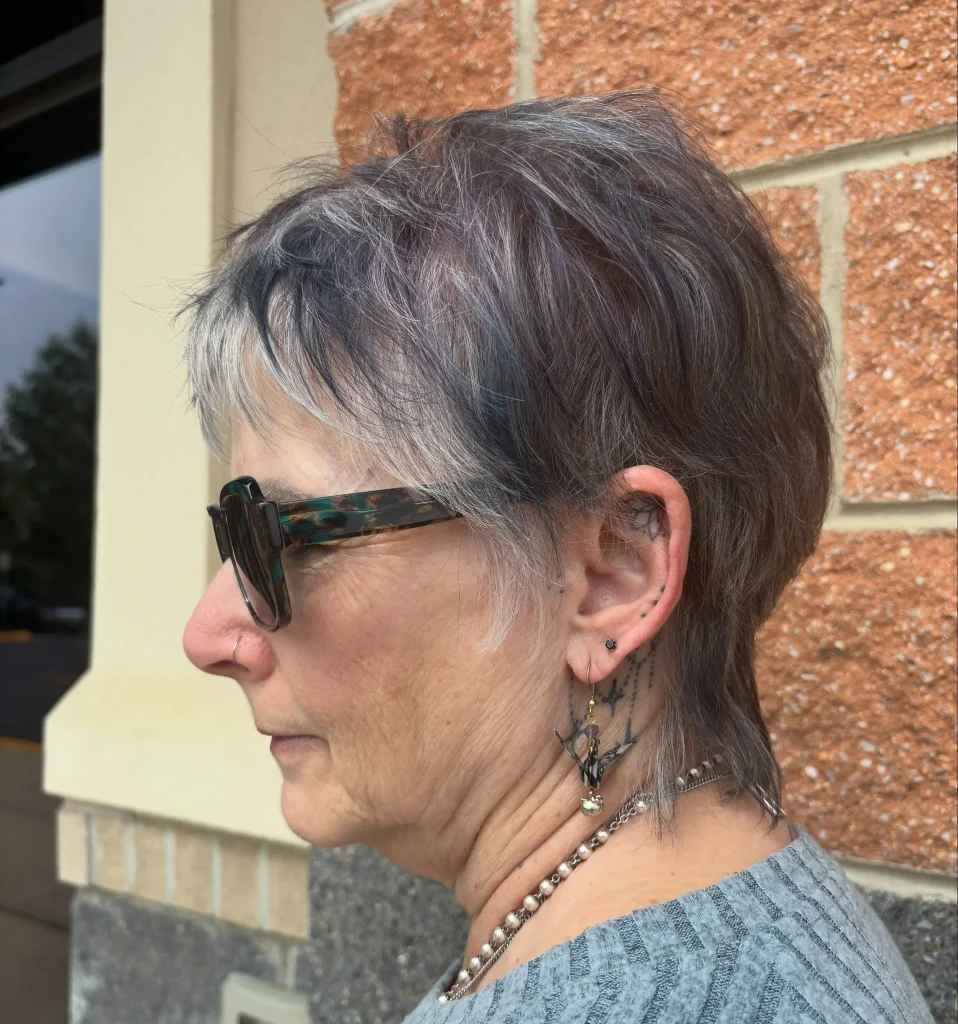
If your hair tends to lose its shape soon after washing, a piecey cut can make those short strands work in your favor. Uneven layers through the crown separate the hair into lighter sections, while the slightly irregular ends keep the haircut from becoming too rigid.
The top can be moved in several directions, which makes this cut more adaptable than a one direction crop. Run your fingers through the crown, guide a few pieces toward the forehead, or sweep them sideways depending on how you want to wear your hair that day.
For finer strands, I would keep the layering concentrated through the upper section rather than removing too much from the entire head. A lightweight styling wax can define selected ends, but using too much product may flatten the shorter pieces.
5. Soft Shaggy Pixie Mullet
Source: midnight_carole
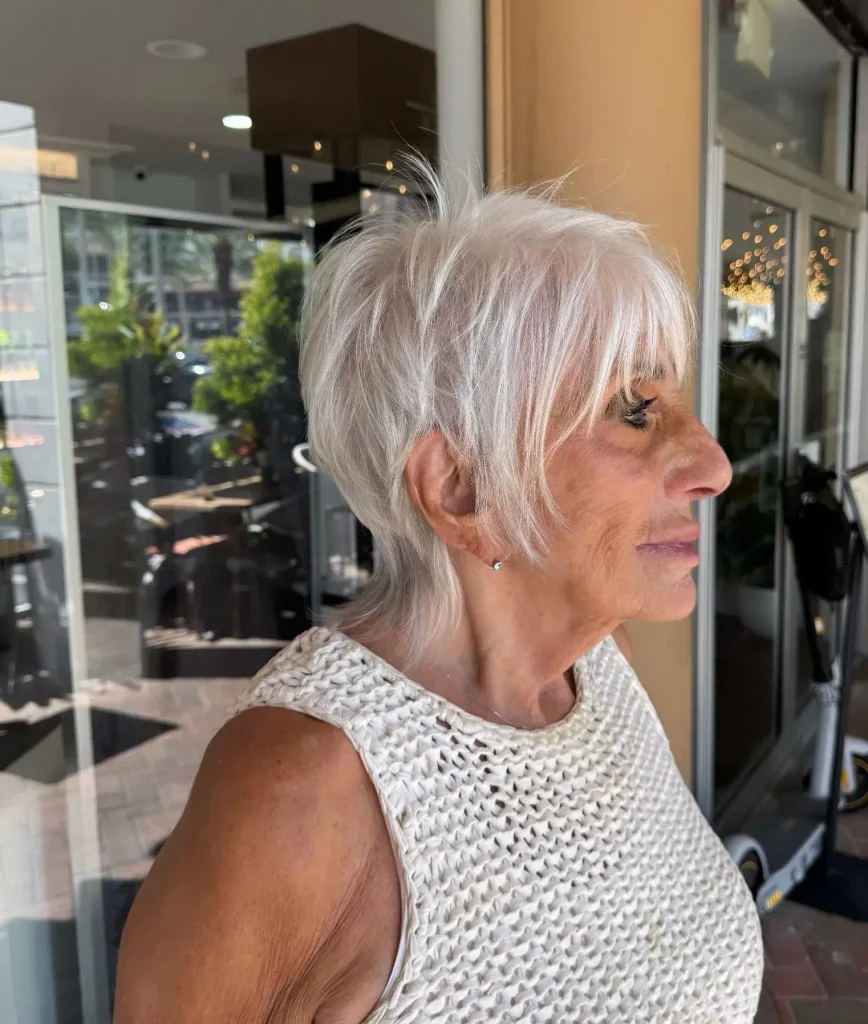
Short hair does not have to stay close and conventional. This shaggy pixie mullet brings more attitude through uneven crown layers and extra length toward the back, giving the haircut a distinctive shape without returning to a longer hairstyle.
The nape becomes an important part of the haircut here. Keeping that section slightly longer balances the cropped sides, while the separated crown pieces bring movement around the top. It suits someone who wants their haircut to have character rather than simply blend into a traditional short cut.
Hair density should guide how much length remains at the back. Thicker strands can support more separation around the nape, while finer hair may benefit from keeping some weight there so the ends retain substance.
6. Voluminous White Crop
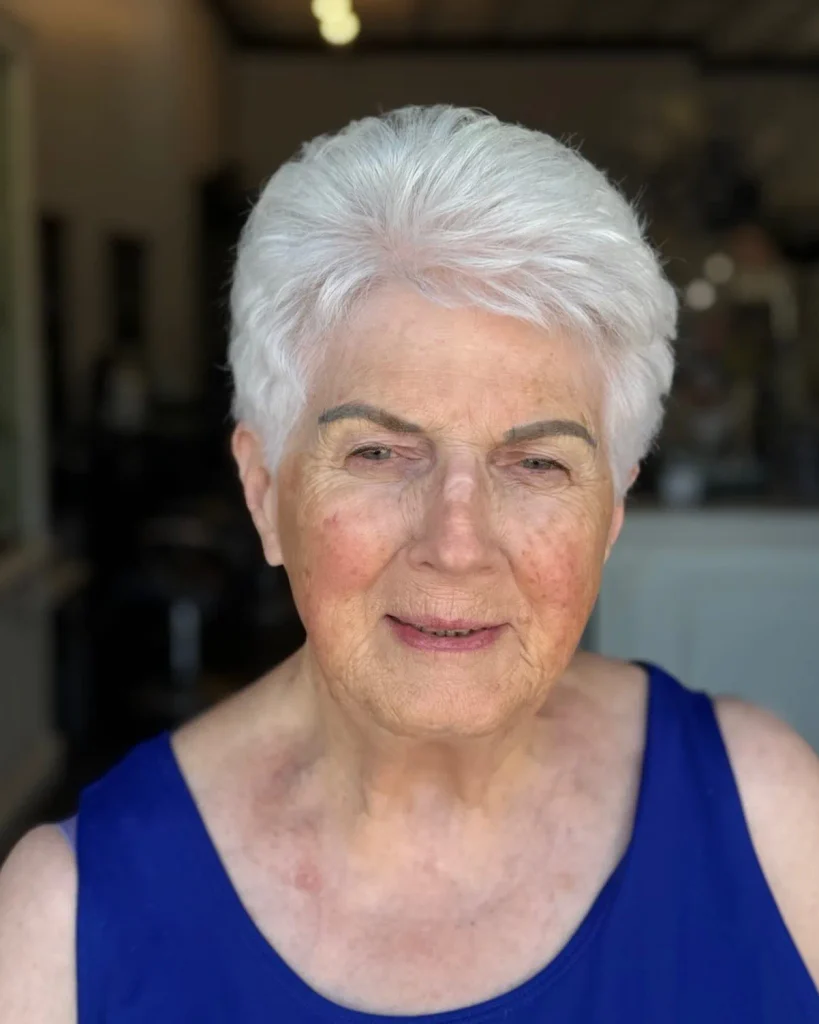
Source: vicky_cosmostyles
When white hair starts losing some of its lift at the crown, cutting it shorter does not mean sacrificing volume. This crop keeps the sides compact while leaving extra length through the top, where the hair can be directed backward for height.
The raised crown is what gives this haircut its character. A brush can make the shape more defined, while finger styling can separate the top into a more relaxed arrangement when you have less time in the morning.
For white or silver hair, I would avoid making the sides and top the same length. The contrast between the close sides and longer crown helps preserve visual fullness and gives the short haircut a stronger silhouette.
7. Wispy Bangs Layered Bob
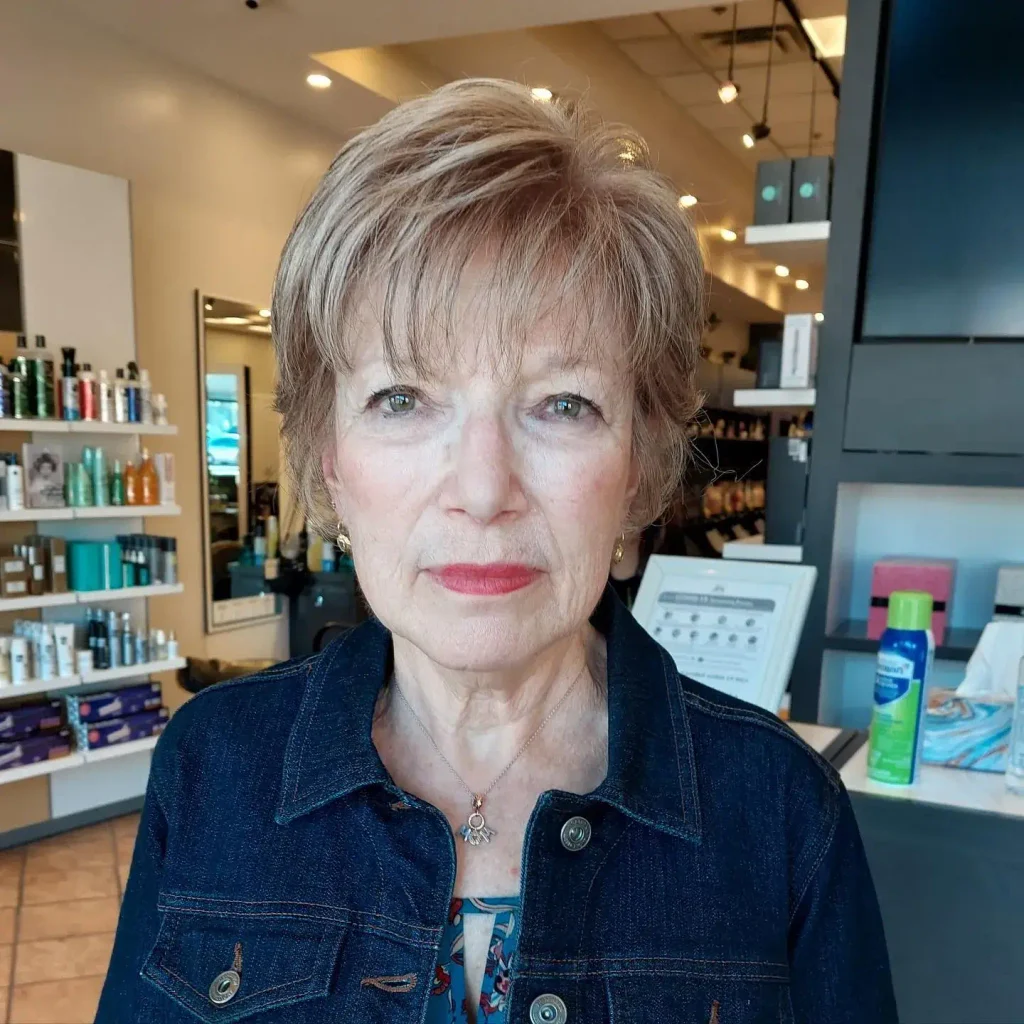
Source: dbksalon
When your forehead and hairline start drawing more attention than you would like, a wispy fringe can change the balance without making the front feel heavy. Delicate pieces cross the forehead while the layered bob keeps enough length around the sides for movement.
The shorter face framing sections connect into the bob rather than stopping abruptly at the cheeks. That helps the haircut retain a connected shape, while the light fringe can be swept slightly aside whenever you want more openness around the eyes.
For fine hair, ask your stylist to keep the fringe airy instead of heavily thinning it. Too much removal at the front can leave sparse areas, while a few carefully placed strands can frame the forehead without taking away useful density.
8. Soft Stacked Layered Bob
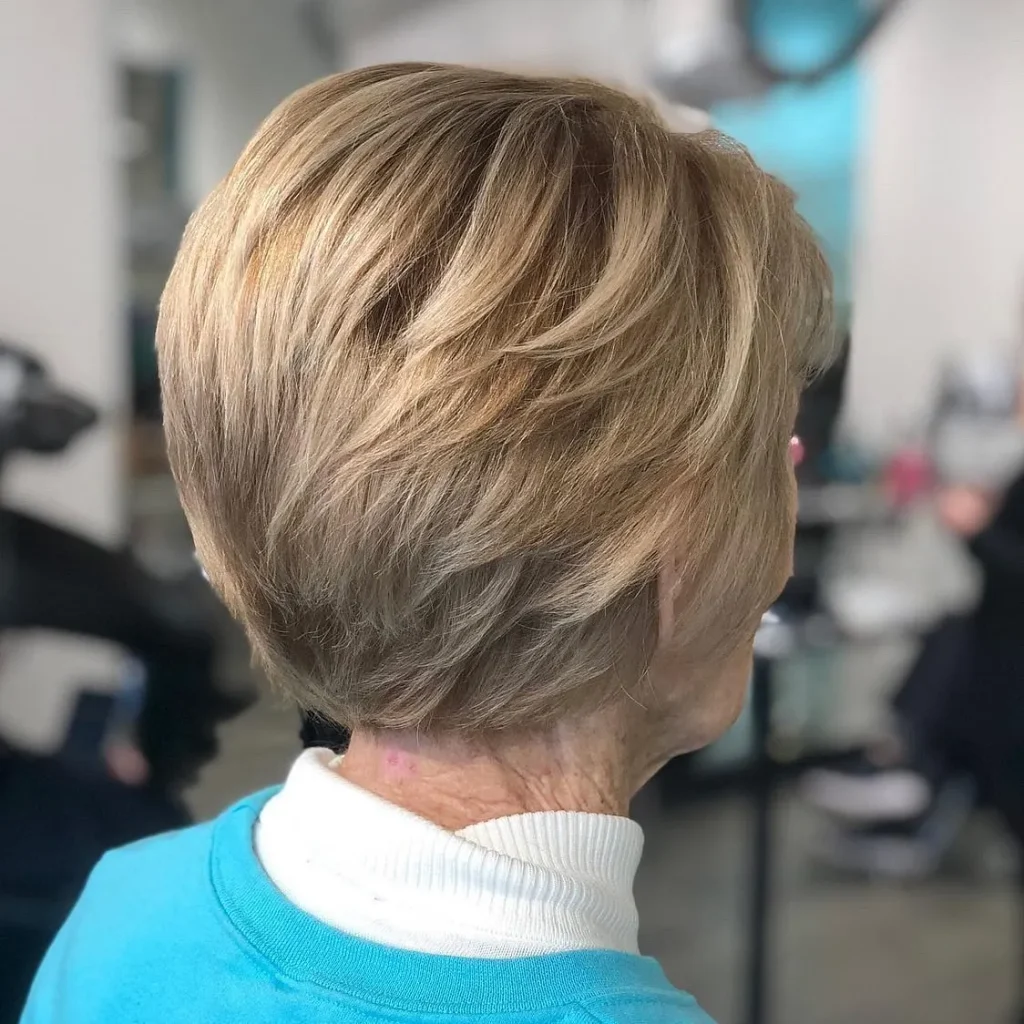
Source: artisanhaircary
A flat back can make thinning hair more noticeable, especially when there is little lift around the crown. A stacked bob takes a different route by building shorter sections underneath and gradually increasing the length toward the front.
From the side, that graduation forms a curved profile while keeping the nape shorter and tidy. The longer front sections give you enough coverage around the jaw, so you can have a shorter neckline without committing to a fully cropped haircut.
Your hair density should determine how strong the stack becomes. Fine strands can benefit from a clean, deliberate graduation, whereas thick hair may need some internal weight removed to keep the back from becoming too bulky.
9. Sleek Jawline Bob
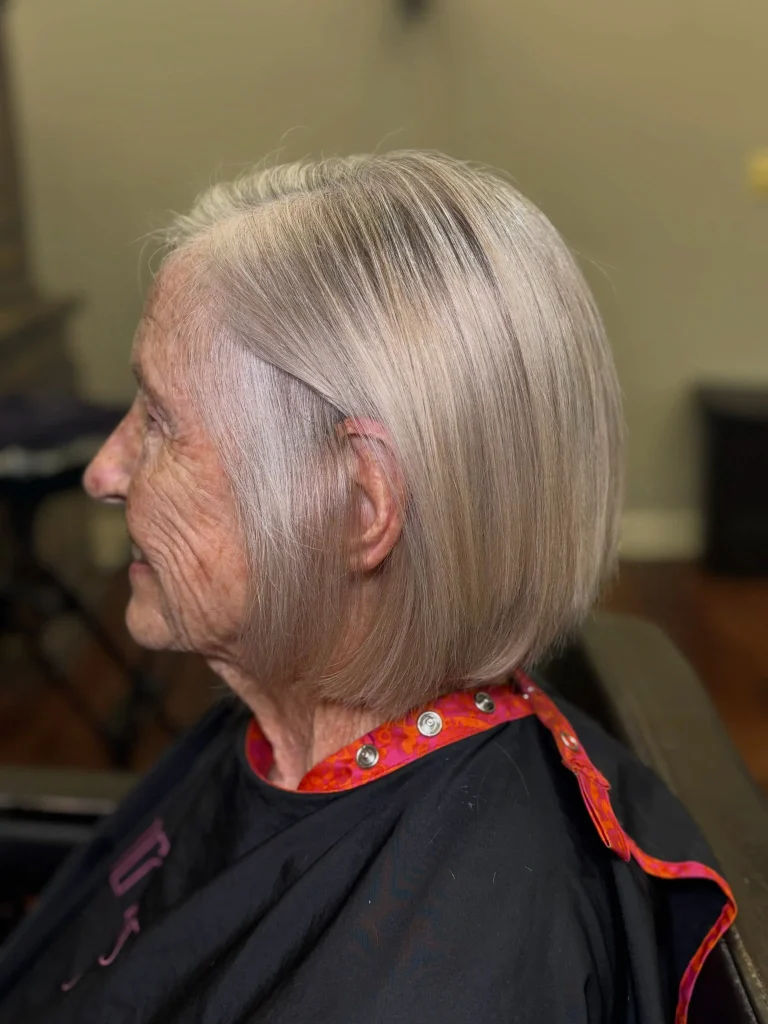
Source: hairby_faithhall
There comes a point when you may want your haircut to do less and still have presence. A sleek jawline bob takes that route, keeping the length close to the jaw with a clean perimeter that does not rely on layers or complicated styling.
Straight hair can show the crisp line especially well, while a slight natural bend can bring some softness to the ends. A side part also gives you another way to shift the balance around your face without changing the cut itself.
10. Feathered Tapered Crop
Source: ruth.edenwest
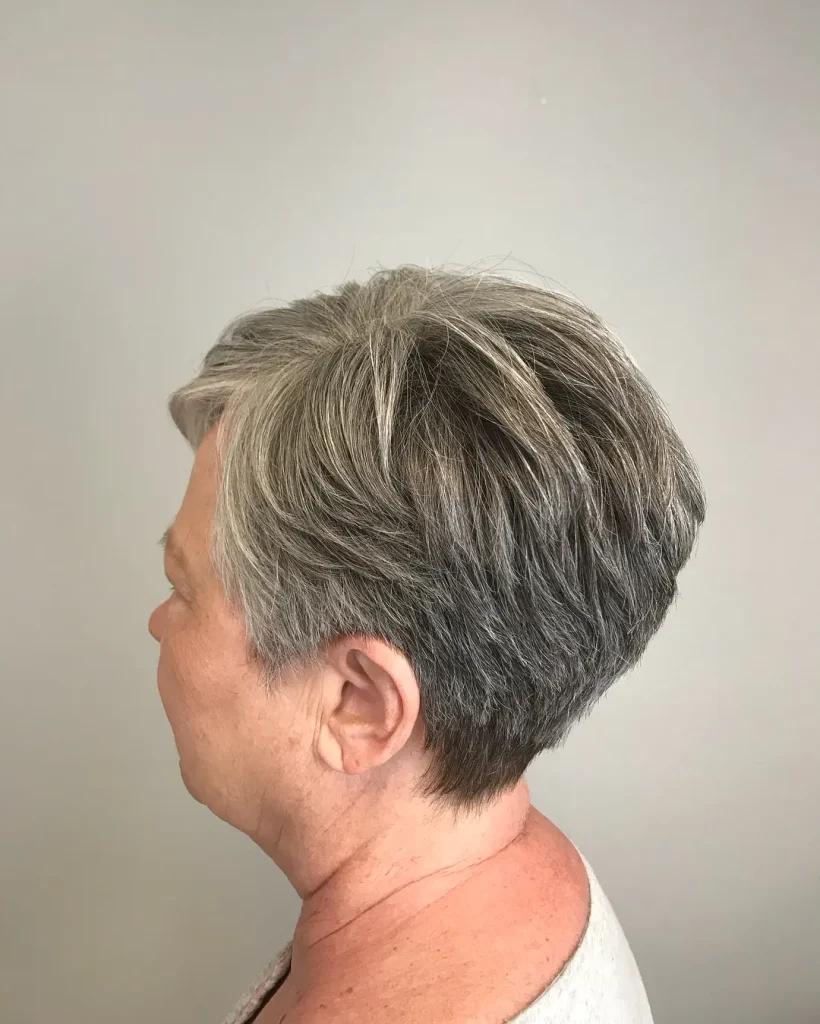
If spending time with a brush every morning no longer sounds appealing, a tapered crop can take some of that work away. The sides and nape stay short, while feathered pieces through the top keep the haircut from becoming too severe.
The upper layers give the crown some movement without requiring much length. That makes the cut useful for someone who wants a compact shape but still wants visible texture around the top.
Silver and white hair can show feathered layers especially well because different strands catch the light in slightly different ways. Keeping enough length through the crown also lets you direct the hair forward, sideways, or upward.
One hairstylist detail matters here: do not automatically remove every bit of weight from fine hair. Leaving enough substance through the upper section can help the crown retain its shape between washes.
11. Layered Bob With Fringe
Source: curated.hair
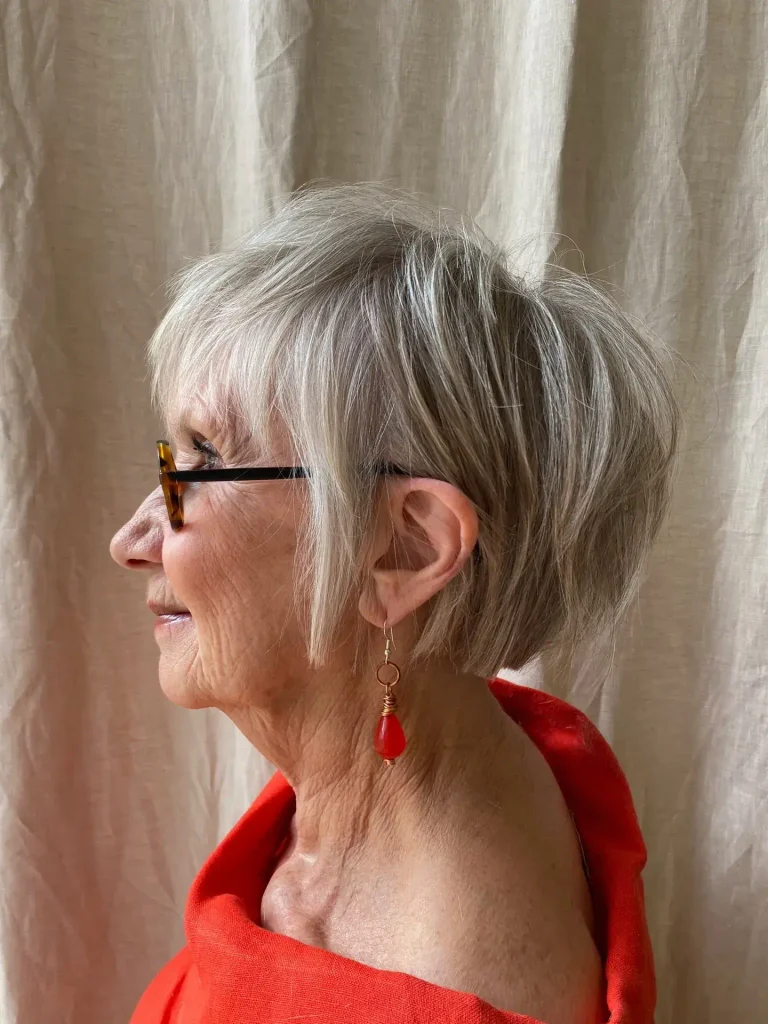
Maybe your biggest frustration is hair that hangs heavily around your face and never stays where you want it. A layered bob with fringe changes that balance by shortening the front while keeping enough length through the sides for movement.
The fringe brings attention toward the eyes, while the layers prevent the bob from becoming one solid curtain of hair. Straight or lightly wavy strands can both work with this shape, especially when the ends have room to move.
If you wear glasses, fringe length deserves some thought before the cut begins. A stylist can leave the front slightly longer or shape the side sections so the fringe connects naturally around the temples rather than competing with your frames.
12. Voluminous Side-Swept Pixie
Source: glidingthrusixty
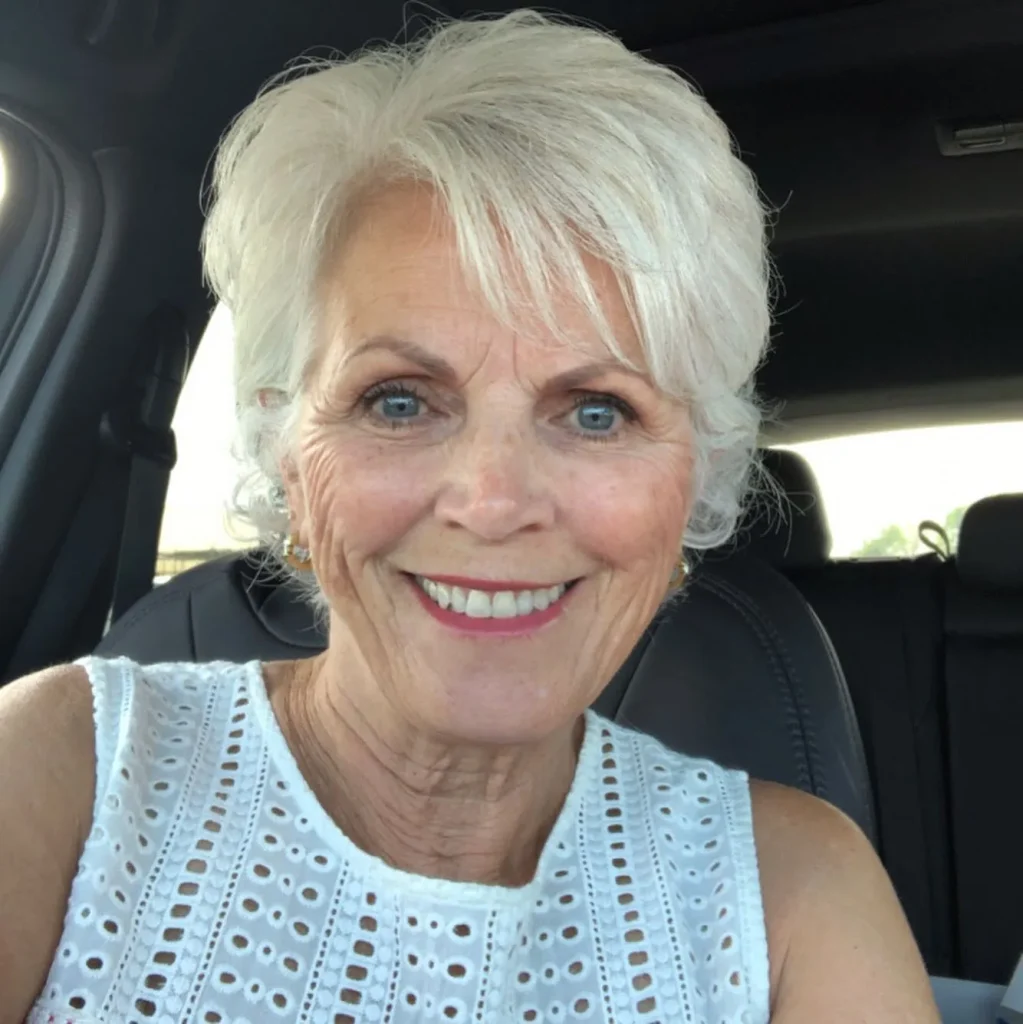
Fine hair can lose its lift quickly, especially when the top is brushed straight down. A side swept pixie takes advantage of the longer crown by directing those strands across the head, while the shorter sides keep the haircut compact around the ears and nape.
That sweeping direction gives the haircut a stronger sense of movement without needing much length. You can shift the part slightly from one day to another, which changes where the crown sits and can help avoid the same flat arrangement every morning.
For naturally fine strands, ask your stylist to leave enough length through the top to support the sweep. Cutting that section too short can remove the movement that makes this shape work, while a controlled taper around the sides keeps the proportions balanced.
13. Graduated Contour Bob
Source: fernandorozariovisagista
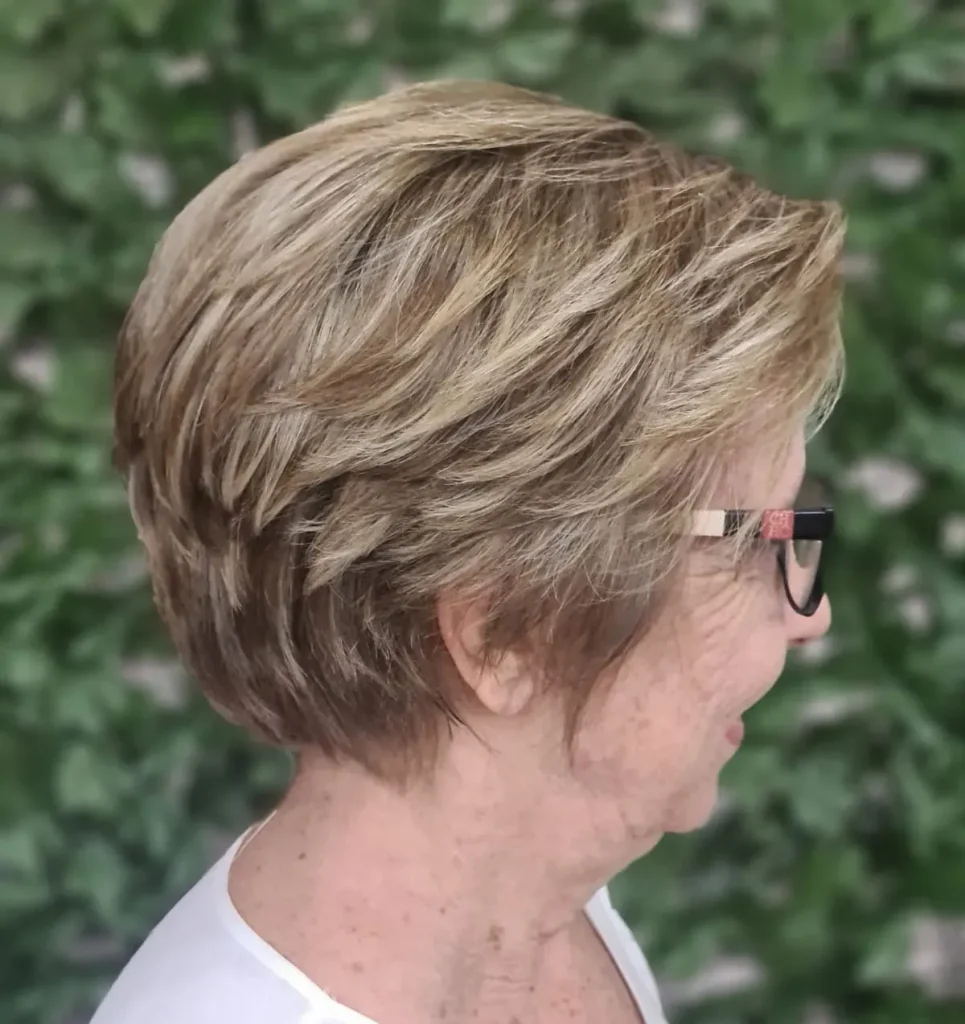
When the back of your hair has started losing some fullness, a graduated bob can bring shape to that area without taking away the length around your face. Shorter sections underneath support the longer pieces above and form a curved profile around the nape.
From the front, the longer sections frame the jaw while the graduation keeps the back lighter. That combination suits someone who wants a shorter neckline but still prefers having enough hair around the face to tuck or reposition.
14. Choppy White Pixie
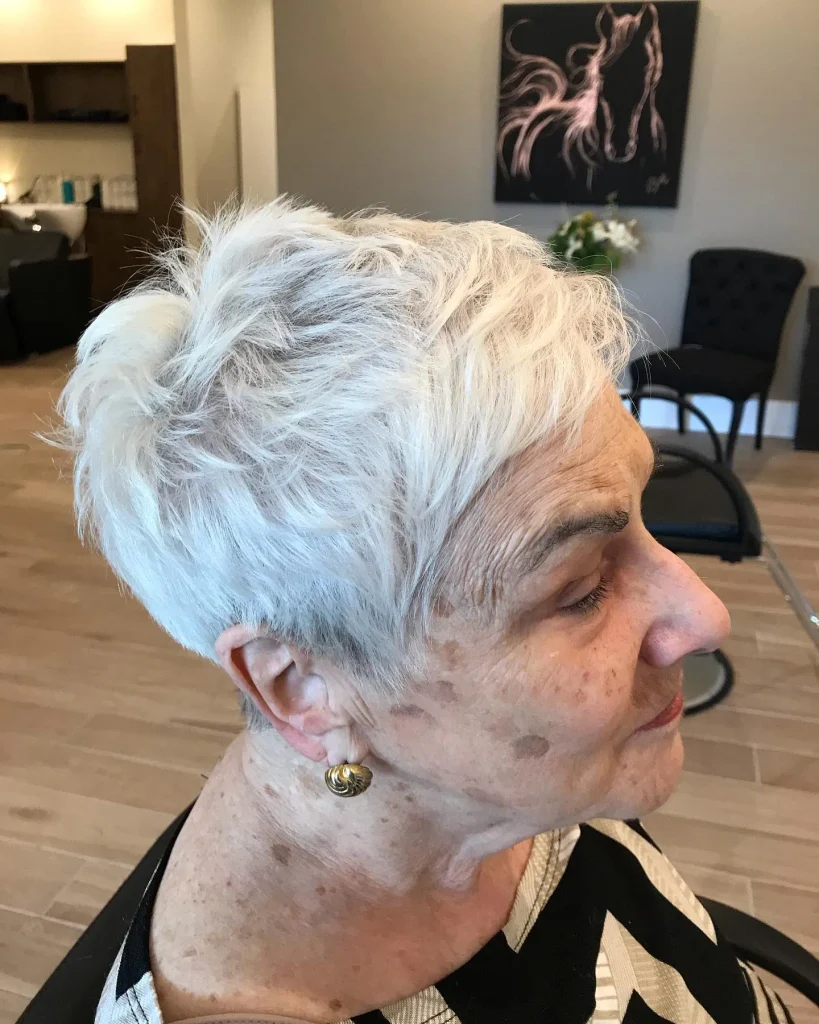
Source: heiditaverner
White hair can show texture beautifully, yet a completely uniform crop may leave those strands looking too flat or disconnected. Choppy pieces through the crown give each section more separation, allowing the different tones and textures of white hair to become part of the haircut.
There is a playful edge here without needing extra length. The uneven top works especially well for finger styling because a few selected pieces can be moved into place without spending time making every strand behave in exactly the same direction.
One thing I would discuss with a stylist is where the choppiness should stop. Keeping some density around the temples and sides can help finer hair retain substance, while concentrating the shorter pieces through the crown gives you movement where it matters most.
For a stronger finish, the top can be directed slightly forward or to the side after drying. A tiny amount of lightweight styling product is enough to separate the ends, so the white strands retain their airy quality instead of becoming weighed down.
15. Airy Side-Part Crop
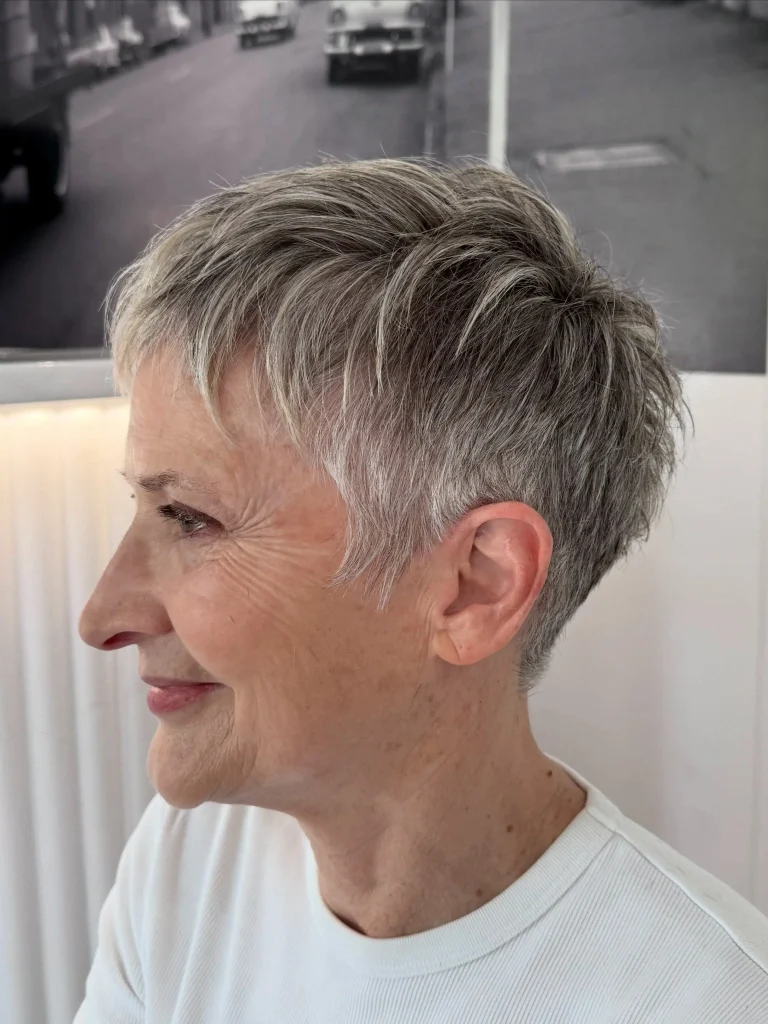
Source: nesbittondarby
When every section of short hair keeps falling toward the face, even a simple morning routine can become annoying. A side part opens one side of the forehead while the longer top pieces travel across the head, giving the haircut a clear direction without needing extra length.
The airy crown keeps the shape light around the temples and upper sides. That works well for someone who wants a cropped haircut but still wants enough length to move the top section into a different position.
For fine hair, keep styling product close to the roots and use only a small amount through the ends. Too much product can weigh down short strands and flatten the crown, while a lighter touch preserves the separation between the upper pieces.
16. Gray Mullet-Inspired Cut
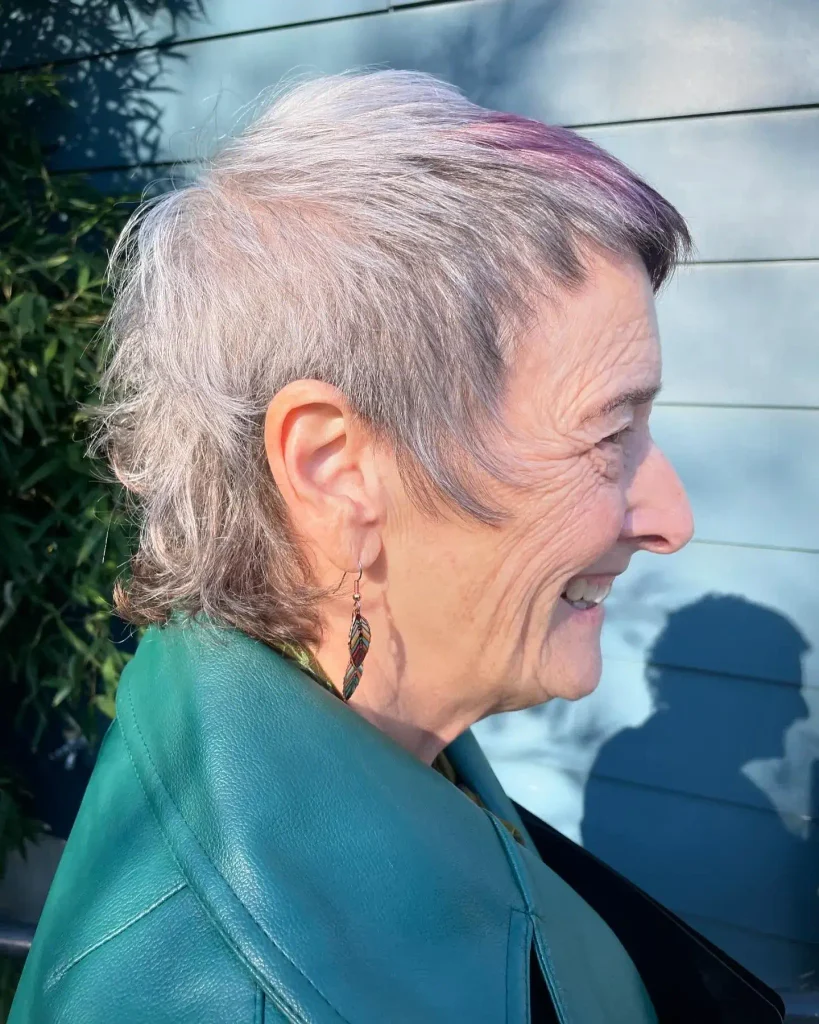
Source: hair.by.fox
When your hair has become thinner through the crown but still has plenty of personality around the sides and back, cutting everything into one short shape may not suit you. This gray mullet inspired cut keeps extra length behind the ears and at the nape.
The shorter crown sections bring lift while the longer back gives the haircut its distinctive edge. It has more attitude than a conventional cropped cut, making it a useful choice when you want your silver or gray hair to show some individuality.
Texture plays an important role here. Wavy or slightly coarse strands can hold the separated layers with little assistance, while straighter hair may need a small amount of styling product to keep the crown and nape moving in their intended directions.
17. Rounded Flicked Bob
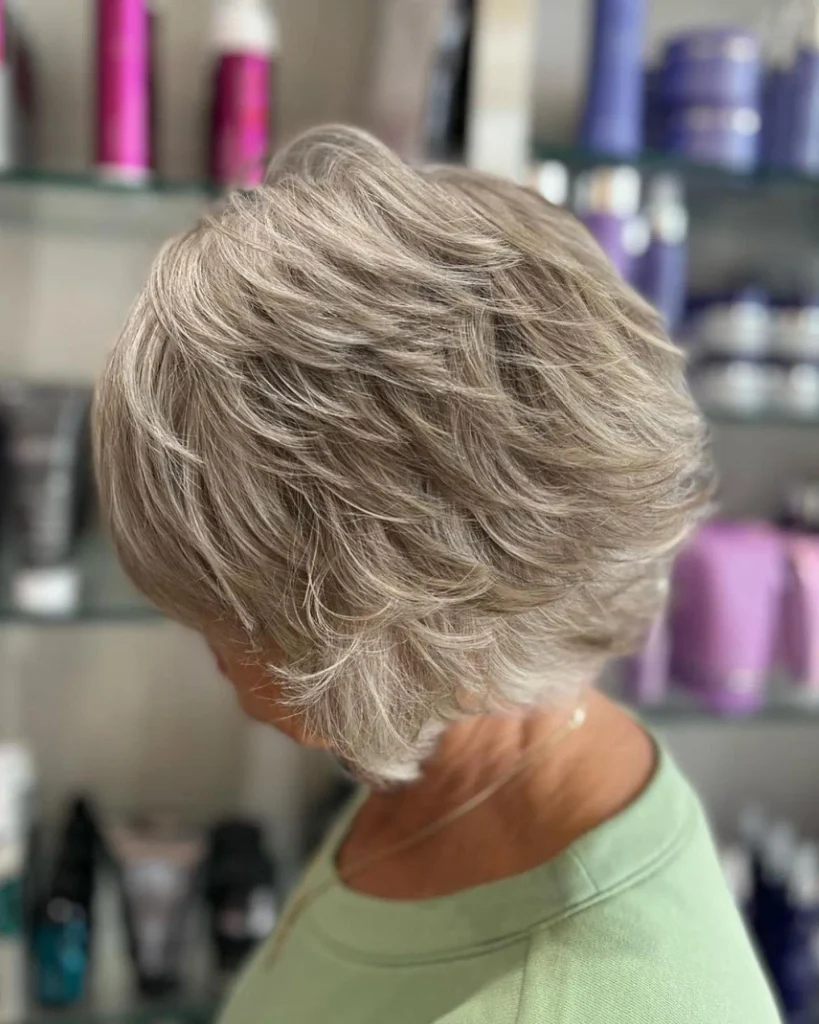
Source: thebeautydistrictnaples
A traditional bob can start to seem repetitive when you have worn the same shape for years. A small outward flick at the ends changes the character without requiring a dramatic cut, while the rounded sides keep enough fullness around the face.
The curved shape follows the head and cheeks, then the ends turn outward to give the lower section some movement. That little change can make a chin or jaw length bob seem more lively without introducing heavy layers.
A round brush can help direct the ends while drying, but there is no need to make every section identical. Leaving a few pieces with their own bend can keep the finish relaxed and let your natural texture participate in the hairstyle.
18. Polished Silver Sweep
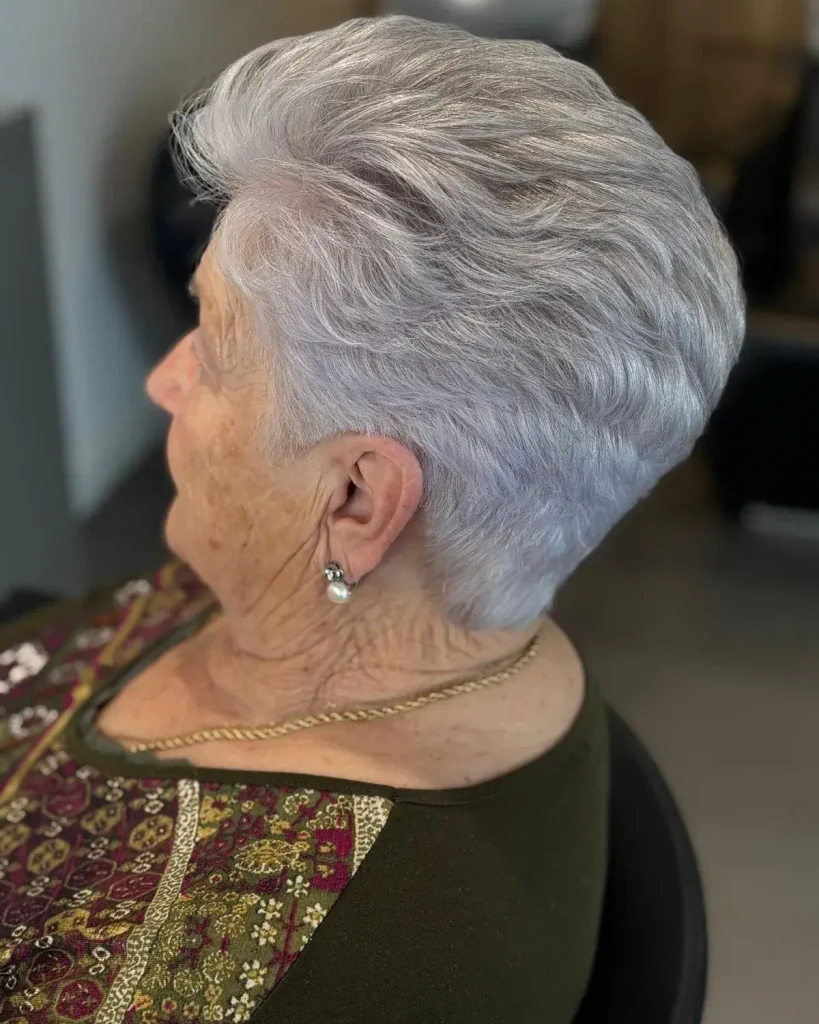
Source: tupeluainsa
There are mornings when you want your silver hair to look put together without spending half your morning styling it. A swept top can solve that problem by directing the longer sections backward and slightly to the side while the shorter areas stay close around the ears and temples.
The silver color becomes part of the haircut because the overlapping strands catch light from different angles. That makes the longer crown section worth preserving instead of cutting everything to one short length.
For white or silver hair, a lightweight smoothing product can help control flyaways without weighing down the top. Use it mainly where the hair needs direction rather than coating the entire head.
I would also ask your stylist to leave enough length through the crown for the sweep to hold its direction. Too short, and the top may fall forward before you have a chance to shape it.
19. Feathered Silver Rounded Bob
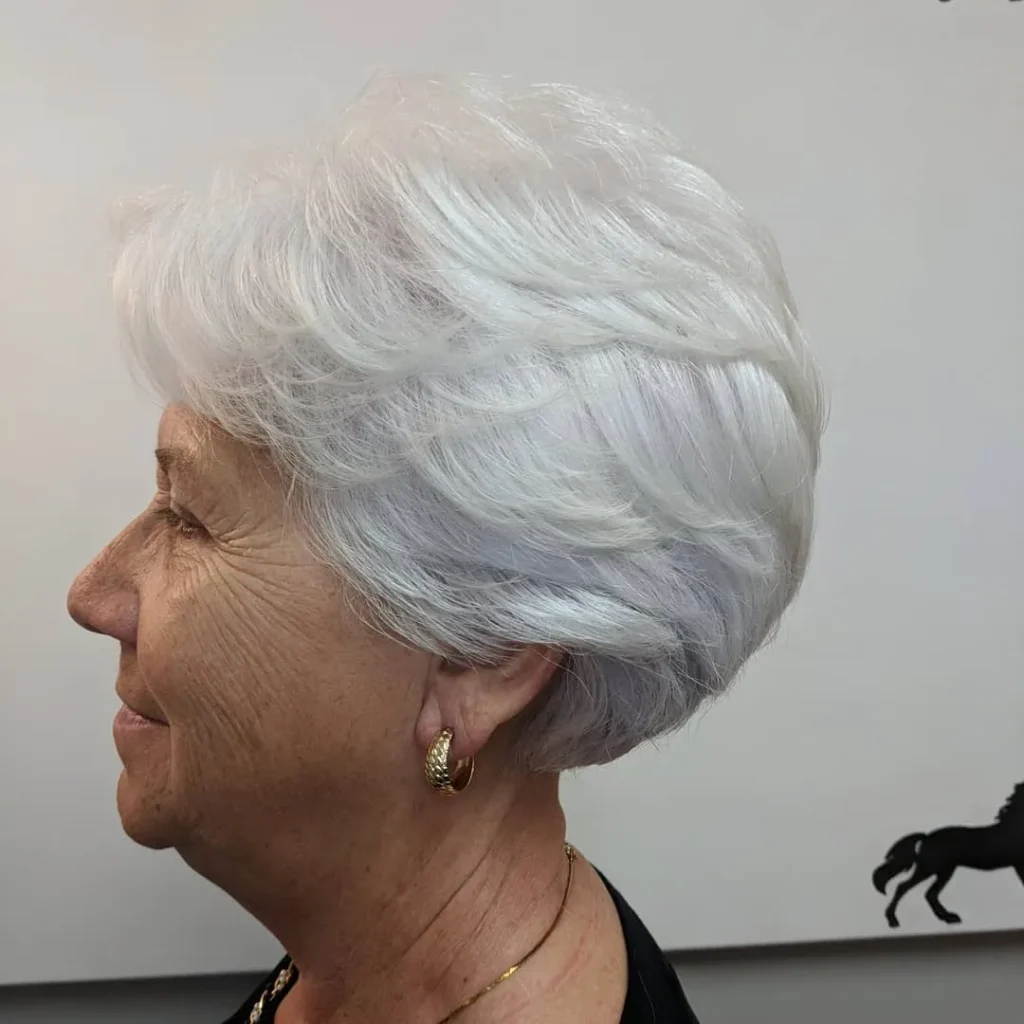
Source: wildhorsessalon
If your hair has become finer but you still want enough length around your face, there is no need to jump straight into a cropped haircut. A rounded bob keeps the sides substantial while feathered ends bring lighter movement around the edges.
The curved shape follows the head neatly and gives the bob a fuller outline. Feathering near the upper and front sections prevents the ends from sitting as one heavy line, which can be useful when silver hair has several different textures.
Silver strands can also show more dimension when the layers are directed away from the face. That direction lets the lighter pieces separate instead of blending into one solid section.
For fine mature hair, I would avoid excessive texturizing through the lower perimeter. Keeping some weight along the bottom helps the bob hold its shape, while the feathering can stay concentrated where movement is most useful.
20. Brushed Back Blonde Bob
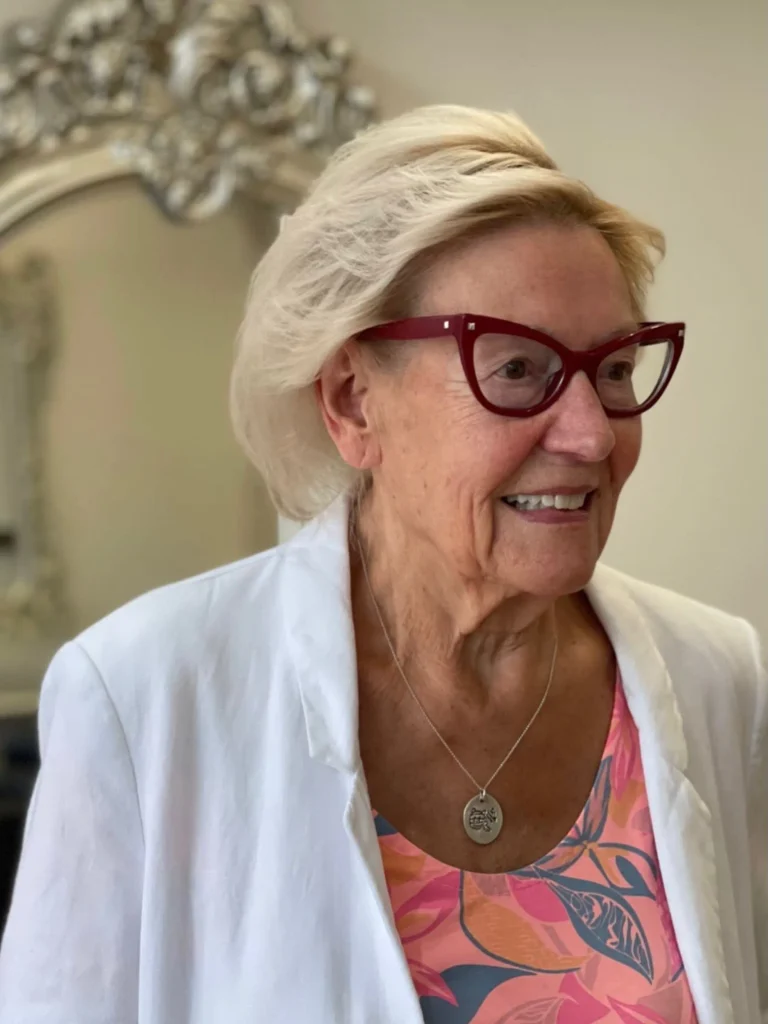
Source: sam_olgar
Hair that constantly falls across your face can become frustrating when you want to keep your eyes and glasses clear. Brushing the longer front sections backward changes the direction of the bob while the shorter back keeps the neckline tidy.
The swept front brings height toward the crown and leaves the face more open. Straight hair can follow this direction easily, while a slight natural bend can make the sides less rigid.
A lightweight volumizing mousse at the roots can support the lifted front without making the ends stiff. Keep heavier products away from the lower lengths, particularly when your hair is fine and easily weighed down.
For a more lasting shape, your stylist can leave enough length through the front and crown to support the backward direction. Cutting those sections too short may make the hair fall forward again almost immediately.
21. Classic Soft-Cut Pixie
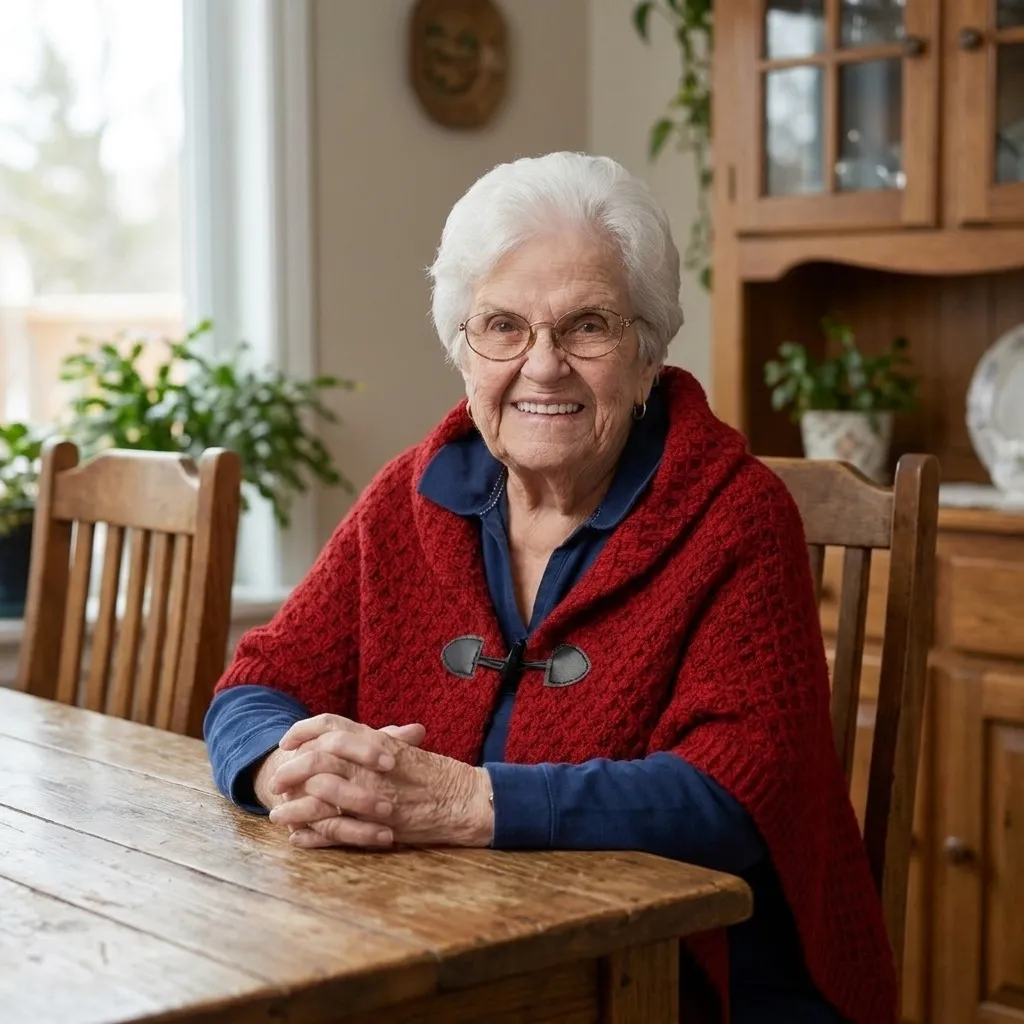
Source: gbandme.us
After years of managing longer hair, you may simply want something shorter without learning a complicated styling routine. This classic pixie keeps the sides compact while leaving enough length through the top to avoid an extremely close crop.
The gentle transition from the sides into the crown keeps the haircut balanced and easy to arrange. Rather than relying on dramatic layers, the shape comes from careful changes in length that follow the head without requiring much daily work.
For mature hair, the top length should match your density. Fine strands can benefit from leaving a little extra length through the crown for lift, while thicker hair may need more controlled layering to prevent the upper section from becoming heavy.
22. Short Blunt Bangs Crop
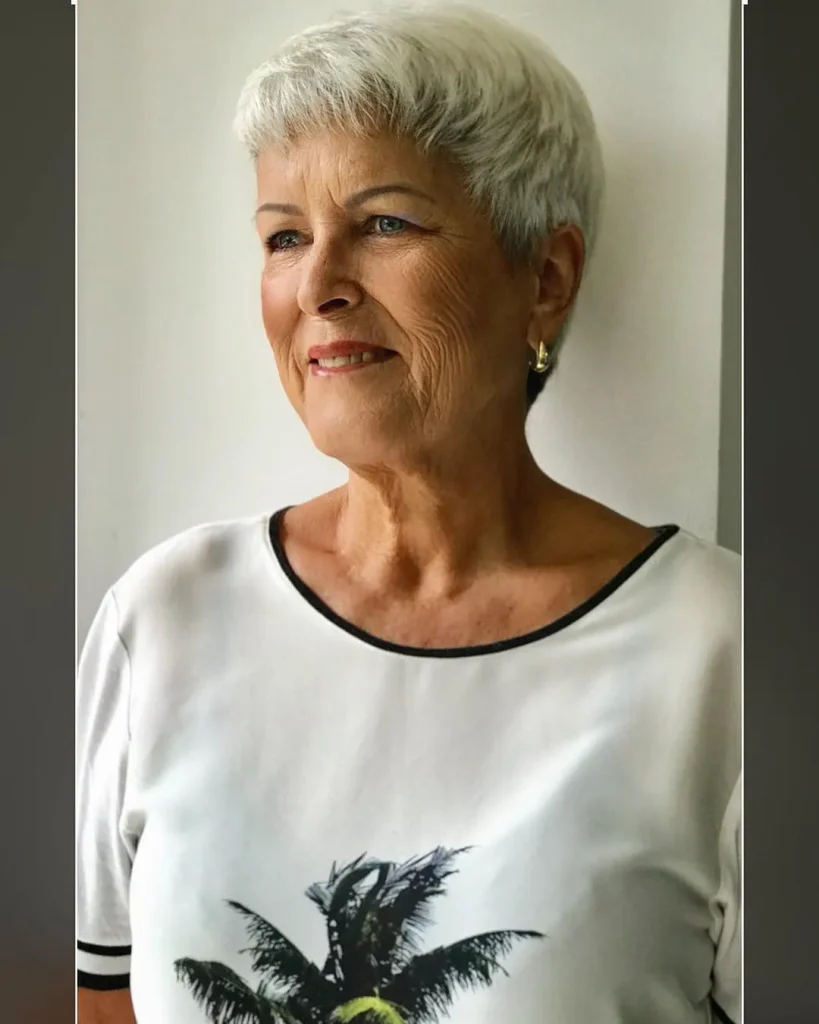
When you want some forehead coverage but do not want heavy hair hanging around your face, a short blunt fringe offers a clear middle ground. The cropped sides keep the haircut compact, while the straight front section becomes the defining feature.
The clean fringe directs attention toward the eyes and gives the haircut a stronger shape. Straight hair can hold the front line especially well, while a slight natural bend may require a quick pass with a brush to keep the edge in place.
Think about your glasses and eyebrow position before choosing the exact fringe length. A stylist can soften the corners slightly if a completely sharp edge feels too severe, while keeping enough definition across the center to preserve the character of the cut.
23. Layered Chin-Length Bob
Source: yoniquehair
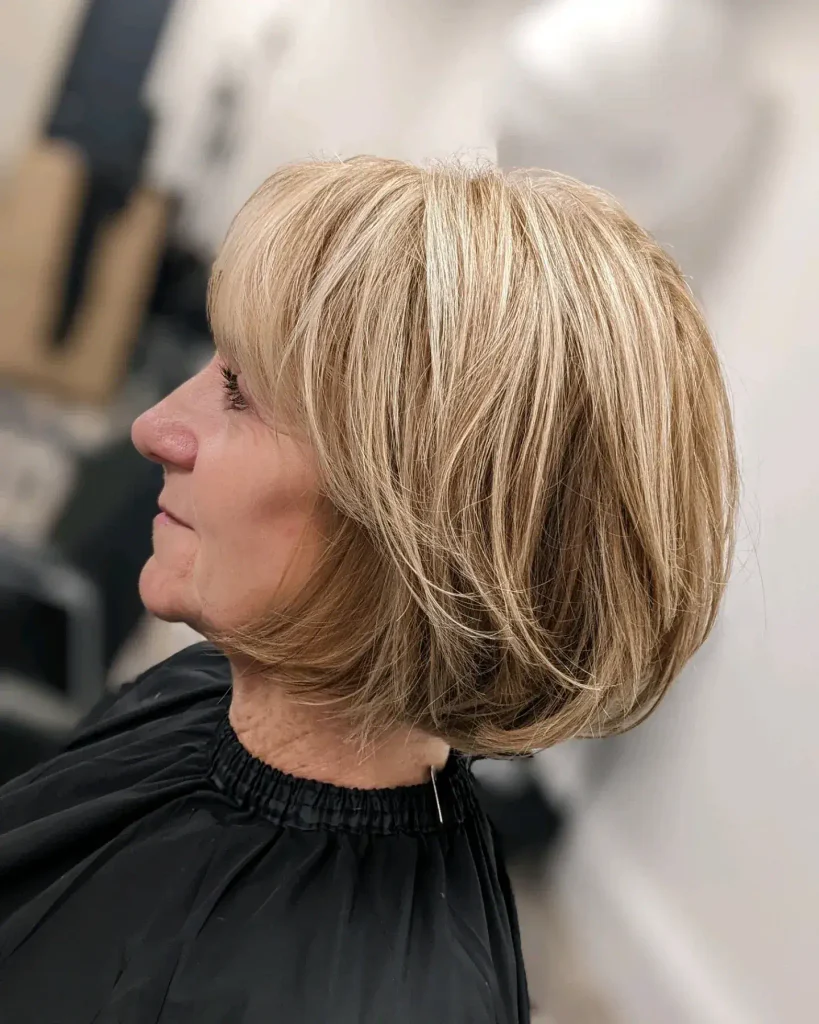
Want some length around your face without returning to a long haircut? A chin length bob gives you that middle ground, keeping the hair manageable while leaving enough room for layers to move around the cheeks and jaw.
The layered sections break up the lower length so the haircut does not hang as one heavy curtain. Slightly wavy strands can also settle into separate pieces, giving the ends more direction without requiring elaborate styling.
For fine hair, I would keep the lowest perimeter relatively full and place most of the layering above it. That approach protects the sense of thickness through the ends while still allowing the upper sections to move.
What Short Haircuts Work Best After 70?
• Pixie cuts: Useful when you want less hair around the neck and a shorter morning routine.
• Layered bobs: Give you more length around the face while keeping the haircut manageable.
• Tapered crops: Keep the sides and nape shorter while allowing more volume through the crown.
• Chin length bobs: Work well when you want some face framing without returning to long hair.
How Do You Choose a Short Haircut for Thinning Hair?
• Keep some weight around the perimeter instead of heavily thinning every section.
• Use controlled layers where you want movement rather than removing too much density.
• A slightly longer crown can help fine hair retain more lift.
• Ask your stylist to assess your density before deciding how short the layers should be.
What Short Hairstyles Are Easiest to Maintain?
Haircut | Maintenance |
|---|---|
Tapered crop | Short and simple |
Classic pixie | Quick daily styling |
Layered bob | More length to reposition |
Chin length bob | Flexible styling options |
Shaggy crop | More forgiving as it grows |
Should Women Over 70 Have Bangs?
• Wispy bangs: Give light forehead coverage without a heavy front.
• Side swept fringe: Works well when you prefer moving the hair away from the face.
• Blunt bangs: Give a stronger, more defined shape.
• Longer fringe: Can be useful if you wear glasses or like sweeping the front aside.
How Can You Make Gray or White Hair Work With a Short Cut?
• Keep enough length where you want volume and direction.
• Feathered sections can show the variation in silver and white strands.
• Avoid excessive thinning if the hair is already fine.
• Lightweight products are often easier to manage than heavy creams or oils.
Pixie or Bob: Which Length Should You Choose?
If you want… | Consider… |
|---|---|
Less hair around your neck | Pixie |
More face framing | Bob |
A shorter styling routine | Cropped cut |
More ways to reposition your hair | Bob |
More crown movement | Layered pixie |
FAQs
1. What are the best short hairstyles for women over 70?
Pixie cuts, tapered crops, layered bobs, and chin length bobs can all work well. The best choice depends on your hair density, texture, preferred length, and how much styling you want to do each morning.
2. What is a low maintenance haircut for women over 70?
Short tapered crops and classic pixie cuts can simplify daily styling because they require less hair to manage. A textured cut can also work well when you prefer a wash, dry, and go routine.
3. What short haircut works well for thinning hair after 70?
A carefully shaped bob or pixie can help fine hair retain a fuller appearance. Keeping some weight around the perimeter and avoiding excessive thinning can help prevent the ends from appearing sparse.
4. Should women over 70 wear bangs with short hair?
Yes. Wispy bangs, side swept fringe, and even short blunt bangs can work with short hair. The best choice depends on your hair density, glasses, forehead coverage preference, and how much daily styling you want.
Conclusion
Choosing a new haircut can be a small change that makes your everyday routine feel much easier and more enjoyable. These short hairstyles for women over 70 offer inspiration for different textures, lengths, styling habits, and personal preferences.
From a simple cropped cut to a layered bob with face framing pieces, there are plenty of directions to explore. Save this post on Pinterest so you can return to your favorite ideas before your next appointment, and try one that suits your hair and routine.
If you know someone searching for a fresh short haircut, share this article with them too. Your next great haircut may be one save away.