25 Bangs Hairstyles for Older Women
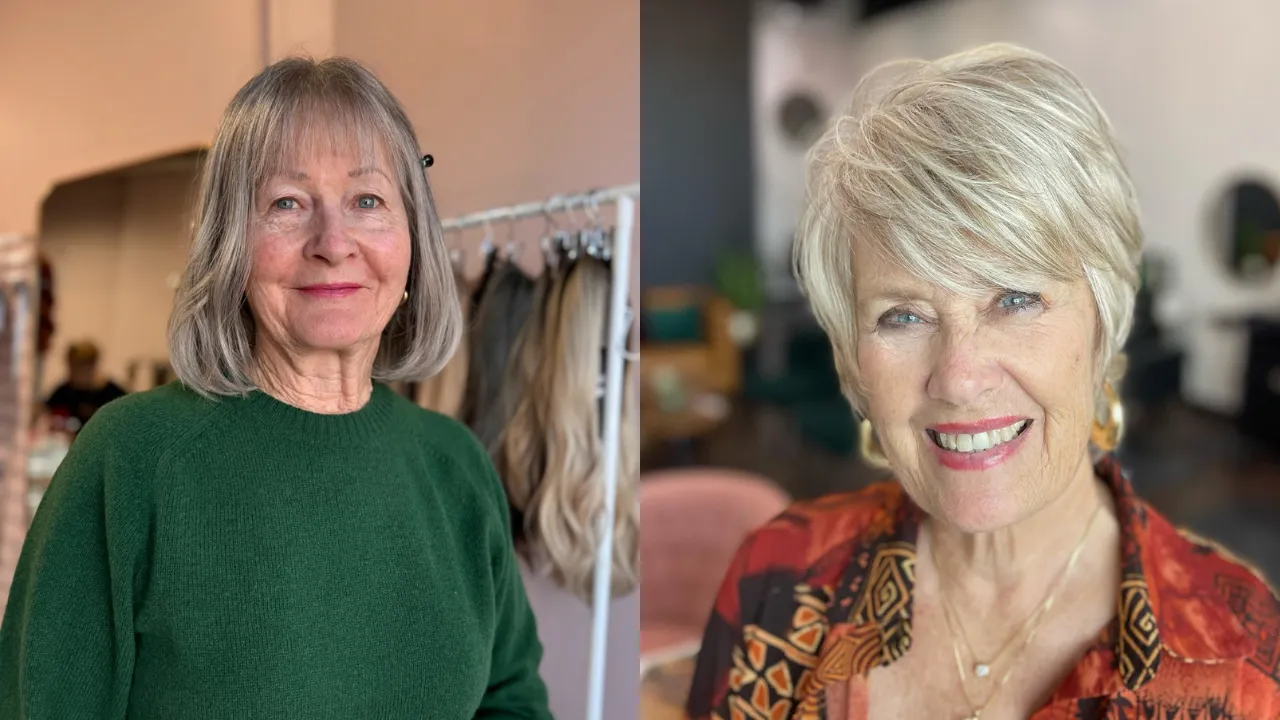
Aging hair does not mean settling for a haircut that feels boring or difficult to style. Bangs hairstyles for older women can instantly refresh the face while keeping the haircut comfortable, flattering, and easy to wear.
Maybe your bangs have started looking too heavy, your forehead feels too exposed, or your usual haircut needs a fresh touch without losing its familiar length. Wispy, curtain, side-swept, and feathered bangs offer different ways to bring movement around the eyes and cheeks.
Ahead, you’ll find 25 soft bangs hairstyles worth saving for your next haircut. Keep scrolling, you may find the small change that completely refreshes your favorite hairstyle.
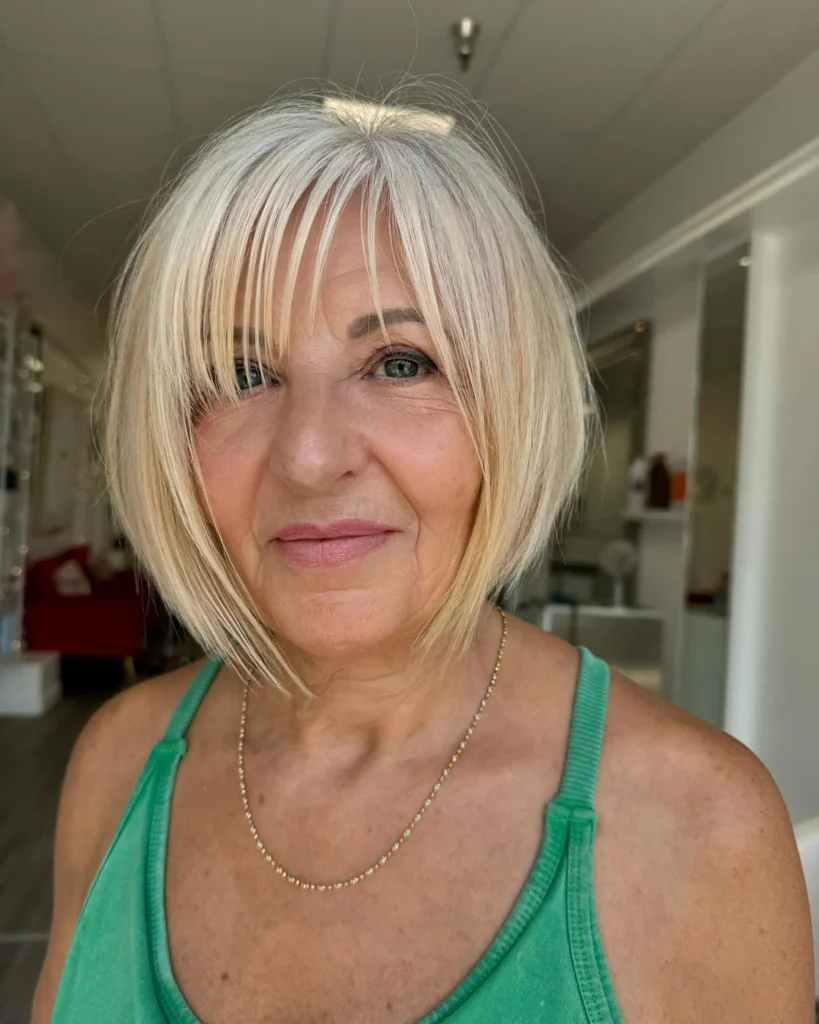
1. Wispy Curtain Bangs Bob
Source: marinashairstudio
When bangs start feeling heavy across the forehead, a lighter fringe can make daily styling much easier. Wispy curtain bangs split gently near the center, opening the face while a short bob keeps the ends neat and manageable.
Face-framing pieces should gradually become longer as they move toward the cheeks, rather than stopping at one blunt point. That small salon detail helps the fringe blend into the bob and prevents a harsh line around the face.
For older hair that has become finer, ask for light texturing through the bangs instead of removing too much from the whole haircut. A round brush can lift the roots, while a small amount of styling cream helps separate the pieces without weighing them down.
2. Side-Swept Bangs Lob
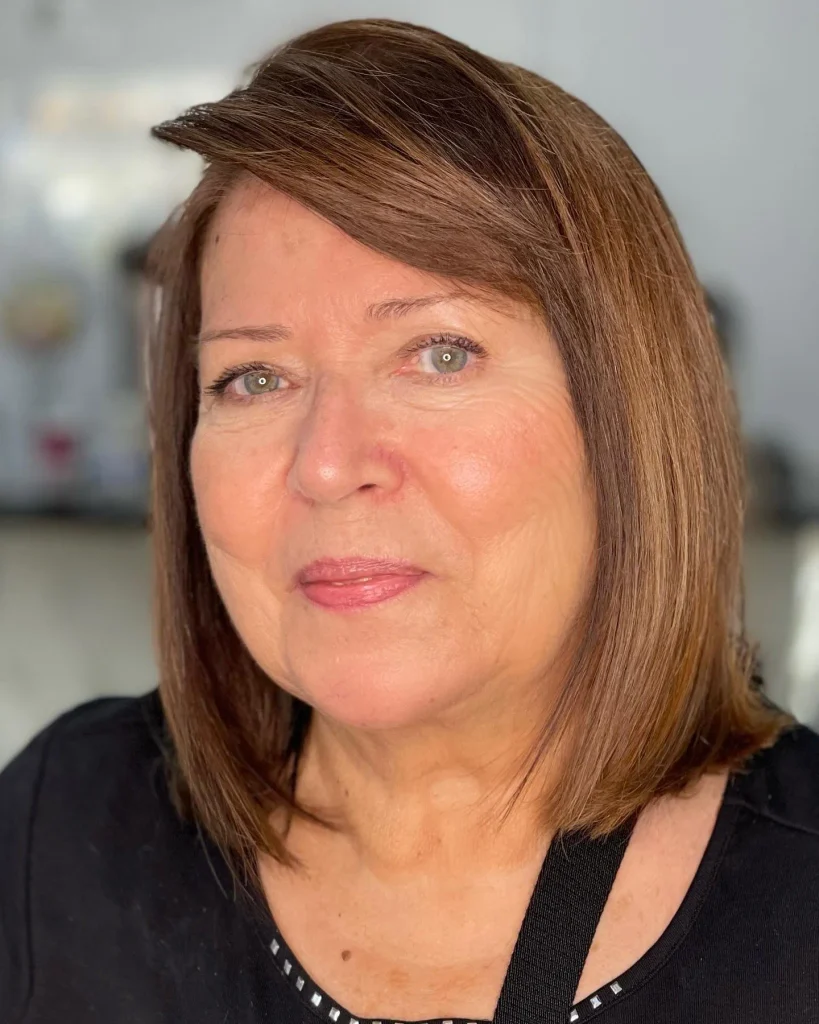
Source: midnight_carole
Some mornings, straightening long hair can take too much time, especially when the front keeps falling forward. A side-swept fringe solves that small annoyance while a shoulder-skimming lob keeps enough length for ponytails, clips, or loose styling.
Long bangs should begin slightly higher on one side and travel diagonally across the forehead, with the longest section blending into the cheek area. Keeping that transition gradual helps the haircut move as one piece instead of forming a disconnected fringe.
For mature hair with mixed texture, a stylist may use point cutting around the front to remove bulk without making the ends look thin. Blow-drying the bangs toward the opposite side first can also give them a gentle sweep that lasts longer during the day.
3. Wavy Shag Bangs Layers
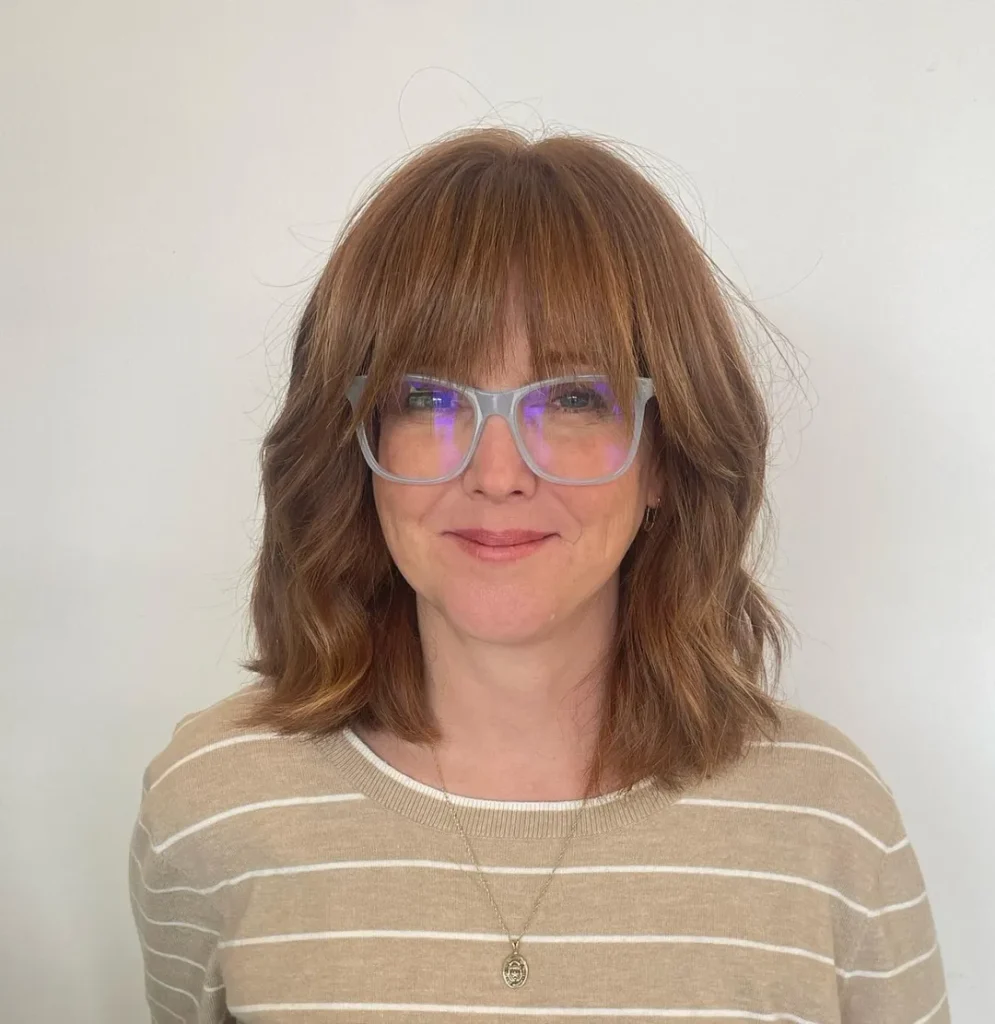
Source: robinhoukhair
Hair that has started becoming harder to control often responds well to layers that work with its existing movement. A wavy shag lets natural bends stay visible, while full bangs bring attention toward the eyes and give the haircut a relaxed, lived-in character.
Shorter layers around the crown encourage lift, while longer pieces through the sides keep the waves connected. Full bangs can be lightly separated with the fingers so they do not sit as one solid block across the forehead.
For thicker wavy hair, avoid taking too much weight from the ends all at once. A stylist can remove selected bulk underneath and leave enough density on top, helping the curls spring upward while keeping the fringe balanced with the rest of the cut.
Read More : 23 Short Shag Haircuts for Older Women That Glow
4. Rounded Silver Bangs Bob
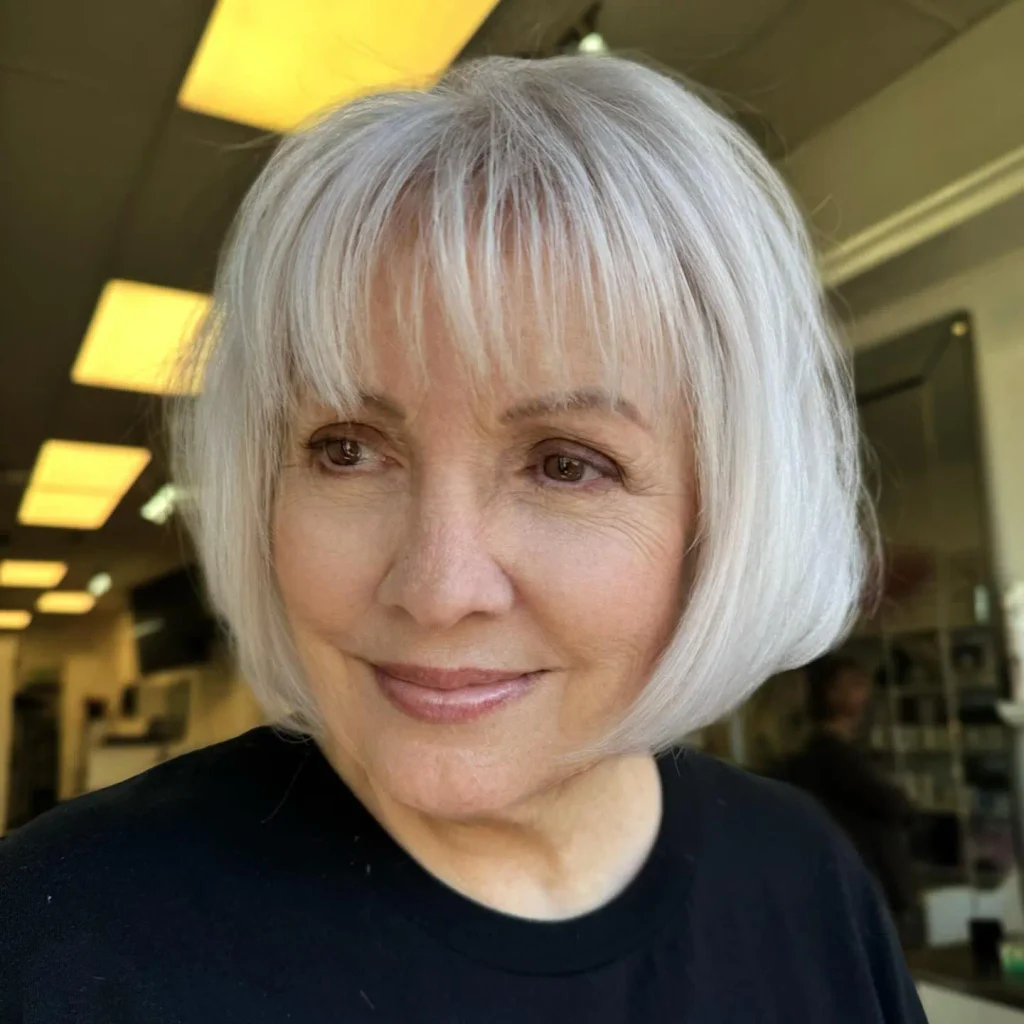
Source: marinashairstudio
When gray hair becomes finer around the forehead, a rounded bob can help keep the shape looking full without requiring heavy styling. Rounded bangs soften the front of the haircut, while the curved bob gives the sides a balanced shape that suits mature hair.
The fringe works best when it follows the natural curve of the forehead and becomes slightly longer toward the temples. Keeping the ends lightly curved rather than sharply straight helps the bob connect with the bangs instead of looking like two separate sections.
For silver hair, a lightweight smoothing cream can control flyaways without flattening the crown. Ask your stylist to keep enough weight through the lower section, since removing too much can make fine gray strands lose their body.
5. Curly Bangs Voluminous Bob
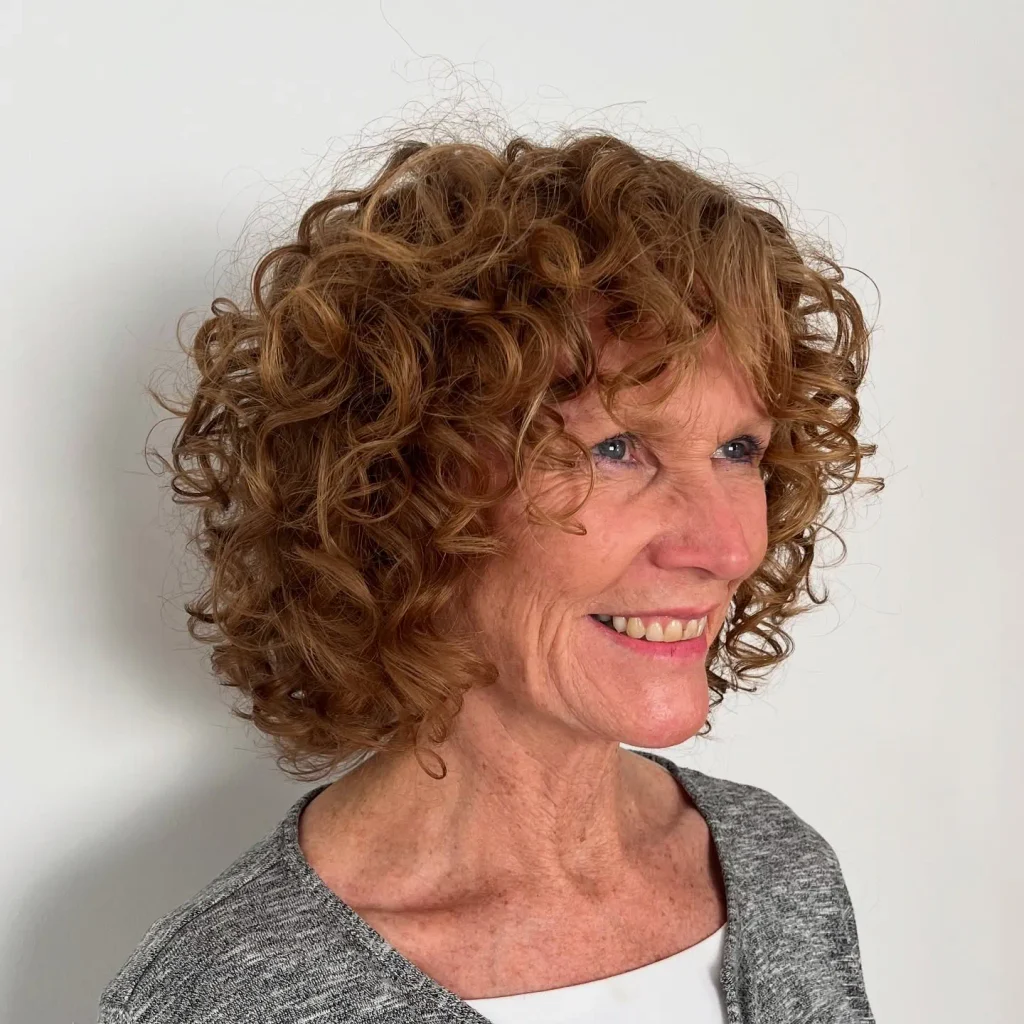
Source: amyclarkhair
Curly hair can change its shape as it grows, which makes a short haircut surprisingly easy to lose control of. A rounded bob with curly bangs works with that movement instead of forcing every strand into place.
The curls around the forehead should be trimmed according to their natural spring, leaving enough length for shrinkage after washing. Layers through the sides help the curls stack into a rounded shape, while the bangs stay lively without becoming too heavy.
For older curly hair, moisture matters just as much as the cut. A curl cream followed by gentle scrunching can help separate the curls, and drying with a diffuser on low heat reduces unnecessary disturbance while the hair sets.
6. Feathered Side Bangs Pixie
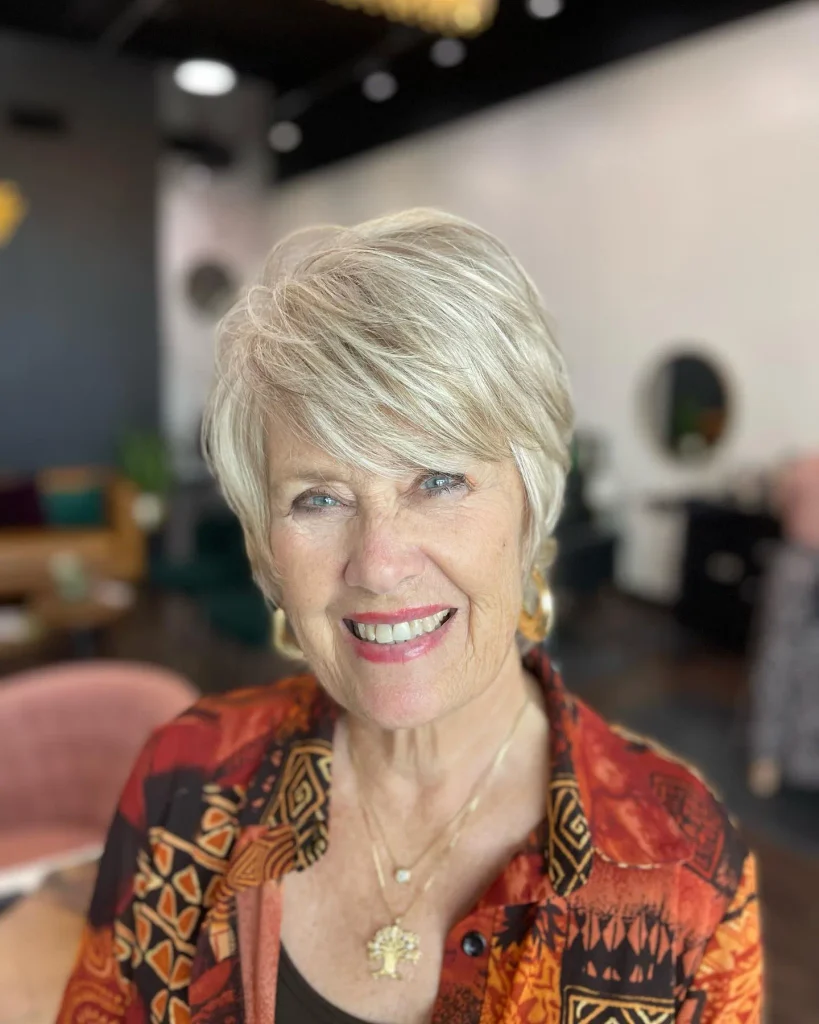
Source: ashleymichellehair
Short hair can start feeling limiting when every cut seems to expose the same areas around the face. Feathered side bangs change the direction of the haircut, bringing movement across the forehead while the pixie keeps the sides and back compact.
The longer fringe sweeps diagonally from the crown toward one side, with feathered pieces blending into the temple. That transition is useful for mature hair because it keeps the front from forming a heavy, solid block.
A small round brush can lift the roots while directing the fringe sideways, giving the haircut its signature shape without much fuss. Keep the top slightly longer than the sides when more softness and movement are wanted around the face.
7. Long Feathered Side Bangs
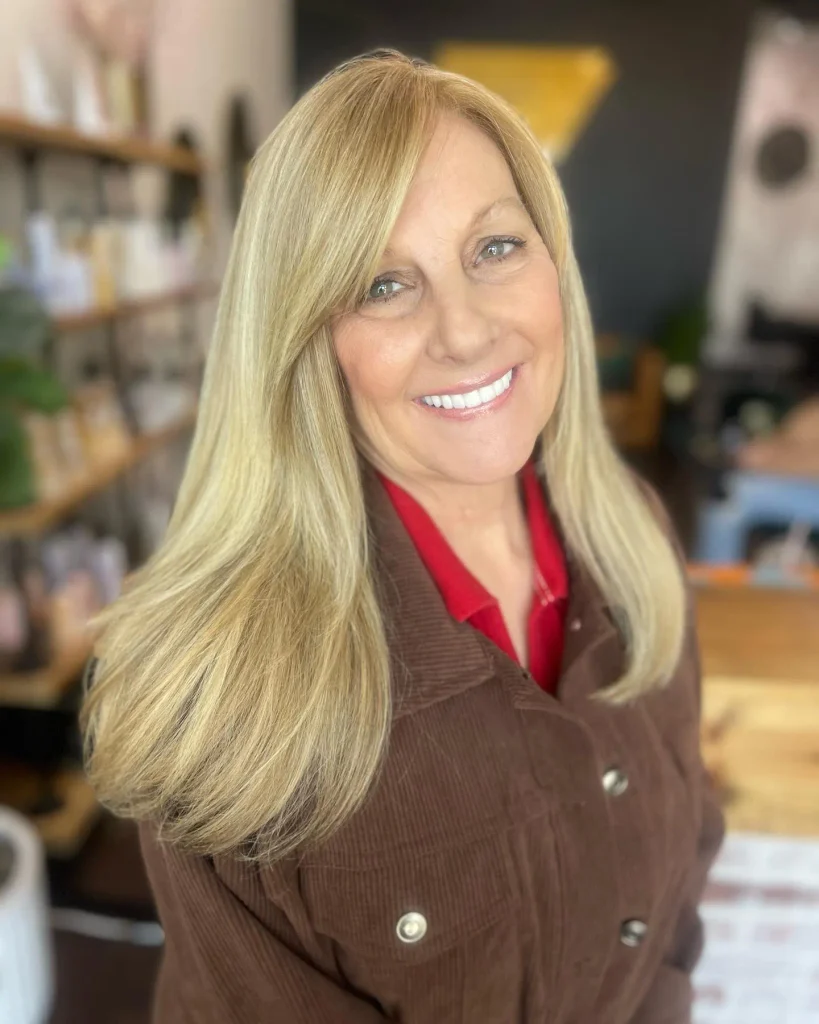
Source: ashleymichellehair
When the front of your hair never seems to sit quite right, long feathered bangs can change the way the whole haircut behaves. They sweep away from the forehead and blend into longer layers, giving you movement without asking for a complicated routine.
The longest pieces should reach toward the cheekbones or jaw, while shorter sections near the brow keep the fringe from becoming heavy. Feathering through the ends helps the bangs move instead of sitting stiffly across one area of the face.
For mature hair, keeping some weight near the roots can help the fringe hold its shape. Try drying the bangs with a medium round brush, directing them away from the face, then letting them cool before gently separating the ends with your fingers.
8. Polished Layered Side Bangs
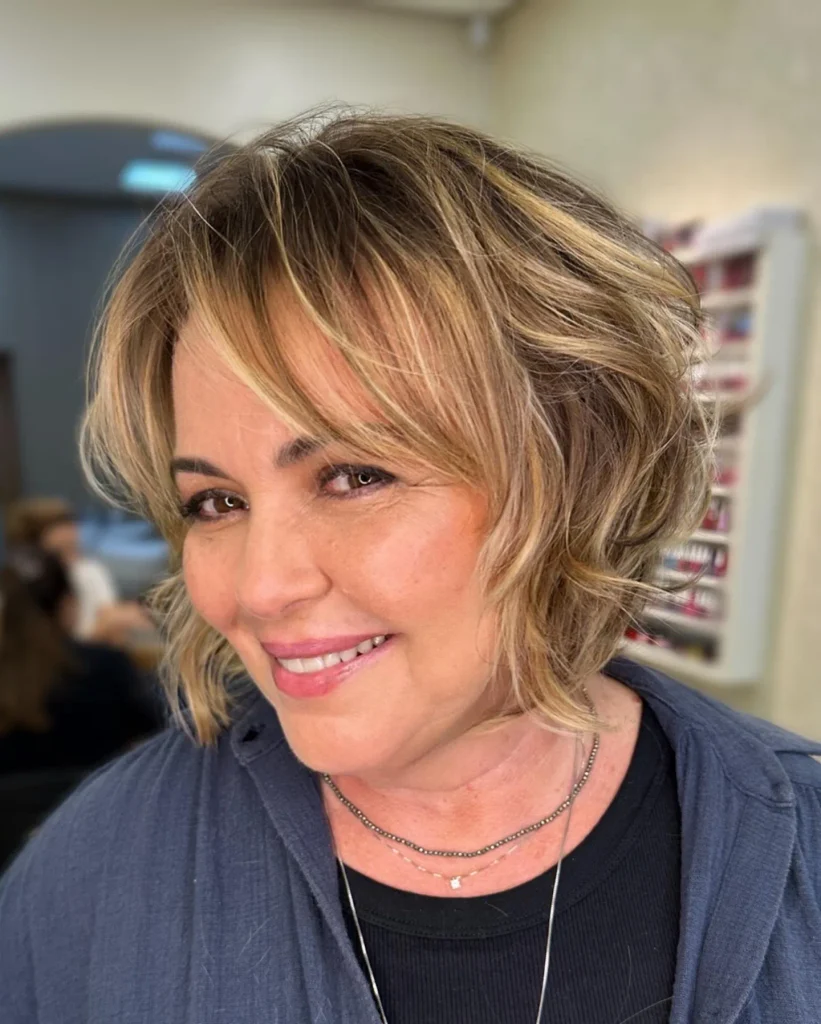
Source: biomaespacobeleza
There are days when you want your haircut to look put together without spending half the morning styling it. Layered side bangs offer that neat, swept-away shape while longer layers keep the rest of the haircut from feeling too rigid.
The fringe begins closer to the part and gradually becomes longer as it moves across the forehead. Those layers can continue into the sides, which helps the bangs blend into the haircut rather than stopping suddenly near the cheek.
A stylist can point-cut the ends to give them movement and reduce a heavy edge. For finer strands, avoid thinning the bangs too aggressively; keeping enough density through the front helps the fringe maintain its shape after washing and drying.
9. Silver Sweeping Pixie Bangs
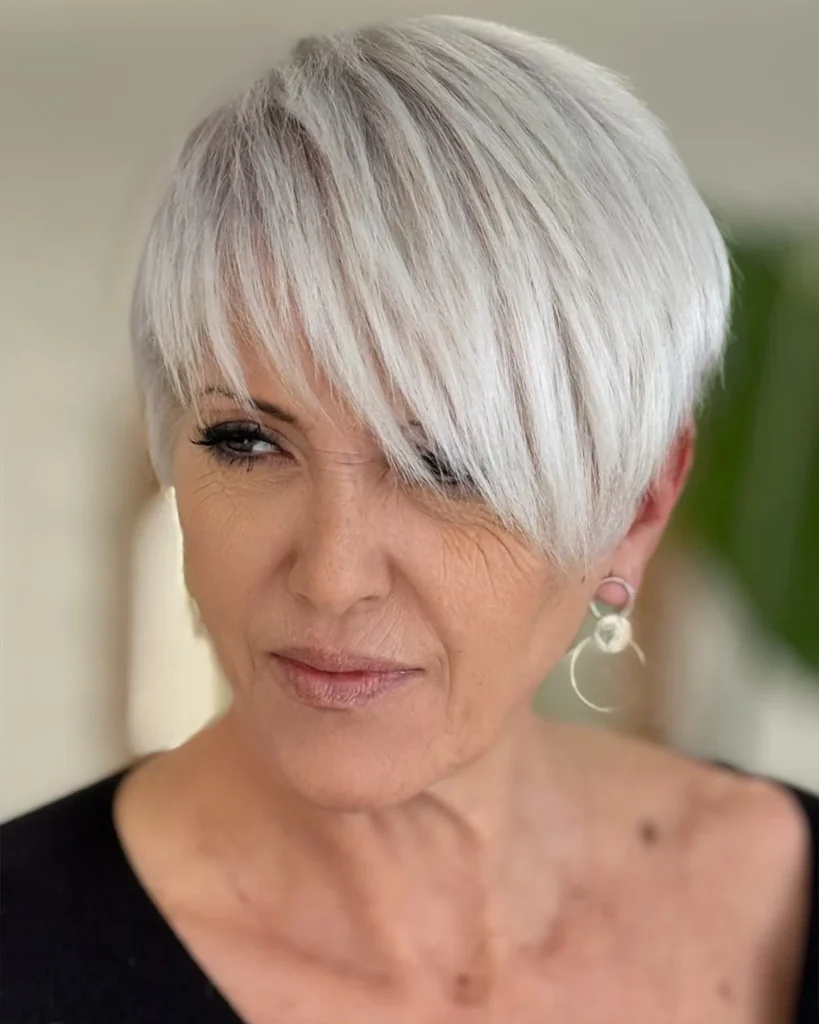
Source: alessa77mix
Short hair can still have plenty of personality, especially when silver strands are paired with a sweeping fringe. The diagonal bangs bring attention toward the eyes, while the cropped sides keep the haircut light and easy to manage.
The top should remain slightly longer than the sides so the fringe has enough length to travel across the forehead. Subtle separation through the ends keeps the silver pieces from forming one solid patch and lets the haircut move when you turn your head.
For mature silver hair, a lightweight styling paste can help direct the fringe without making it look stiff. Work a tiny amount between your fingertips first, then guide the bangs into place rather than coating the entire front section.
Read More : 21 Hairstyles for Thin Fine Hair Over 60 Looks
10. Long Shaggy Curtain Bangs

Source: belongbeautysociety
When your hair starts falling flat around the face, adding layers only to the lengths may not be enough. Long shaggy curtain bangs bring movement right to the front, while the surrounding layers help the haircut keep its shape without looking too heavy.
The fringe parts naturally near the center and gradually stretches toward the cheekbones, where it blends into longer shag sections. Choppy ends keep the bangs from sitting like a solid curtain, giving the hairstyle a more relaxed finish that suits wavy or slightly textured hair.
11. Soft Blunt Bob Bangs
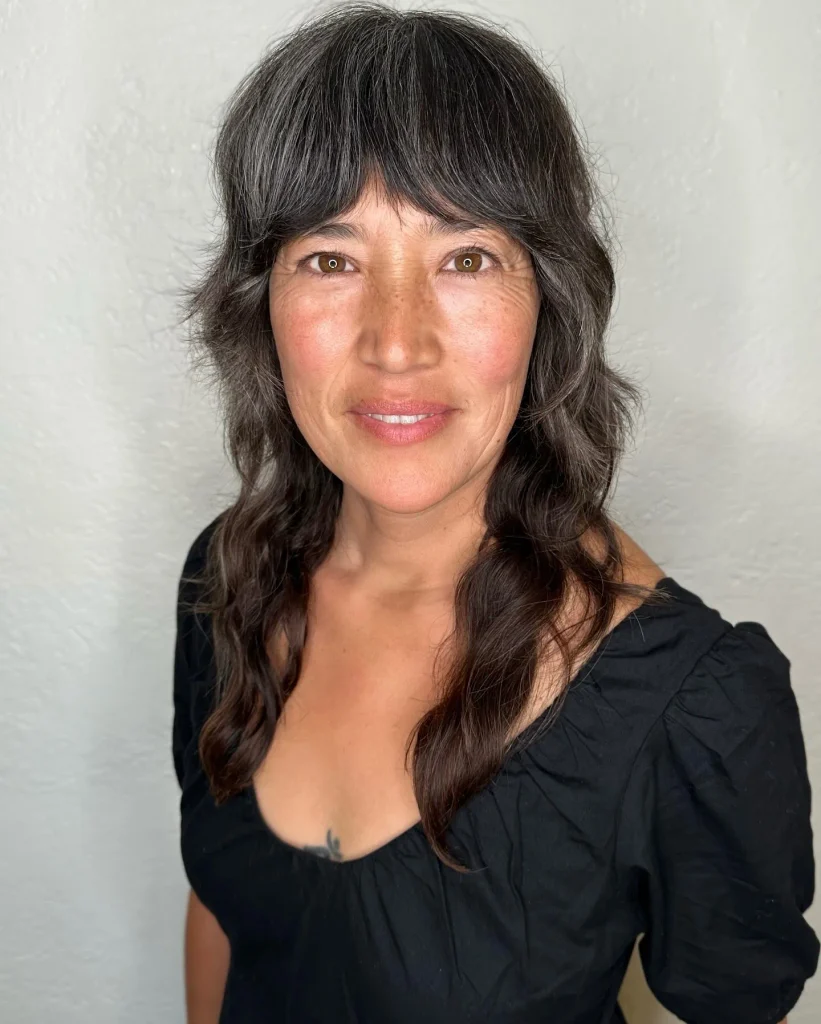
Source: bareeminimum
A short bob can become tricky when the ends start looking uneven or the front loses its shape between trims. Blunt bangs bring definition back to the haircut, while the simple bob keeps everything around the jawline tidy and easy to manage.
The fringe should sit close to the brow with a clean edge, while the bob follows a similar line around the lower face. Keeping both areas visually connected makes the haircut feel intentional, even when the bangs are the main feature.
For fine mature hair, a blunt perimeter can help preserve the impression of fullness through the ends. Instead of heavily texturizing the bottom, your stylist can keep the edge compact and use only minimal softening through the bangs.
12. Classic Gray Curtain Bangs
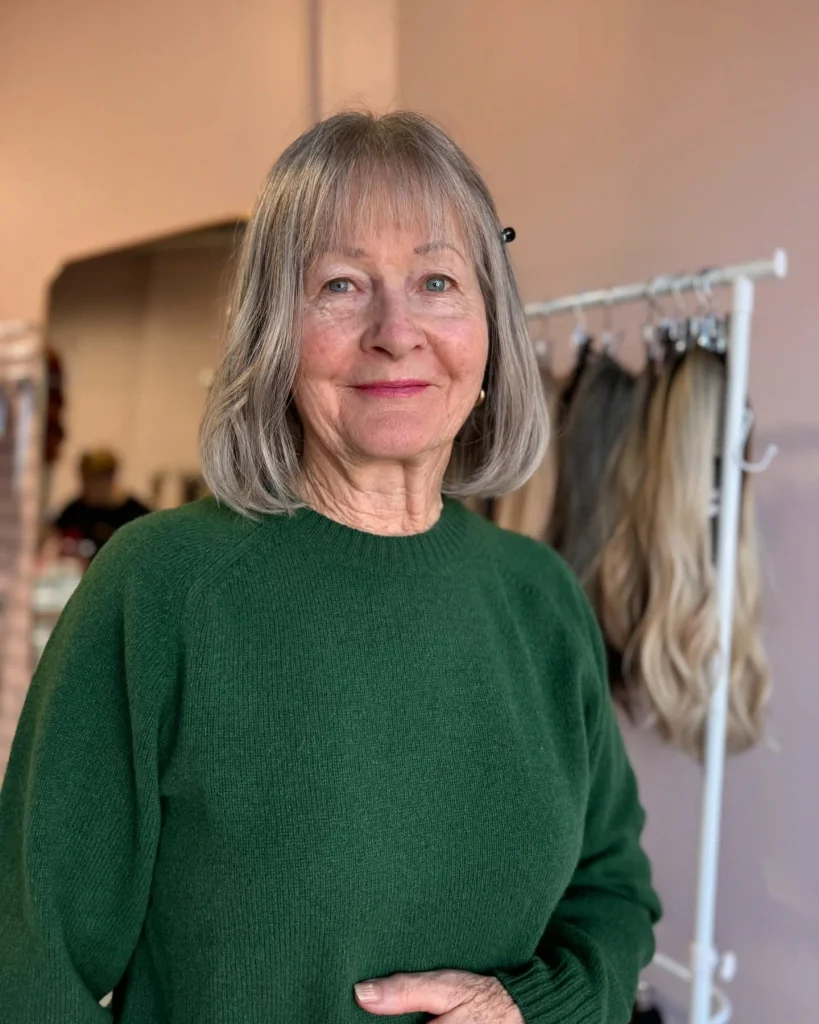
Source: goldylosthair
Gray hair does not need a dramatic cut to make a noticeable change. When the front has started growing unevenly or feels difficult to style, classic curtain bangs offer a simple update while letting the natural silver color stay at the center of attention.
The bangs separate around the middle and sweep gently toward the sides, with the shortest point sitting near the upper cheek or brow area. That gradual length works especially well with shoulder-length cuts because the fringe can merge into face-framing pieces without a sharp break.
If your silver strands have a coarse or slightly dry texture, use a small amount of smoothing lotion on the front sections after drying. Keep the product away from the roots so the curtain shape stays lifted and the hair does not become weighed down.
13. Curly Shag with Full Bangs
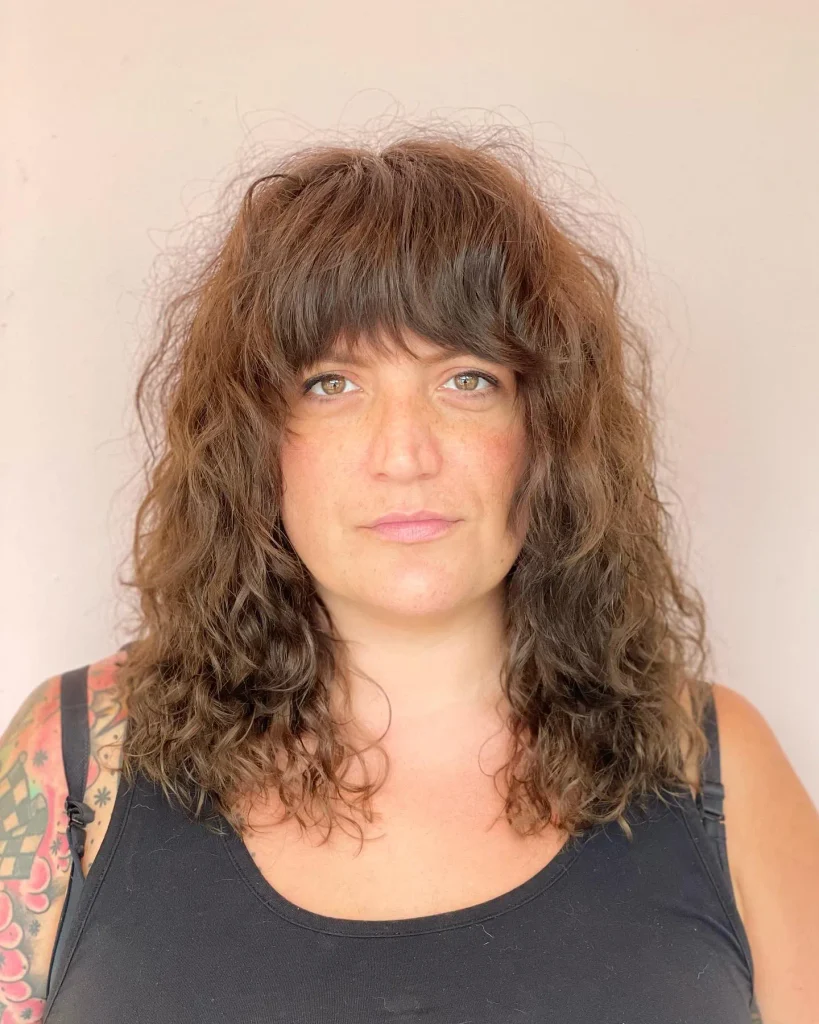
Source: hairbylaurenaugustine
When curls start losing their shape around the forehead, a full fringe can bring back definition without taking away the personality of the texture. A curly shag keeps the movement going through the crown and sides, giving the haircut plenty of energy from every angle.
The bangs sit across the forehead with rounded ends that follow the curl pattern instead of being cut too straight. Shorter layers near the crown help lift the curls, while longer sections keep the sides connected and prevent the haircut from becoming too compact.
For mature curls, moisture and cutting technique work together. A stylist may trim the fringe while the hair is dry so the natural curl placement can be judged more accurately, especially when shrinkage changes the apparent length after washing.
14. Long Feathered Bangs Layers
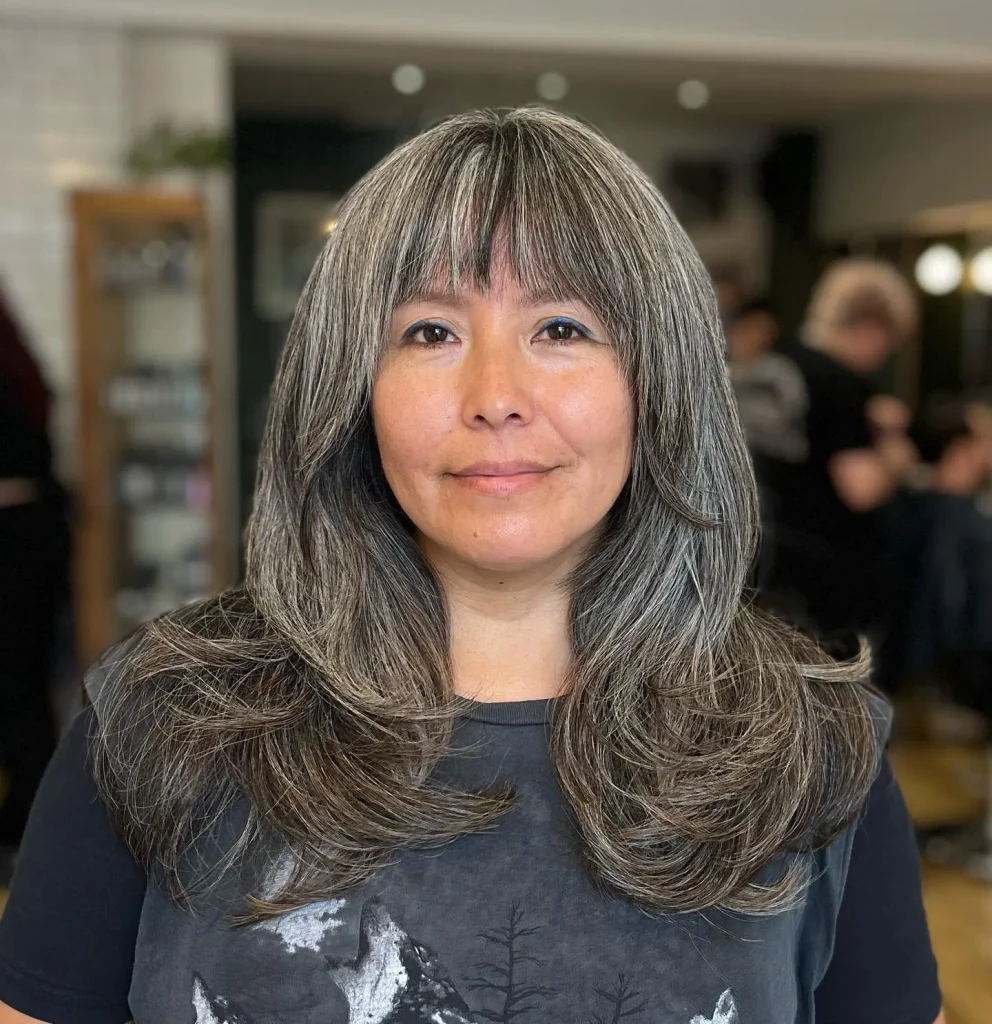
Source: emilymaywilliams
Have your longer layers started growing out but the front still needs a little direction? Feathered bangs can refresh the face without sacrificing length, making them useful for anyone who wants change without committing to a short haircut.
The fringe begins around the forehead and gradually extends into the longer layers beside the cheeks. Feathered ends keep the transition moving, while subtle layering through the lower sections prevents the haircut from hanging in one heavy shape.
For finer mature strands, ask for controlled layering rather than removing weight everywhere. Keeping some fullness near the lower sections helps the hair retain body, while directing the bangs outward with a round brush can emphasize their feathered movement.
15. Soft Gray Parted Bangs
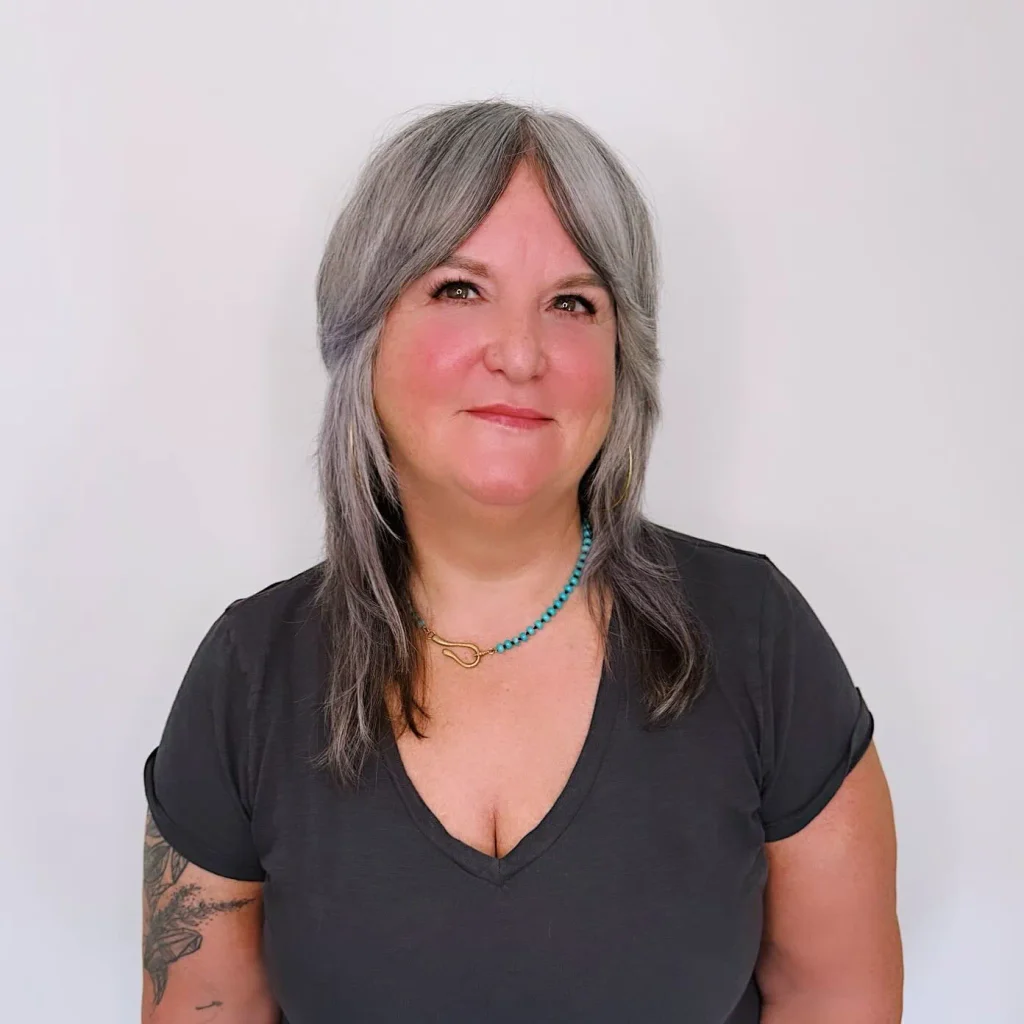
Source: saltybangs
When gray hair grows in different textures, the front can sometimes become the hardest area to style. Parted bangs offer an uncomplicated way to shape that section, opening the forehead while allowing the silver strands to blend naturally into the rest of the haircut.
A center or slightly off-center part separates the fringe into two sections, with each side becoming longer toward the temples. The shorter pieces frame the upper face, while the longer ends can merge into shoulder-length layers or a bob.
Silver strands often benefit from lighter products that control flyaways without making the roots heavy. Try smoothing a small amount through the ends after drying, then separate the part with your fingers so the bangs retain movement rather than sitting flat.
16. Voluminous Feathered Curtain Bangs
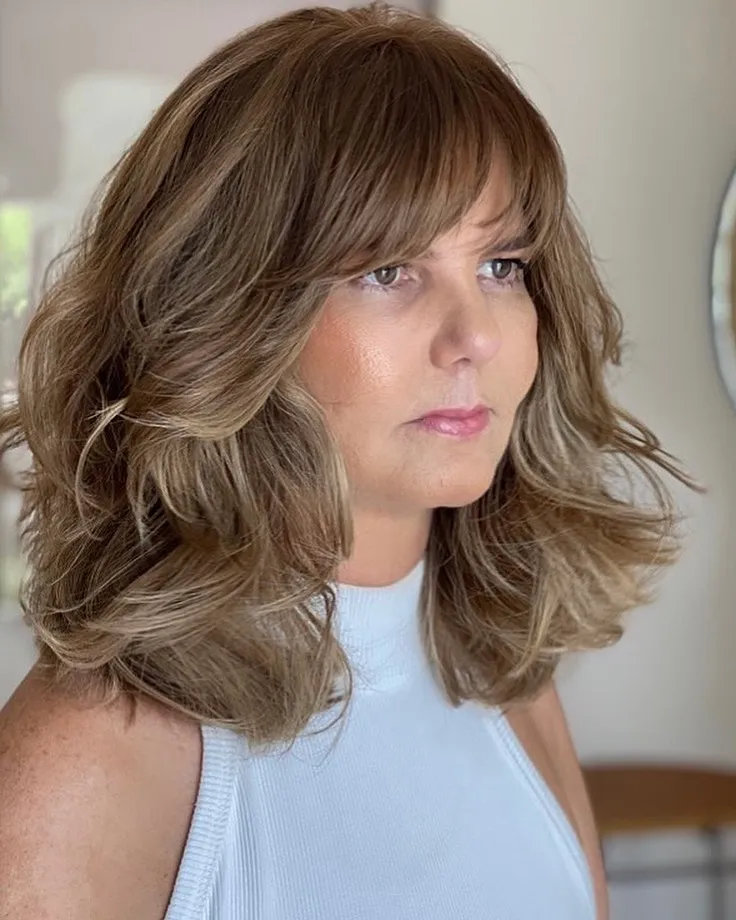
Source: charlenexavier1
When the front of your hair starts falling flat before the rest of the haircut, curtain bangs can bring movement back where you notice it most. Feathered ends keep the fringe light, while extra lift through the crown helps the hairstyle retain a fuller shape.
The bangs part near the center and sweep outward toward the cheekbones, with each side gradually blending into longer layers. Keeping the shortest section slightly above the brows prevents the fringe from covering the eyes and helps the face-framing pieces move separately.
For mature hair that has lost some density, a stylist can focus layering near the crown instead of thinning every section. Blow-dry the roots upward first, then direct each bang away from the face; allowing the hair to cool in that position helps preserve the volume.
17. Textured Gray Bob with Wispy Bangs
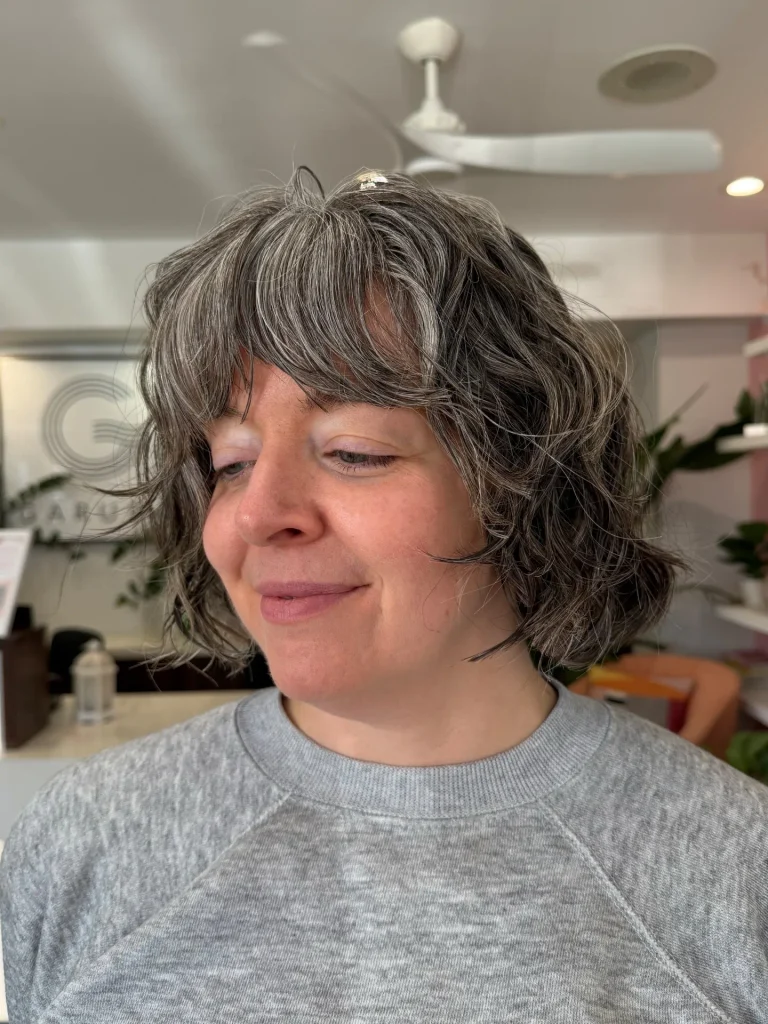
Gray hair can become unpredictable as new strands grow in different directions, especially around the forehead. A textured bob with wispy bangs handles that change gracefully by keeping the main shape defined while allowing the fringe to stay light and airy.
Short, separated pieces across the forehead give the bangs a broken edge rather than one heavy line. Subtle texture through the bob keeps the ends from sitting flat, while slightly longer sections near the temples help connect the fringe with the sides.
If your silver strands are fine, ask for texture through the ends rather than aggressive thinning near the roots. A lightweight volumizing spray can support the crown, while a small amount of smoothing cream on the bangs controls stray pieces without flattening their movement.
18. Curly Volume with Rounded Bangs
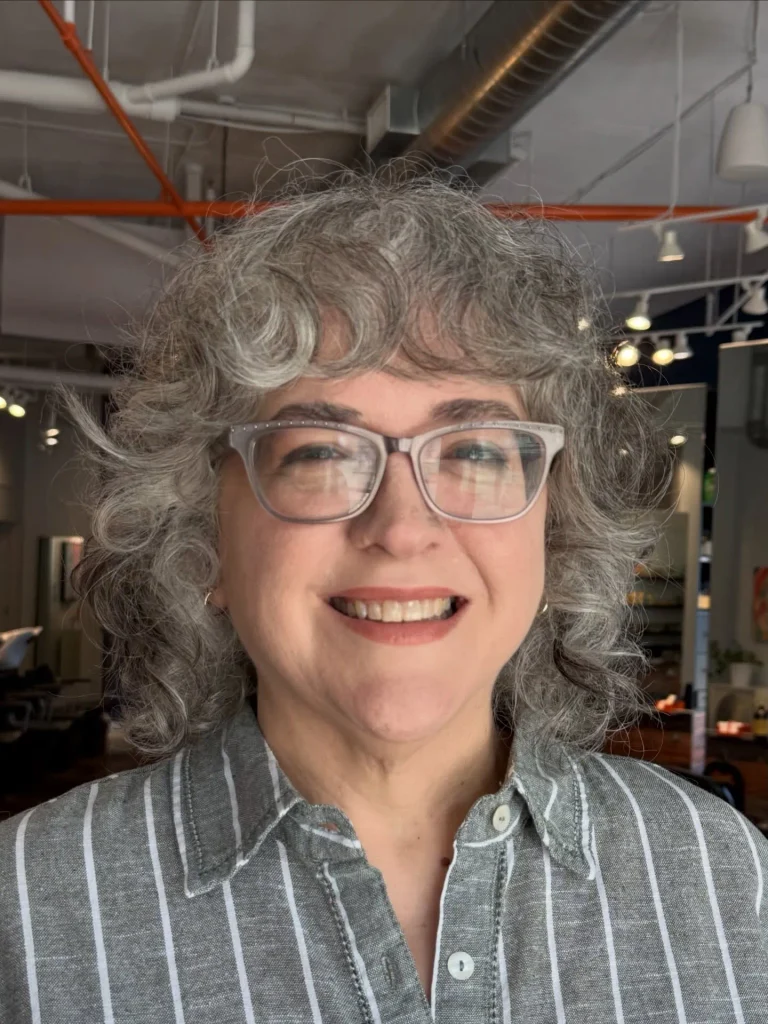
Some curly hairstyles lose their charm when too much weight gathers around the cheeks. Rounded bangs shift the focus upward, while concentrated volume through the crown helps the curls stay lifted instead of dropping into a triangular shape.
The fringe follows a curved line across the forehead, with slightly shorter curls near the center and longer pieces toward the temples. Keeping the bangs rounded rather than sharply straight lets them cooperate with natural curl patterns and keeps the haircut cohesive from front to side.
19. Feathered Bob with Full Bangs
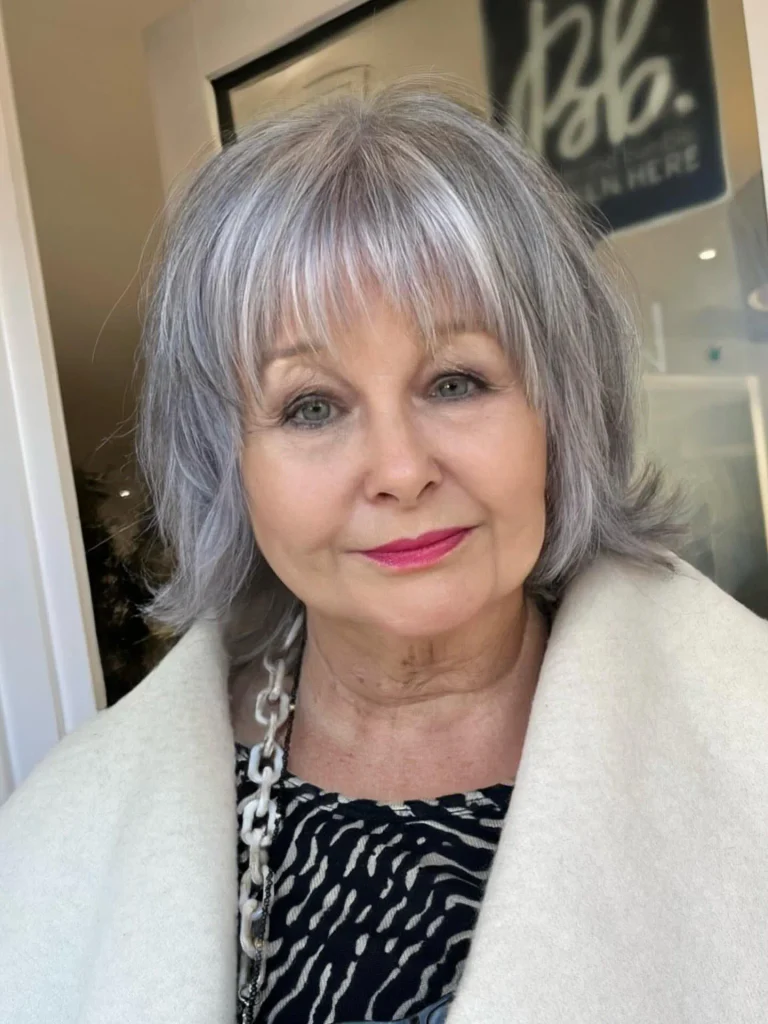
When a short haircut starts feeling too flat around the sides, a few well-placed layers can change the movement without taking away its shape. A feathered bob with full bangs brings more activity around the face while keeping the length easy to handle.
The bangs sit across the forehead with lightly tapered ends, then flow into feathered sections around the temples and jaw. Keeping the sides slightly longer than the fringe prevents the cut from looking too compact and helps the layers move naturally as the hair is styled.
20. Layered Mullet with Blunt Bangs
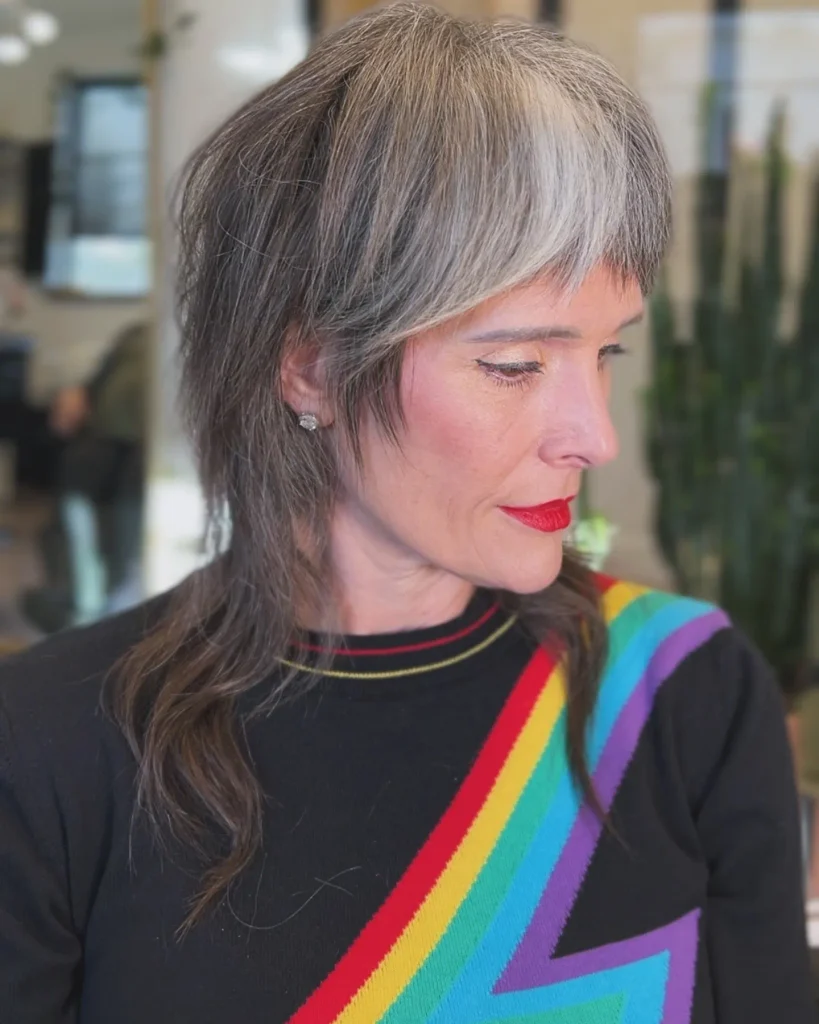
Finding a haircut that gives thinning hair some movement while still looking substantial can be frustrating. A layered mullet takes a different approach, using shorter sections near the crown and longer lengths toward the back, while blunt bangs keep the front defined.
The bangs form a straight line across the forehead, providing contrast against the textured layers behind them. Shorter crown pieces bring height, and the longer back sections maintain enough length to keep the haircut from becoming too cropped.
For hair that has lost density with age, the layering should be carefully placed rather than heavily thinned. Keeping the perimeter fuller can protect the shape, while a small amount of root-lifting mousse around the crown helps the shorter sections hold their lift through styling.
21. Rainbow Shag with Micro Bangs
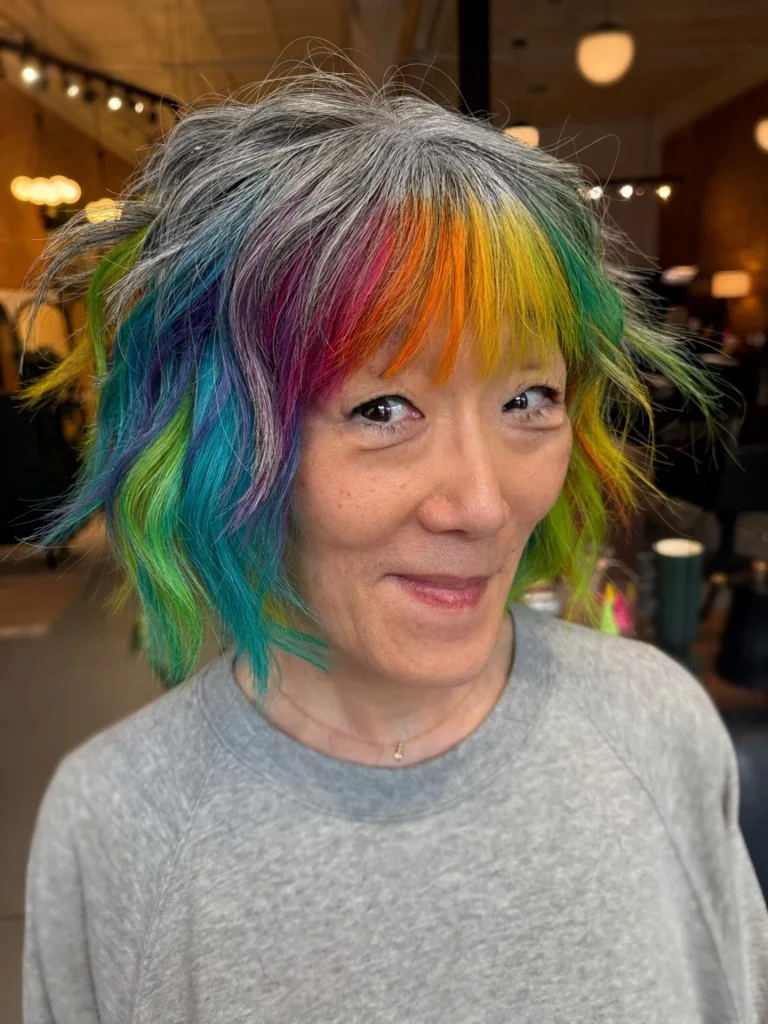
Gray strands are not the only way to make a mature haircut feel fresh; color can bring plenty of personality too. A rainbow shag pairs lively tones with choppy layers, while tiny bangs give the haircut a playful edge without covering much of the forehead.
Micro bangs sit noticeably above the brows, leaving the eyes and upper face open. Around them, shaggy layers build uneven movement through the crown and sides, while blended rainbow sections allow each color to show through the texture instead of sitting in one flat block.
Color-treated hair needs extra care, especially when the strands are already dry or delicate. Ask for a conditioning treatment during color appointments, and use lukewarm water when washing at home to help the shades stay vibrant and the hair retain moisture.
22. Sleek Silver Layers with Wispy Bangs
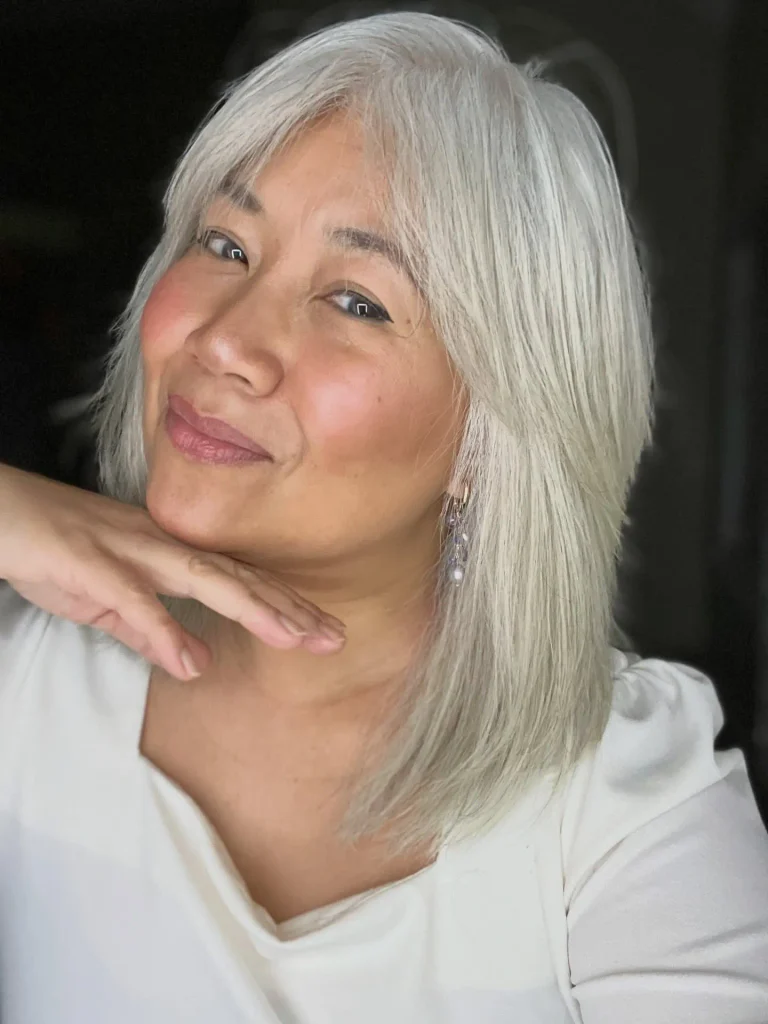
When silver hair starts feeling difficult to shape around the forehead, wispy bangs can bring direction without making the front feel heavy. Paired with long sleek layers, they frame the face while keeping the rest of the haircut smooth and flowing.
The bangs sit lightly across the forehead and separate into fine pieces near the temples. Longer layers begin around the cheek or jaw area, allowing the front to blend gradually into the rest of the hair rather than stopping at a sharp line.
For mature silver strands, use a lightweight smoothing serum mainly through the mid-lengths and ends. Keep the roots free from heavy product, then use a paddle brush while blow-drying to guide the layers downward and keep the wispy fringe separated.
23. Soft Blonde Bob with Side Bangs
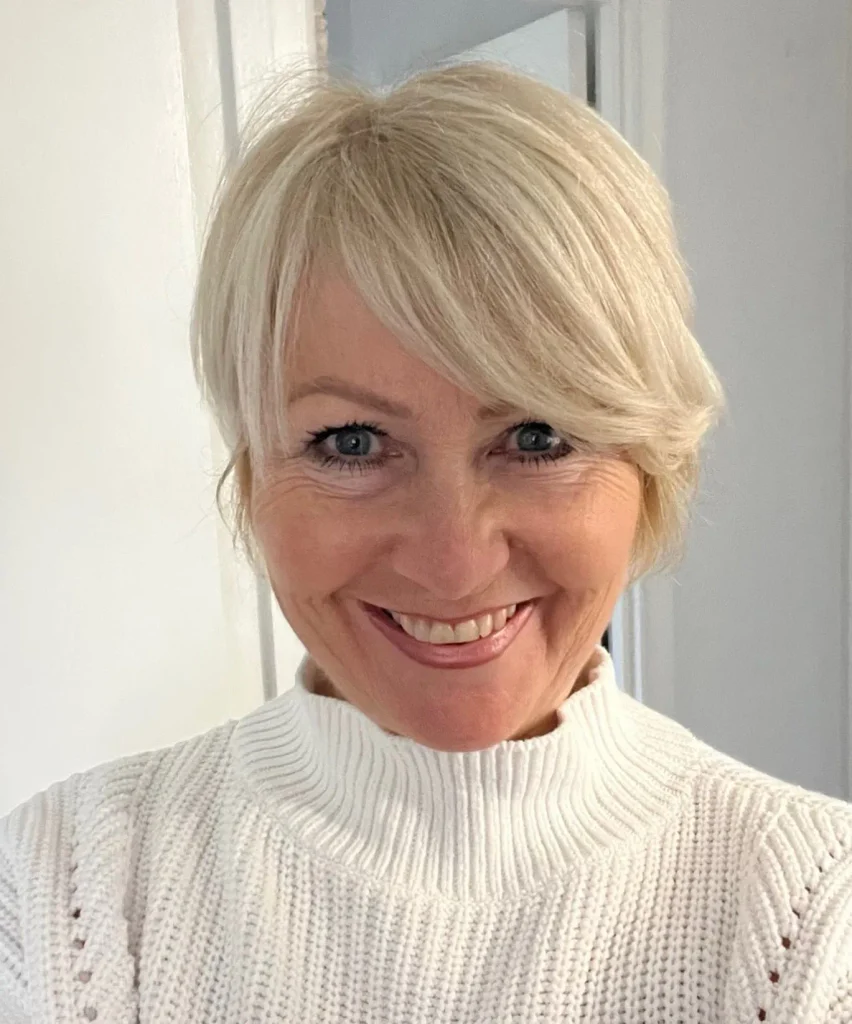
When you want a haircut change without giving up a familiar shape, a blonde bob with side bangs offers a simple refresh. The shorter length keeps the hair manageable, while the sweeping fringe brings movement across the forehead and into the side of the face.
The bangs begin near the part and travel diagonally toward the cheek, becoming longer as they merge with the bob. A softly rounded perimeter keeps the chin-length shape from appearing too severe, especially when paired with lighter blonde tones.
Fine mature hair can benefit from keeping the bob’s bottom edge relatively full. Instead of heavily thinning the ends, ask for subtle internal layering and use a small round brush to lift the roots before directing the side bangs across the forehead.
24. Textured Bob with Airy Bangs
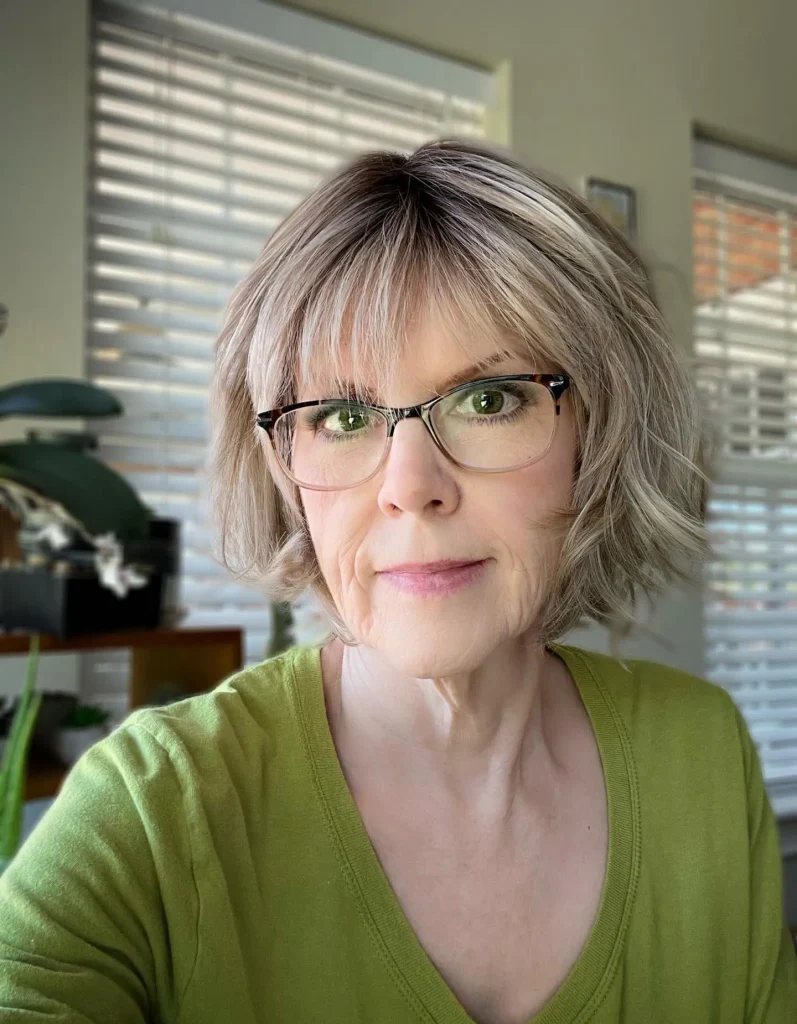
Heavy bangs can become frustrating when they need constant adjusting throughout the day. Airy fringe offers a lighter alternative, leaving small spaces between the pieces while a textured bob brings movement through the sides and ends.
The bangs are cut into separated sections that gently skim the forehead rather than forming one dense line. Uneven texture around the bob keeps the haircut from sitting flat, while slightly longer front pieces help the fringe transition into the sides.
For hair that has become finer over time, avoid taking too much density from the entire haircut. Keeping the perimeter solid while adding texture only where needed can preserve fullness, and a light root spray can lift the crown without making the airy bangs heavy.
25. Two-Tone Bob with Bold Bangs
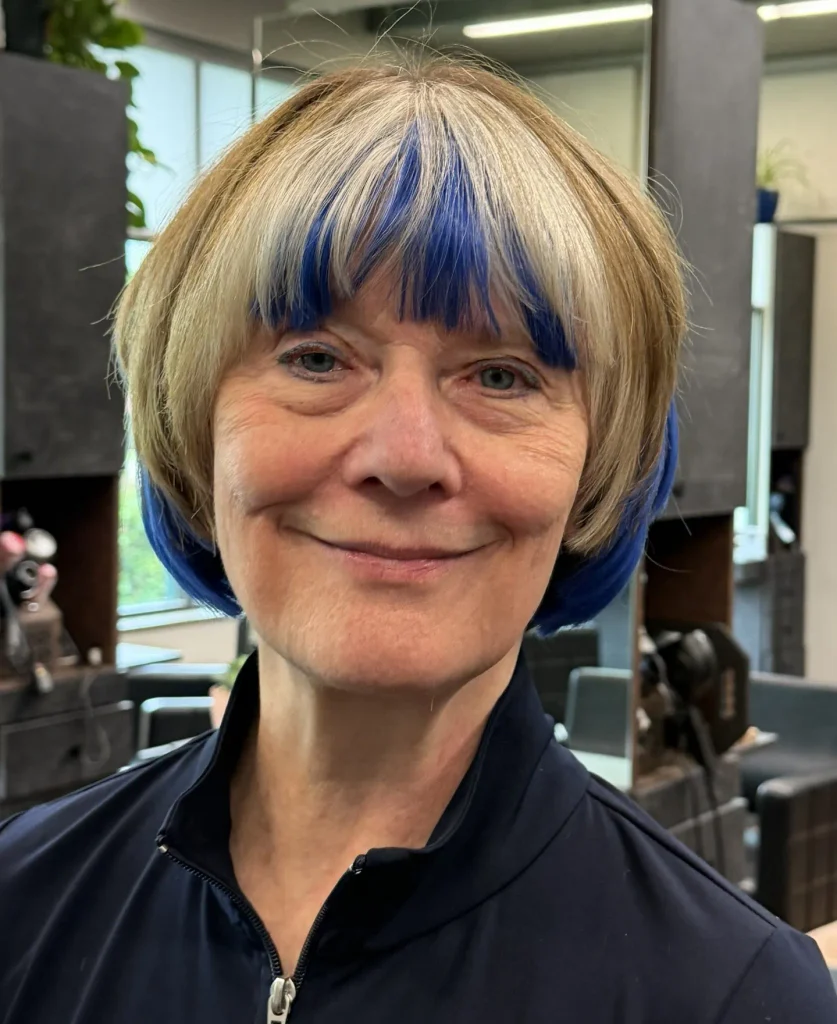
When one color starts feeling too ordinary, a two-tone bob can bring some personality back into your haircut. Pairing contrasting shades with bold bangs gives the front a strong focal point while the shorter length keeps the cut manageable.
The bangs sit firmly across the forehead with a defined edge, giving the haircut a more graphic touch. A second shade can be placed underneath or through selected sections of the bob, allowing the color contrast to show whenever the hair moves.
For mature hair, keeping the cut simple can help the color remain the main feature. Ask your stylist to match the stronger bang line with a clean bob perimeter so the haircut feels connected rather than visually scattered.
When working with two shades, regular conditioning becomes especially useful because colored sections may have different textures from untreated hair. A lightweight leave-in conditioner through the ends can help maintain softness while keeping the bangs crisp and separated.
Choosing Soft Bangs for Your Hair Type
- Fine hair: Keep some density at the roots.
- Thick hair: Remove selective weight.
- Curly hair: Leave extra length for shrinkage.
Finding the Right Bangs Length
- Brow-length for eye-framing.
- Cheekbone-length for face framing.
- Longer pieces for blending into layers.
Soft Bangs for Fine Hair
- Avoid heavy thinning.
- Keep the fringe slightly fuller at the roots.
- Use lightweight styling products.
Styling Soft Bangs
- Use a small round brush.
- Direct bangs toward your preferred side.
- Keep products light to avoid flat roots.
What to Ask Your Hairstylist
- Bring reference photos.
- Mention your hair texture and density.
- Explain how much styling you want to do.
FAQs
1. Are bangs good for older women?
Yes. Bangs can frame the face gently and work well with many mature hair textures and lengths.
2. What bangs are easiest to maintain?
Wispy and longer curtain bangs usually require less daily styling than shorter, blunt fringe.
3. Are bangs suitable for thin hair?
Yes, when they are cut with enough density at the roots and are not heavily thinned.
4. How often should bangs be trimmed?
Most bangs need occasional trimming as they grow, especially when they begin falling into the eyes or losing their shape.
1. Are bangs good for older women?
Yes. Bangs can frame the face gently and work well with many mature hair textures and lengths.
2. What bangs are easiest to maintain?
Wispy and longer curtain bangs usually require less daily styling than shorter, blunt fringe.
3. Are bangs suitable for thin hair?
Yes, when they are cut with enough density at the roots and are not heavily thinned.
4. How often should bangs be trimmed?
Most bangs need occasional trimming as they grow, especially when they begin falling into the eyes or losing their shape.
Conclusion
The right fringe can change more than just the front of your haircut. These bangs hairstyles for older women offer inspiration for adding movement, framing the face, and refreshing familiar cuts while keeping everyday styling manageable.
Whether you prefer a short bob, flowing layers, curls, or a sleek cut, there is room to adapt bangs to your hair texture and personal routine. I’ve seen how a thoughtful haircut can bring renewed confidence when it works naturally with the person wearing it.
Save this post to Pinterest, choose a hairstyle that catches your attention, and take your favorite reference to your stylist. Share it with someone looking for fresh haircut inspiration, too.