23 Butterfly Haircut Long Hair Styles for Soft Look
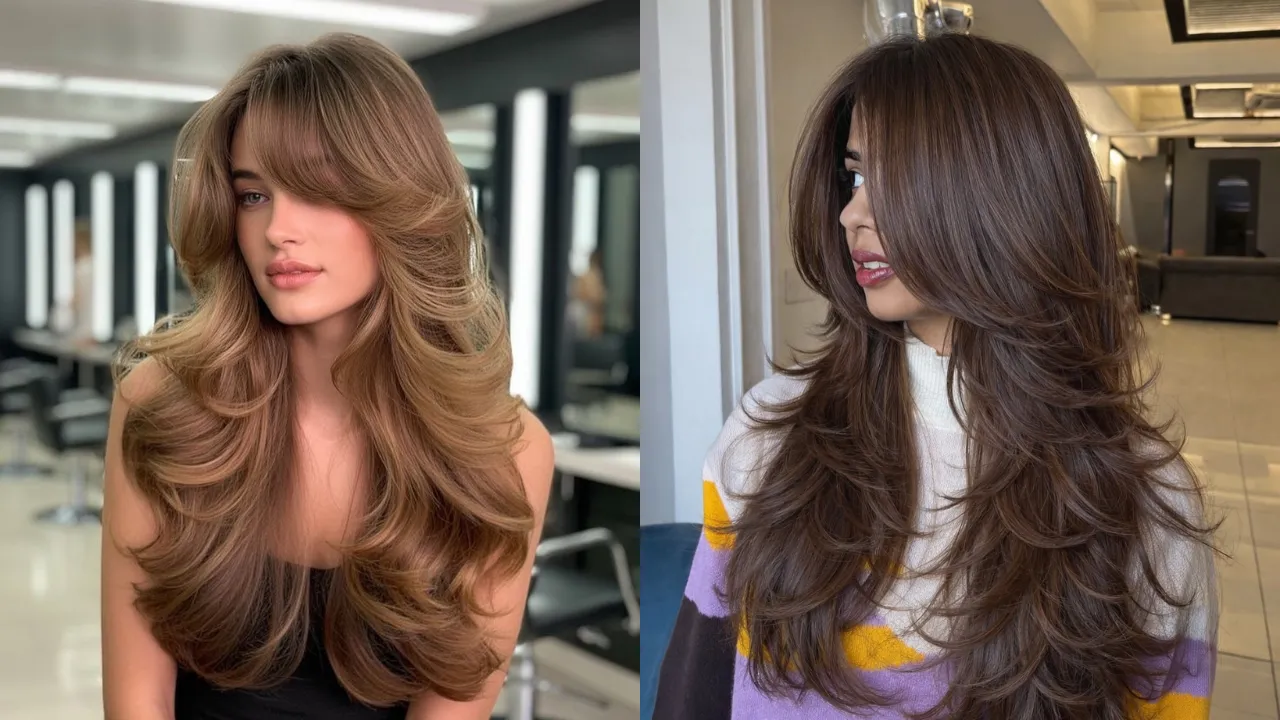
Stop scrolling your hair doesn’t have to stay flat, heavy, or shapeless anymore. If you’ve been searching for a way to keep your length but still add dimension, butterfly haircut long hair styles might be exactly what you’ve been missing.
This article brings together layered ideas that solve one of the most common struggles with long hair lack of shape and movement near the top while the ends feel weighed down. I’ve seen many people struggle with this, especially when layers are cut too evenly or not placed correctly.
In my experience, the right layering technique can completely change how hair falls without cutting off length. That’s what makes this haircut stand out. It lifts, frames, and reshapes the overall look while still keeping the fullness intact.
What Is a Butterfly Haircut
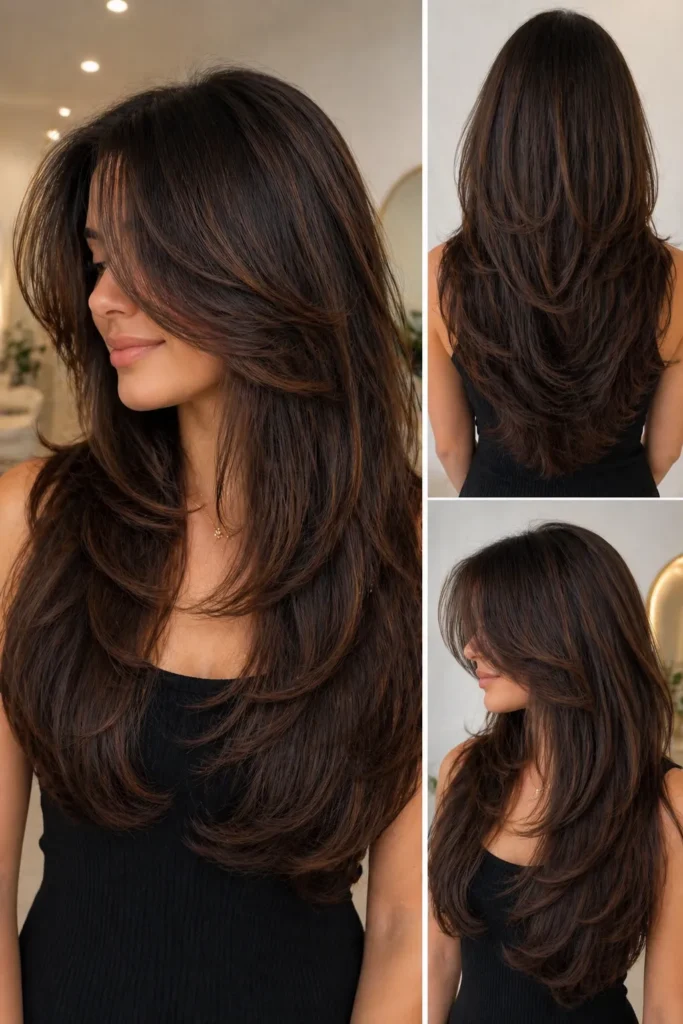
A butterfly haircut is a long hairstyle where shorter sections are cut around the face while the length stays underneath. This creates a shape where the top appears lifted while the overall length remains unchanged.
Instead of blending everything evenly, the cut is built in two levels. The shorter pieces sit forward and frame the face, while the longer ones stay behind, supporting the shape without taking away length.
What makes it stand out is the balance between fullness and structure. The top appears lighter, while the bottom keeps its weight, which stops the hair from falling flat like traditional long cuts.
What Makes the Butterfly Haircut Different
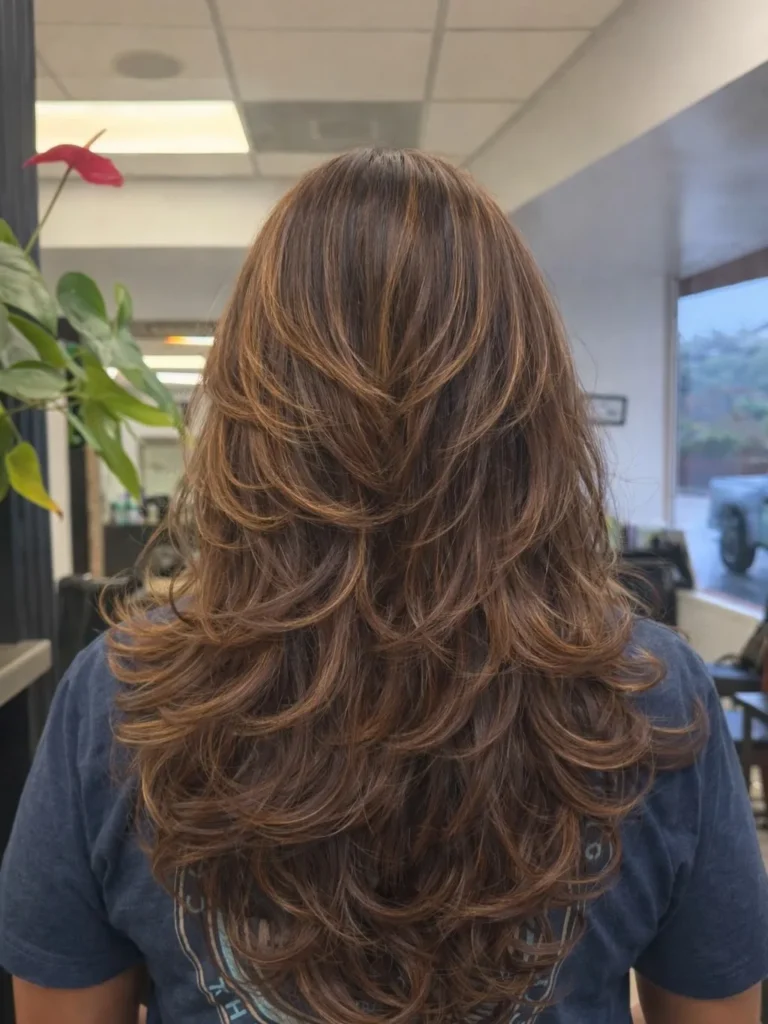
Source: _lilianahairstylist.la
Long layers have always been around, but this version changes how they are placed and how they fall together. Instead of stacking evenly, shorter sections sit higher while the length stays more grounded underneath.
That contrast builds the signature shape. The upper part appears lifted, while the bottom still holds length, giving a balanced result that doesn’t feel heavy or overly flat.
Rather than removing bulk everywhere, the focus stays on framing the face and controlling volume in specific areas. That’s what separates it from standard layered haircuts.
As you go through these ideas, you’ll find styles that match different preferences, textures, and vibes so you can save your favorites, try something new, and finally get a haircut that works with your hair, not against it.
1. Soft Cascading Butterfly Layers
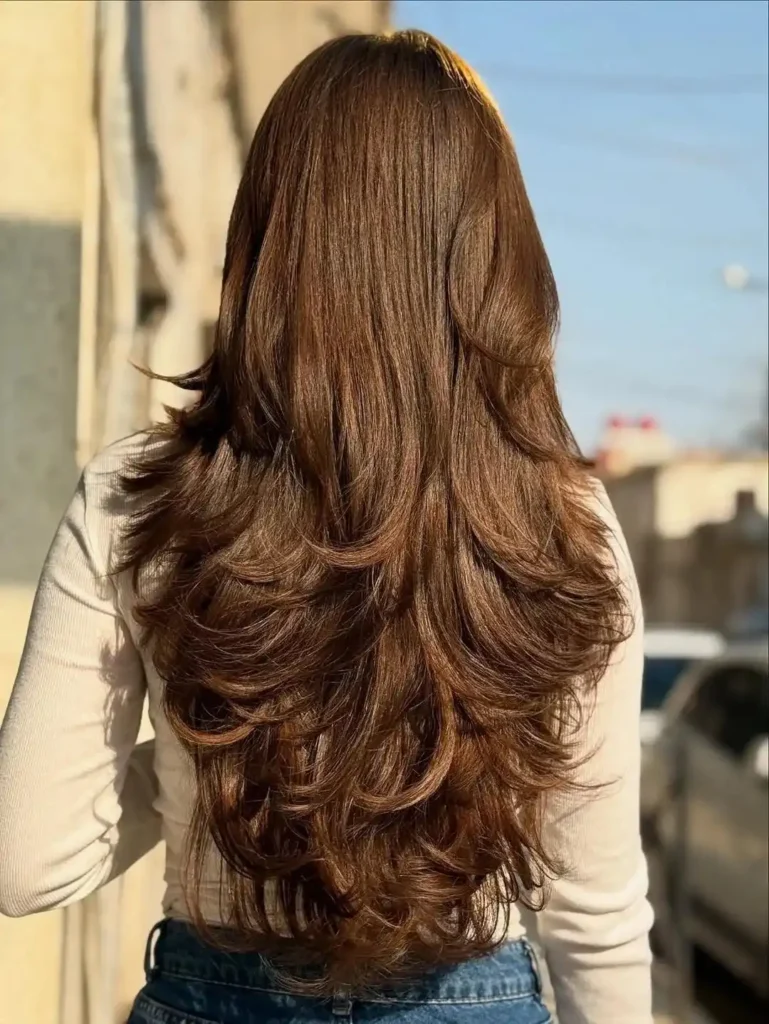
Source: girls.haircuts
The moment layers start lifting from the crown, the entire haircut shifts into a lighter, more elevated shape that instantly changes how long hair sits and frames the face. The shorter layers sit forward while longer ones stay behind, building a light, winged silhouette from every angle.
The front pieces curve around the cheek area, making the haircut appear fuller without losing length. When styled with a round brush, each section bends outward slightly, forming that signature layered spread that keeps the cut from looking flat or heavy.
For best results, ask your stylist to keep internal layers blended instead of sharply separated. That small detail changes everything, especially when hair falls naturally after washing, maintaining shape even without heavy styling effort.
2. Face Framing Voluminous Layers
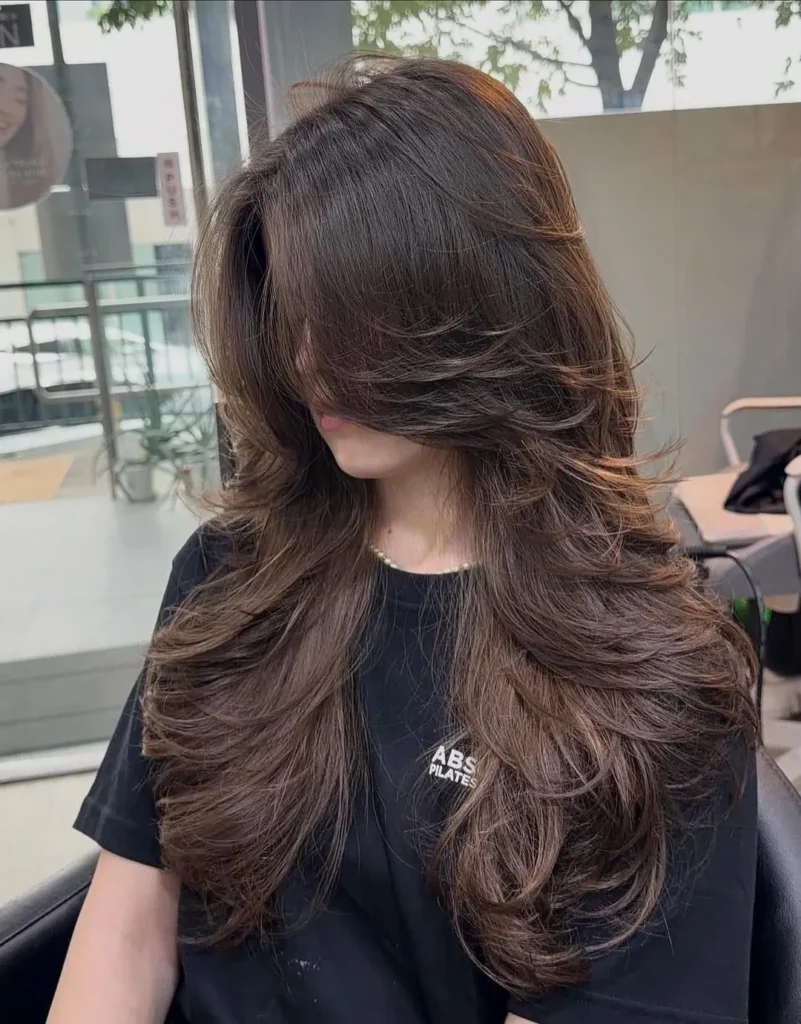
Source: girls.haircuts
Right from the first glance, the front sections pull attention toward the face, cutting bulk while still keeping a full appearance through the mid-lengths. The layering begins higher than usual, which helps lift the entire shape instead of weighing it down.
The volume builds outward rather than downward, making the haircut appear more balanced across the sides. Blow-drying away from the face enhances that effect, especially when each section is directed outward instead of tucked inward toward the cheeks.
When the front sits at the right spot, the transition blends so smoothly that nothing feels abrupt, and the entire haircut appears more intentional without obvious layering lines.
3. Glossy Flipped Layered Ends
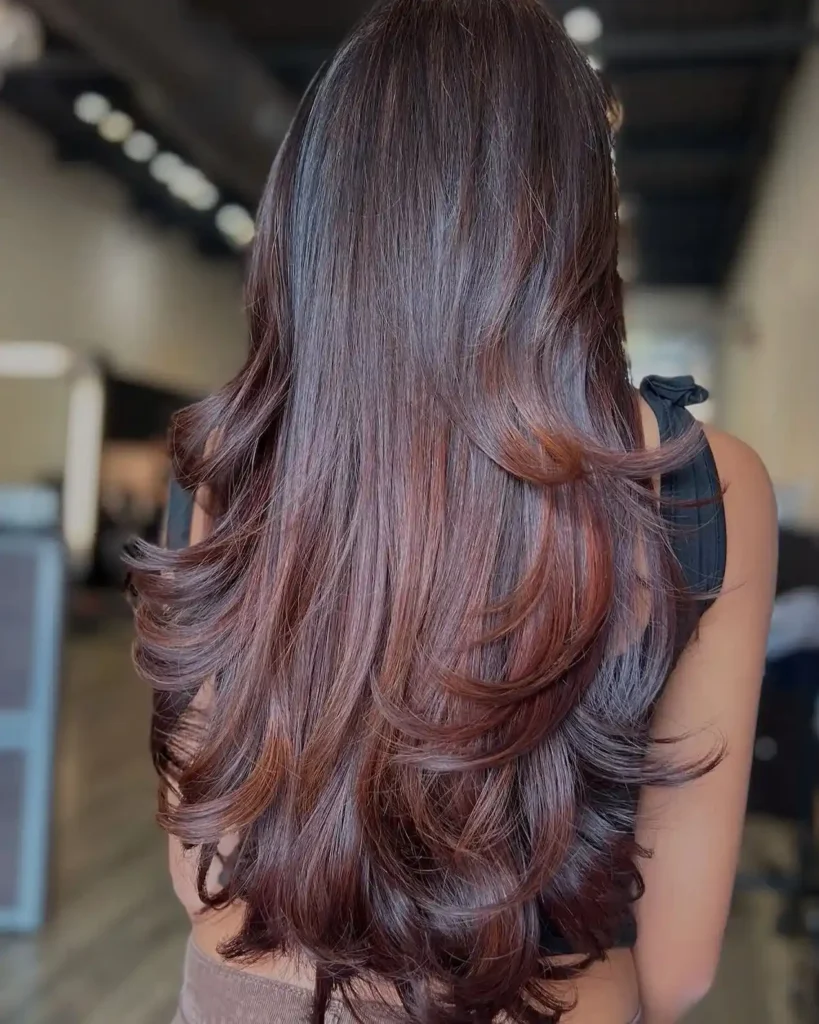
Source: elevatehairkaty
Not every layered cut focuses on the ends, but this one flips the entire attention downward, where curved edges completely transform the finish of long hair. Instead of blending everything inward, the outward bend introduces a lively finish that works especially well with layered density.
The shine factor plays a strong role in how this haircut stands out, since light reflects more clearly on curved ends. A heat brush or round brush helps guide the ends outward, keeping the finish consistent rather than random or uneven.
If the ends start looking too thin, trimming just the outer layer instead of the full length keeps the flip intact. That approach maintains the shape while preventing the bottom from losing its strength over time.
Read More : 23 Types of Bangs That Change Your Whole Look
4. Airy Front Sweep Layers
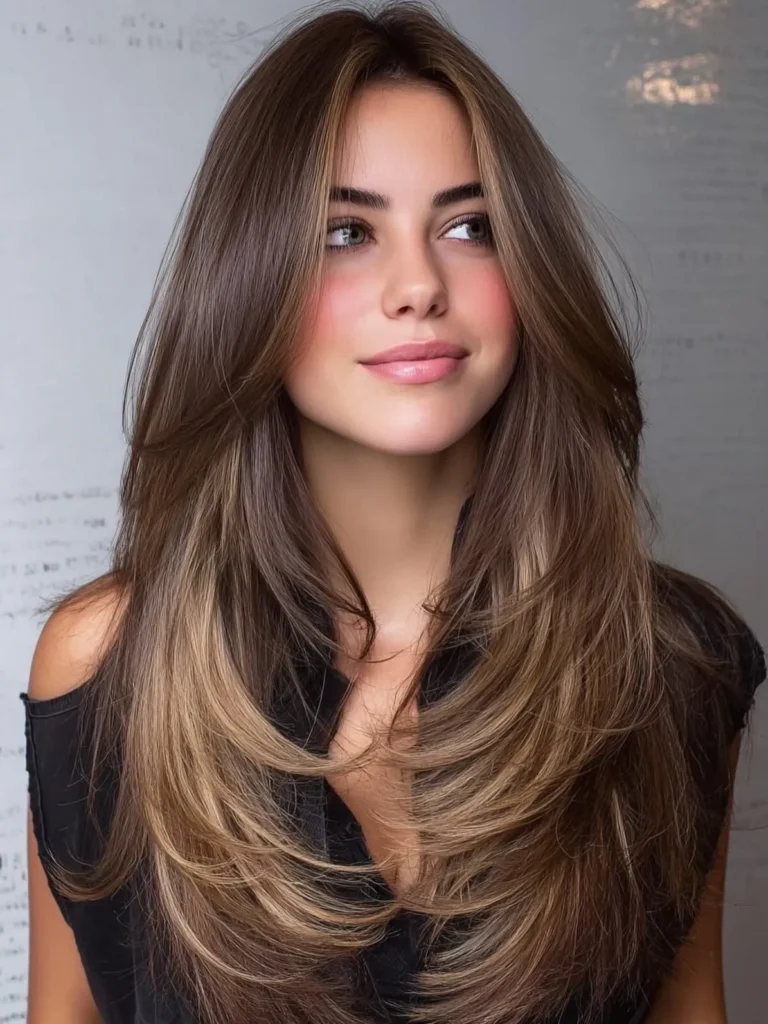
Source: mustafaserdarbekereci_
The front sections glide away from the face, opening everything up without cutting too short. That sweeping direction shifts attention upward, making the haircut appear lighter near the top while keeping fullness through the rest of the length.
Instead of heavy layering, the spacing between sections stays wider, which helps each layer stand out on its own. When styled with a brush moving outward, the strands fall into place naturally, avoiding that crowded or stacked appearance.
A small adjustment in parting can completely change how these layers sit. Switching to a slight side part enhances the sweep and gives more lift near the roots without needing extra styling products.
5. Deep Flowing Butterfly Layers
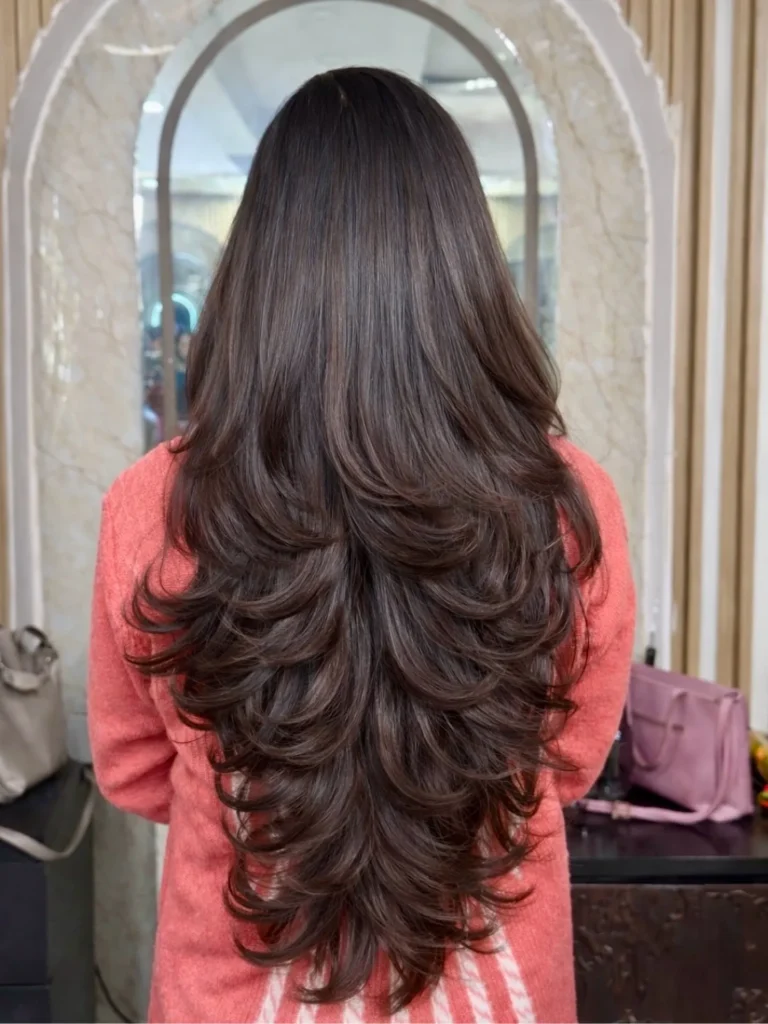
Source: girls.haircuts
Long layers stretch downward with a gradual drop, while shorter pieces stay hidden within, creating depth without sharp contrast. The transition feels continuous, allowing the haircut to hold its shape even when left untouched after washing.
Keeping density at the ends prevents the style from collapsing over time, especially with longer hair. Many cuts fail here by thinning too much, which removes the foundation needed to support that deep, flowing layered structure.
6. Soft Curtain Layered Waves
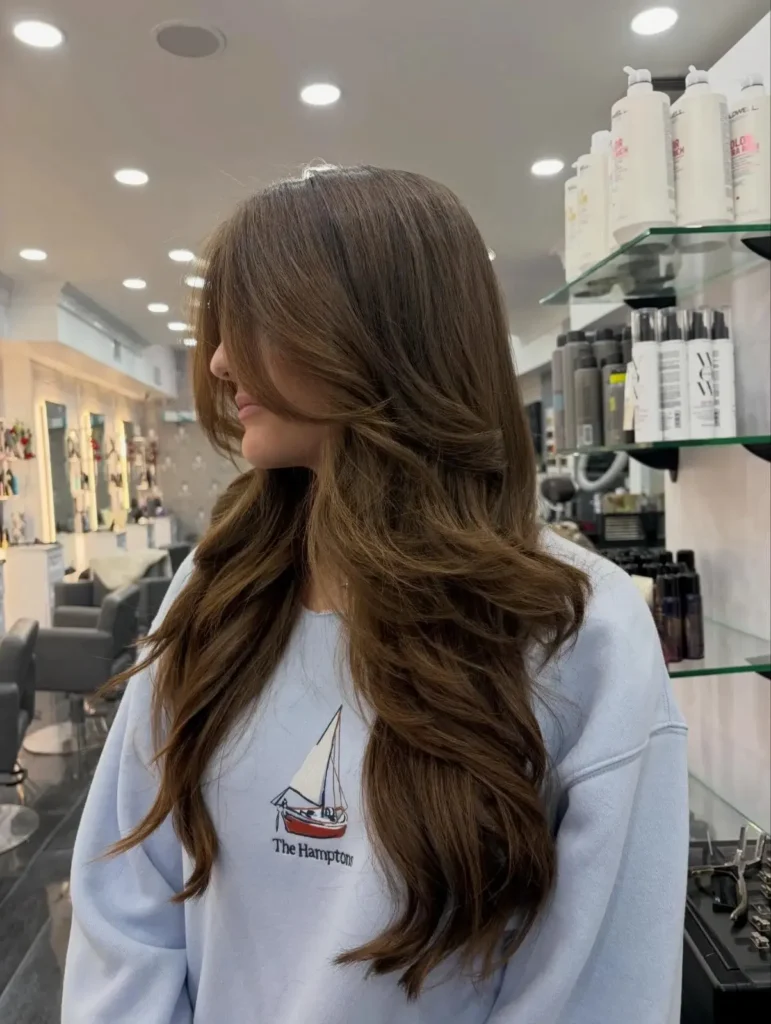
Source: nicolerosesalon
Front pieces split gently at the center, framing both sides evenly while blending into longer layers behind. This layout keeps the haircut balanced and avoids sharp breaks between the front and the rest of the hair.
The wave pattern follows the direction of the layers, not against them, which keeps everything aligned instead of messy. Using a larger barrel tool helps maintain wider bends that match the length of the layers.
Over time, the front sections begin to shift slightly, and that subtle change is often what gives this haircut a more relaxed and lived-in direction.
7. Soft Rounded Butterfly Layers
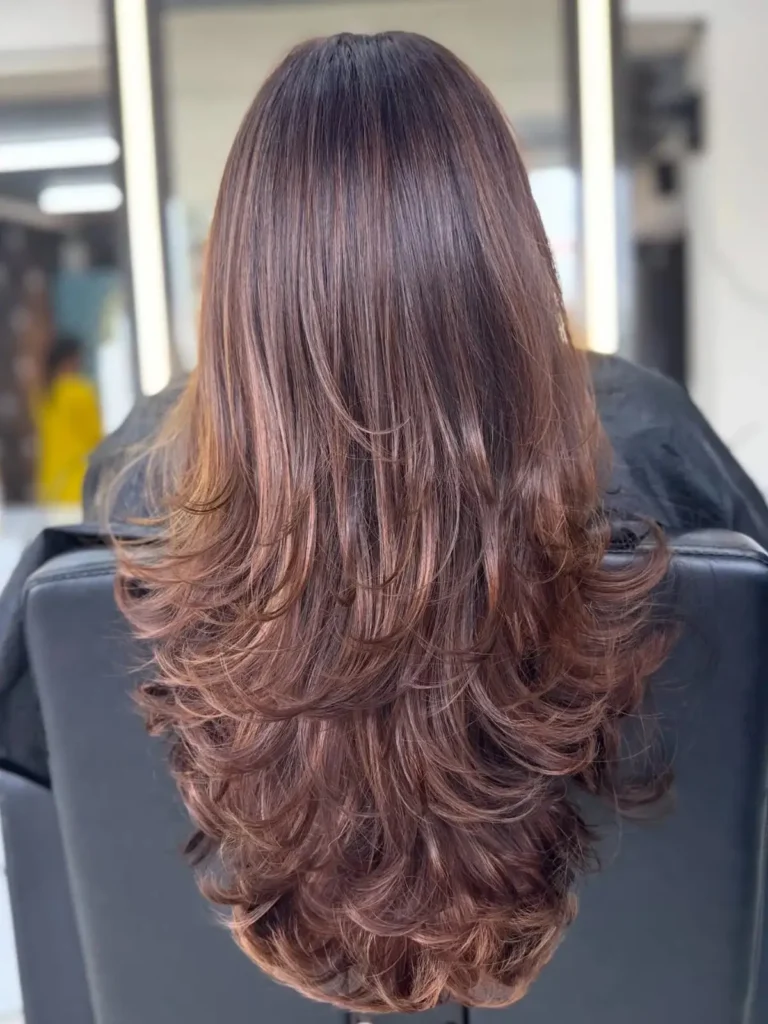
Source: sain_paul_salon
Roundness through the mid-section changes how the haircut sits, making the shape appear fuller without stacking too much weight near the ends. The curve starts earlier than expected, which keeps the transition smooth instead of dropping suddenly.
Not every layer needs to stand out sharply here, since the blend does most of the work. When sections are over-separated, the rounded effect breaks, leaving the haircut looking uneven rather than continuous.
Blow-drying inward at the mid-lengths while keeping the ends slightly flipped prevents the shape from collapsing. That contrast between directions helps maintain the rounded structure without making everything fall flat.
8. Bouncy Face Framing Layers
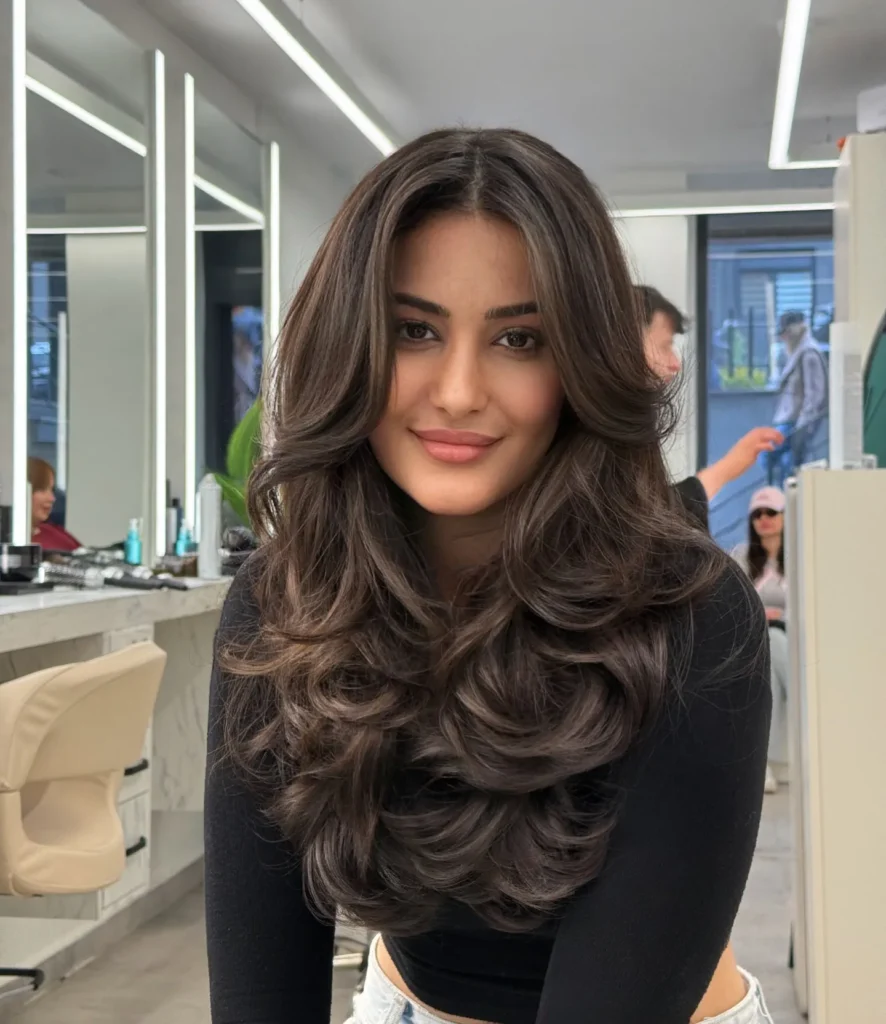
Source: miashairstudioo
One small lift near the front can change everything, especially when shorter sections begin to move away from the face instead of falling flat against it.
The placement of these layers matters more than their length, sitting just right to avoid cutting too close or dropping too low. When positioned correctly, they move freely without disconnecting from the rest of the hair.
A light wrist motion while styling can shift how these layers behave, giving them that bounce without relying on excessive heat or product. Small technique changes often make a bigger difference than expected.
Read More : 23 Bob Hairstyles That Make Styling So Easy
9. Feathered Bangs Layered Flow
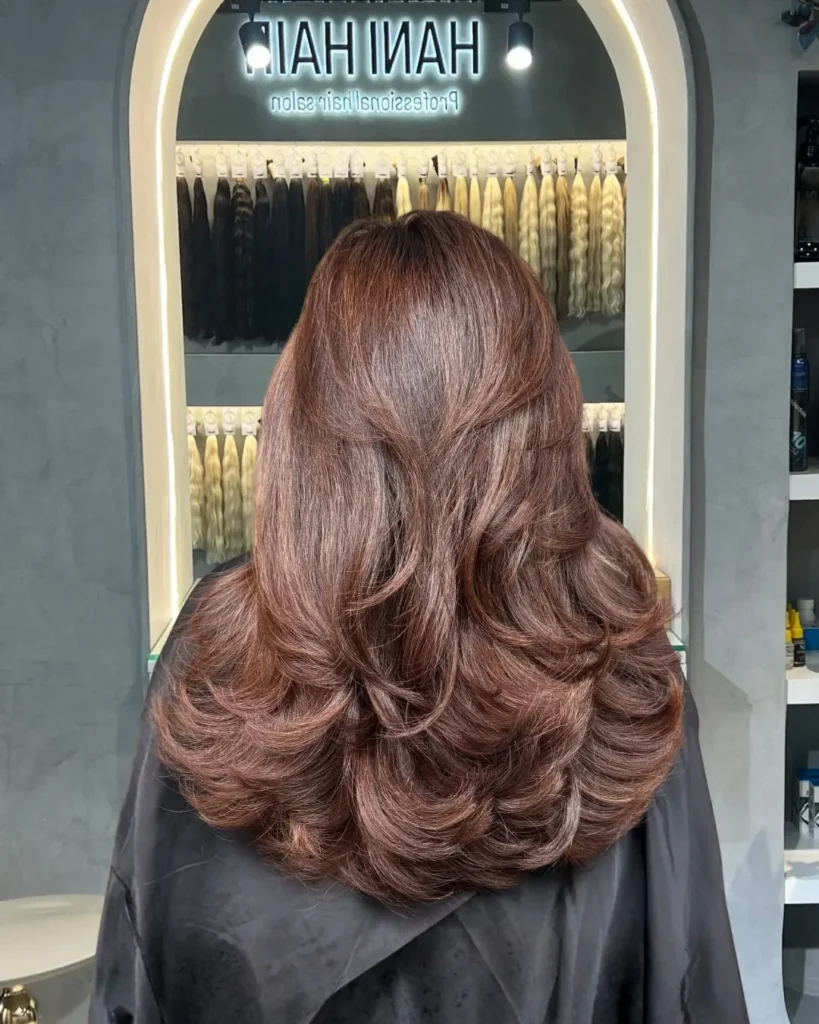
Source: hanihairr
The front carries a softer edge here, with feathered sections blending into the rest instead of sitting separately like traditional bangs. That connection keeps everything fluid, avoiding any harsh starting point at the forehead.
Layering continues through the length in a way that mirrors the front, which keeps the haircut balanced from top to bottom. If the back is cut differently, the front loses its purpose and starts to feel disconnected.
Once the front blends seamlessly into the rest, the haircut stops looking sectioned and starts reading as one continuous flow from top to bottom.
10. Full Body Butterfly Layers
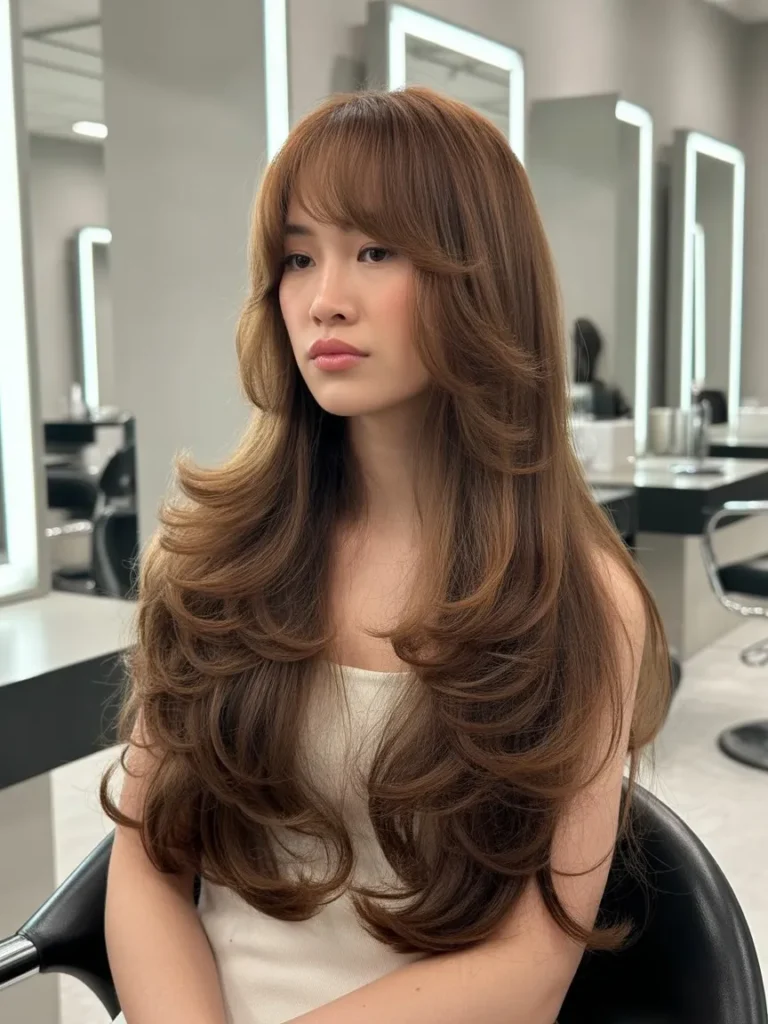
Source: cortebutterfly
Fullness isn’t limited to one section here, it spreads across the entire length, making the haircut feel balanced instead of heavy at the top or empty at the ends. Layers are spaced in a way that supports volume throughout instead of concentrating it in one section.
Some sections sit slightly forward while others fall back, giving a layered depth that feels balanced without looking heavy. That distribution helps the haircut stay lifted even after hours, without collapsing into a flat shape.
Keeping internal layers blended rather than sharply cut prevents gaps from forming between sections. Once those gaps appear, the haircut starts losing its fullness, even if the overall length remains untouched.
11. Golden Feathered Layered Waves
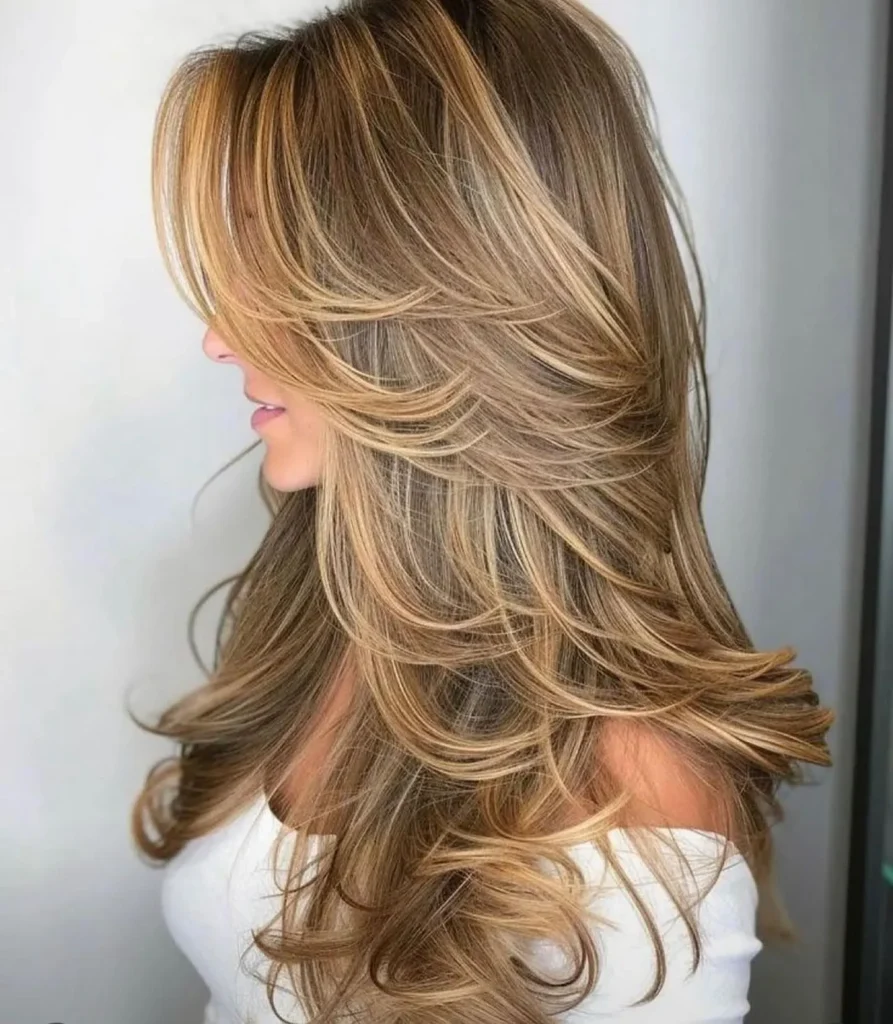
Source: rangellparrukierr
A warm tone combined with feathered layering brings out more dimension, especially when light hits different sections unevenly. The layering doesn’t sit flat, which allows each section to reflect differently depending on movement and angle.
The wave pattern stays loose and stretched, following the direction of the cut instead of forcing tight bends. That choice keeps the feathering visible rather than hiding it behind overly defined curls.
Read More : 25 Wolf Cut Hairstyles That Bring Out Your Bold Side
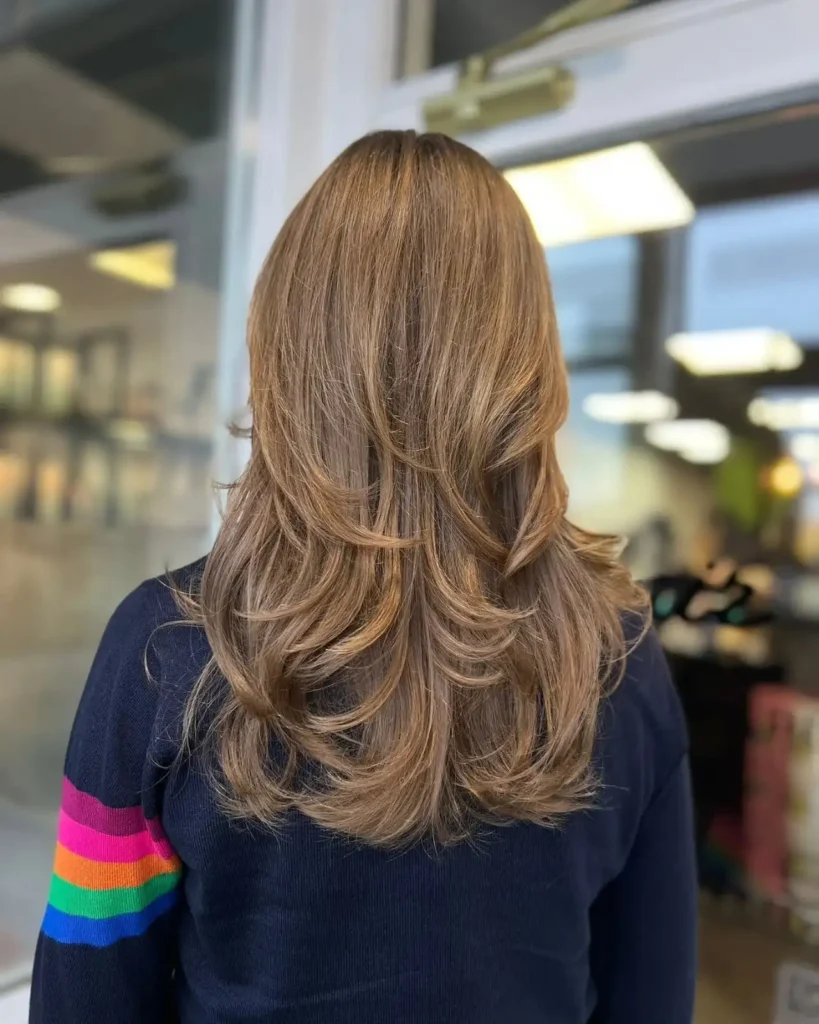
12. Lightweight Flowy Layered Cut
Source: bridgetharenhairandbeauty
Less weight through the mid-lengths changes everything, allowing the haircut to fall more freely without dragging downward. The layers are spaced out enough to avoid density buildup, which often makes long hair feel heavier than it actually is.
Instead of focusing on volume, the emphasis shifts toward how the hair falls and settles. That relaxed drop gives the haircut a different presence, especially when left untouched after drying.
When the weight is balanced correctly, the haircut settles into place on its own, without needing constant reshaping or extra styling effort.
Read More : 23 Mom Haircut Ideas That Look Fresh Every Day
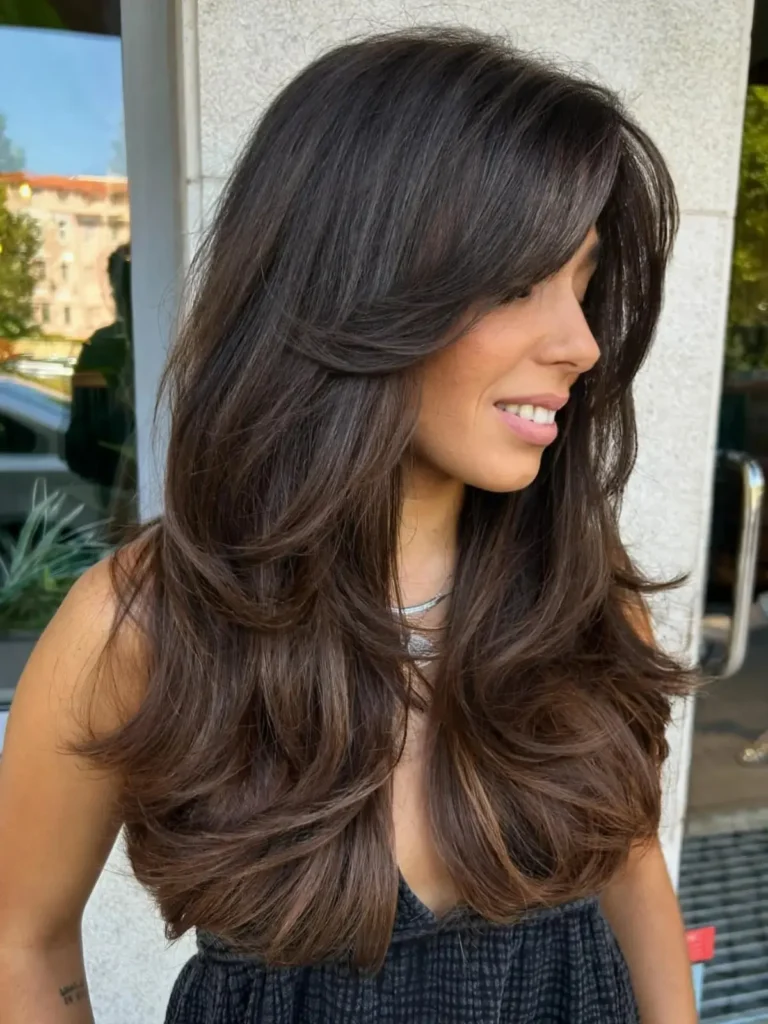
13. Soft Glam Butterfly Layers
Source: matheos_carvalho
Some haircuts lean casual, but this one carries a refined edge that shows up immediately, especially in how the layers settle into place without looking overdone. The front sections curve neatly, while the rest follows in a controlled, flowing pattern that holds shape throughout the day.
Instead of sharp separation, everything blends in a way that keeps the haircut cohesive from top to bottom. That balance prevents the style from looking overworked, especially when paired with a smooth blowout that enhances the layered structure.
Using a medium round brush helps maintain that lifted shape without flattening the layers too much. Over-directing sections slightly upward during drying keeps the volume intact, allowing the haircut to hold its form longer without constant restyling.
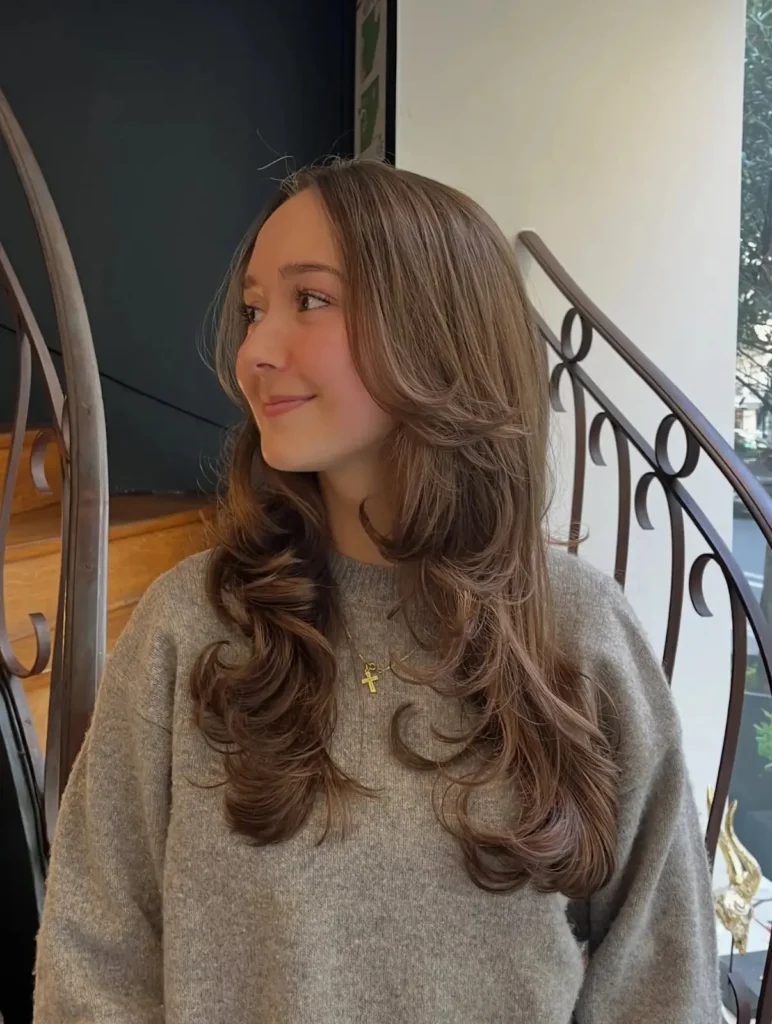
14. Natural Flowing Layered Volume
Source: ocn.rkut
Volume builds gradually here, starting near the crown and extending through the length without creating bulk in one specific area. The layering feels evenly distributed, allowing the haircut to expand outward instead of dropping straight down.
Nothing feels forced, as the layers fall into place without needing too much styling to hold their shape. That ease comes from balanced cutting, where each section supports the next instead of competing for attention.
Maintaining this shape depends on not over-thinning the mid-lengths, since that’s where most of the structure sits. Once too much weight is removed, the haircut loses its balance and starts collapsing faster than expected.
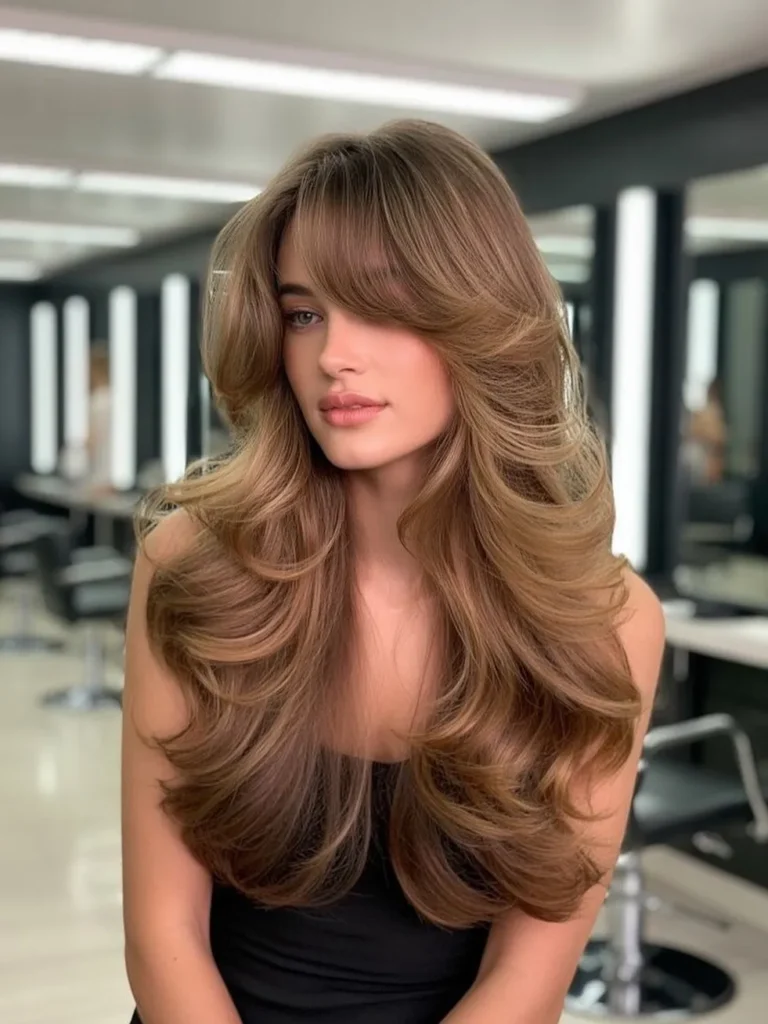
15. Full Body Butterfly Blowout
Source: velatozdamar
Everything about this haircut builds toward a fuller finish, where layers lift from the roots and carry through the length with consistent body. The blowout enhances each section, giving a rounded expansion that feels intentional rather than heavy.
Sections are directed outward during drying, which helps separate layers without making them look disconnected. That direction keeps the haircut open and prevents strands from collapsing inward toward the face or neck.
As the shape holds through the day, the layers keep their lift longer, which is what makes this blowout stand out even hours after styling.
16. Sleek Soft Layered Flow
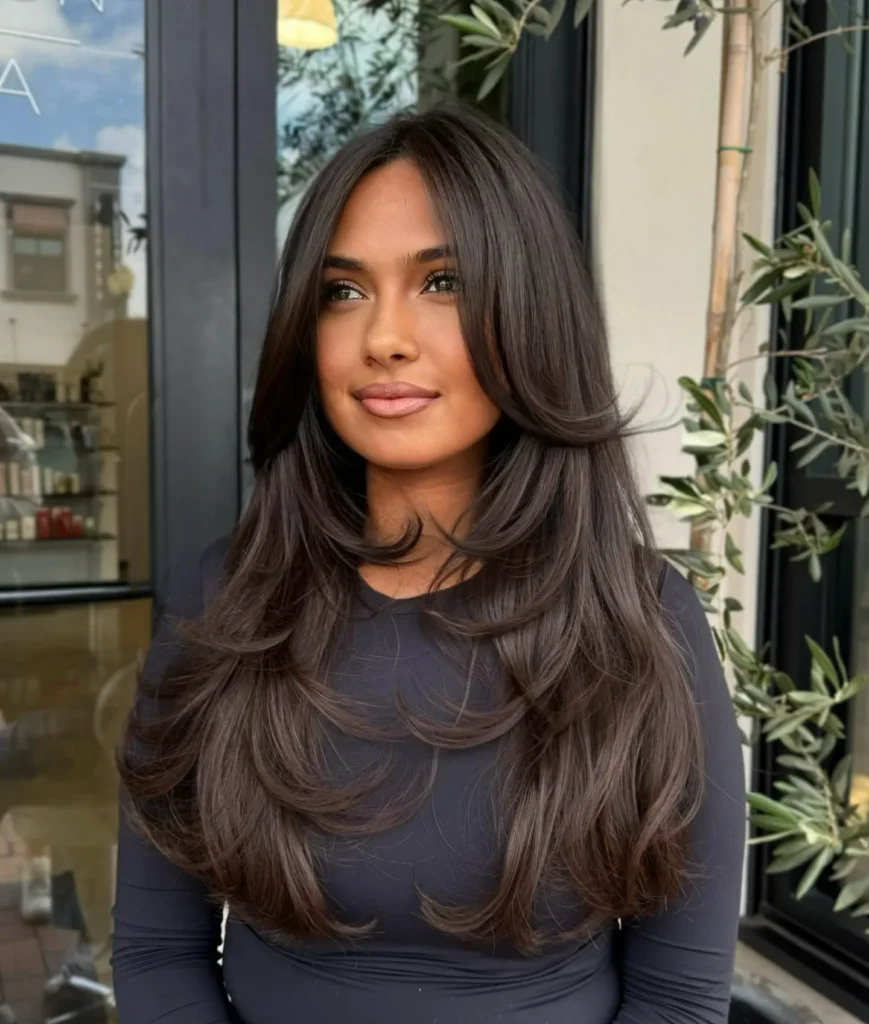
Source: hairbyyangie
Everything sits in a controlled direction here, where layers follow a smooth path instead of bouncing outward. The finish appears refined, with each section falling neatly into place, giving long hair a cleaner shape without removing depth from the cut.
Shine becomes more noticeable with this structure, since straighter sections reflect light evenly across the surface. That consistency highlights the layering in a subtle way, allowing the haircut to stand out without relying on heavy styling.
Using a flat brush while drying helps guide the layers into alignment without flattening them completely. Keeping slight bend at the ends prevents the haircut from looking too stiff while maintaining that sleek, flowing direction.
17. Voluminous Feathered Layered Cut
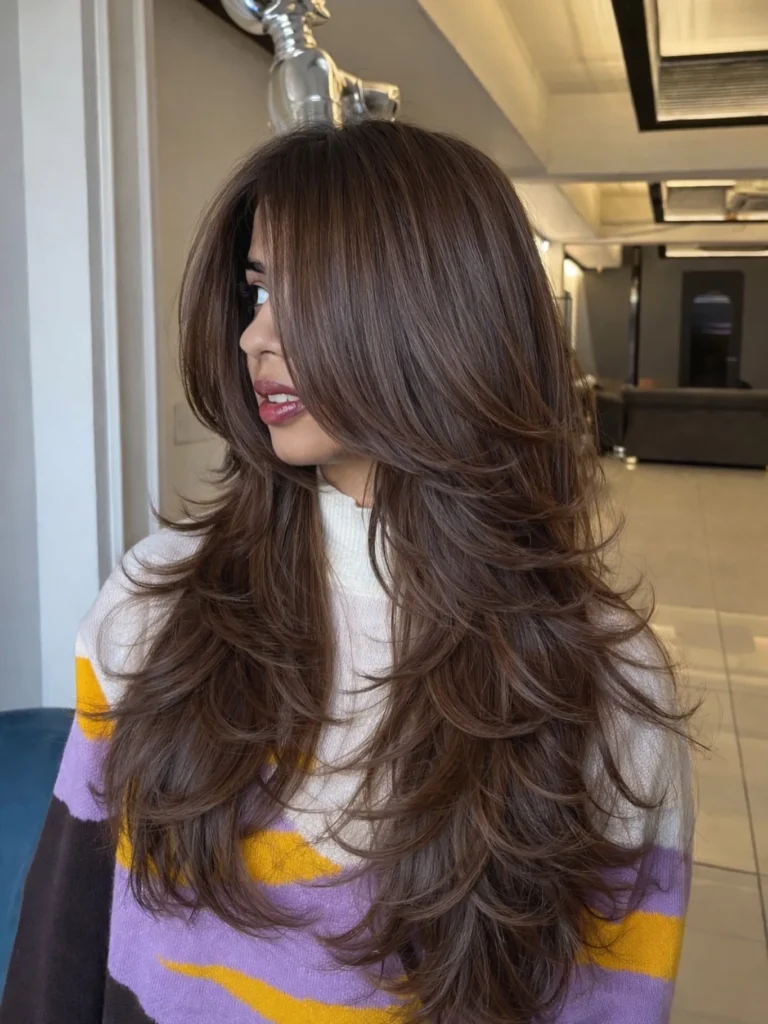
Source: faizanxasif
The lift doesn’t wait, it builds instantly through the upper layers, changing how the haircut expands and giving it a wider presence without relying on thickness alone. Instead of one solid shape, the haircut spreads outward, giving a fuller appearance that doesn’t rely on thickness alone.
Each layer separates just enough to stay visible, but not enough to look disconnected from the rest. That balance allows the haircut to hold volume without becoming messy or overly spaced out through the mid-lengths.
A larger round brush works better than smaller tools here, since tighter shaping would disrupt the feathered effect. Keeping sections wider during styling helps maintain that expanded structure while preserving the integrity of the layers.
18. Soft Feathered Butterfly Blowout
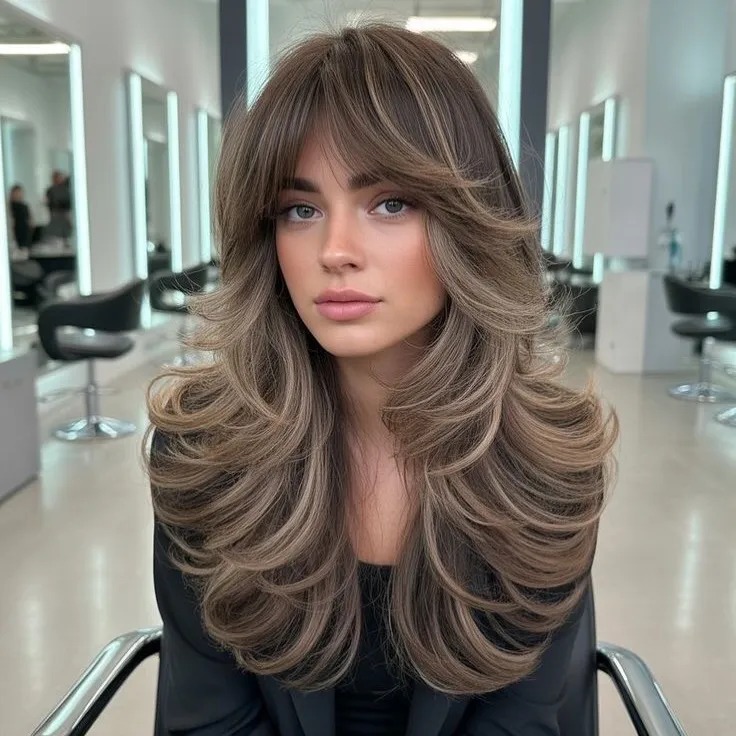
Source: barishairstyle
Lift begins near the roots and carries through each layer, forming a full-bodied shape that spreads outward evenly. The butterfly structure becomes more noticeable with this blowout, as shorter layers rise while longer ones support from underneath.
The feathering softens transitions between lengths, preventing harsh lines from forming as the layers stack. That blending keeps the haircut cohesive, especially when viewed from different angles throughout the day.
Directing airflow upward while brushing helps lock in that lifted structure without overworking the hair. Once cooled, the layers settle into place, maintaining shape longer without needing repeated touch-ups.
19. Dimensional Layered Volume Flow
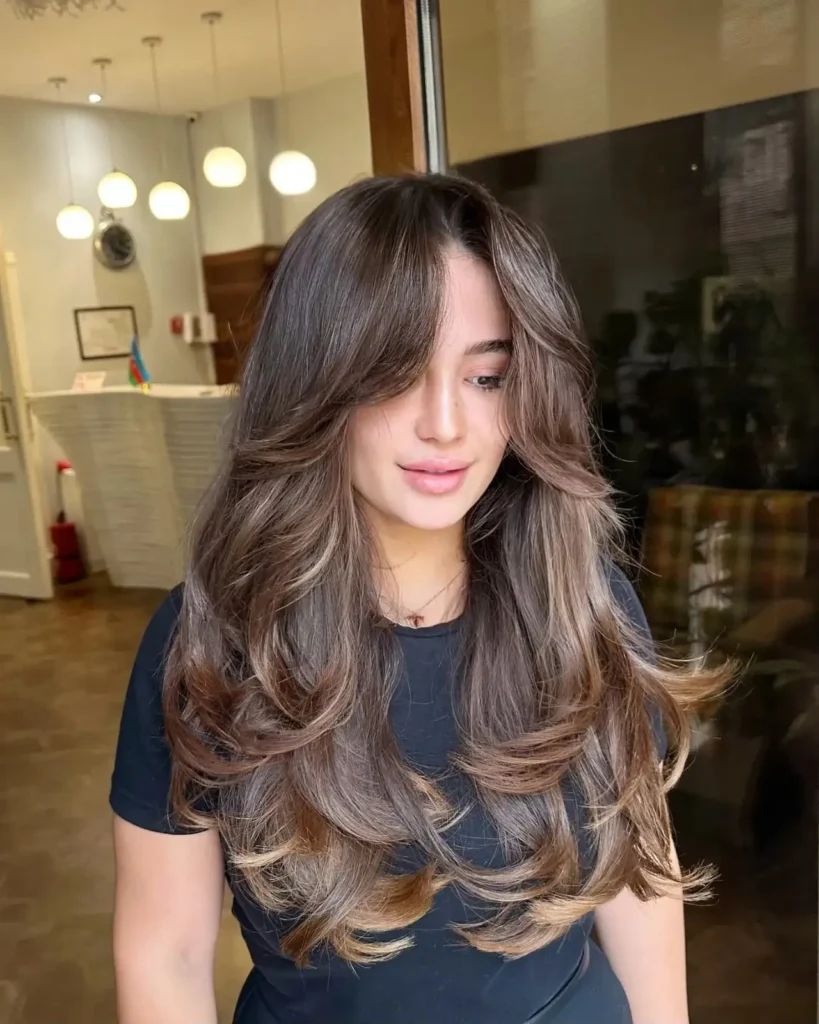
Source: nara_hairstylist_
Depth shows up through contrast here, where some sections sit closer while others fall slightly behind, building a layered arrangement that doesn’t feel flat. The haircut gains character from that spacing, allowing each layer to hold its own place.
Light interacts differently across the length, especially when layers are cut to shift direction subtly. That variation keeps the haircut visually interesting, even when styling is minimal or slightly undone after a long day.
Keeping transitions smooth between layers prevents harsh lines from breaking the flow. Once those lines appear, the dimension starts to look forced rather than naturally spaced, which takes away from the overall structure.
20. Ultra Full Butterfly Layers
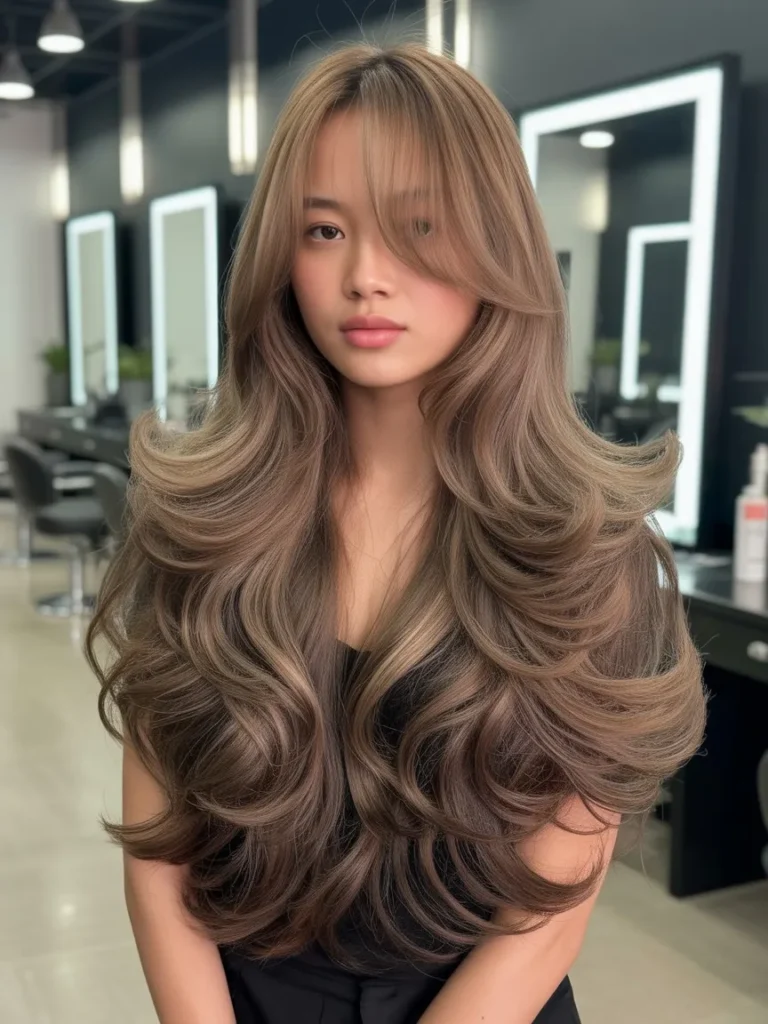
Source: cortebutterfly
The volume hits instantly from the crown, spreading outward in a way that makes the entire haircut appear fuller before you even notice the layering underneath.
The butterfly structure becomes more visible as each section spreads outward, supported by longer lengths that anchor the haircut below.
The expansion stays controlled rather than bulky, which helps the haircut maintain balance from top to bottom. When done correctly, the layers don’t compete with each other but instead build a consistent, rounded volume throughout.
Avoid removing too much weight from the lower sections, since that weakens the base needed for upper layers to stand out. Keeping that foundation intact ensures the haircut holds its fullness even as styling starts to fade.
21. Classic Bouncy Layered Shape
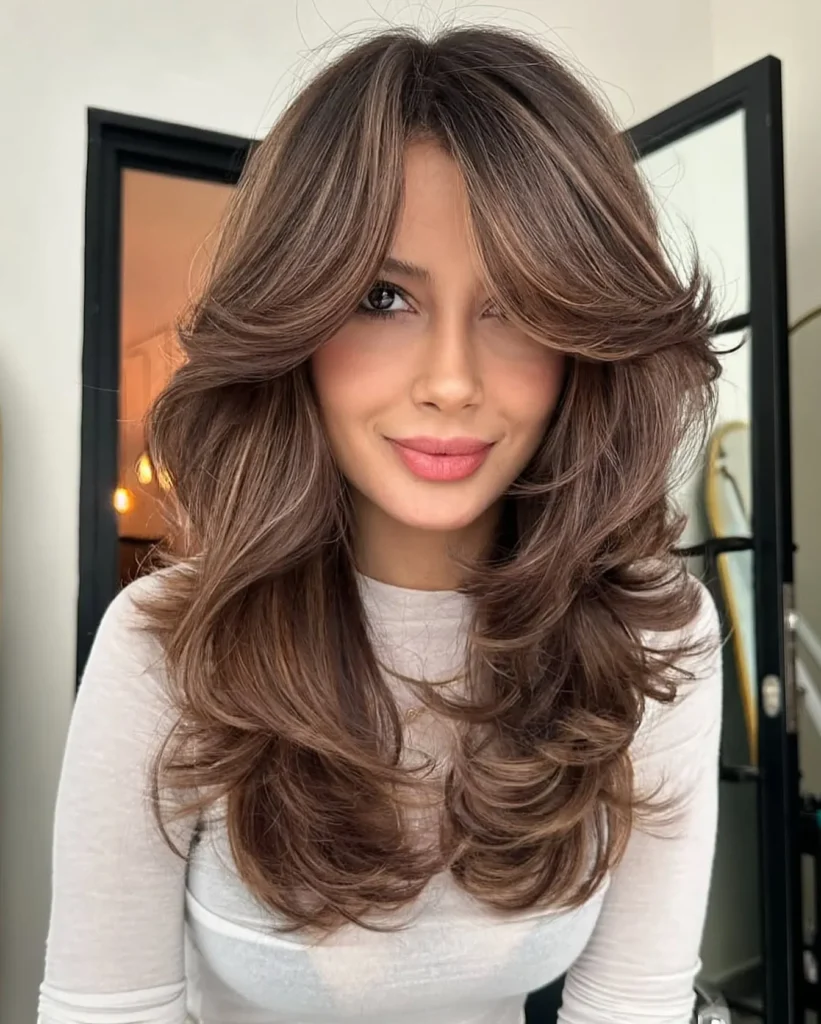
Source: kotaiba_ekhari
There’s a familiar rhythm in how these layers sit, rising and falling in a way that gives steady bounce without needing dramatic styling. The haircut leans on placement rather than complexity, which keeps it reliable and easy to manage.
Each section lifts slightly before settling, creating a consistent pattern that runs through the entire length. That repetition gives the haircut structure while still allowing it to move freely without feeling stiff or overworked.
Using moderate heat instead of high settings helps maintain that bounce longer. Overheating tends to flatten the lift, while controlled styling preserves the shape without damaging the layered arrangement.
22. Wispy Face Framing Layers
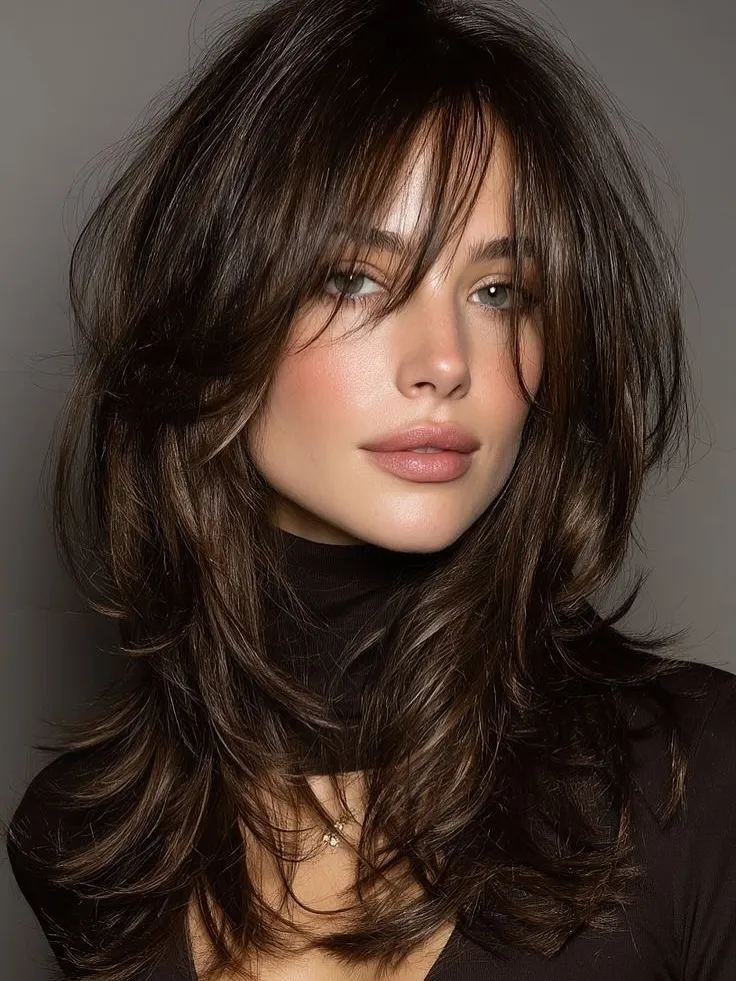
Source: peluqueria_encarna_moreno_
Lighter front sections fall gently around the face, breaking the heaviness that long hair can sometimes carry near the front. The strands don’t sit in one place, which keeps the framing from feeling stiff or overly structured.
The layering stays subtle, allowing the shorter pieces to blend without creating a sharp contrast against the length. That approach keeps everything connected, especially when the rest of the hair is left more untouched.
Trimming these front sections more frequently helps maintain their placement, since they tend to grow out faster than the rest. Once they lose shape, the framing effect fades and the haircut starts to feel less intentional.
23. Polished Soft Layered Ends
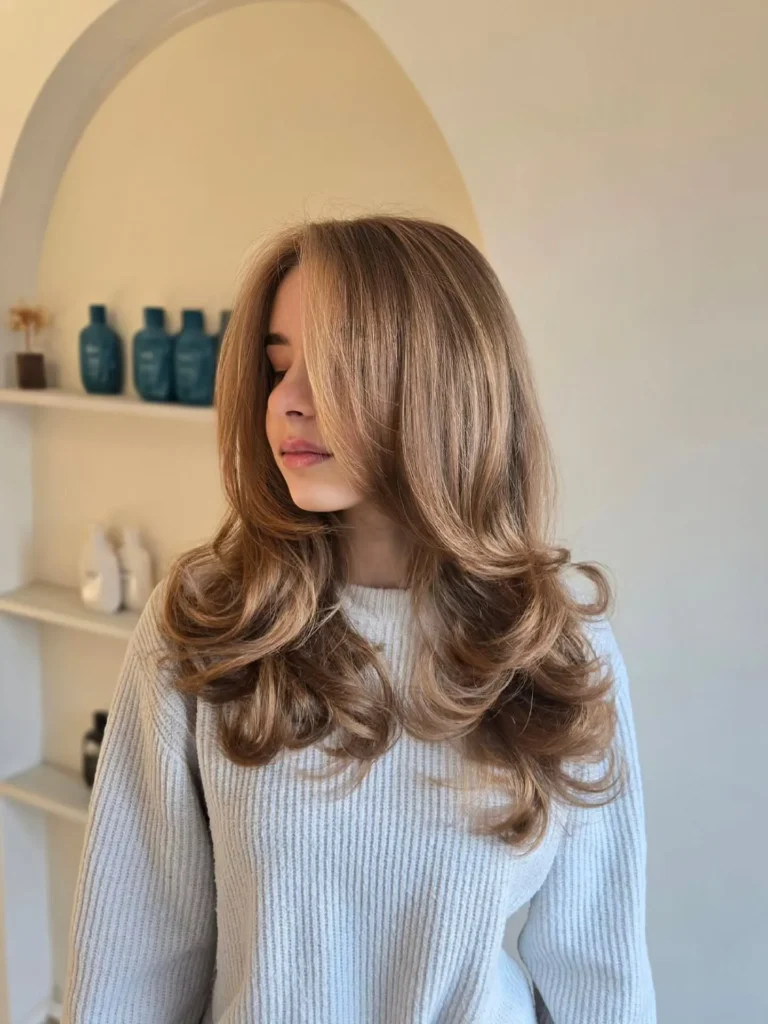
Source: cigdem.coiffure
Attention shifts toward the ends here, where the layering is focused on refining the bottom rather than building volume at the top. The finish appears controlled, with each section sitting neatly instead of spreading outward too much.
The edges stay clean without looking blunt, which gives the haircut a more refined appearance overall. That balance allows the length to remain the focus while still showing subtle layering through the lower sections.
Using a light finishing pass with a brush or tool helps maintain that smooth edge without flattening everything. Too much pressure at the ends can remove the shape, making the haircut lose its carefully placed structure.
How to Choose the Right Butterfly Cut
Not every version works the same, even if photos look similar. Small differences in layer placement can completely change how the haircut sits around your face and through the length.
Focus on these before choosing:
- Round face → keep front layers slightly longer
- Long face → shorter front pieces add balance
- Thick hair → can handle deeper layering
- Fine hair → needs lighter, blended layers
Placement matters more than length. One small shift can change the entire outcome.
Mistakes That Ruin the Shape
A few wrong choices can break the structure quickly, even if the haircut starts out strong. Most issues come from removing weight in the wrong areas or spacing layers incorrectly.
Avoid these common mistakes:
- Over-thinning the ends → weak base, no support
- Large gaps between layers → disconnected shape
- Cutting too short near the front → harsh transition
- Ignoring trims → uneven growth over time
Once the base is compromised, the haircut loses its balance fast.
Styling That Actually Works
The cut alone doesn’t do everything. How you style it decides whether layers show properly or disappear into the length.
What actually makes a difference:
- Blow-dry away from the face → opens the shape
- Use larger brushes or barrels → keeps wider curves
- Avoid tight curls → they hide the layering
- Let hair cool before touching → holds shape longer
Direction matters more than products here.
How to Maintain the Layers
Layered cuts don’t need constant cutting, but they do need smart maintenance to keep the structure visible.
Keep it looking fresh:
- Trim every 8–10 weeks
- Refresh front layers more often
- Avoid heavy products → they weigh layers down
- Don’t re-cut the full length every time
Small maintenance keeps the haircut from losing its shape.
Quick Guide Before You Decide
Hair Type | What Works Best | What to Avoid |
|---|---|---|
Thick Hair | Deeper layering | Over-thinning ends |
Fine Hair | Light blended layers | Heavy top layers |
Wavy Hair | Longer layers | Short uneven sections |
Straight Hair | Face framing layers | Flat one-length cuts |
FAQs
1. Is butterfly haircut good for long hair?
Yes, it keeps length while adding layers that make hair appear fuller and more shaped.
2. Does butterfly haircut reduce thickness?
It can reduce bulk if layered deeply, but lighter layering keeps thickness intact.
3. Is butterfly haircut hard to maintain?
No, it holds its shape well, but trims every few weeks help keep layers fresh.
4. Does butterfly haircut work on thin hair?
Yes, but layering should be kept light to avoid making the ends look too sparse.
5. Can I style butterfly haircut without heat?
Yes, the layers still show, but styling enhances the overall shape more clearly.
6. What face shape suits butterfly haircut best?
It works for most face shapes, with slight adjustments in front layer length.
Conclusion
The right haircut can shift everything from how your hair falls to how confident you feel wearing it. These butterfly haircuts ideas for long hair aren’t just about trends, they’re about finding a shape that actually works for your hair and your daily routine.
I’ve seen how even a small change in layering can make long hair feel lighter, more balanced, and easier to style. Once you find the version that suits you, the difference becomes obvious.
Save your favorite styles on Pinterest, try one that stands out to you, and share this with someone who’s been struggling with long hair that just won’t sit right.