25 Amusement Park Hairstyles That Survive Rides
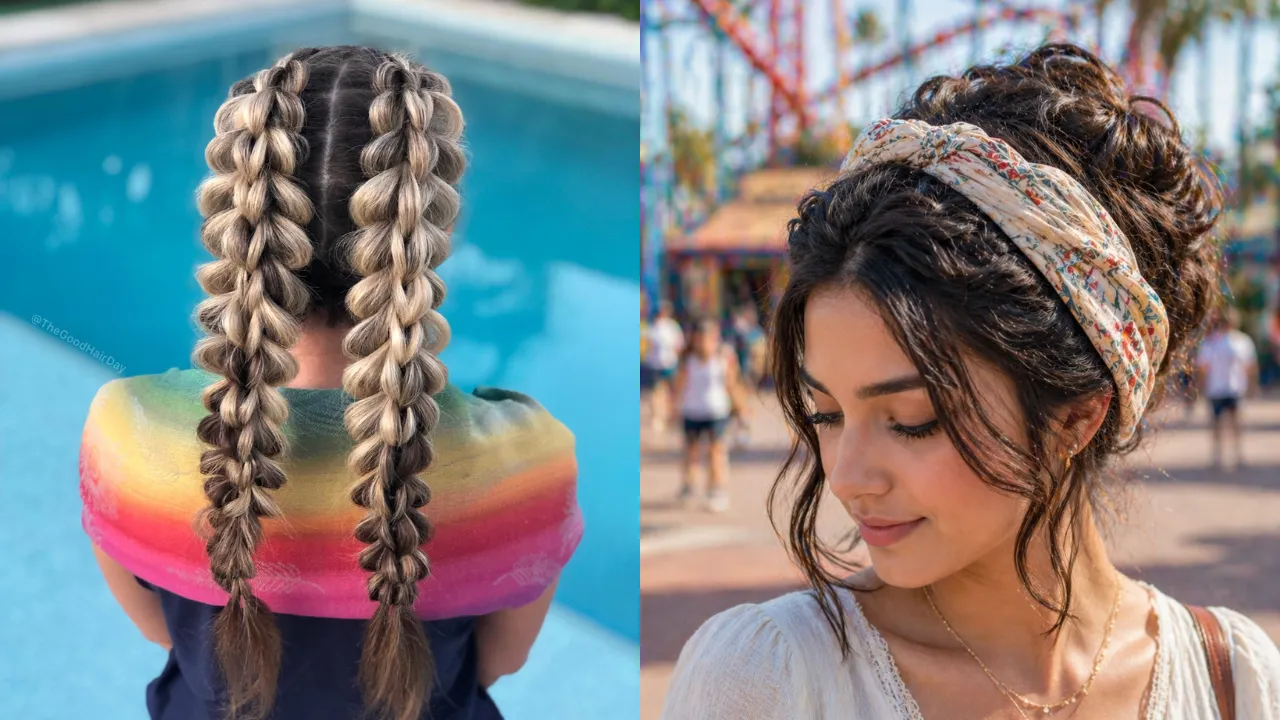
25 Amusement Park Hairstyles that actually last can change your entire day. No more worrying about hair falling apart after one ride or spending time fixing it instead of enjoying the moment. The right style keeps everything in place so you can focus on fun.
This guide shares styles designed for heat, activity, and long hours outdoors. Many hairstyles may look good at first but fail quickly once the day gets busy, which is why choosing the right one makes such a big difference.
You will find options that keep the front neat, reduce tangling, and stay comfortable while walking or sitting. These styles are made to handle real conditions, not just look good for a short time.
Before You Choose Your Style
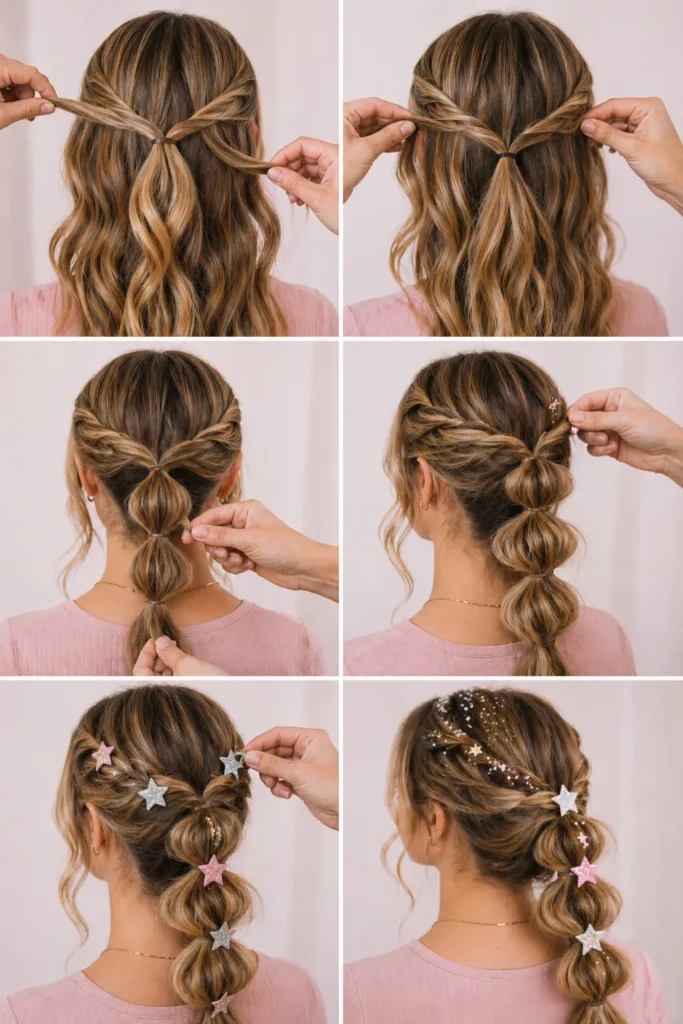
Not every hairstyle holds up the same once the day gets busy. Heat, rides, and long hours can quickly change how your hair behaves, so picking a style that stays in place makes a noticeable difference from the start.
Hair length and thickness should guide your choice. Longer hair works better with secured styles like braids or sections, while shorter hair benefits from styles that focus on the front or keep strands gathered neatly.
Comfort also matters more than expected. Styles placed too high or too tight can become uncomfortable after some time, especially when sitting or moving around, so balanced placement helps you enjoy the day without distraction.
1. Boho Bubble Braided Pigtails
Source: thegoodhairday
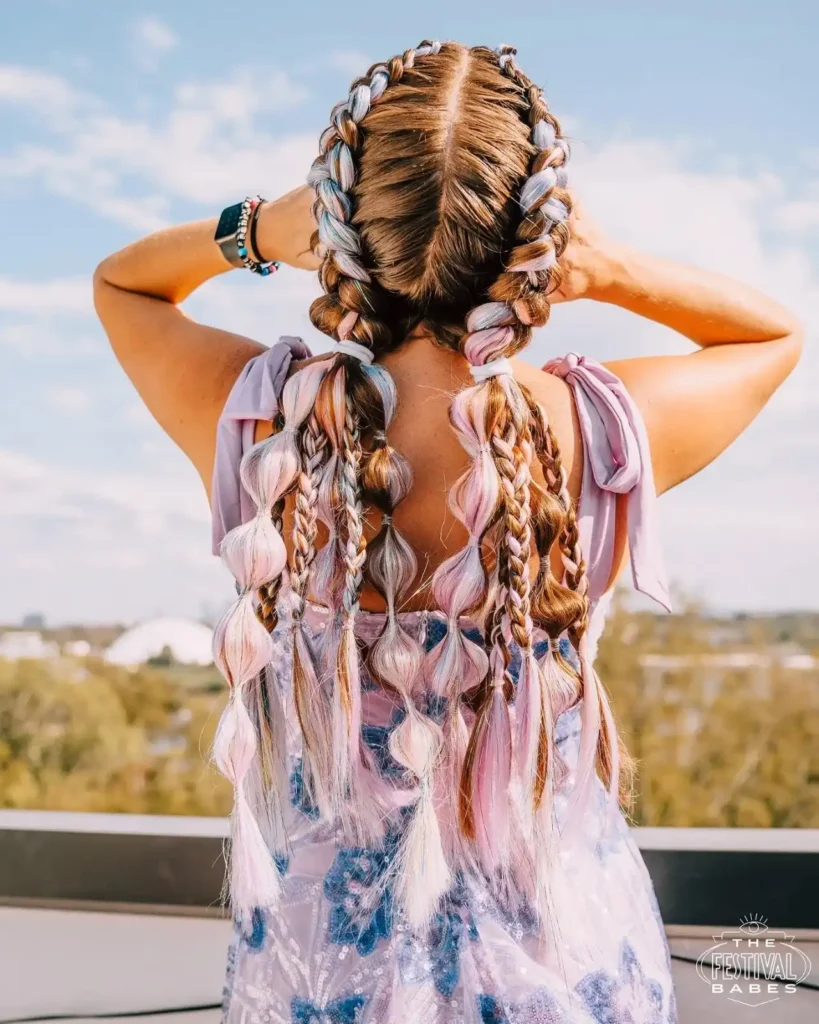
Combining bubble sections with braids brings a layered pattern that stands out from regular pigtails. Each side alternates between secured segments and braided sections, forming a repeated structure that runs evenly from top to bottom with clear spacing between each part.
Segmented sections help prevent strands from bunching together, making the style easier to maintain during outdoor activity. Each part stays in place separately, which reduces the need for fixing even after long hours of walking and movement.
Keeping the elastics evenly spaced helps maintain a consistent pattern across both sides. Slightly adjusting each section after securing improves the shape, while matching both pigtails in length ensures the style remains balanced and visually even.
2. Double Fishtail Half Up
Source: thegoodhairday
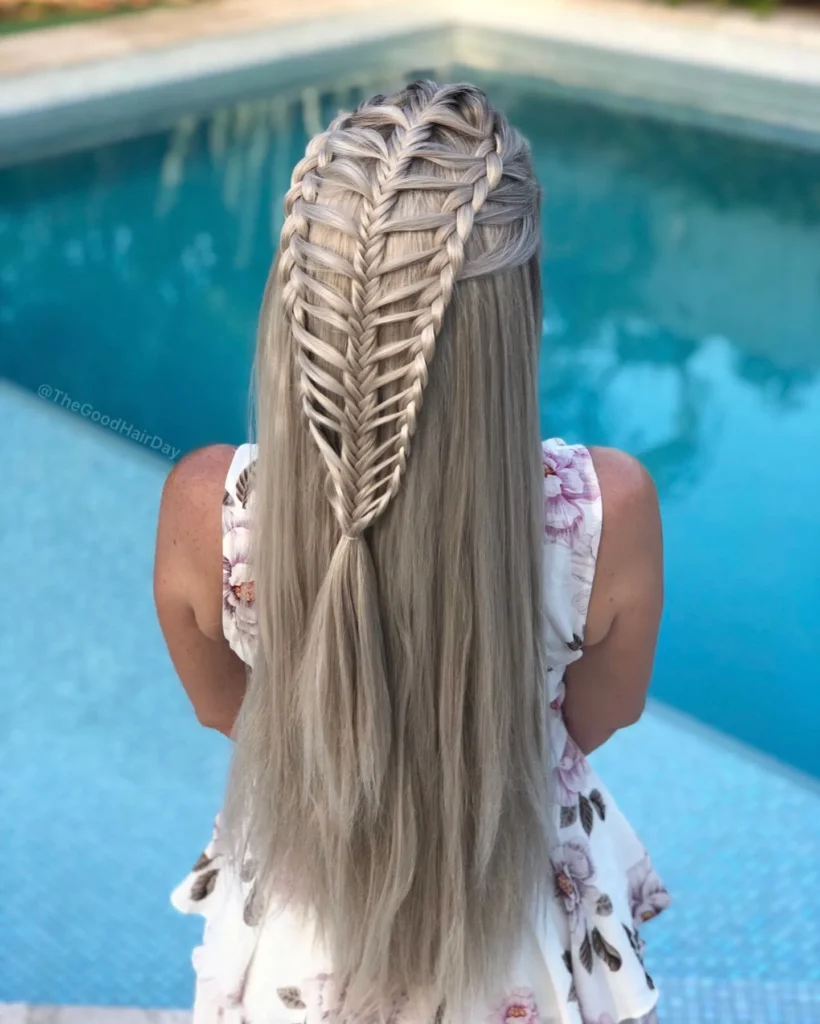
Two fishtail braids joined at the back form a layered half-up design that adds detail without covering the full length. The woven sections sit at the top, while the remaining hair stays down, creating a balanced arrangement.
Keeping the upper section secured helps prevent strands from falling forward during activity. The lower portion remains free, allowing easier movement while maintaining a clean and arranged appearance during long hours outdoors.
Working with smaller sections improves the consistency of the fishtail pattern. Securing both braids tightly at the back keeps them from separating, while matching their size ensures the overall design remains even and visually aligned.
3. Twisted Rope Pigtails
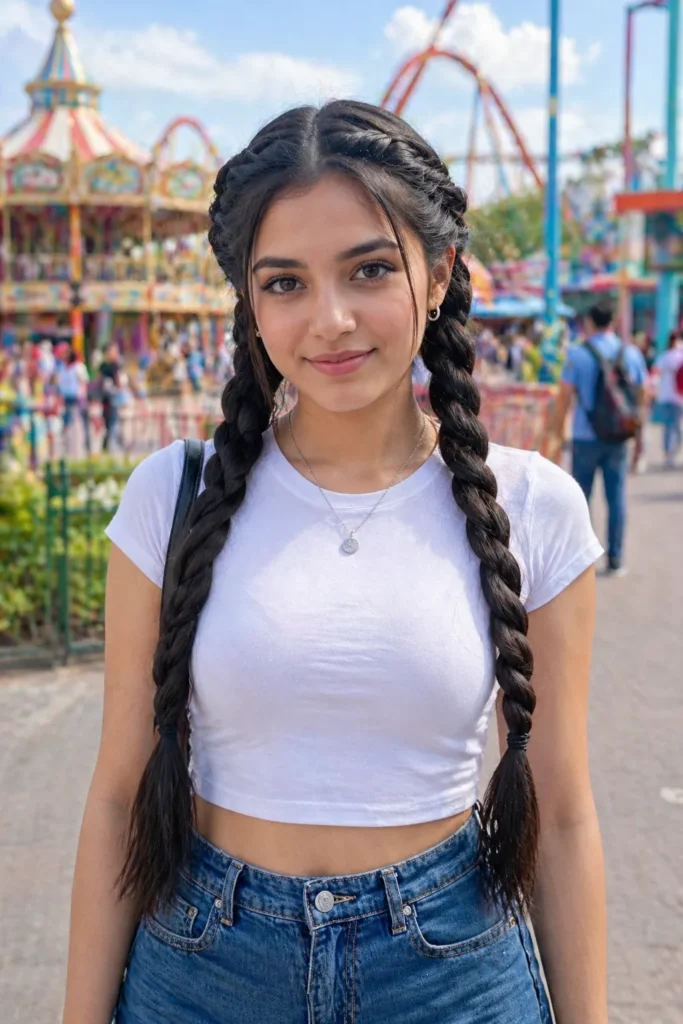
Braids get predictable after a while, and that is where rope twists change the direction completely. Two sections wrapped together form a spiral that looks tighter and more refined compared to standard three-strand patterns.
Instead of spreading outward, the twist keeps hair compact, which avoids bunching near the ends. This makes it easier to manage length without dealing with knots forming from friction or constant contact with clothing.
Start with slightly damp hair for better grip while twisting. Keeping both sides equal from the beginning prevents uneven thickness, and securing the ends firmly helps the spiral stay intact without loosening halfway through the day.
4. Wrapped Bandana Updo
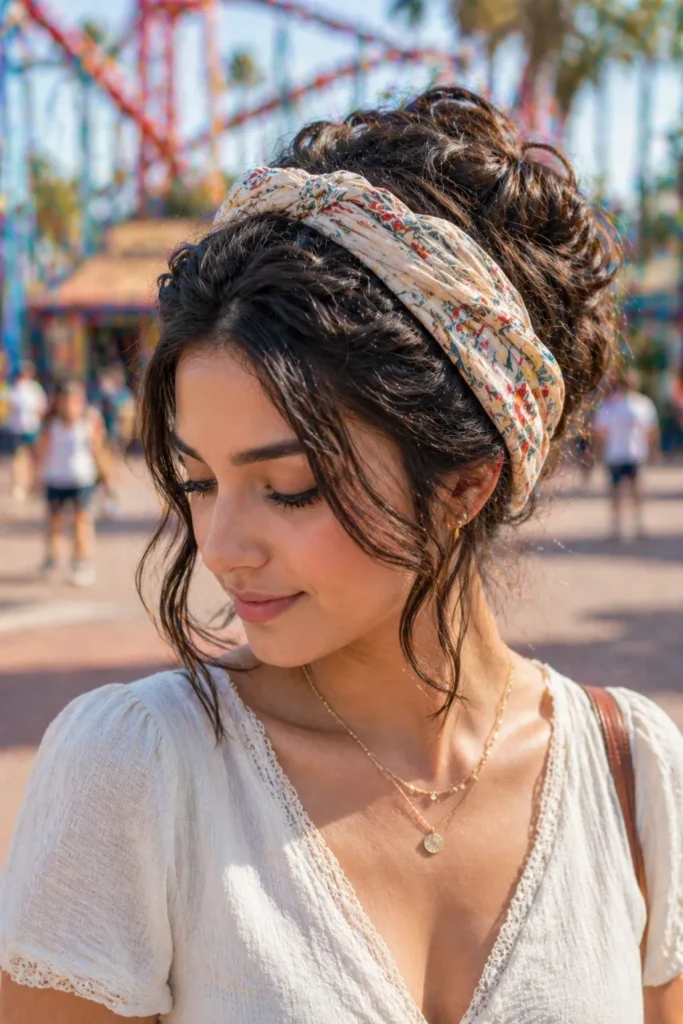
Some days demand less effort but better results, and adding a bandana into an updo does exactly that. The fabric blends into the hair while holding everything together, giving both support and a visual upgrade without complicated styling.
Heat often affects the hairline first, but the wrap helps absorb moisture and keeps that area cleaner for longer. It also reduces the need to constantly smooth edges, since the fabric acts as a barrier.
Placement changes the outcome. Wrapping closer to the hairline gives better coverage, while tucking the ends under the fabric keeps everything secure and prevents loose pieces from slipping out during the day.
5. Zigzag Part Braids
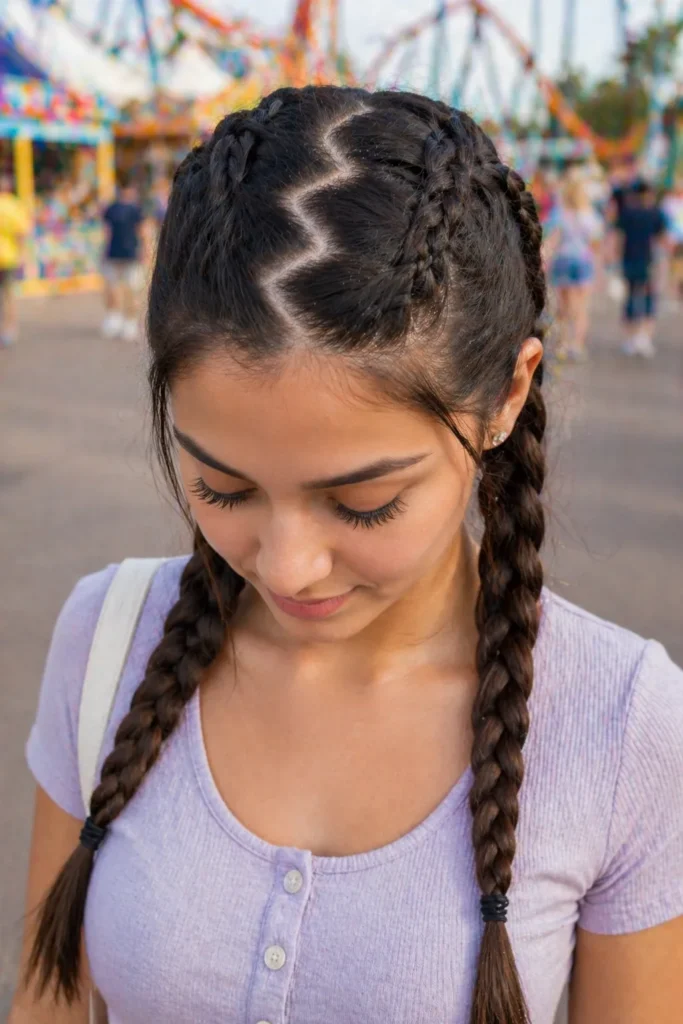
Straight parts can feel basic, but a zigzag instantly adds character before braiding even begins. The pattern creates a bold base that stands out clearly, especially when viewed from above or in bright lighting conditions.
Each angle guides the braid placement, which helps keep sections separated instead of blending together. This prevents the style from losing definition and keeps the pattern visible even after hours of activity.
Work slowly while forming each angle to avoid uneven lines. A steady hand makes a big difference here, and keeping both sides consistent ensures the design does not look tilted or mismatched.
Read More : 25 Homecoming Hairstyles That Match Every Dress
6. Braided Side Ponytail Fusion
Source: thegoodhairday
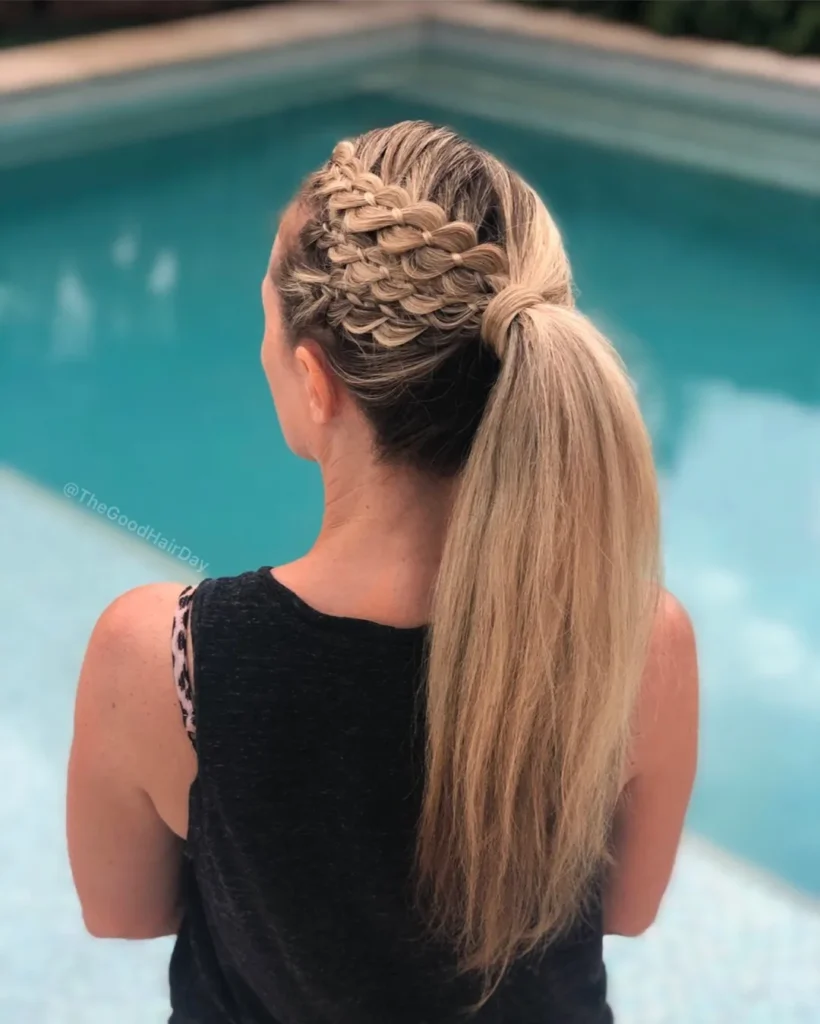
Bringing everything to one side changes how the style sits and how it is noticed. A braid leading into a ponytail creates a continuous path rather than separating the hairstyle into unrelated sections.
Side placement avoids pressure at the back, which makes it easier to sit comfortably without adjusting your hair repeatedly. It also keeps the focus visible, since the braid stays within sight instead of hidden behind.
Tightening the base before merging into the ponytail improves how long the style lasts. Wrapping a strand around the elastic keeps the finish clean and removes the need for visible bands.
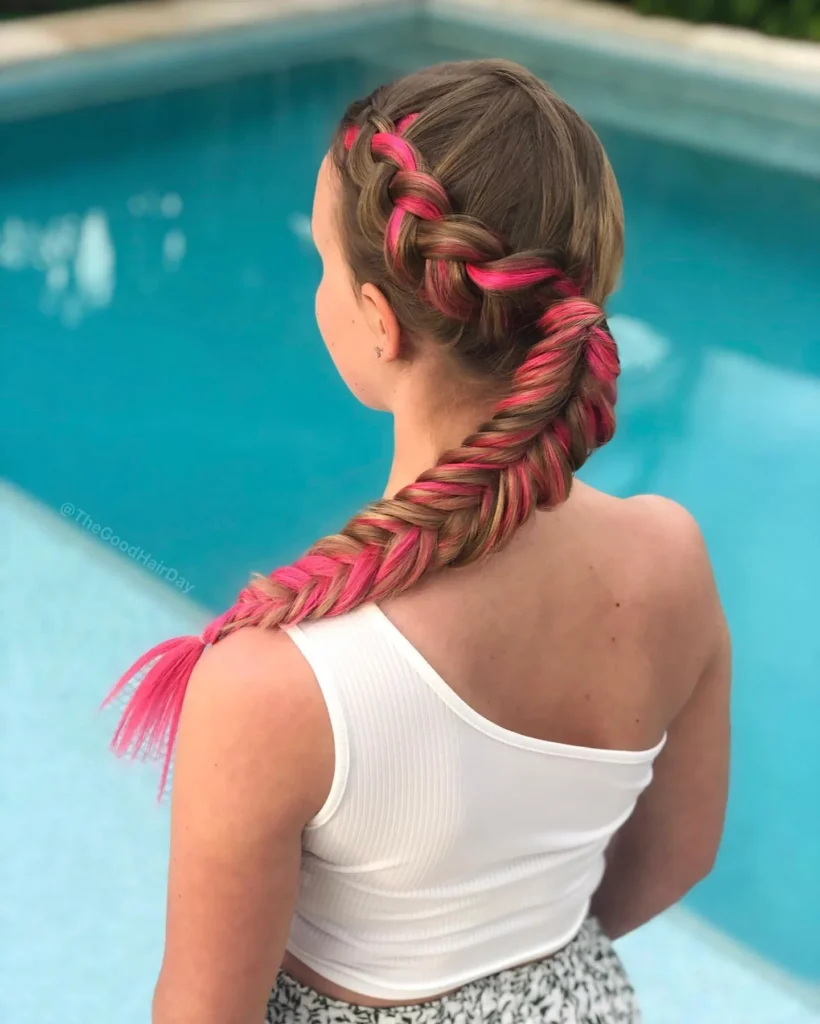
7. Ribbon Fishtail Side Braid
Source: thegoodhairday
A thin ribbon changes the entire braid once it is woven through each section. Instead of blending in, it runs visibly along the length, giving contrast that makes the fishtail pattern easier to notice, especially in bright outdoor settings where details stand out more clearly.
Placing the braid over one shoulder keeps it within view, which makes it easier to adjust if needed. The added ribbon also helps hold sections together, reducing the chances of the braid loosening or separating during long hours outside.
Choose a ribbon that is slightly firm so it does not slip while weaving through sections. Securing it tightly at the top prevents shifting, and keeping the strands small ensures the fishtail pattern stays consistent from beginning to end.
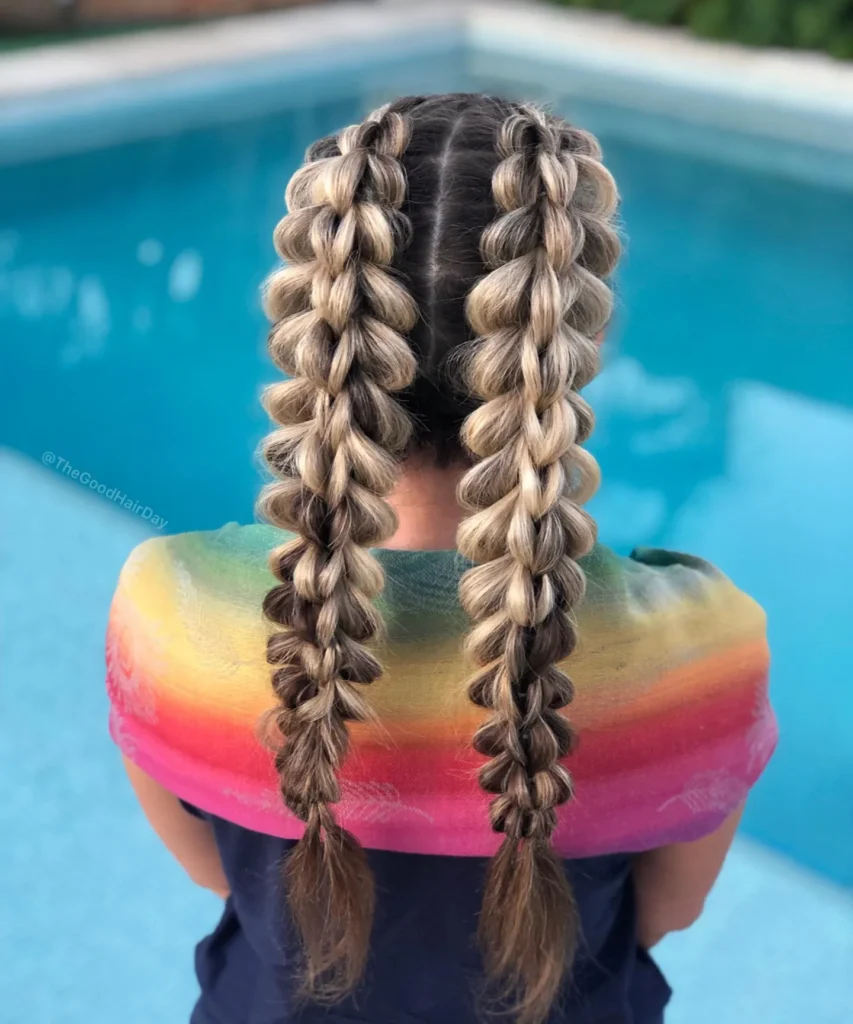
8. Chunky Double Dutch Braids
Source: thegoodhairday
Thicker braids make a stronger impression compared to smaller ones, especially when the sections are bold and clearly visible from the front. Dutch braids sit raised from the scalp, which helps the pattern stand out without needing extra styling elements or accessories.
Larger sections help keep everything gathered instead of spreading outward, which reduces the chance of ends tangling together. This makes the style easier to manage, especially when spending hours outdoors where hair usually becomes harder to handle.
Even tension makes the difference between a clean braid and an uneven one. Keeping both sides equal from the start avoids imbalance, and slightly adjusting the edges after securing helps give the braid a fuller and more consistent appearance.
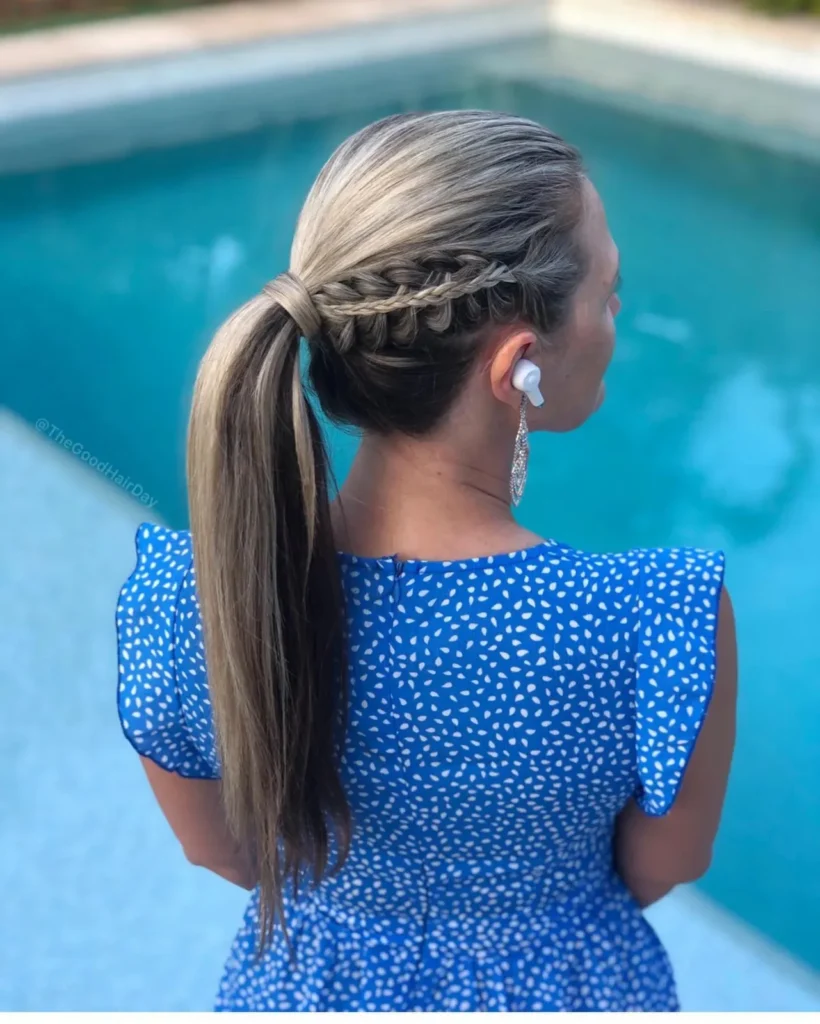
9. Side Braid Low Ponytail
Source: thegoodhairday
Bringing a braid into a low ponytail shifts the focus toward one side while keeping the rest of the hair gathered neatly. The transition from braid to ponytail creates a smooth connection instead of breaking the style into separate parts.
Low placement reduces pressure near the crown and keeps the back area flat, which helps when leaning against seats. This also prevents hair from bunching up behind the head, making the style more comfortable during long periods of sitting.
Securing the ponytail firmly before merging it with the braid helps prevent slipping. Wrapping a small strand around the elastic gives a cleaner finish and keeps the base from looking exposed or unfinished.
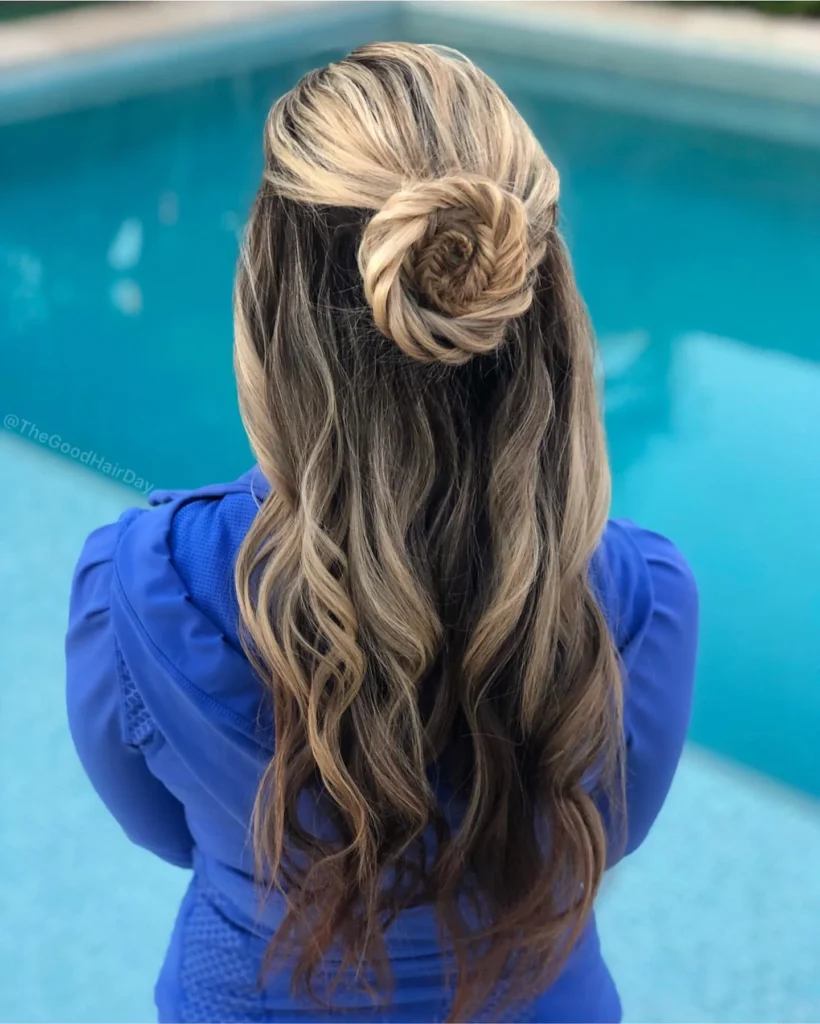
10. Half Up Rose Bun
Source: thegoodhairday
A spiral bun shaped like a rose brings attention to the crown without covering the full length. The twisted pattern forms a rounded floral detail, while the remaining hair falls behind, keeping the overall arrangement light and suitable for long outdoor hours.
Keeping the upper section secured prevents strands from falling forward during walking or rides. The loose lower portion allows easier movement without hair pressing against the neck, which makes the style more comfortable during warm conditions and extended wear.
Tight twisting before wrapping helps the rose shape hold longer without loosening. Placing small pins underneath the spiral keeps them hidden, while centering the bun ensures the design stays balanced and does not tilt as the day continues.
Read More : 23 Bob Hairstyles That Make Styling So Easy
11. Double Crown Braid Half Down
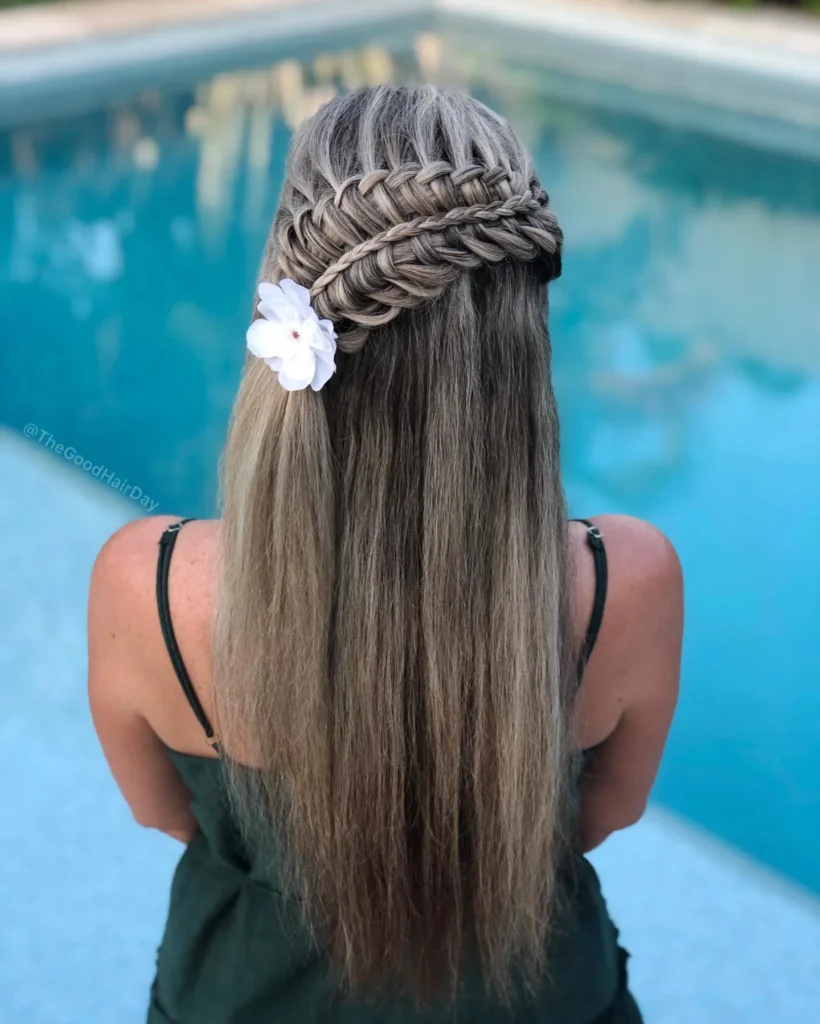
Source: thegoodhairday
Two braids placed along the top frame the head and meet toward the back, forming a crown-like detail that keeps the front organized. The remaining hair stays down, giving a contrast between structured sections above and free length below.
Front strands often fall out first, but braiding them keeps everything in place without constant adjustment. This helps maintain a cleaner appearance during long hours, especially when dealing with heat and continuous outdoor activity.
Keeping both braids equal in thickness helps maintain symmetry across the head. Securing them tightly at the back prevents loosening, while careful sectioning ensures the braids sit evenly and do not shift out of alignment during the day.
12. Center Braided Spine Ponytail
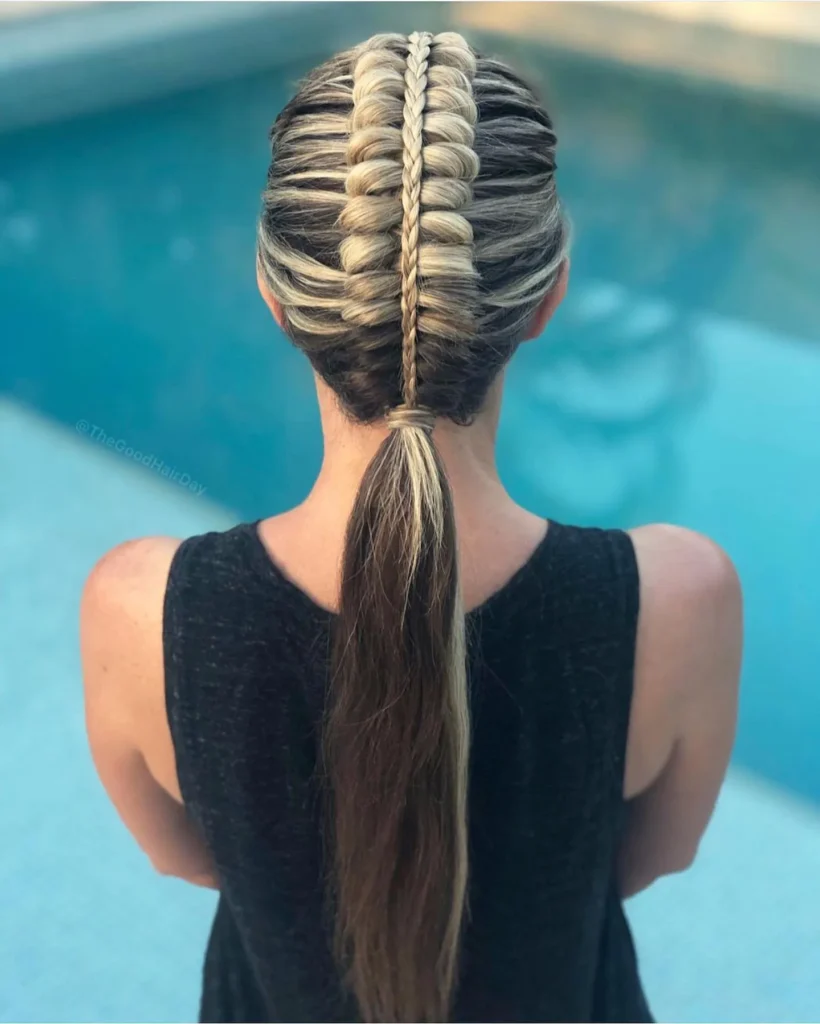
Source: thegoodhairday
A central braid leading into a ponytail forms a straight path that draws attention from front to back. This placement creates a strong visual line, giving the hairstyle a clear direction without needing extra details or accessories.
Gathering the remaining hair into a ponytail keeps everything in one place, reducing the need for frequent adjustments. The braid at the top holds the front section firmly, helping the overall style stay organized during outdoor activities.
Starting the braid tightly near the hairline improves how long it lasts. Securing the ponytail with a strong elastic prevents slipping, while keeping the braid aligned with the center ensures the hairstyle stays even and visually consistent.
13. Double Rose Braid Half Up
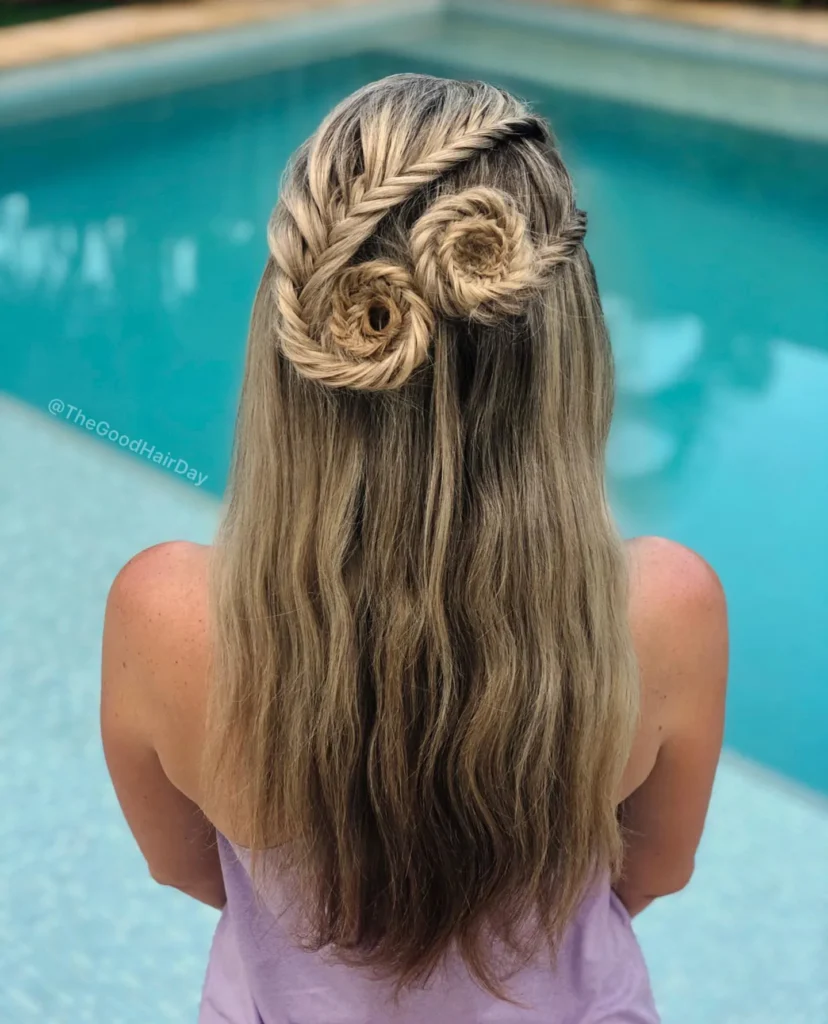
Source: thegoodhairday
Two spiral braids shaped like roses bring attention to the back without covering the full length. Each section is twisted and wrapped into a rounded form, while the remaining hair flows freely, giving a layered effect that stands out in outdoor lighting.
Keeping the upper section secured prevents front strands from falling forward during activity. The loose length below avoids heaviness at the back, which makes the style easier to wear during long hours without needing constant adjustment or repositioning.
Form each rose tightly so the spiral holds its shape over time. Placing pins underneath keeps them hidden, and matching both sides in size ensures the design stays even and does not appear uneven when viewed from different angles.
14. Cross Over Dutch Braids
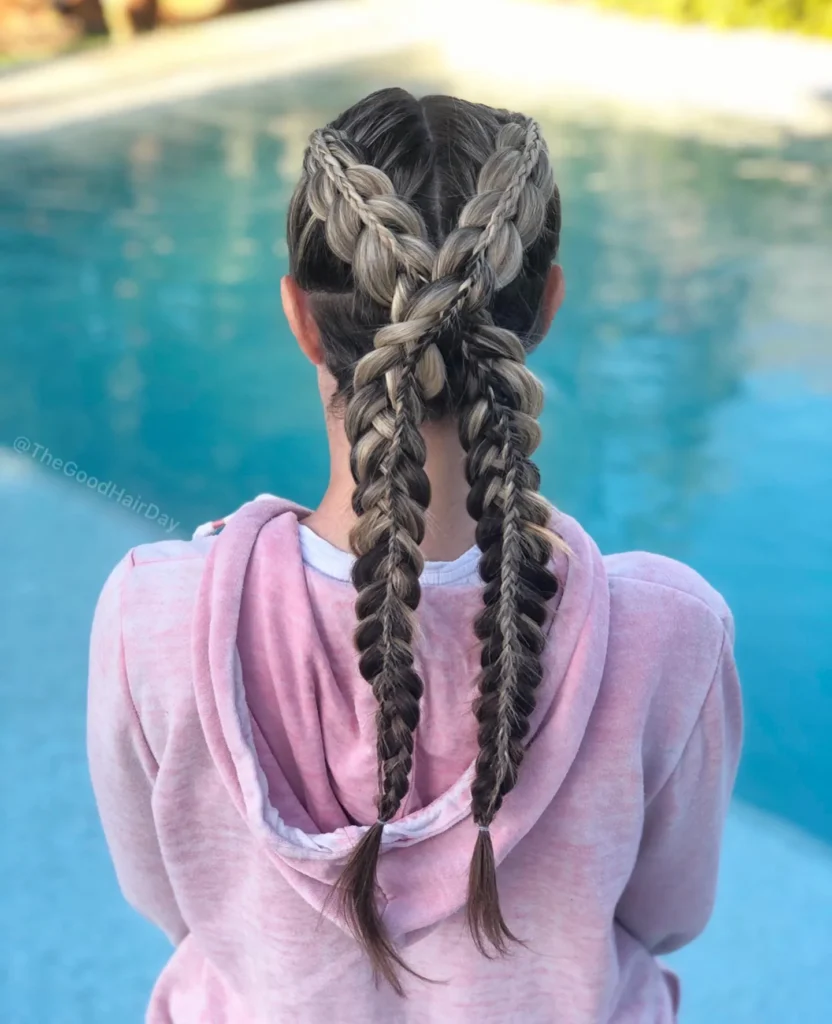
Source: thegoodhairday
Crossing two braids over each other builds a pattern that immediately stands out from standard layouts. Each braid is guided across the head, forming an intersecting path that gives depth and direction without relying on accessories or added elements.
The crossing method keeps sections secured from different angles, which helps prevent separation during long hours outdoors. Hair stays gathered along the path of the braids instead of spreading out, making the style easier to maintain without frequent fixing.
Equal tension on both braids keeps the crossover clean and prevents uneven sections. Securing the intersection point firmly helps hold the pattern in place, while consistent section sizes keep the overall design balanced and easy to follow visually.
Read More : 22 Headband Hairstyles That Fix Bad Hair Days Fast
15. Layered Fishtail Spine Braid
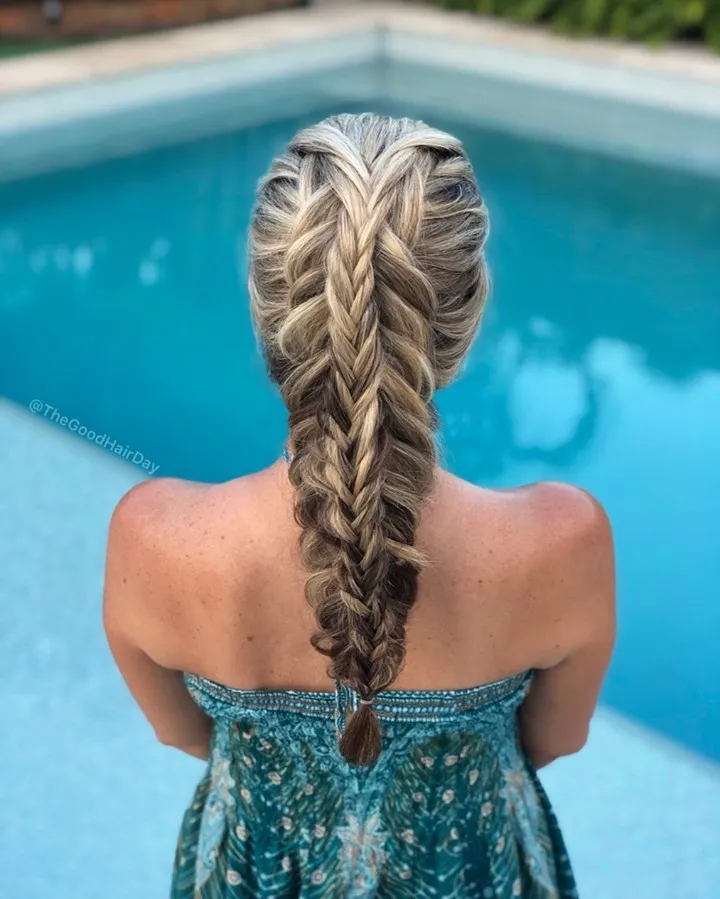
Source: thegoodhairday
A fishtail braid placed along the center forms a layered pattern that runs straight down the head. Smaller woven sections give a tighter appearance, making the braid stand out clearly compared to standard braiding styles that use larger pieces.
Center placement helps keep the upper section aligned while guiding the rest of the hair downward. This reduces the need to adjust the style repeatedly, especially during outdoor activity where hair tends to shift more often.
Working with even sections keeps the fishtail pattern consistent from top to bottom. Securing the end firmly prevents loosening, and keeping the braid centered ensures the overall layout remains balanced and clearly visible from every angle.
16. Twin Pull Through Braids
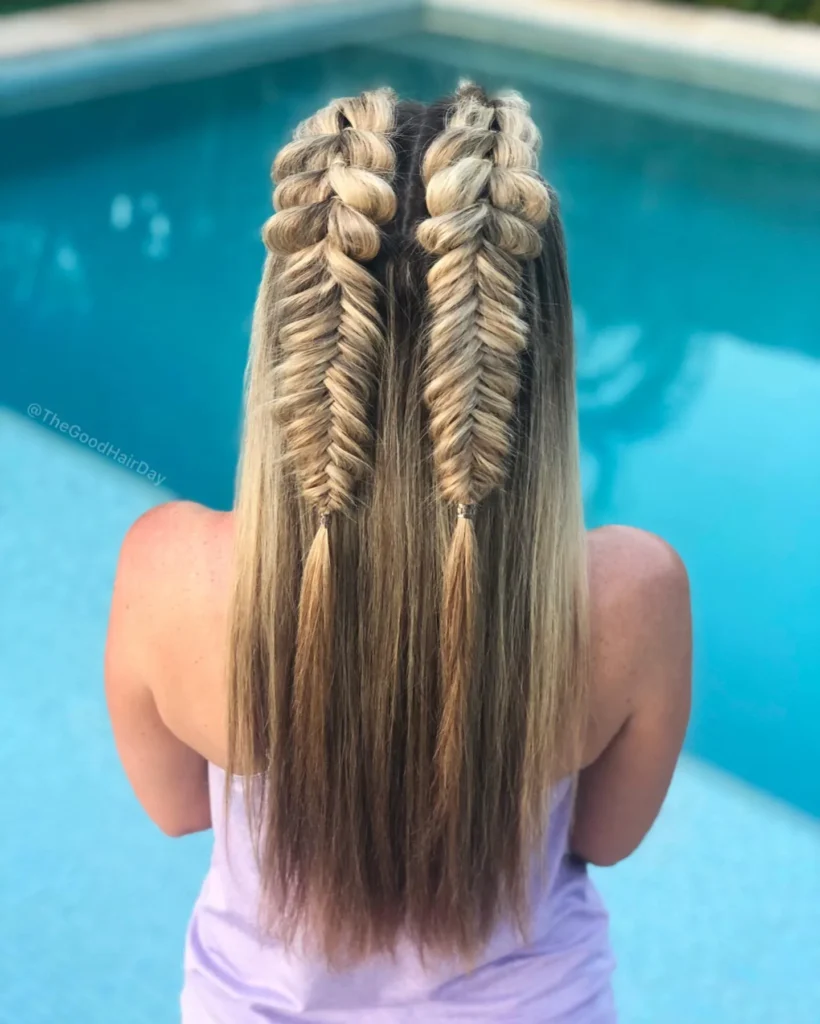
Source: thegoodhairday
A pull through method builds two thick braids using small linked sections rather than traditional weaving. Each segment is secured with elastics, then expanded slightly to form a chain pattern that runs evenly down both sides with a fuller and more detailed appearance.
Linked sections reduce the chance of the entire braid loosening at once since each part holds on its own. This makes the style easier to maintain during outdoor activity, even when hair is exposed to wind, heat, and constant movement.
Keeping section spacing even prevents irregular gaps that break the pattern. Tightening each base before expanding the segments improves hold, while using clear elastics helps maintain a cleaner finish without drawing attention away from the braid itself.
17. Heart Braided Ponytail Style
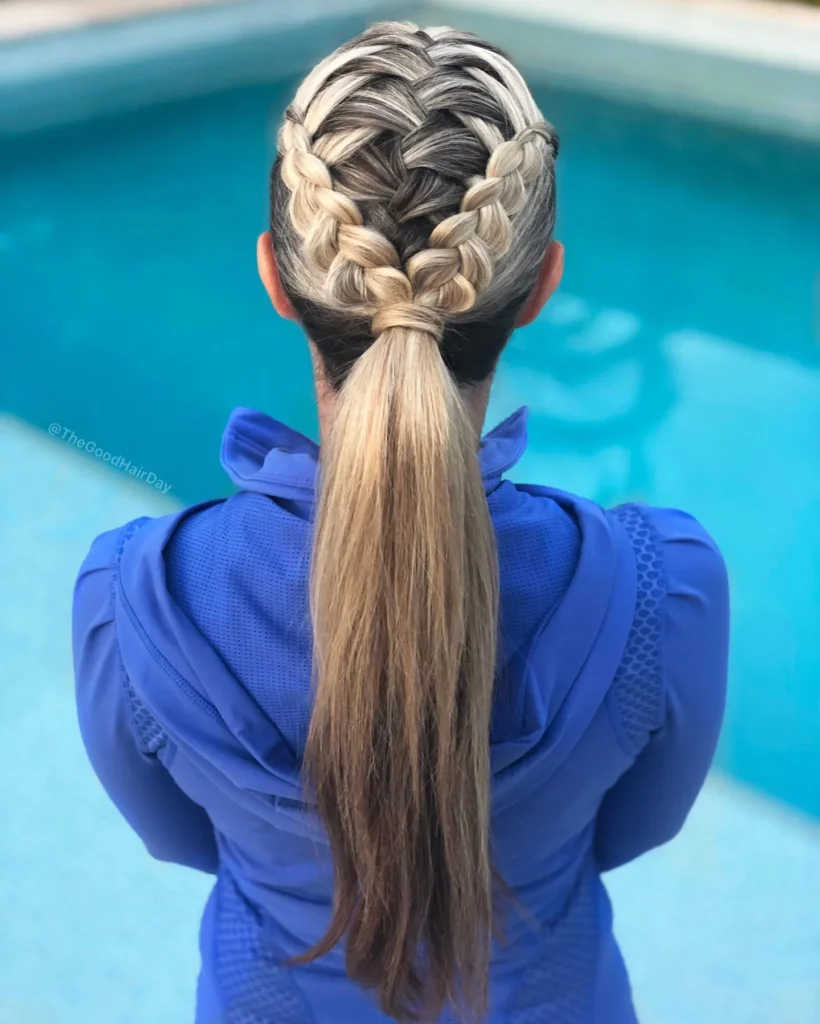
Source: thegoodhairday
A heart-shaped braid at the back transforms a simple ponytail into a more detailed design that stands out clearly. The braid is shaped carefully before joining into the ponytail, forming a visible pattern that becomes the focal point of the hairstyle.
The upper braid keeps the front section secured, while the ponytail gathers the remaining length into one place. This combination helps maintain order without needing repeated adjustments, making it easier to wear during long hours outdoors.
Careful sectioning is important when forming the heart so both sides match evenly. Securing the braid tightly before attaching the ponytail helps preserve the shape, while smoothing the edges keeps the design clear and easy to recognize.
18. Sectioned Slick Grid
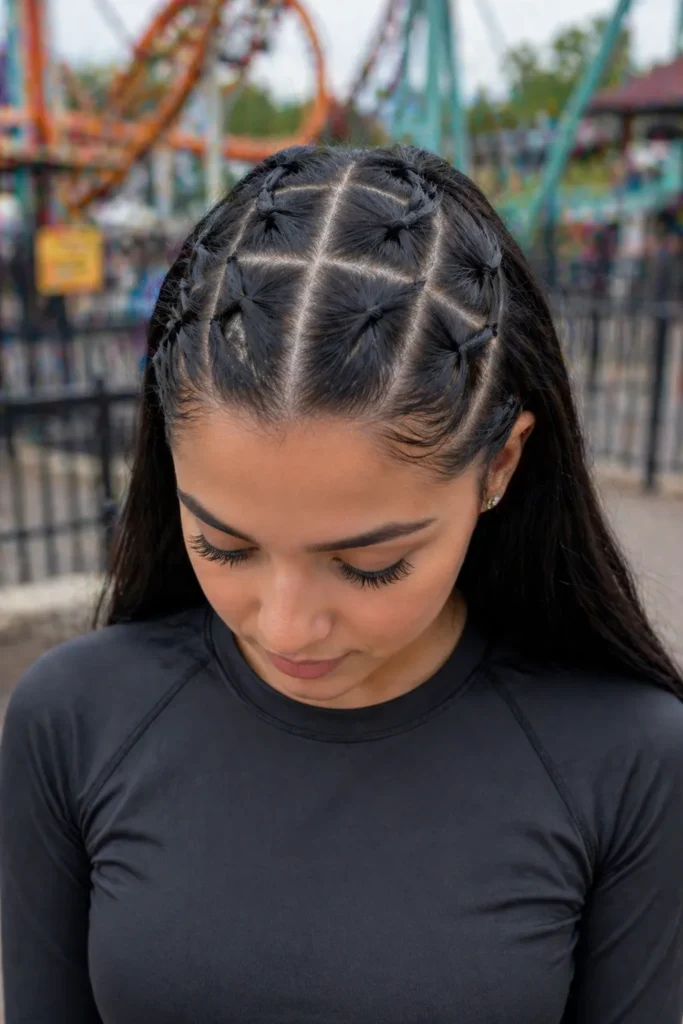
Clean parting alone does not stand out until it is turned into a full grid. Small square sections across the front create a sharp layout that immediately catches attention, especially under bright outdoor light where details become more visible and noticeable.
Front strands usually break first during heat, but dividing them into sections prevents that scattered effect. Each small part keeps its place, so the overall layout stays intact instead of blending into one uneven surface.
Accuracy matters more than speed here. A pointed comb helps map each square clearly, while keeping equal spacing between elastics avoids a messy layout. When sections align properly, the pattern appears intentional and holds its shape without needing repeated fixes.
19. Sleek Bubble Low Ponytail
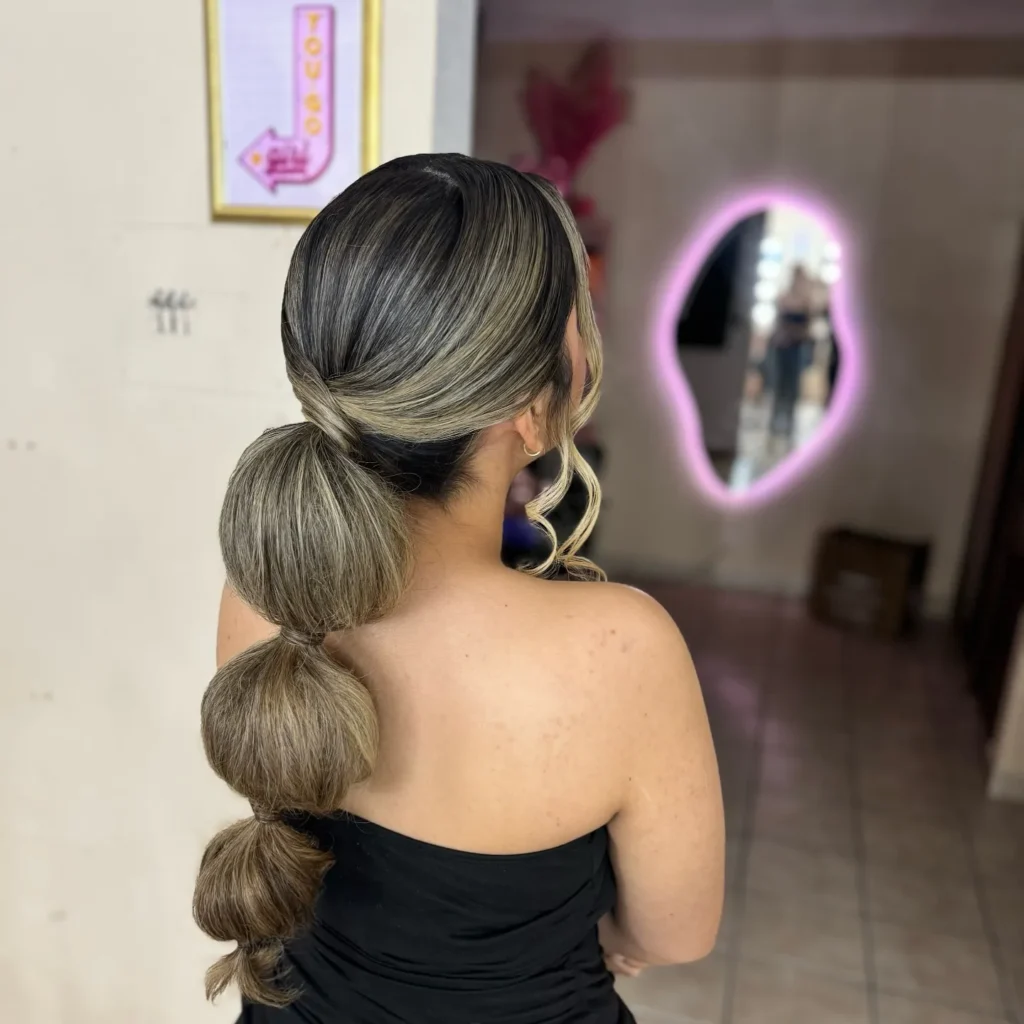
Source: thegoodhairday
A low ponytail divided into bubble sections brings a clean and organized layout that holds its shape through long outdoor hours. Each segment is secured with small elastics, forming rounded sections that keep the length gathered instead of spreading out unevenly.
Placing the ponytail at the nape keeps the back flat, which helps when sitting or leaning against surfaces. This position also prevents hair from bunching up, making the style more comfortable during extended periods of activity and movement.
Securing the base tightly before adding sections improves durability over time. Keeping equal spacing between elastics maintains consistency, while smoothing the surface helps the overall layout appear neat and well arranged from top to bottom.
20. Waterfall Center Pull Through
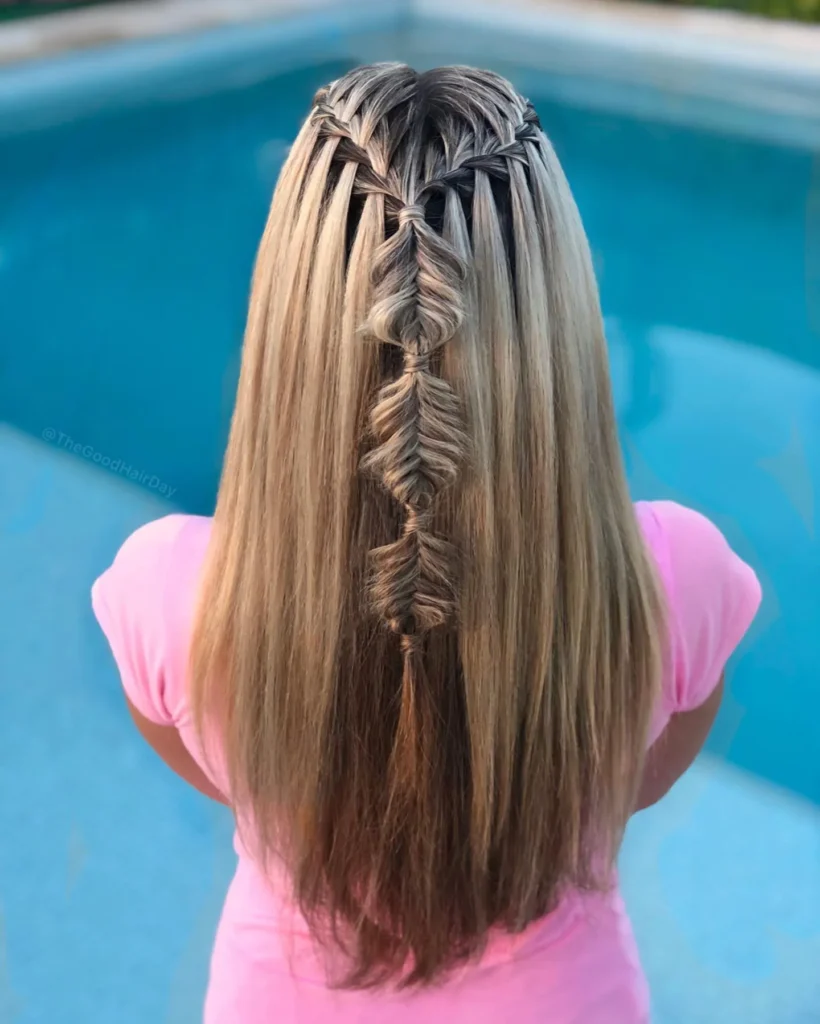
Source: thegoodhairday
A pull through braid placed along the center forms a layered pattern that flows downward in a connected sequence. Each section feeds into the next, building a design that stands out without relying on traditional braiding methods or additional styling elements.
Center placement helps guide the upper section into a straight path, keeping the arrangement organized during outdoor activity. This reduces the need for repeated adjustments, especially when dealing with long hours and changing conditions.
Using equal section sizes improves consistency throughout the braid and prevents uneven gaps. Securing each segment firmly before pulling through helps maintain the shape, while careful alignment keeps the design centered and visually balanced.
21. Chunky Fishtail Spine Braid
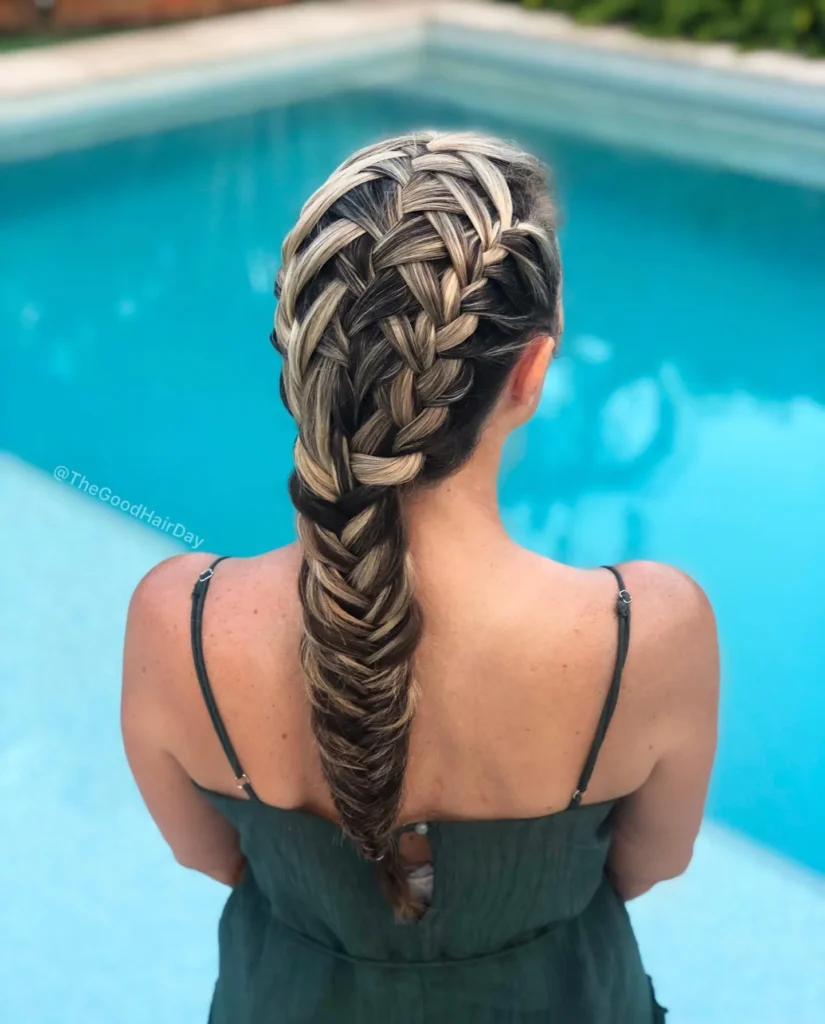
Source: thegoodhairday
A thicker fishtail braid placed along the center forms a bold pattern that runs straight down the head. Larger sections make the weave more noticeable, allowing the braid to stand out clearly without requiring additional details or accessories.
The central position gathers the hair into one direction, helping keep the style organized during long hours outdoors. This reduces the chances of strands shifting out of place while moving through different activities.
Working with consistent section sizes keeps the fishtail pattern even from top to bottom. Securing the end firmly prevents loosening, while keeping the braid aligned with the center ensures the overall shape remains balanced and clearly visible.
22. Crisscross Infinity Braid Design
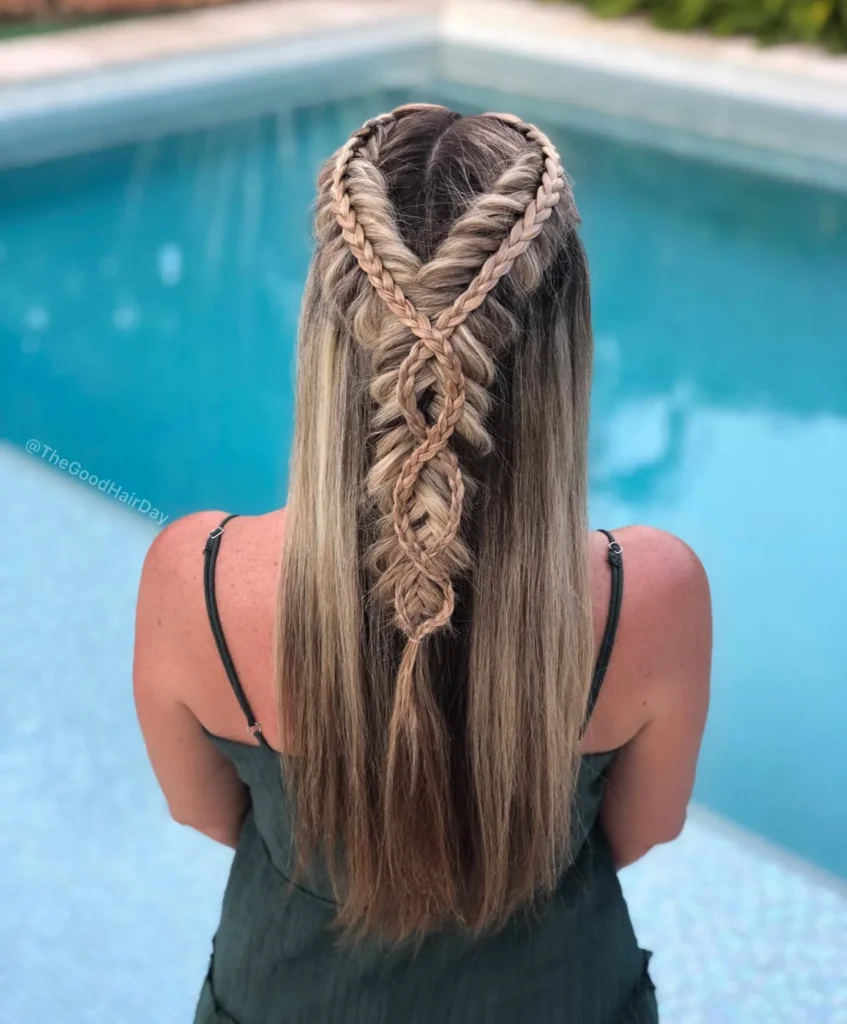
Source: thegoodhairday
A crisscross pattern combined with an infinity braid forms a detailed path that runs across the head with a continuous flow. Sections overlap in a structured way, building a design that stands out clearly without needing accessories or additional styling elements.
Layering sections in different directions helps keep the braid intact instead of falling apart in one area. This method spreads the hold across multiple points, which makes the design more reliable during long hours outdoors.
Keeping section sizes even improves the clarity of the pattern and prevents distortion. Forming each crossover carefully helps maintain accuracy, while securing the ends firmly ensures the braid holds its shape without loosening throughout the day.
23. Braided Space Buns Updo
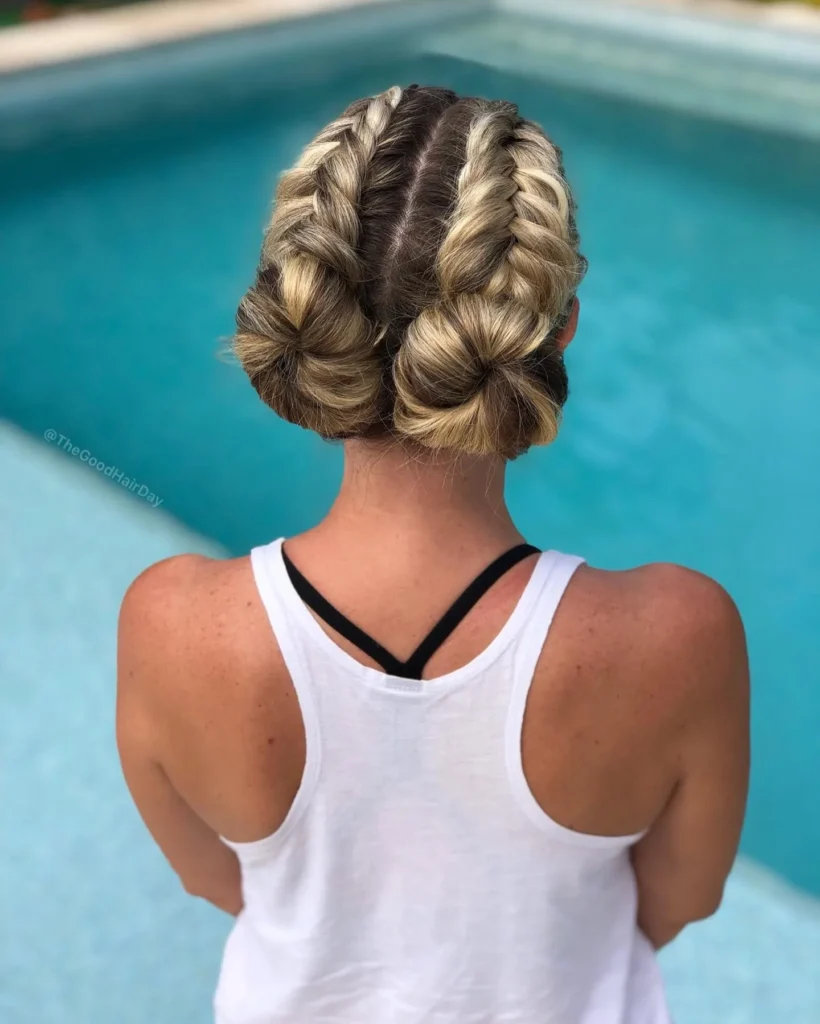
Source: thegoodhairday
Two braided buns placed evenly on both sides give a balanced layout that stands out without feeling heavy. Each section is braided first and then wrapped into a bun, adding texture while keeping the overall shape compact and easy to manage.
Splitting the weight between both sides reduces strain compared to a single bun. This makes the style more comfortable for extended wear, especially when moving between activities or spending long hours outdoors.
Securing each braid before wrapping helps maintain the bun shape over time. Pins placed underneath keep them hidden, while matching both sides in size ensures the style remains even and does not appear uneven from different angles.
24. Chunky Braided Low Pigtails
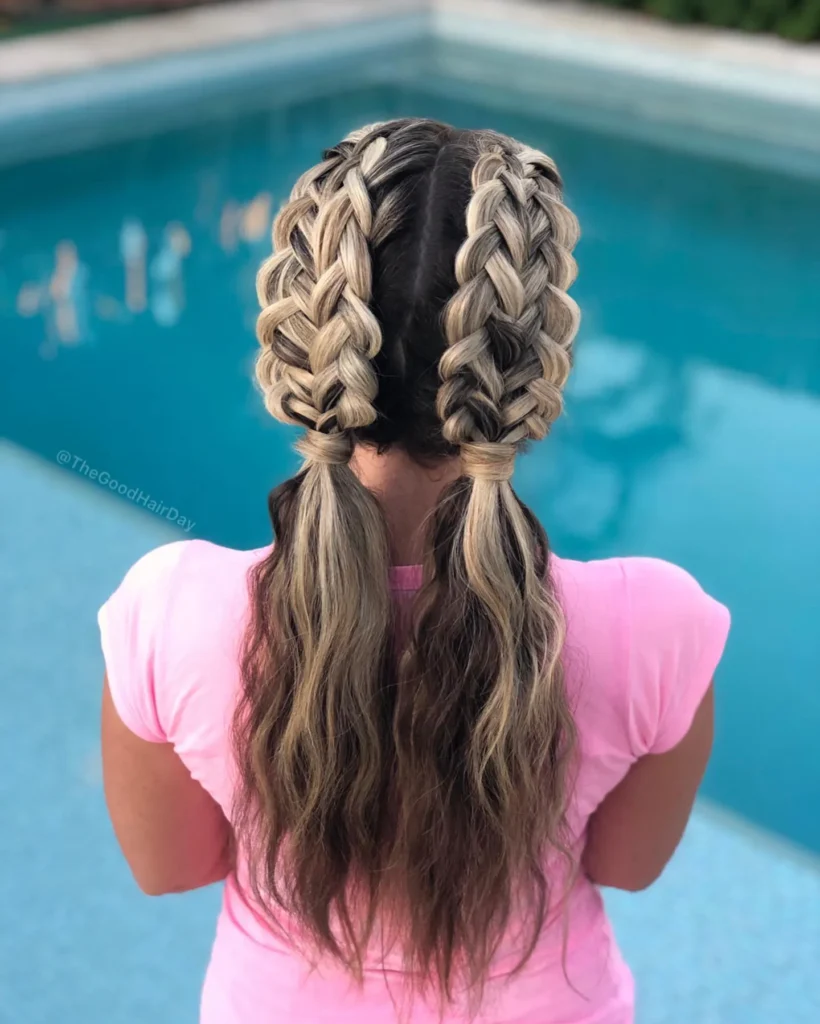
Source: thegoodhairday
Thicker braids placed low on both sides create a bold pattern that stays manageable throughout the day. Larger sections give a fuller appearance, while the low placement keeps the style closer to the neck without interfering with comfort.
Positioning the braids near the nape prevents pressure at the crown and allows the head to rest easily against surfaces. This helps avoid discomfort that often comes from higher placements during long periods of sitting.
Keeping both braids equal in thickness maintains balance across the head. Securing the ends firmly prevents unraveling, while consistent tension throughout the braid keeps the pattern even and clearly visible from top to bottom.
25. Side Rolled Tucks
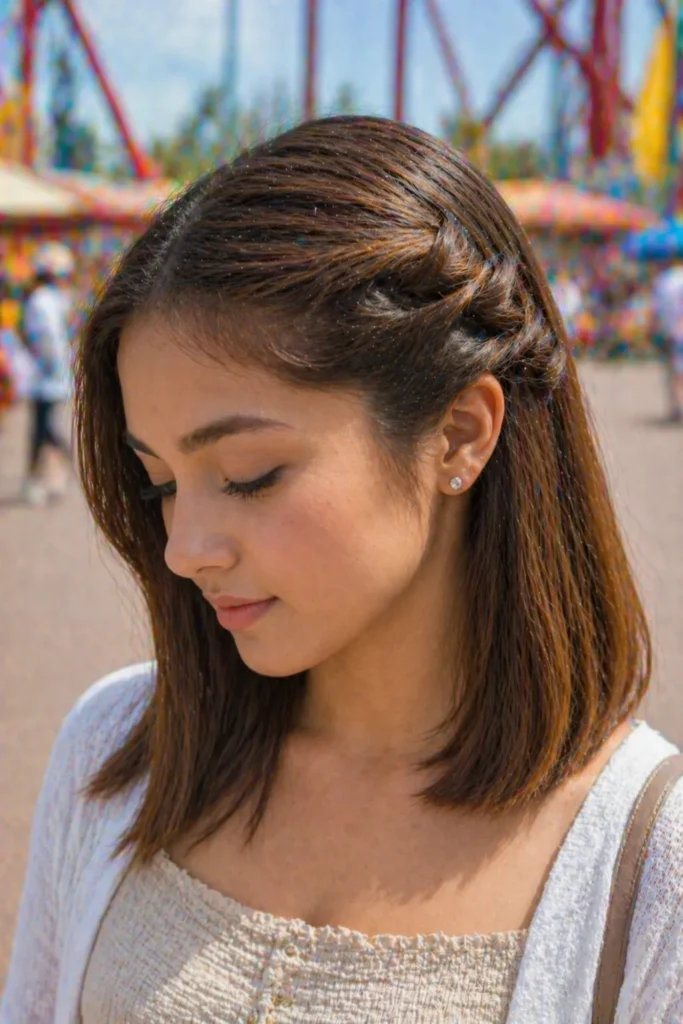
Not every style needs braids to stand out. Rolling sections along one side forms a tucked line that looks refined without adding extra bulk, making it a strong option when you want something neat but not overly styled.
One side carries all the detail while the other stays simple, which shifts attention in a subtle way. This uneven distribution also prevents hair from pressing awkwardly against seats or collars during long periods of sitting.
Pins should disappear into the hair rather than sit on top. Placing them underneath each roll keeps the finish clean, while working in equal sections prevents gaps that can break the smooth flow of the tucked line.
Park Day Essentials
Once you have your style sorted, a few small tools can make a big difference throughout the day.
- Small Elastics: Keep a few in your bag for quick fixes between rides
- Tail Comb: Helps clean parts or smooth sections fast
- Travel Hairspray: Controls frizz when humidity rises
- Bobby Pins: Useful for securing loose layers without restyling
Beat Frizz Before It Starts
Humidity does not wait until midday, it starts affecting your hair early. Drying with a microfiber towel helps reduce roughness before styling, while a light anti-humidity spray keeps strands from reacting to moisture during rides and heat.
If hair begins to expand, a tiny drop of serum on the surface helps smooth it down without making it heavy or greasy. Small fixes like this prevent bigger styling problems later in the day.
Quick Style Match Guide
Not sure which style fits your day best? This quick guide helps you choose based on what matters most.
Priority | Best Styles | Why It Works |
|---|---|---|
Strong Hold | Double Dutch Braids | Stays secure through fast rides |
Comfort First | Low Styles | Reduces scalp pressure |
Photo Focus | Rose Buns | Adds visible detail |
Heat Friendly | Space Buns | Keeps hair off neck |
After the Park: Reset Your Hair
After a full day, your hair may feel dry or tangled from wind and product. Start by detangling gently from the ends upward using a wide-tooth comb to avoid breakage.
Follow with a deep conditioning mask to restore moisture lost from sun exposure. Skip heat styling right after, letting your hair recover helps maintain strength and prevents long-term damage.
FAQs
1. Which hairstyle lasts longest at an amusement park?
Braided styles close to the scalp usually last the longest since they hold hair firmly in place.
2. How can I reduce frizz during rides?
Use a light product before styling and choose sectioned or braided designs that keep strands gathered.
3. Are open hairstyles a good choice?
Loose styles can shift quickly, especially during fast rides, so partially secured styles work better.
4. What is the most comfortable option for long hours?
Styles with even weight distribution, like low pigtails or space buns, help reduce tension.
5. Do I need to carry extra hair tools?
Keeping a few elastics and pins helps fix small issues without needing a full restyle.
Conclusion
Choosing the right hairstyle can completely change how your day feels. Instead of fixing your hair every hour, you stay focused on enjoying the experience. That is the real value behind these Amusement Park Hairstyles, they support your day without becoming a distraction.
When your hair stays in place, your confidence stays steady too. You move freely, enjoy every moment, and do not have to think twice about how your hair looks after each ride or long walk.
Save this for later, try one of the 25 Amusement Park Hairstyles that fits your hair, and share it with someone planning a park day. A good hairstyle should work with your day, not against it.