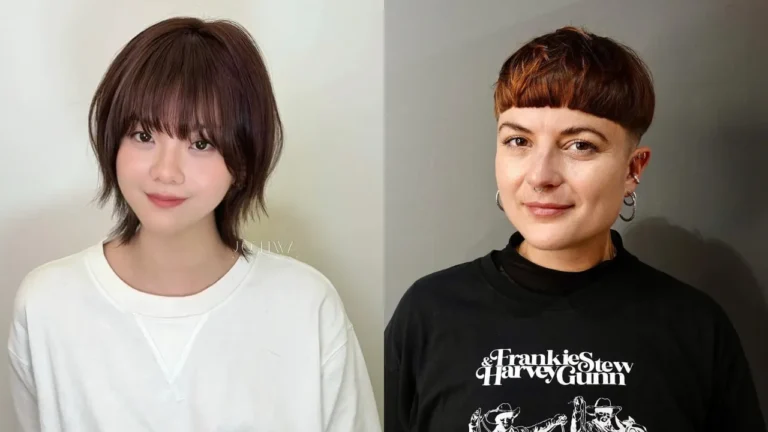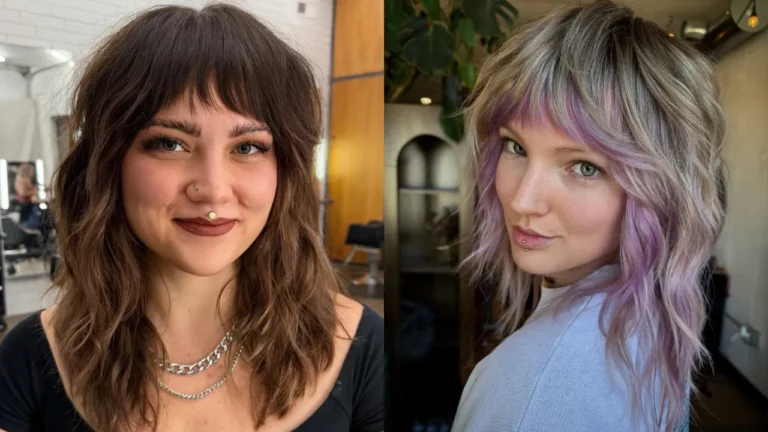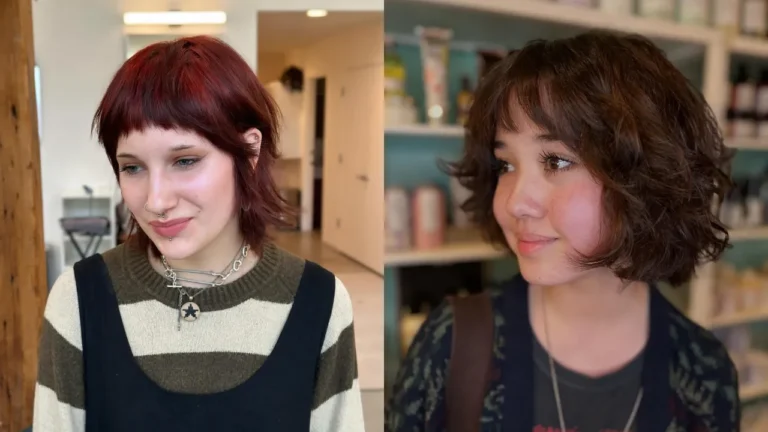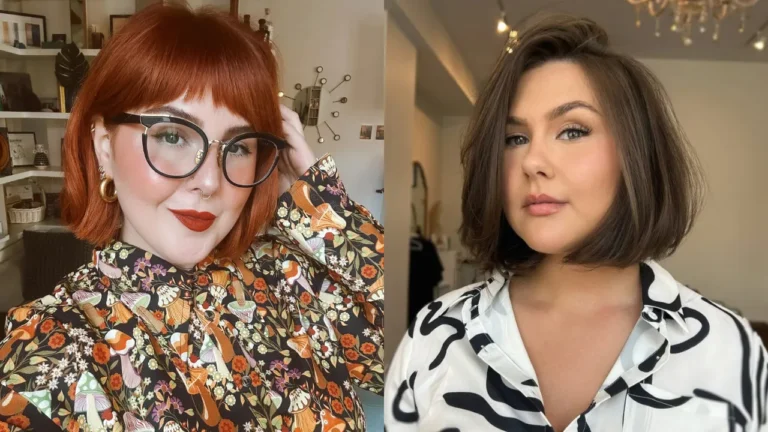
23 Short Haircuts for Plus Size Women Worth Trying
Short hair can change more than your haircut. It can change how you see your whole style.
If you have been unsure which cut will suit your features, these short haircuts for plus size women offer plenty of fresh inspiration.
Finding the right short style is not only about choosing a trendy cut. Face shape, hair texture, thickness, and daily styling time all matter. A bob that works beautifully on fine straight hair may behave completely differently on thick waves or curls.
This collection brings together 23 haircut ideas with different lengths, shapes, layers, and textures. You will find options that can help manage unwanted bulk, give fine hair more movement, or simply refresh your everyday style. Save your favorites and take them to your stylist for inspiration.
1. Textured Bixie With Fringe
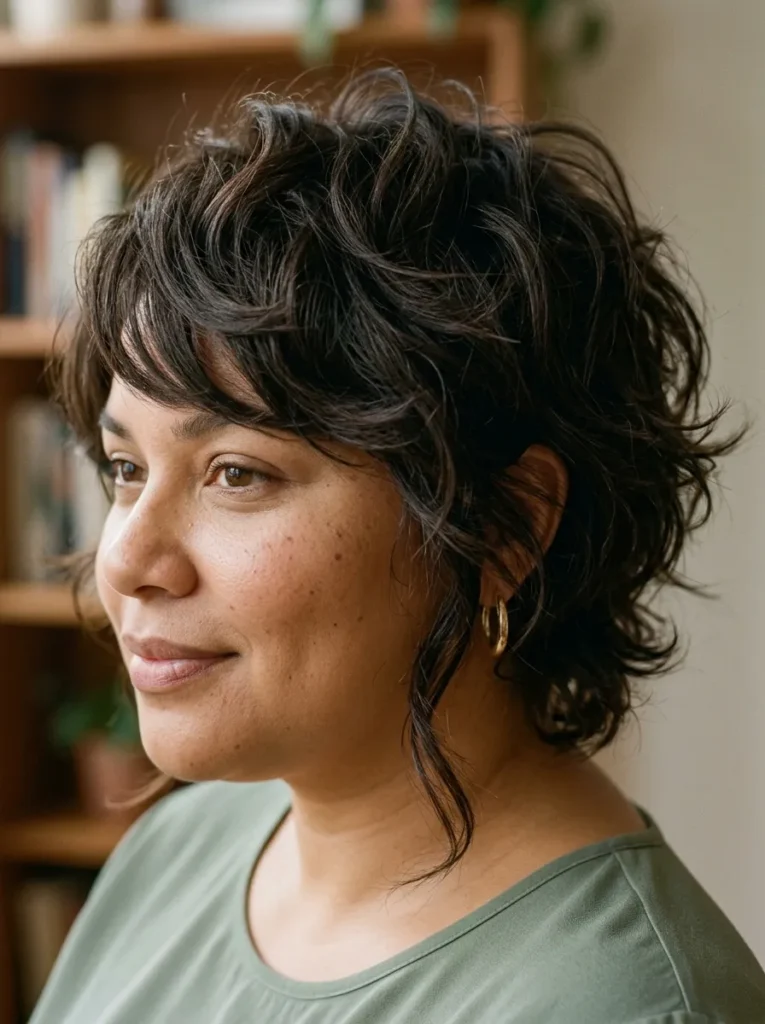
Have you ever gone shorter only to notice the sides sitting heavily against your cheeks? Fine hair can make that problem more noticeable when the sides fall into one solid section instead of breaking apart around the face.
A bixie keeps some length around the temples while using uneven layers through the crown. That extra separation stops the sides from looking too dense, while a side swept fringe draws attention upward toward the eyes rather than directly across the cheeks.
For fine strands, too much thinning can make the crown look sparse, so keep some fullness through the top. Let the fringe separate on its own, then use a tiny amount of texture cream on the ends when you want more definition.
2. Curly Cocoa Pixie Curls
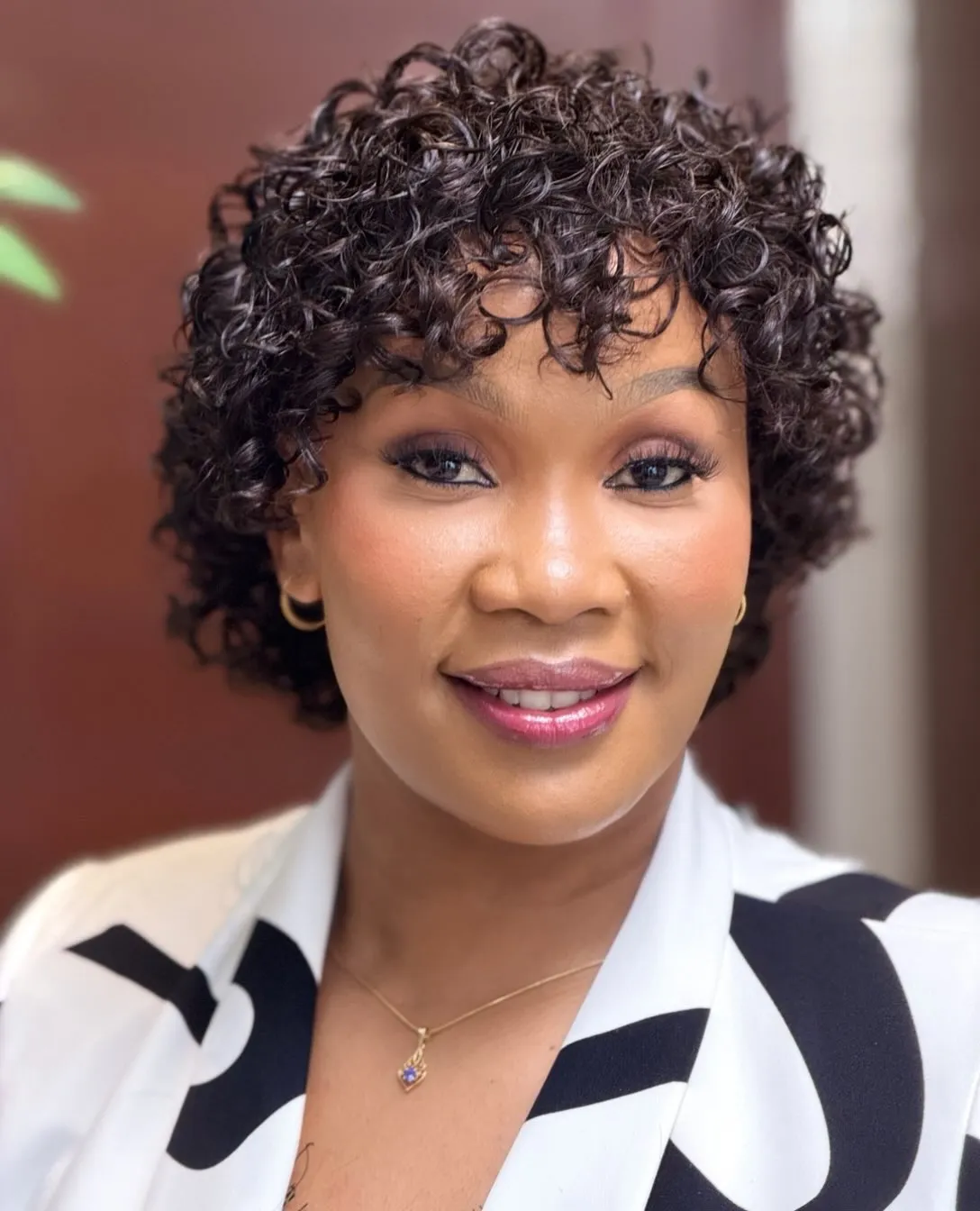
Source: luluzhair
Have you ever had short hair where every section seems to stop at the same place? When that happens, fine or medium strands can sit close to the head and leave the sides looking heavier than the crown.
Keeping a little extra length through the upper sections breaks up that flat effect without taking the sides extremely short. The layers can move away from the face while the shorter perimeter keeps the cut manageable around the ears and neckline.
For everyday styling, direct the crown slightly upward while letting the front pieces fall where they naturally want to go. A small amount of texture product through the ends can separate the layers without making the whole cut look overly arranged..
3. Layered Curly Pixie
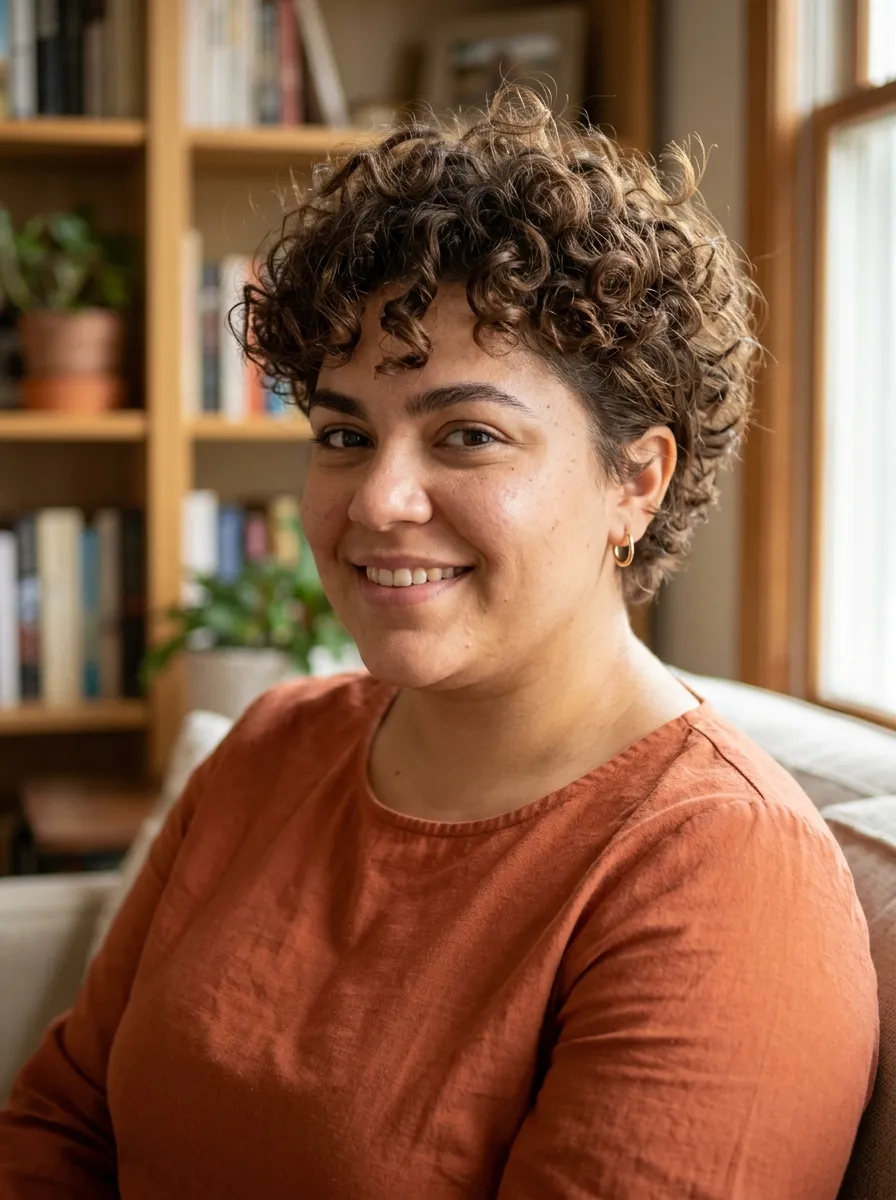
Curly hair rarely shrinks evenly, which can make a new pixie look shorter on one side once the curls dry. One section may spring upward while another hangs lower, especially when different curl patterns are mixed together.
Leave extra length through the crown so the curls have room to contract without becoming too compressed. The sides can taper gradually, taking away excess weight while keeping enough length on top for the curl pattern to remain visible.
Styling works better when you stop trying to make every curl match. Apply curl cream while the hair is damp, then let the curls settle in their own direction. That approach keeps the crown lively without forcing a stiff, overly arranged finish.
Read More : 23 Short Haircuts for Round Faces That Feel Modern
4. Angled Collarbone Bob

A bob that ends at the wrong point can make thick hair bunch up around the sides. When the ends land exactly where your hair has the most weight, the bottom can puff outward instead of falling close to the body.
Keeping the front slightly longer than the back helps move that weight forward without making the whole cut bulky. The longer pieces can follow the jaw and upper neck, while the shorter back section keeps the nape from becoming too dense.
For thicker strands, ask for weight to be removed from inside rather than heavily thinning the outer edge. A loose bend through the longer front pieces can also help them sit closer to the face instead of pushing outward.
5. Silver Sweep Statement Crop
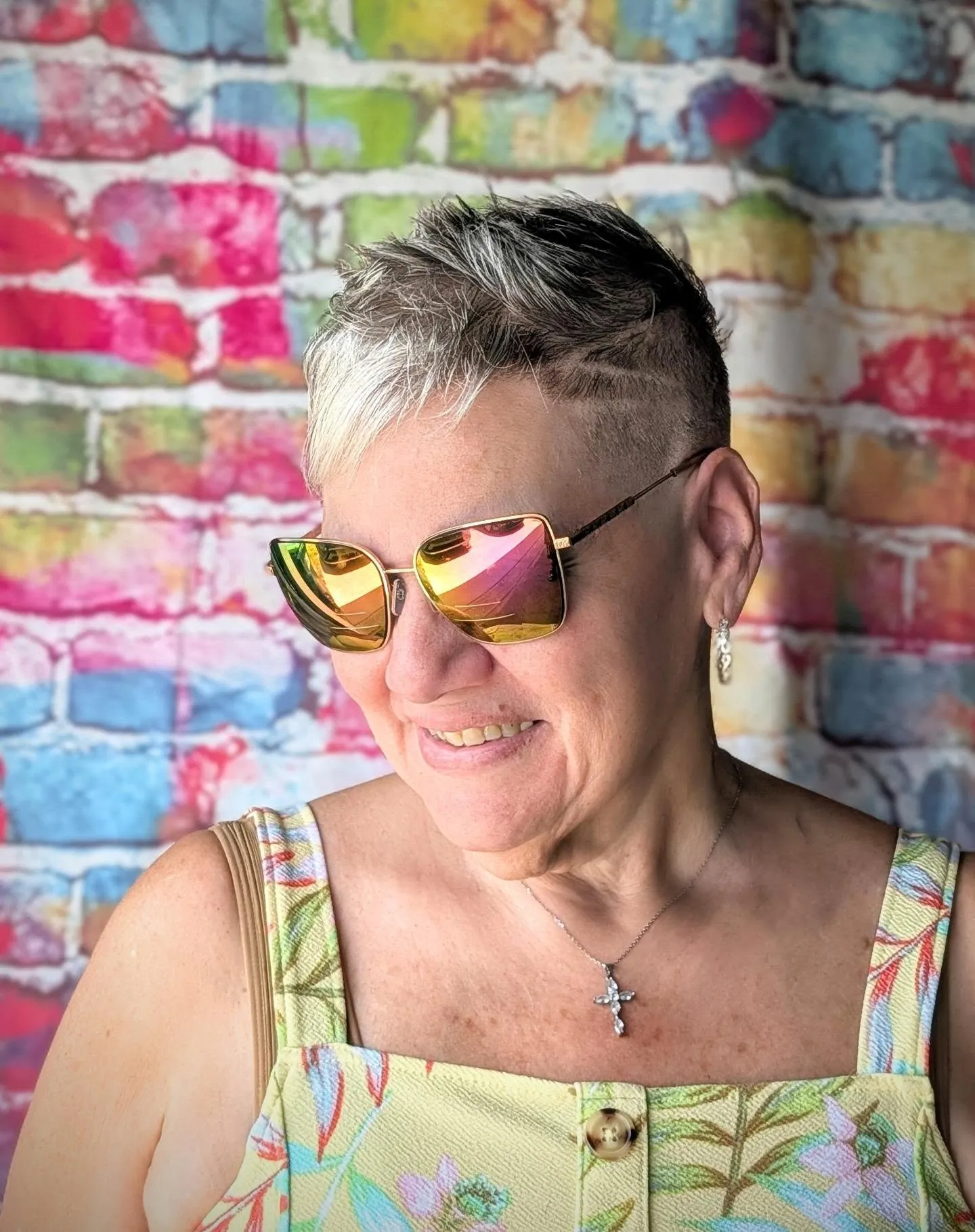
Source: honeyanddagger
The grow out stage can be the hardest part of having a pixie, especially when the back starts sticking out before the crown has enough length to blend with it. Those uneven sections can make styling take longer than the original cut.
A gradual taper around the nape and ears keeps the shorter areas controlled while leaving enough length above for texture. The crown can then be separated into small pieces instead of being pressed flat against the scalp.
For fine or wavy strands, avoid taking the top too short if you want several styling options. Sweep the longer pieces forward, push them slightly sideways, or lift them with your fingers when the growing sections begin changing direction.
Read More : 21 Short Haircuts for Chubby Faces for Women
6. Golden Mustard Sleek Pixie
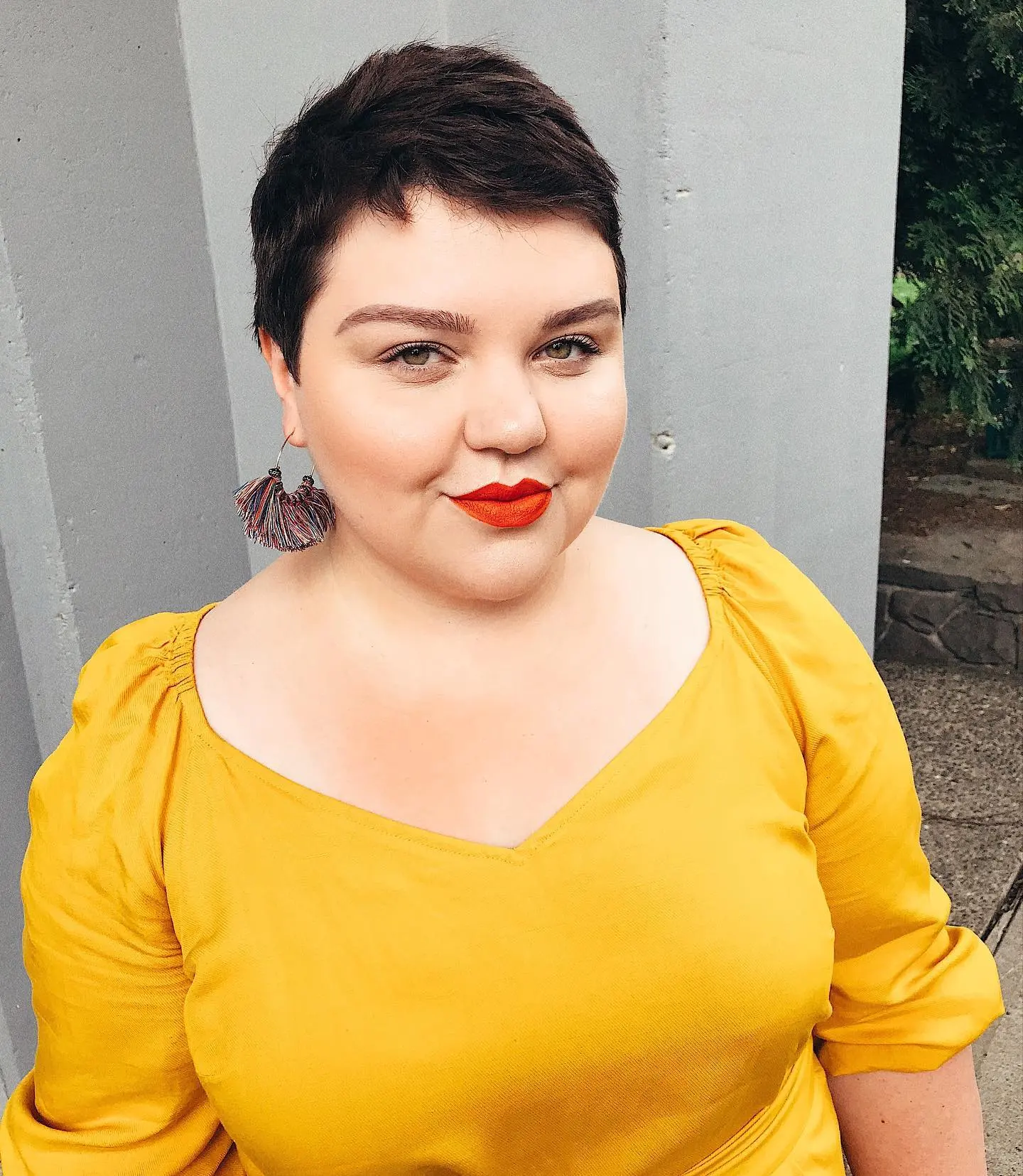
Source: sideburnsnbangs
A straight bob can become boring when your hair always falls into the same part and the ends never seem to move. That problem can be more noticeable when the lower section sits heavily against the jaw.
A deeper side part shifts the weight across the top and gives the front pieces a different direction. Light texture through the ends keeps the bottom from forming one solid line, while a few longer pieces around the front maintain some length beside the face.
Wavy hair can usually show the texture on its own after drying. With straighter strands, bend only a few sections near the ends rather than curling the whole head, which keeps the bob from becoming shorter than expected.
7. Copper Butterfly Pixie
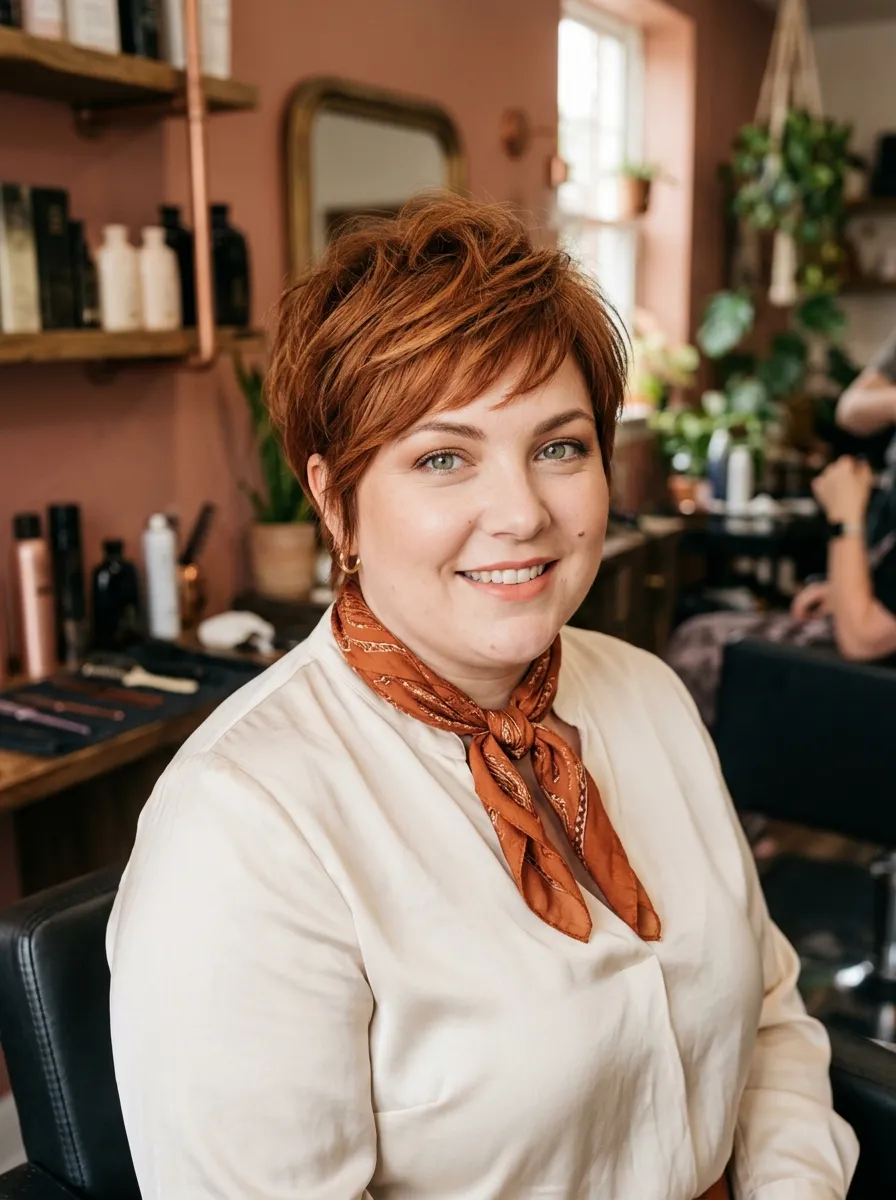
Color can become another problem when a short cut already has plenty of texture. A flat copper shade may make the layers blend together, while overly bright pieces can draw attention away from the haircut itself.
Keeping the sides tapered and leaving more length through the crown gives the color different surfaces to catch the light. Longer feathered sections can sweep diagonally across the forehead, while the shorter sides keep the lower part of the cut controlled.
If you want copper without constant salon visits, a slightly deeper root can make regrowth less noticeable. Keep the front pieces separated rather than smoothing everything down, so the warmer tones remain visible through the layered sections.
8. Rounded Italian Bob

Some bobs lose their shape by lunchtime because the ends flip in different directions. This can be especially annoying when thicker strands push outward while finer pieces underneath sit closer to the neck.
A rounded Italian bob keeps more weight through the bottom, giving the ends enough density to hold their direction. The curved perimeter follows the jaw and neck instead of stopping in a completely straight line across the face.
When styling, focus on smoothing the ends rather than flattening the whole head. A round brush can guide the lower sections inward, while leaving a little volume at the crown keeps the cut from sitting too close to the scalp.
9. Choppy Side Part Bob
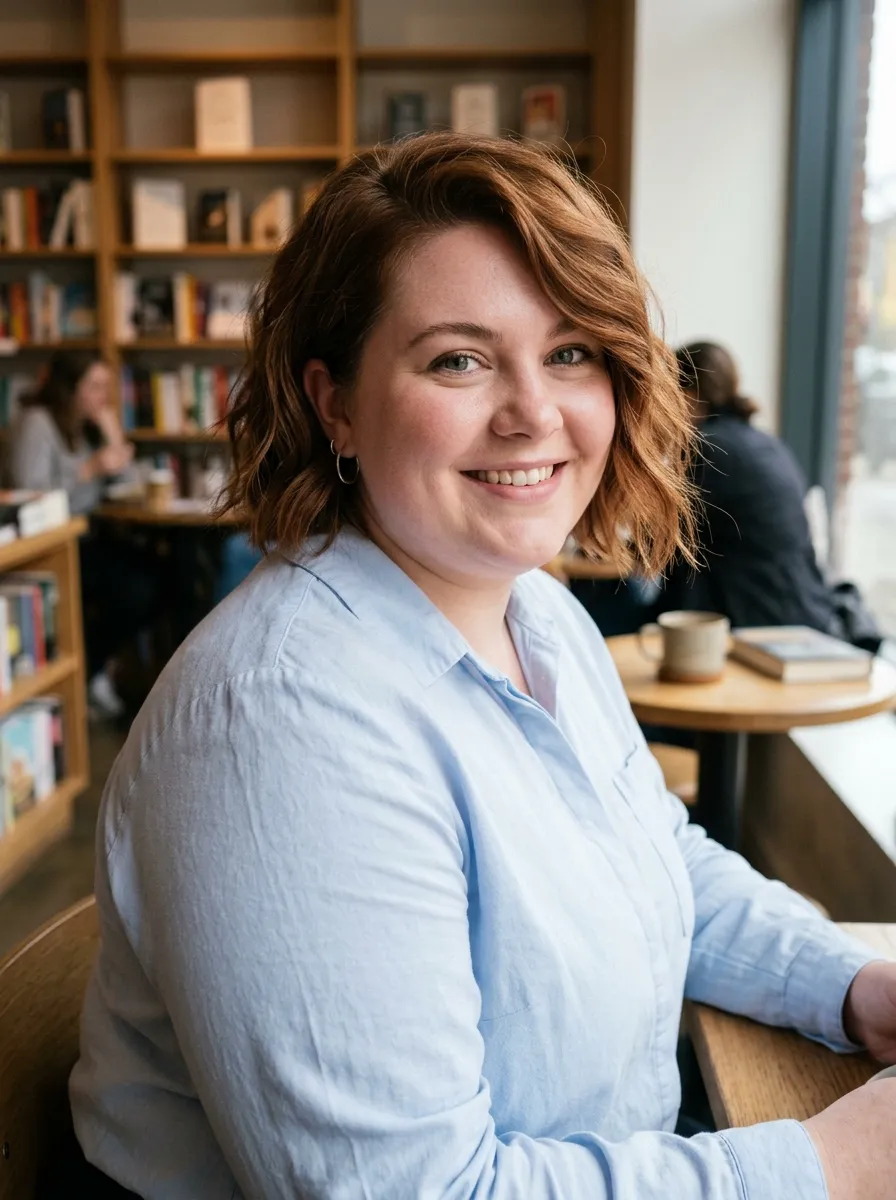
A traditional bob can start feeling predictable when your hair always falls into the same part and every section has the same length. Moving the part alone may not be enough when the ends also need more separation.
A deeper side part shifts the heavier section toward one side, while choppy ends stop the bottom from forming one solid line. A few longer pieces near the front can soften the transition without hiding the eyes or cheeks.
Wavy hair can show the uneven ends with little styling, while straight strands may need a quick bend through the bottom. Keep the texture focused on the ends rather than curling the entire head, which can make the bob appear shorter.
10. Soft Tapered Pixie
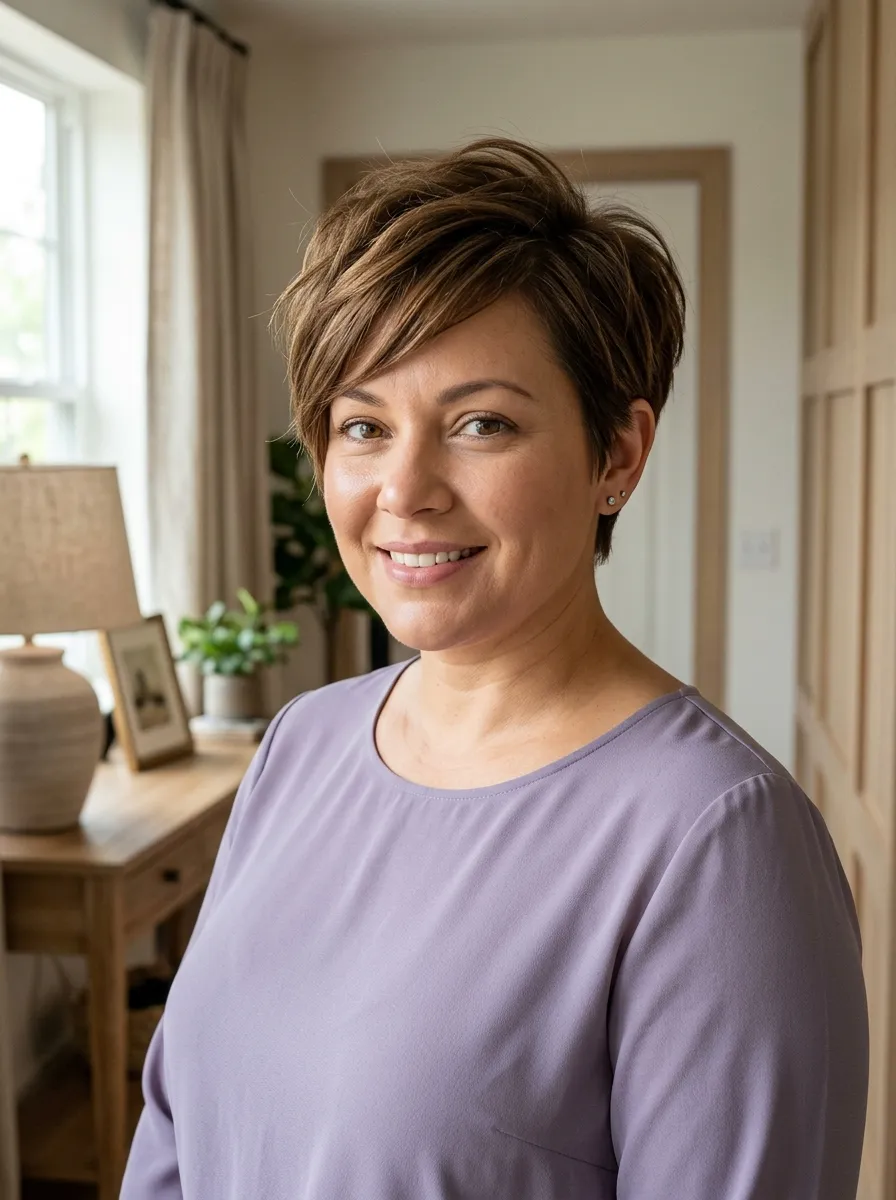
Growing out a pixie can be frustrating when the sides start sticking out before the top has enough length to balance them. That awkward stage often makes short hair seem harder to manage than it actually is.
A soft taper keeps the area around the ears and nape shorter while leaving more length through the crown. That difference helps the growing sections blend together instead of forming a bulky line around the lower face.
For fine or medium hair, keep the crown slightly textured rather than heavily thinned. You can brush those longer pieces forward, sweep them sideways, or lift them away from the face when the sides start gaining length.
11. Plum Undercut Bob
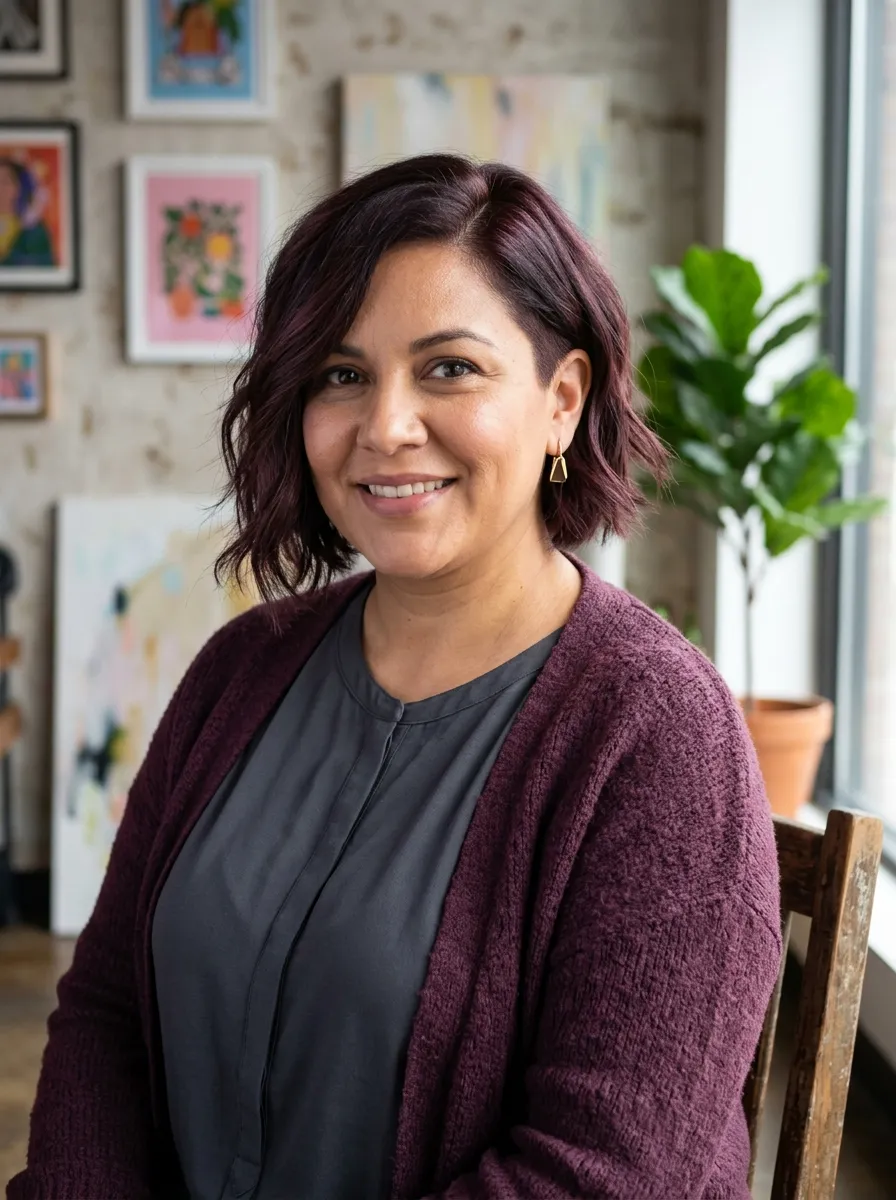
Thick hair can become frustrating when a short bob starts feeling heavy around the nape. Removing length from the outside does not always solve the problem because much of that extra weight sits underneath.
A subtle undercut takes away some of that hidden bulk while leaving the visible outer layer long enough to keep the bob recognizable. The plum tone brings attention to those upper sections without needing dramatic layering throughout the entire head.
This approach can work especially well when your hair is dense but you still want a shorter cut. Keep the visible perimeter slightly longer, and ask for the underneath section to be reduced carefully so the outer layer does not lose its fullness.
12. Rose Gold Shaggy Crop
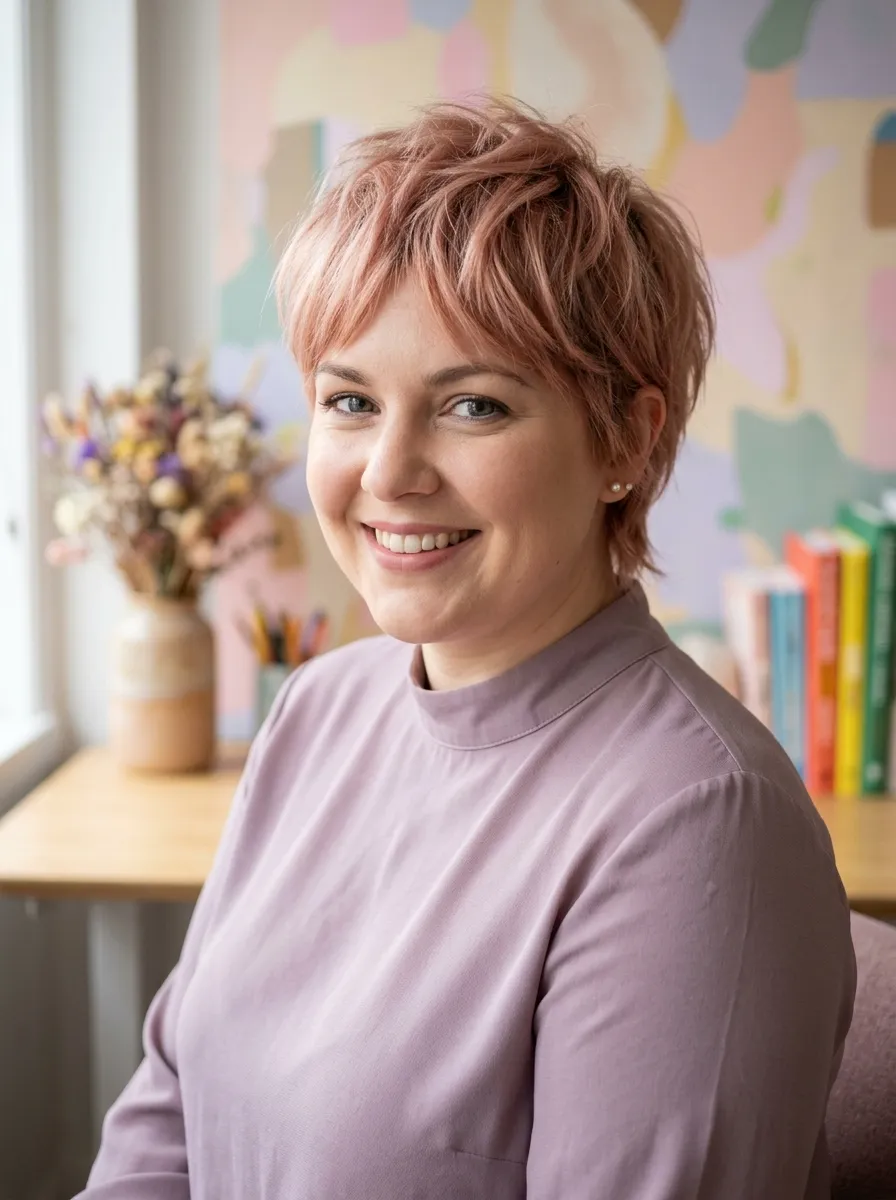
Short hair can start looking flat when every layer sits at nearly the same height. That problem becomes more noticeable with fine strands because there is little weight difference to help the crown separate from the sides.
A shaggy crop breaks up those sections with shorter pieces around the crown and slightly longer strands toward the front. The rose gold color also catches different parts of the layered cut, making the texture easier to notice without relying on heavy styling.
For finer hair, keep the shortest layers concentrated around the crown rather than thinning every section. Work a small amount of styling cream through the ends, then separate a few pieces with your fingers instead of brushing everything into one direction.
13. Cherry Cola Wolf Bob

Have you ever had layers that looked great when freshly styled but quickly turned into a bulky mess around the sides? Thick or wavy hair can make a short layered cut expand outward when the weight is not removed from the right places.
A wolf bob keeps shorter layers around the crown while leaving longer pieces toward the jaw and neck. That uneven length helps the hair separate instead of forming one heavy mass, while the cherry cola color brings extra depth through the layers.
For thicker hair, the inside sections need careful weight removal so the outer pieces can still keep their fullness. Let the waves dry in their own direction, then separate only a few sections around the crown when you want more texture.
14. Electric Blue Piecey Bob

Bright color can expose every uneven section of a bob because the eye naturally follows the stronger shade. If the ends are too blunt or the hair sits heavily around the chin, the color may make that imbalance even more noticeable.
Keeping the perimeter just below the chin gives the front enough length to frame the lower face, while lightly separated ends prevent one solid block of blue. A deeper root also helps the electric shade transition into the rest of the hair.
Straight hair can show the piecey ends clearly with very little styling. Use a small amount of lightweight product only on the lower sections, since heavy products can flatten the top and make the short cut lose its separation.
15. Honey Blonde Micro Bob
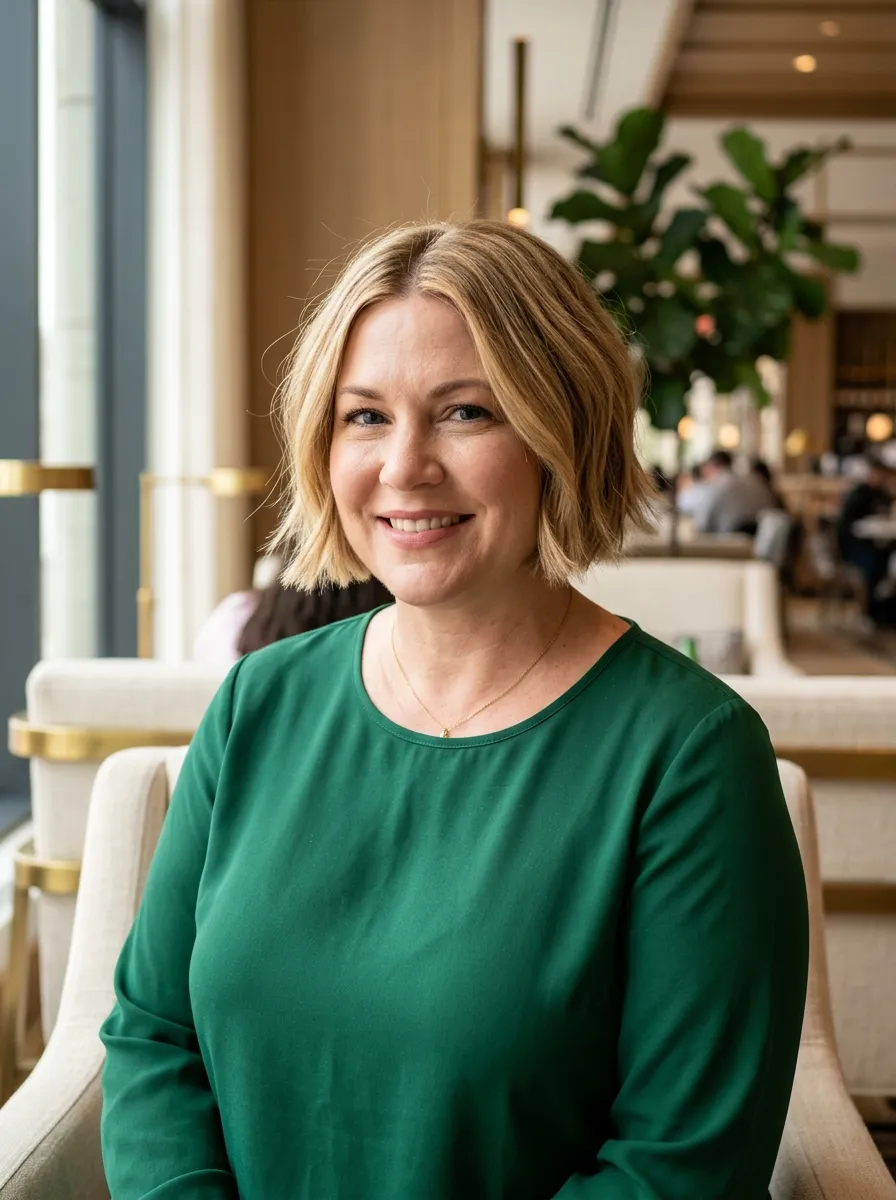
A micro bob can be surprisingly unforgiving when the length is cut too high. If your hair is fine, the ends may sit close to the cheeks and make every small change in direction more noticeable.
Keeping the front slightly longer than the back gives the cut a gentle forward angle instead of ending at one height. Warm honey blonde also brings some depth to the shorter length, especially when the roots remain slightly darker.
Fine strands usually benefit from keeping the bottom fairly full rather than removing too much weight. A small round brush can turn the front inward, while a side part offers an easy change when you want less symmetry around the face.
16. Mocha Money Piece Crop
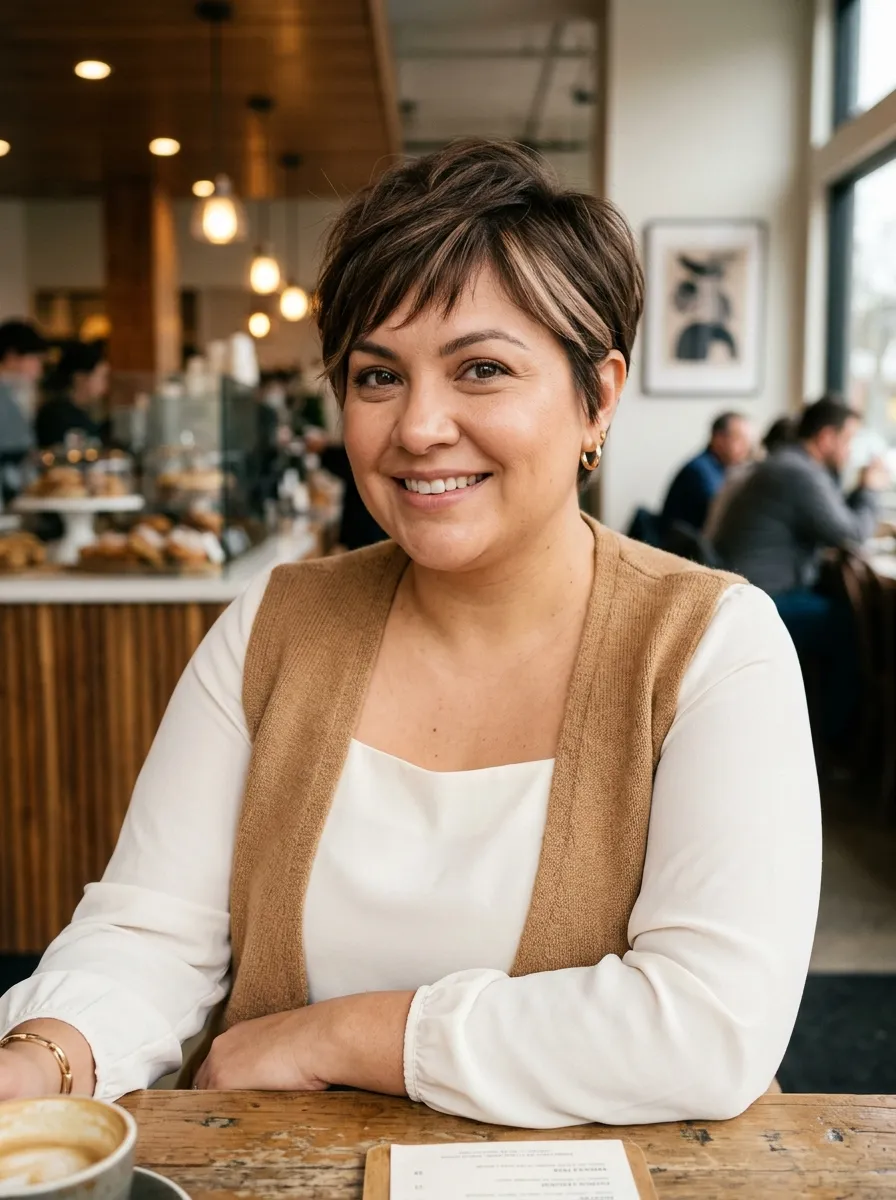
Short crops can become frustrating when the front looks too plain while the rest of the hair has plenty of texture. If you want something noticeable without changing the entire color, lighter pieces around the face can do some of that work.
Keep the sides and nape close while leaving more length across the crown. A creamy caramel tone through the front sections brings attention toward the eyes, while the deeper mocha base keeps the contrast from taking over the whole cut.
Fine or medium strands can carry this combination without needing heavy layering. Keep the lighter pieces slightly separated when styling so they remain visible, and avoid coating them with too much product because that can make the shorter sections sit flat.
17. Jawline French Bob
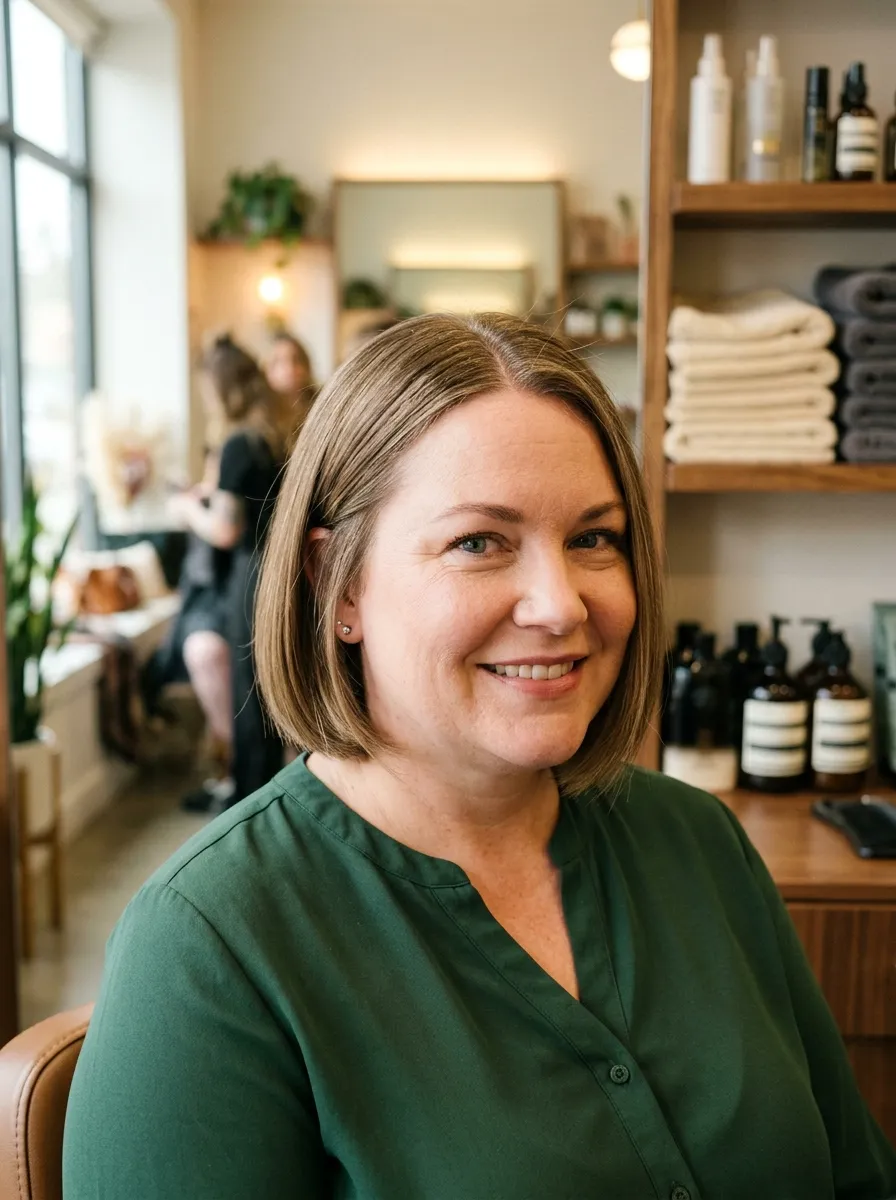
Have you ever styled a bob in the morning only to find one side curling inward while the other points outward? That uneven behavior can make a short cut frustrating, especially when the ends sit right beside the cheeks.
Keeping the length close to the jaw gives the bottom a clear stopping point without taking the cut too high. A softly finished edge helps the ends settle better, while the slightly shorter back keeps the front from becoming too heavy.
Fine hair usually needs enough weight at the bottom to keep the outline visible. Try a center part when you want the jawline emphasized, or move the part slightly sideways when you want a less uniform finish
18. Wavy Chin Shag

Have you ever tried a chin length cut only to discover that your waves made the ends puff out around your cheeks? Wavy hair can change dramatically after drying, especially when the bottom has too much weight in one place.
A chin shag breaks that heavy perimeter with shorter pieces around the crown and sides. The layers give the waves somewhere to bend instead of forcing every strand into one wide line across the lower face.
With naturally wavy hair, the cut should account for how much your strands contract as they dry. Let the texture settle before deciding whether more length needs removing, and scrunch lightly rather than brushing the waves into a uniform pattern.
19. Feathered Crop With Lift
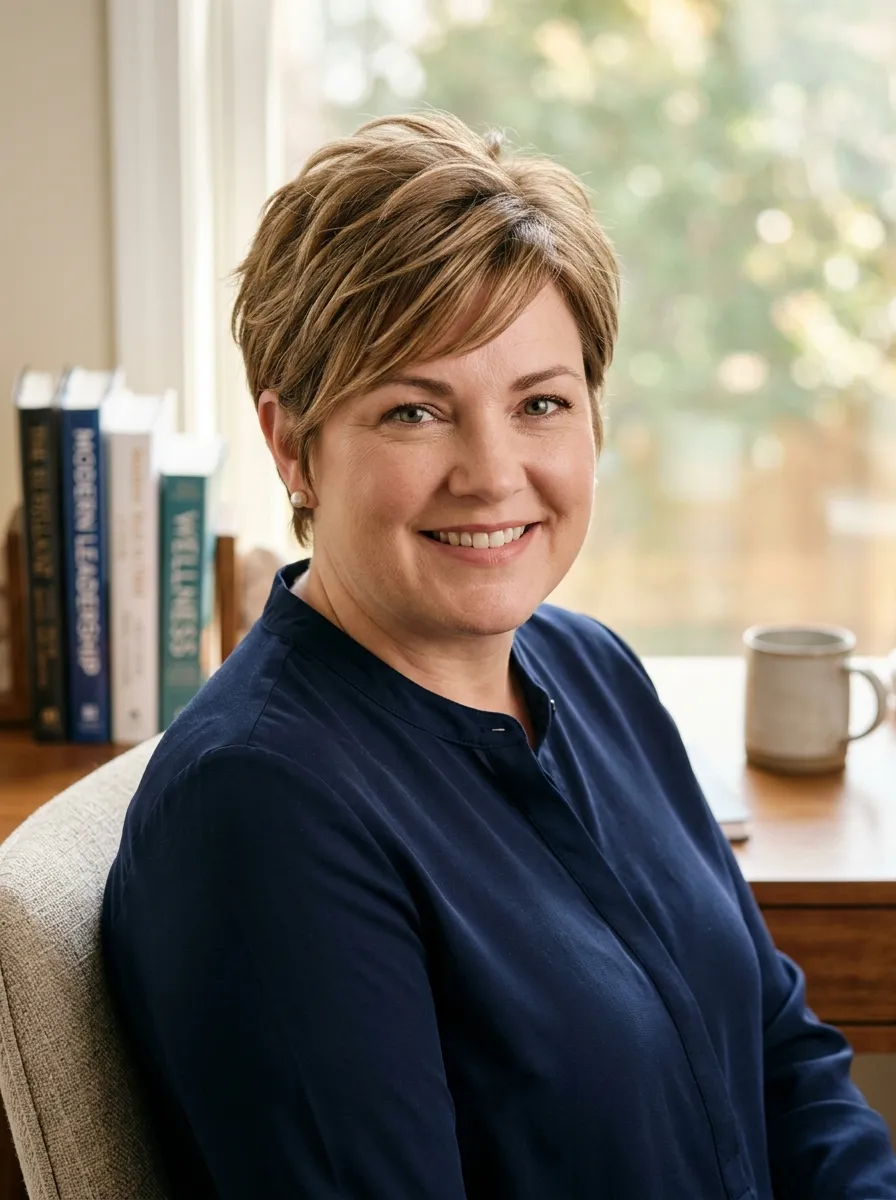
Fine hair can look full in the salon and then fall completely flat once you wash it at home. That is often when a short crop starts sitting close to the scalp, especially around the crown where there is little natural volume.
Keeping feathered pieces slightly longer through the top gives the hair more directions to move. Shorter sections around the sides keep the cut from becoming bulky, while the crown can be brushed upward or slightly backward for extra height.
When styling, avoid loading the roots with heavy creams or oils because they can flatten fine strands quickly. A light volumizing product followed by gentle root lifting is enough to encourage the crown upward without making the hair stiff.
20. Tousled Espresso Taper Cut
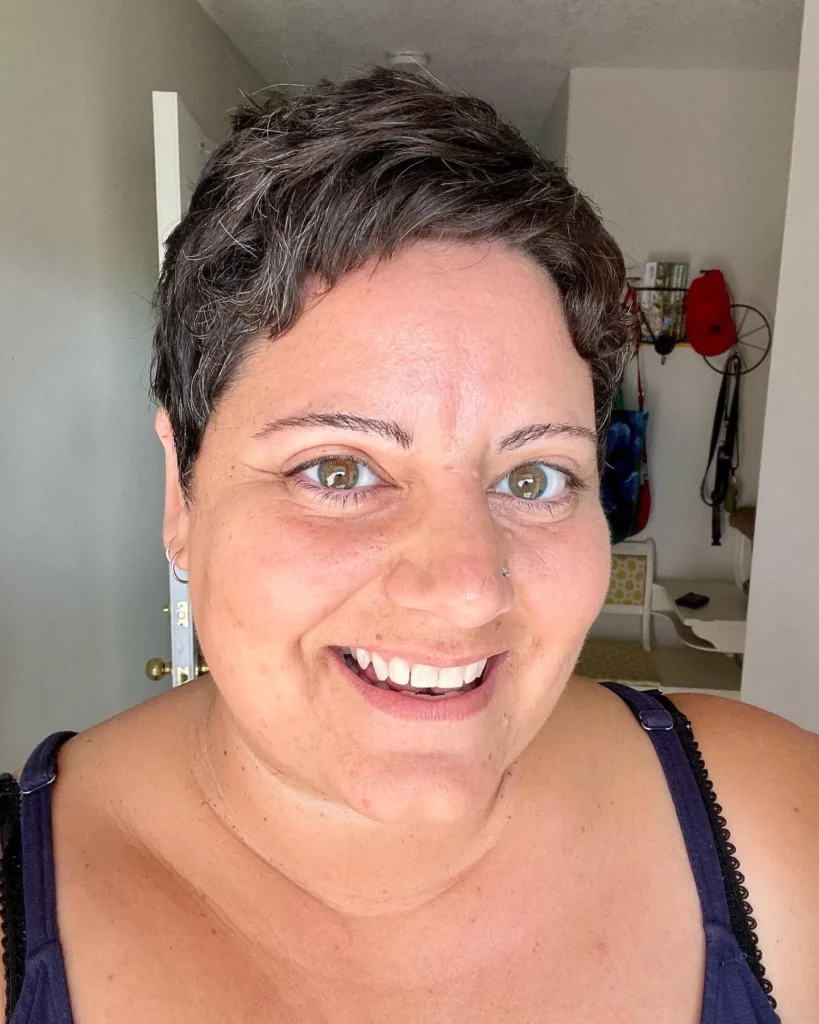
Source: coach_sophia
Short hair can be easy around the front and still become annoying at the nape. Thick or fast growing strands often start collecting underneath, making the back stick out while the top still seems too short to change.
A tapered cut removes some of that weight around the lower back while leaving enough length through the crown for a tousled finish. The deeper espresso shade also keeps the shorter sections visually connected instead of making every layer stand apart.
When styling, focus your product on the crown and upper sides rather than the nape. Scrunch or separate a few pieces with your fingers, then leave the shorter back section close to the head so it does not compete with the texture above.
21. Glossy Chestnut Side Bob
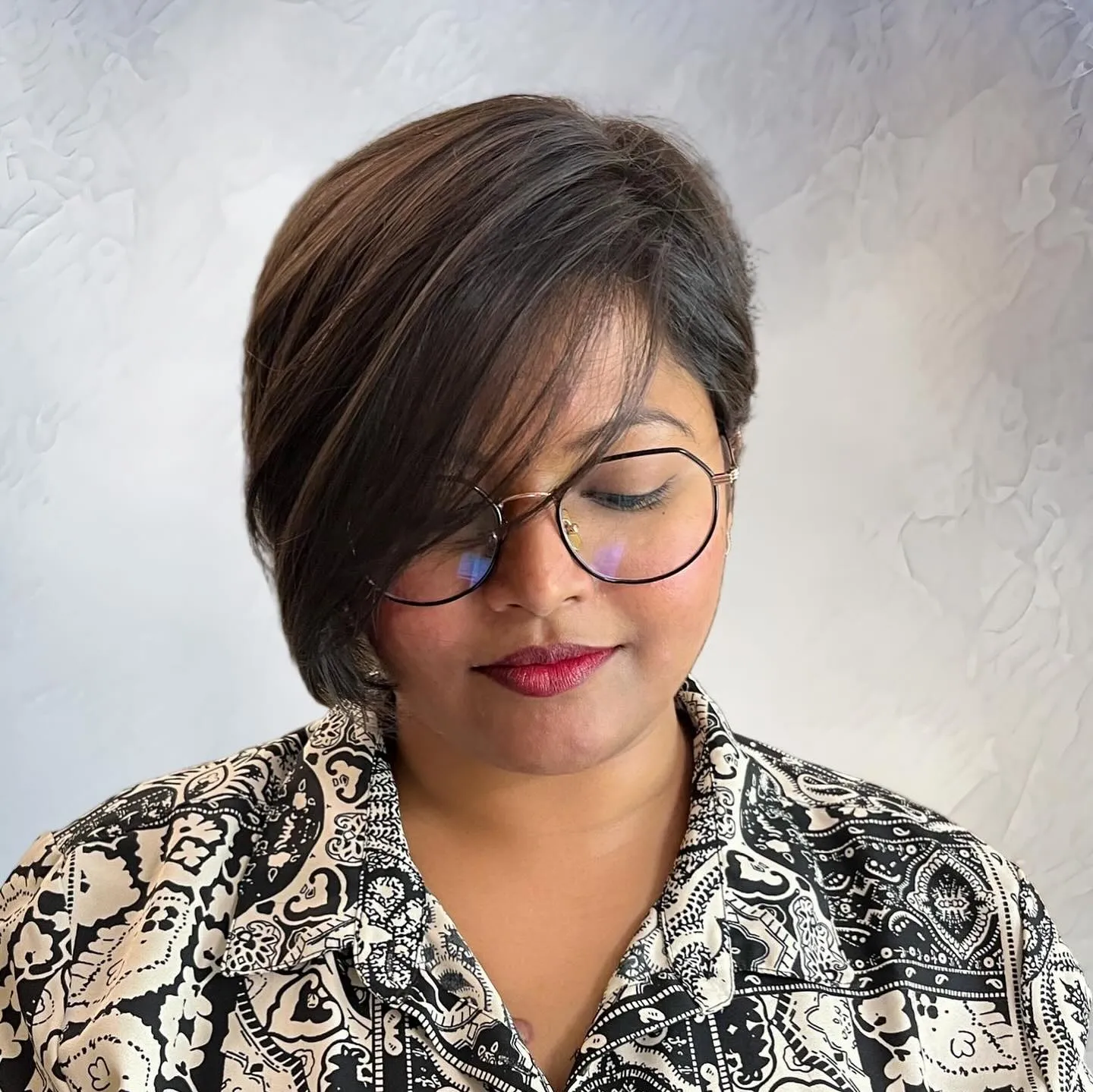
Source: rohit.popuphair
A side bob can be frustrating when the heavier section keeps falling across the face. Fine hair may collapse there quickly, while thicker strands can form a large section that hides the shape of the cut.
A defined side part shifts that weight away from the center and lets the longer section sweep toward one side. Keeping the opposite side slightly lighter helps the bob sit closer to the head without making both sides exactly the same.
Chestnut color works nicely when you want dimension without frequent dramatic changes. Keep the ends lightly curved rather than tightly curled, and use a lightweight smoothing product only through the lower lengths to preserve some lift at the roots.
22. Copper Curled French Bob
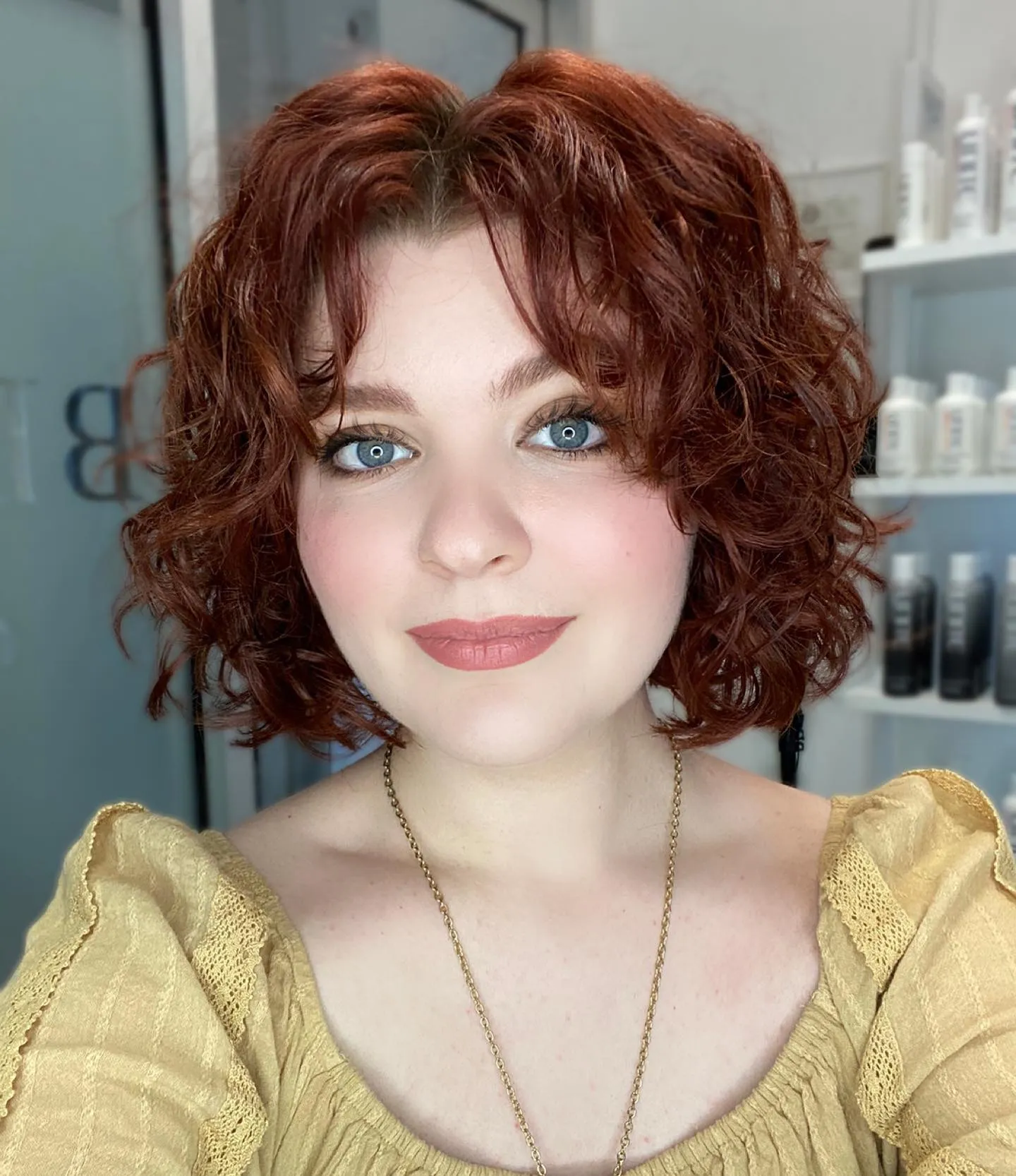
Source: beautyconamor
A short bob can behave differently once natural texture enters the picture. Waves may pull one side higher than the other, while curls can make the ends expand around the jaw instead of following the clean line you had in mind.
Keeping the bob close to the jaw while allowing a little extra room through the front lets the curls bend without becoming too wide. The copper shade brings warmth to the shorter length, while a softly curved perimeter keeps the ends from looking harsh.
For wavy or curly hair, avoid styling the whole head into identical curls. Work with the sections that naturally bend, then use a small amount of curl cream to separate them. Letting some strands move independently keeps the bob from looking overly controlled.
23. Honey Blonde Feathered Pixie
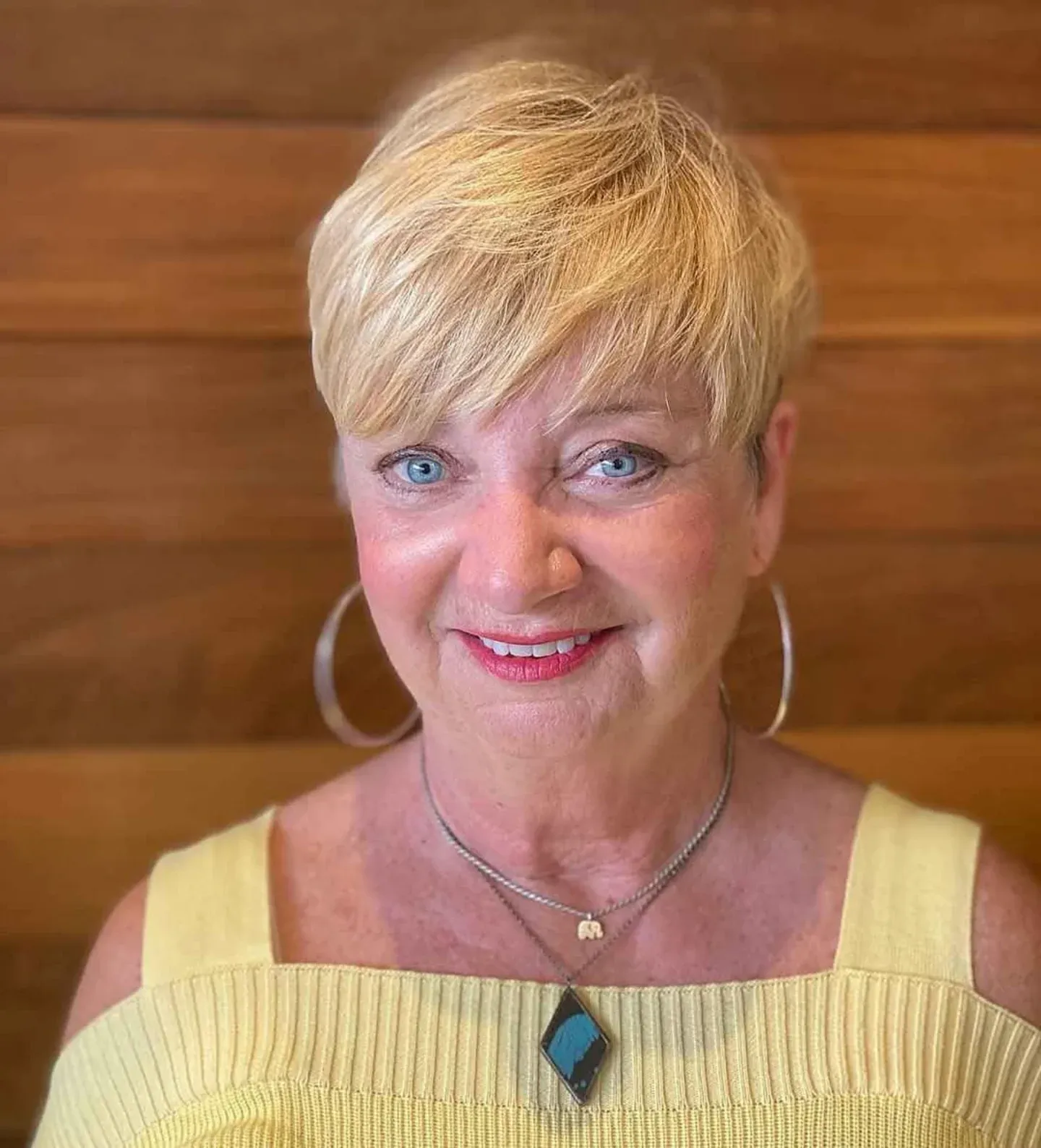
Source: nothingbutpixies
Fine hair can lose its lift quickly after a wash, especially when a short cut has too much weight sitting on top. Without enough separation through the crown, the strands can fall close to the scalp and make the style seem flatter than expected.
Keep the sides and nape shorter while leaving feathered pieces through the crown. Those longer sections can move upward and backward, while a warm honey blonde shade brings more dimension between the different lengths.
When styling, brush the crown in more than one direction instead of pressing everything backward. A small amount of lightweight product on the ends can separate the feathered pieces, while the front can sweep sideways when you want less height.
How to Choose Short Haircuts for Plus Size Women
Choosing the right cut becomes easier when you consider your actual hair needs.
- Fine hair: Keep some weight through the crown so the hair does not look flat.
- Thick hair: Remove weight from inside to prevent the sides from becoming bulky.
- Wavy hair: Leave enough length for the waves to settle after drying.
- Curly hair: Account for shrinkage before deciding how short to cut.
- Round face: Consider side parts, crown height, and angled front pieces.
- Heart shaped face: Side swept fringe and jaw length pieces can work well.
- Square face: Textured ends and softer layers can break up a straight perimeter.
- Low maintenance: Choose a cut that does not need daily reshaping.
- Frequent styling: Pixies, feathered crops, and textured bobs offer more styling directions.
Best Short Haircuts for Different Hair Types
Use your hair texture as a guide when choosing from the ideas above.
- Fine hair: Textured bixie, feathered crop, micro bob
- Thick hair: Rounded Italian bob, plum undercut bob, cherry cola wolf bob
- Wavy hair: Wavy chin shag, choppy side part bob, angled collarbone bob
- Curly hair: Layered curly pixie
- Straight hair: Jawline French bob, honey blonde micro bob, soft tapered pixie
A good cut should work with how your hair naturally behaves rather than requiring you to fight the texture every morning.
Short Haircuts for Different Face Shapes
Face shape can help you decide where to keep length and where to place texture.
- Round face: Try side parts, crown height, and angled front sections.
- Oval face: Bobs, pixies, crops, and layered cuts offer plenty of options.
- Heart shaped face: Try side swept fringe and pieces that reach toward the jaw.
- Square face: Consider softer edges, textured ends, and layered sections.
- Full cheeks: Avoid creating unnecessary width directly beside the cheeks.
- Soft jawline: Angled or tapered front sections can bring more definition around the lower face.
Remember that face shape is only one part of the decision. Your hair thickness, texture, growth pattern, and styling routine matter too.
How to Style and Maintain Short Hair
Short hair can save styling time, but some cuts still need regular care.
- Fine hair: Use lightweight products so the roots do not become flat.
- Thick hair: Focus weight reducing products or techniques where the hair feels bulky.
- Wavy hair: Apply styling product to damp hair and let the waves settle naturally.
- Curly hair: Use curl cream and avoid brushing through dry curls.
- Pixie cuts: Keep the neckline, ears, and crown shaped as the hair grows.
- Bobs: Watch the ends because small changes in length can affect the whole outline.
- Fringe: Trim it regularly if you want it to stay at the same length.
- Color treated hair: Use products made for colored hair and limit unnecessary heat.
- Busy mornings: Choose a cut that can be refreshed with your fingers instead of requiring a full restyle.
FAQs
1. What are the best short haircuts for plus size women?
2. Is short hair good for a round face?
3. What short haircut is best for thick hair?
4. What short haircut is best for fine hair?
Conclusion
Choosing a shorter hairstyle can be a simple way to refresh your appearance while making everyday styling more manageable. From textured pixies to flattering bobs and layered shags, these short haircuts for plus size women offer different ways to work with your hair type and features.
You do not need to follow one rule when choosing a cut. Save this post on Pinterest, pick one or two styles that speak to you, and discuss the details with your hairstylist. Share this article with someone searching for fresh haircut inspiration too. Your next great hairstyle may be one save away.