23 Trendy Hair Color Ideas for Black Women
Ever wanted to change your hair color but felt unsure which shade would suit you best? Maybe you want something bold, or perhaps you prefer a subtle change without constant salon visits.
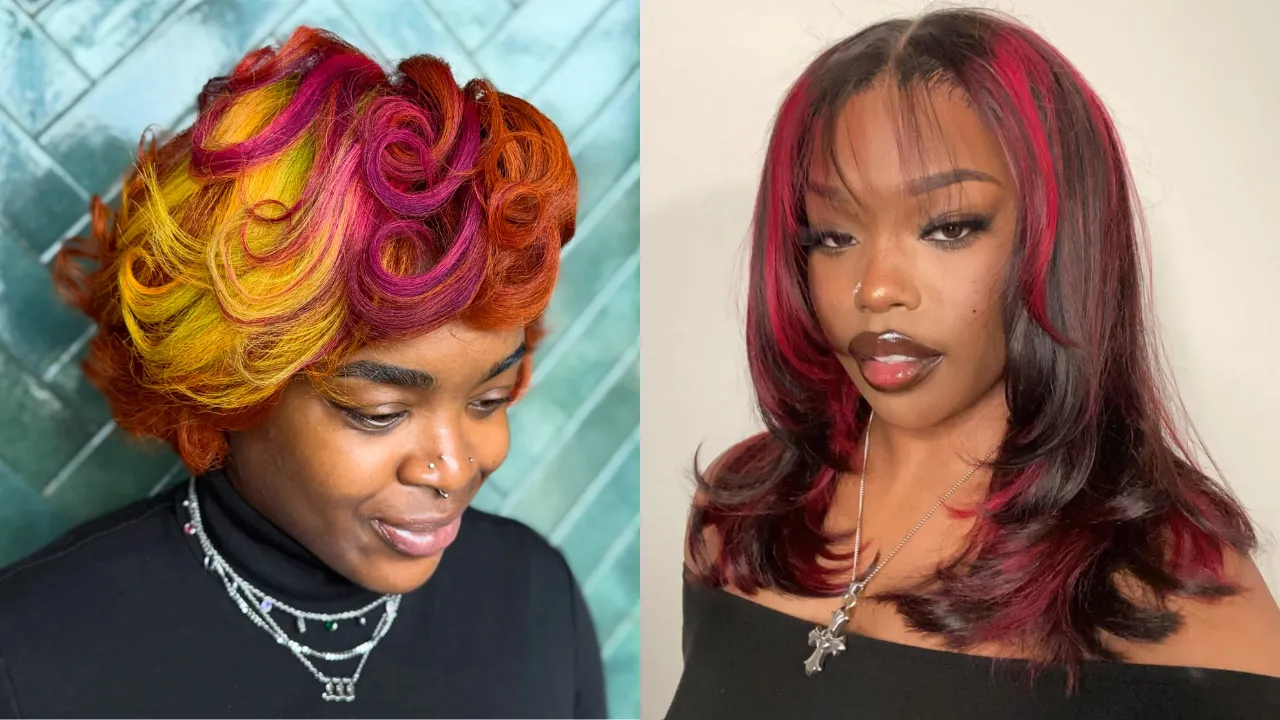
These hair color ideas for Black women bring together rich burgundy curls, fiery copper cuts, golden blonde accents, caramel balayage, and vibrant shades like teal and purple. Whether you wear a short pixie, a full afro, long waves, or locs, you can find inspiration that works with your hairstyle and personal taste.
Choosing a color is not just about picking a shade you love in a photo. Placement, hair texture, root growth, and maintenance all matter when deciding what to try. Face framing highlights can brighten dark hair, while deeper shades offer a noticeable change without always requiring dramatic lightening. Explore these ideas, save your favorites, and find a color worth discussing with your stylist.
1. Multicolor Swirled Copper Pixie
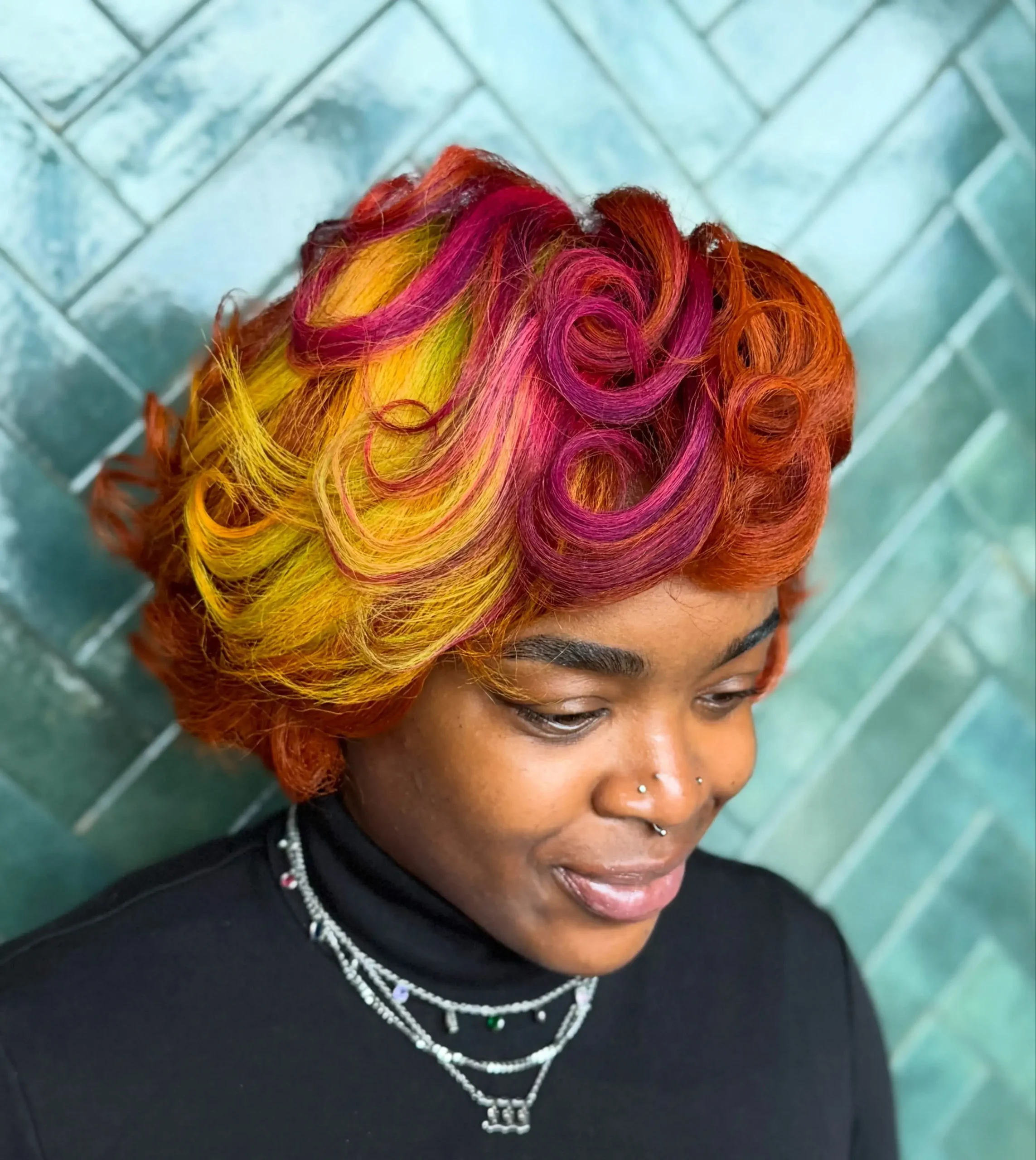
Bored with your usual hair color but not ready to grow your hair longer? This swirled copper pixie mixes warm orange, red, and golden tones across a short, sculpted cut. The curved color placement brings attention to the shape without needing extra length.
Rather than coloring every section the same shade, ask your stylist to blend the copper tones in distinct curved panels. This helps the colors show separately while still working together. Your starting hair color and condition will affect how bright the lighter sections can become.
Short hair can still make a bold statement, especially when the color follows the cut. Use a color safe shampoo and keep heat styling to a minimum to help preserve the warm tones. This is a striking choice for anyone who wants an artistic change without giving up a pixie.
Read More: 23 Stylish Short Braided Hairstyles for Black Women of All Ages
2. Fiery Auburn Layered Waves
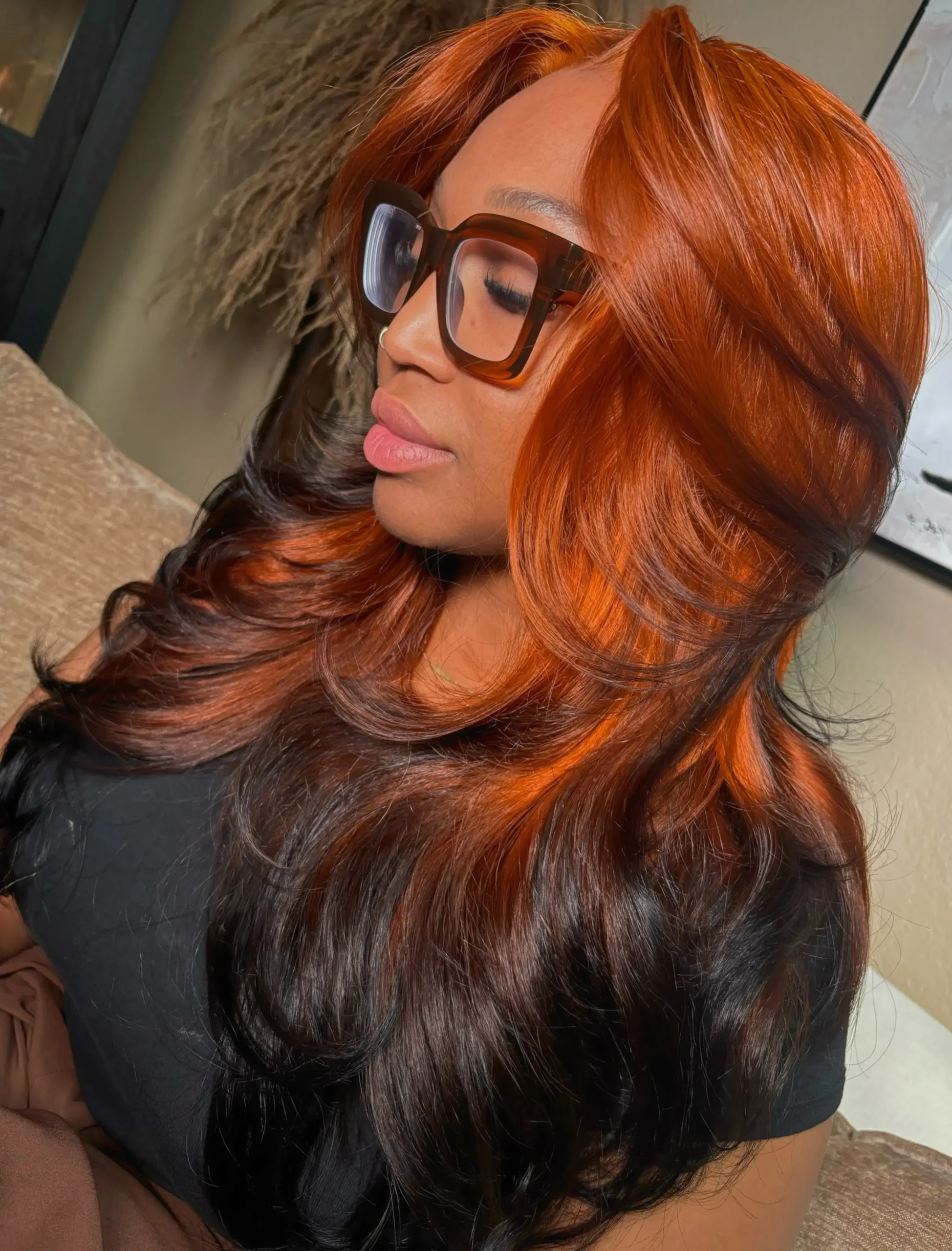
Keeping your length but craving a change that people will notice? Fiery auburn waves bring red and brown tones through flowing layers, warming up dark hair without requiring a dramatic cut. Brighter pieces catch the light as the waves move, while deeper tones keep the color rich.
Auburn comes in different levels of red and warmth, so choosing a shade that suits your complexion matters. A stylist can adjust the color based on your natural base and decide whether highlights or an all over tint will work better. Layers help the different tones show across the hair.
Wear the waves loose for everyday plans or shape them with a curling iron when you want more definition. Apply heat protection before using hot tools, and choose products made for color treated hair. Auburn is a useful starting point if you want red tones without going straight to a vivid shade.
Read More : 23 Short Natural Hairstyles That Make 4C Hair Pop
3. Burgundy Purple Teal Afro
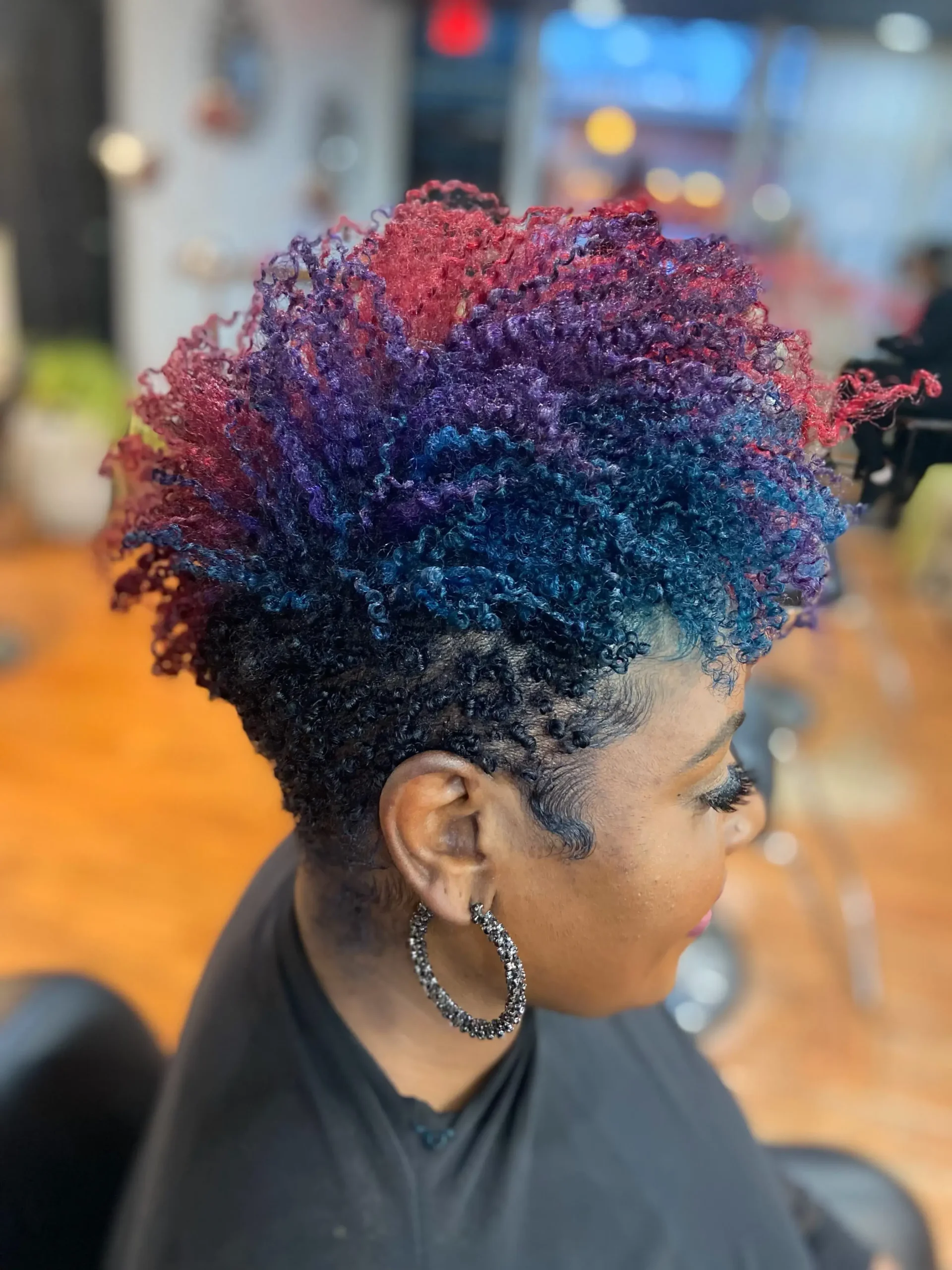
You want your curls to stand out, but changing their shape is not part of the plan. A multicolor afro combines burgundy, purple, and teal for a vivid mix against darker roots. Each shade brings a different quality, from deep wine tones to cool blue green accents.
Color placement is what keeps several shades from competing with one another. A colorist can place purple and burgundy through selected sections, then use teal as an accent. Because vivid colors often require lightening first, discuss your hair’s condition and plan the process carefully to protect your curl pattern.
Moisture matters when caring for colored curls, so use a gentle cleanser and a conditioner suited to your hair. Washing with cooler water can also help reduce color loss. If you enjoy expressive hair and do not mind extra upkeep, this multicolor afro turns your curls into the main feature.
Read More : 23 Short Hairstyles for Black Women for Easy Styling
4. Pink Front Streak Black Waves
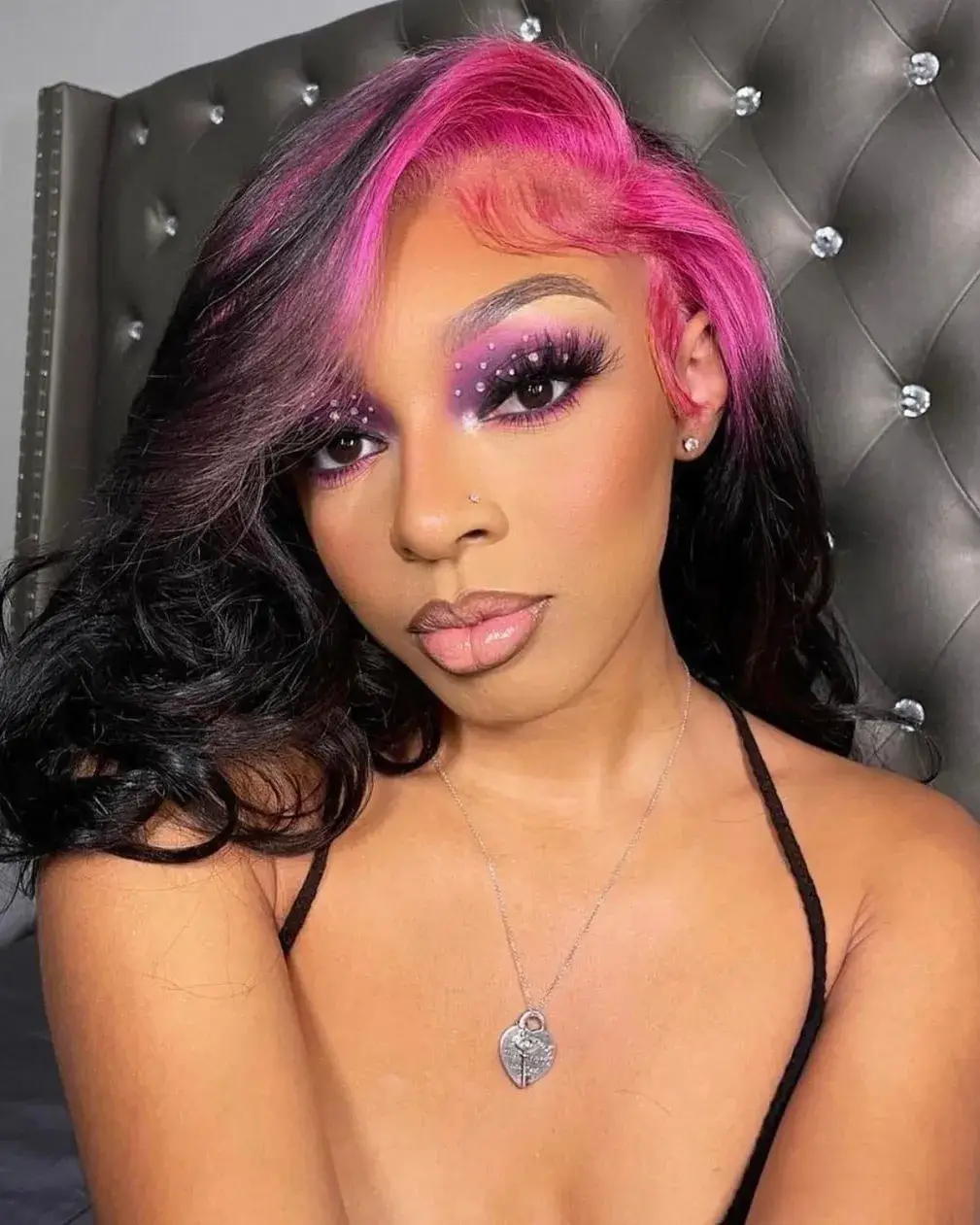
Want to try pink hair without committing to an entire head of bright color? A vivid pink streak around the front brings an instant change to dark, flowing waves. It draws attention to your face while leaving most of your hair in its familiar black shade.
The placement makes the difference here. Keeping the pink near the front allows it to stand out when your hair is worn down, tucked behind your ears, or swept to one side. Ask your colorist to choose a pink tone that works with your base and the level of brightness you want.
If you are nervous about changing your whole head, start with a single accent section. Keep the pink vibrant with color safe products and avoid frequent hot tool use. It is a playful way to experiment with bright hair color while keeping the rest of your style familiar.
Read More : 25 Homecoming Hairstyles for Black Women
5. Golden Blonde Sculpted Pixie
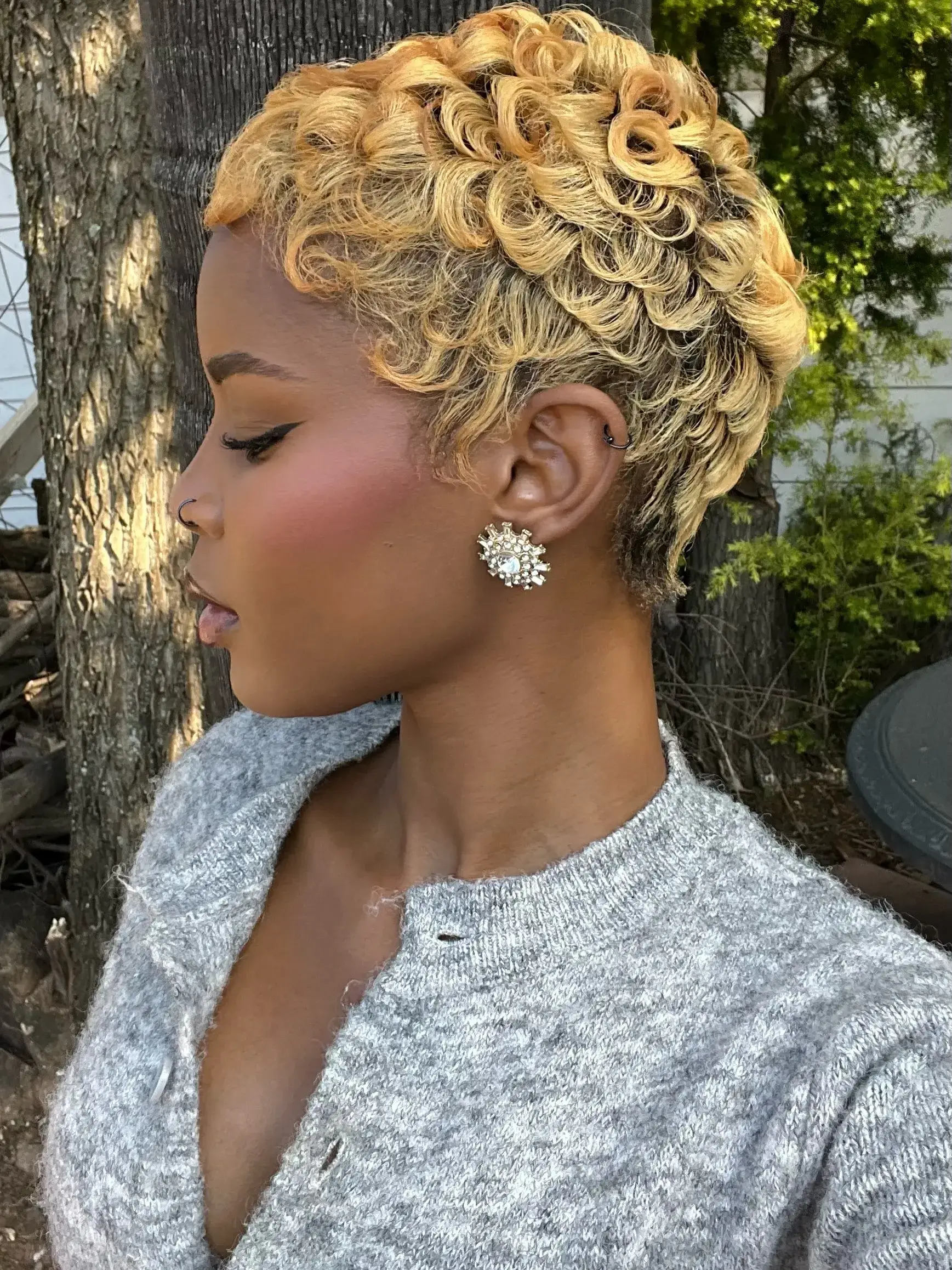
Short hair can feel limiting when you want a noticeable color change, especially if you think you need long layers to show dimension. A golden blonde pixie proves otherwise, using a warm, bright shade to highlight the shape of the cut and bring attention to the top.
Golden blonde can range from deep honey to a lighter buttery tone. Your stylist should consider your natural hair color and condition before choosing how light to go, since reaching blonde may require bleaching. Keeping the roots slightly deeper can also soften regrowth and make salon visits easier to plan.
A sculpted pixie benefits from regular trims to maintain its shape as the sides and back grow. Use a moisturizing product that does not weigh down the short layers, and protect the color from excess heat. If you want a confident change that puts the haircut first, this blonde crop has plenty of impact.
Read More : 24 Easy Natural Hairstyles for Black Women With Short Hair
6. Split Copper Black Bob
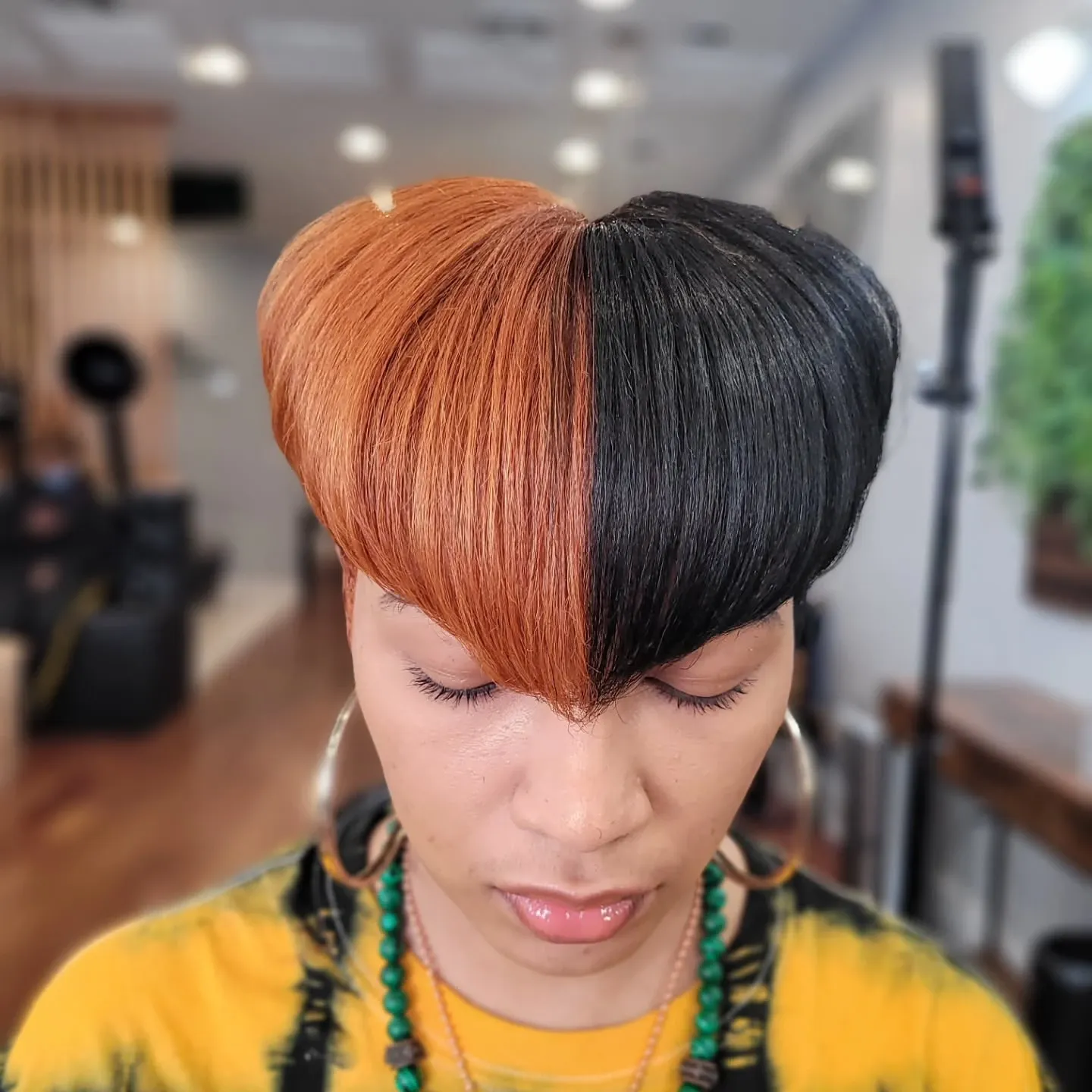
Choosing between keeping your dark hair and trying a warmer shade can leave you stuck in the middle. A split copper and black bob lets you have both, with two contrasting colors giving the haircut a bold, graphic finish. The sharp difference makes even a simple bob stand out.
For a balanced result, ask your stylist to discuss where the copper section should begin and how the parting will affect the split. Copper may need lightening to show clearly beside black hair, so the color plan should account for your hair’s current condition. A precise cut helps the two sides stay distinct.
Wear the bob straight to highlight the contrast, or add loose bends for more movement between the shades. Copper may fade faster than the darker section, so use color safe care and ask your stylist about refreshing the warm side separately. This combination suits anyone who wants two colors without giving up a dark base.
7. Burgundy Curly Bob
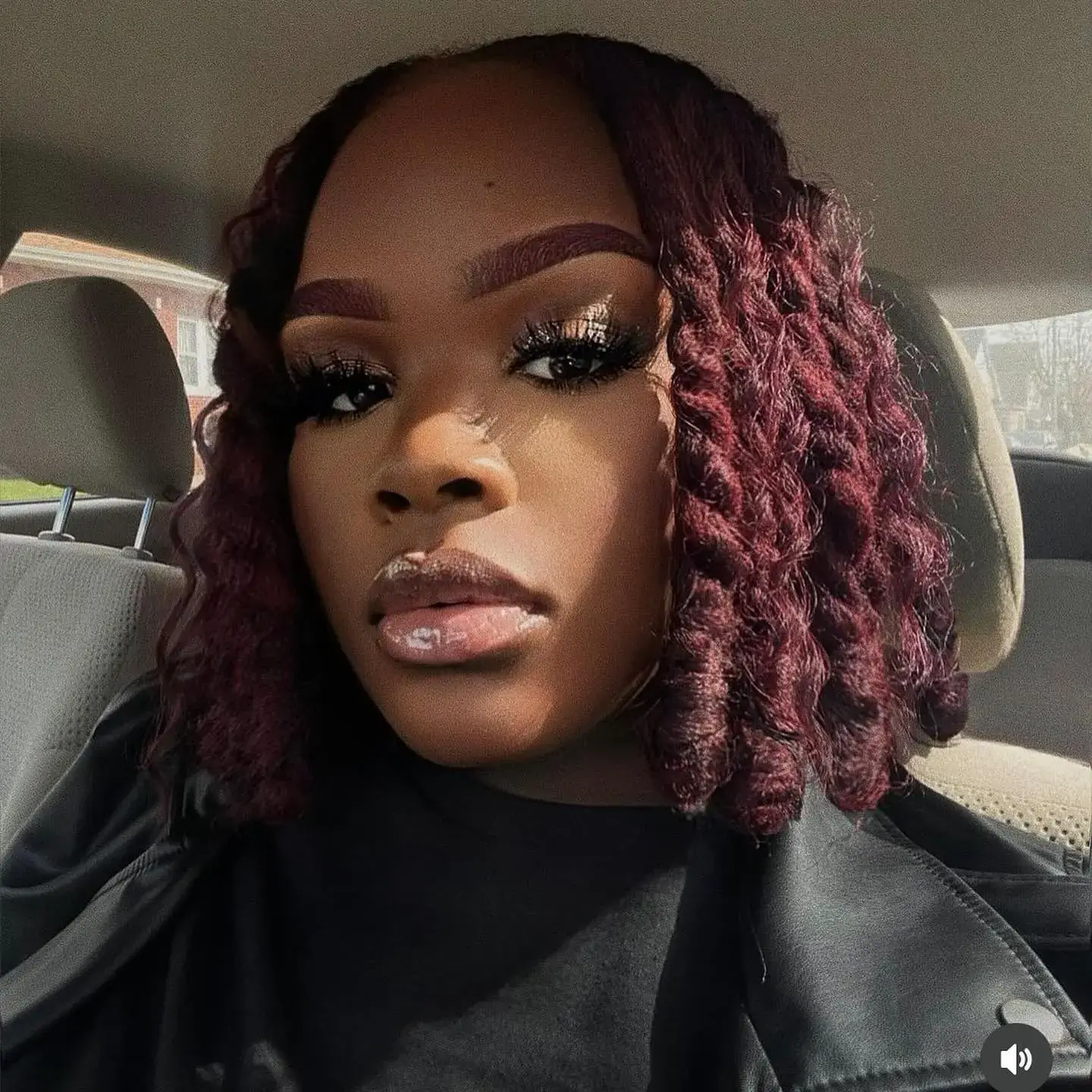
When you want a color change that works with your everyday wardrobe, burgundy is worth considering. On a curly bob, deep red and wine tones bring warmth to the curls without requiring a bright, all over color. The shorter length keeps the shade noticeable around the face.
Burgundy can lean toward purple, red, or brown, so ask your colorist to choose a tone that suits your starting hair color. Placing slightly deeper color near the roots can help the shade grow out more gently. Defined curls will also show the different tones as light moves across them.
For styling, use a curl cream that supports definition without leaving a heavy coating. Try not to wash too often, since frequent cleansing can dull red pigments. This bob suits anyone who wants a rich color with personality but prefers a deeper shade over neon brights.
8. Glossy Copper Rounded Bob
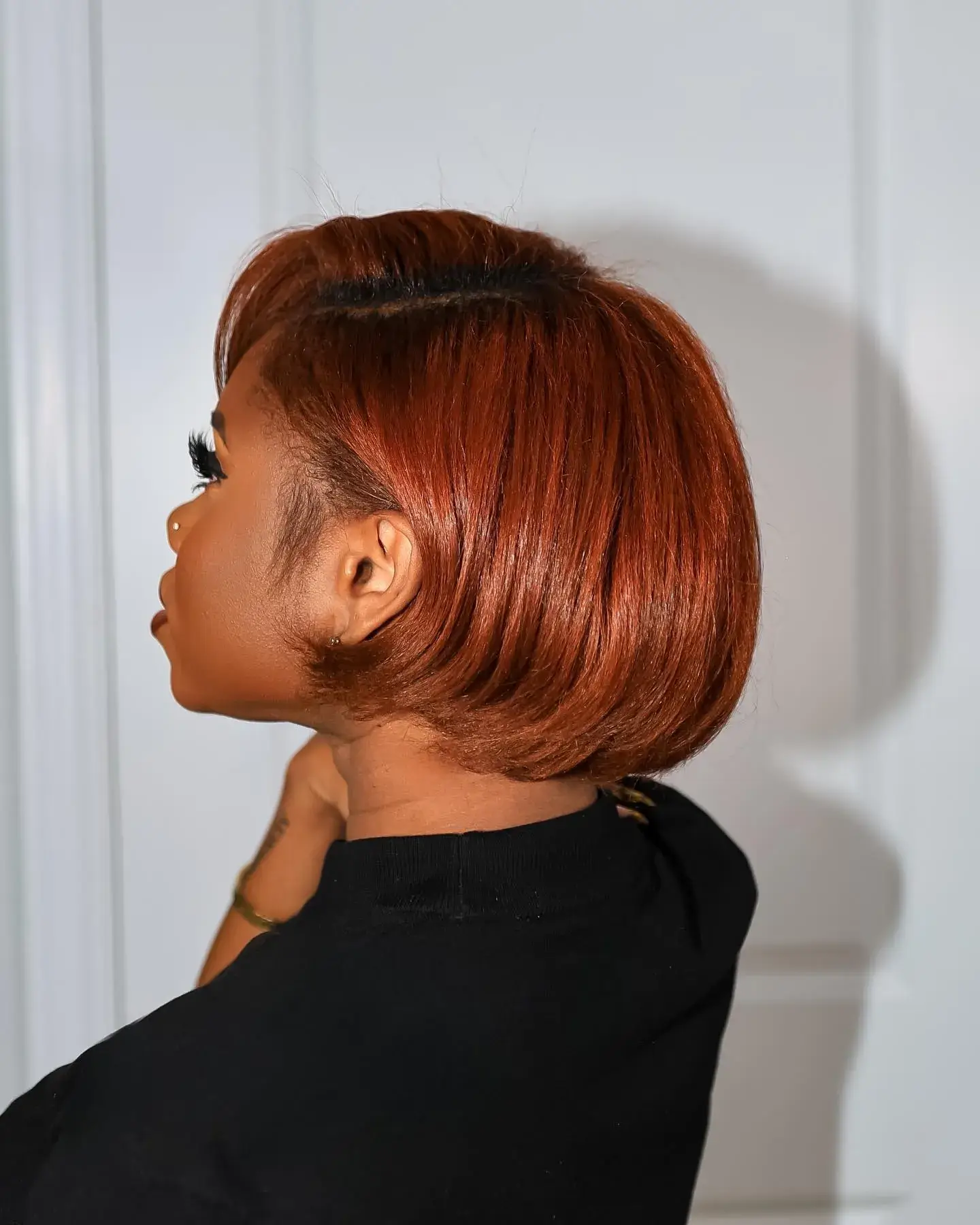
Your haircut may still suit you, but seeing the same dark shade every day can make you crave a change. A glossy copper bob brings a warmer finish to a rounded shape, with orange and red undertones that catch the light across the curved silhouette.
The smooth outline helps the color read clearly from the crown to the ends. Ask your stylist to select a copper shade based on your natural base, since some hair needs lightening before the warmth becomes visible. A gloss treatment may help enhance shine, although it cannot repair damage caused by chemical processing.
To maintain the rounded shape, schedule trims before the ends begin to lose their line. Use a heat protectant if you straighten your hair, and choose color safe products to help slow fading. Copper is a strong choice for anyone who wants a warm, noticeable change without adding several contrasting shades.
9. Vibrant Red Orange Bob
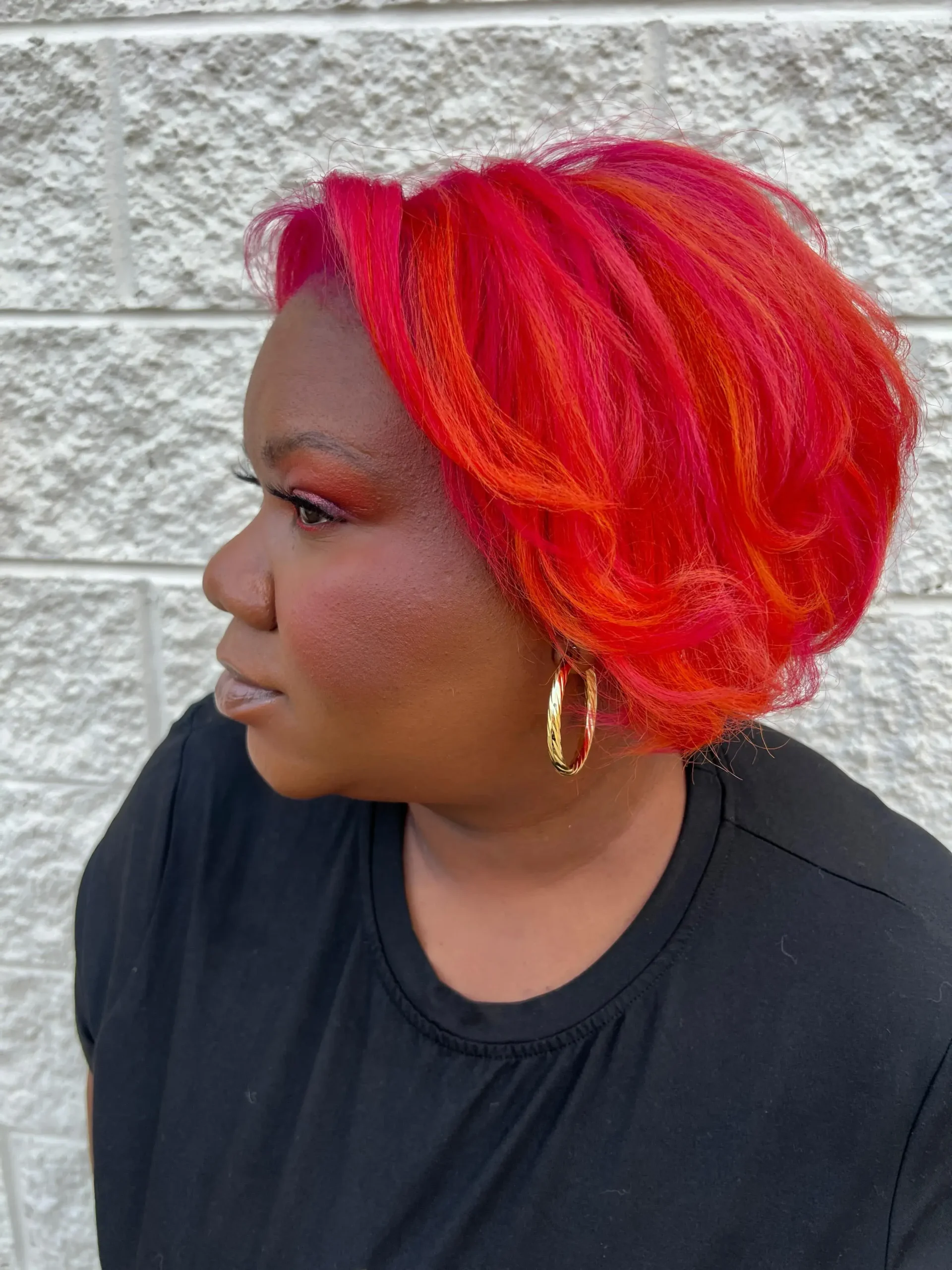
Got a special event coming up, or simply want a color that stands out in photos? A vivid red orange bob brings the drama through color alone, combining fiery red with bright orange tones that make the short shape hard to miss.
The shade can be adjusted from deep flame red to a brighter orange red, depending on your preference and starting color. Since vivid pigments may fade quickly, ask your colorist about the upkeep before choosing the brightest version. A strand test can also help show how your hair responds to lightening.
Keep styling simple so the color remains the focus. Wash with color safe products and reduce heat when possible to help preserve brightness. If you enjoy expressive shades and are comfortable refreshing them regularly, this bob is a confident way to step away from traditional brown and black tones.
10. Plum Magenta Textured Pixie
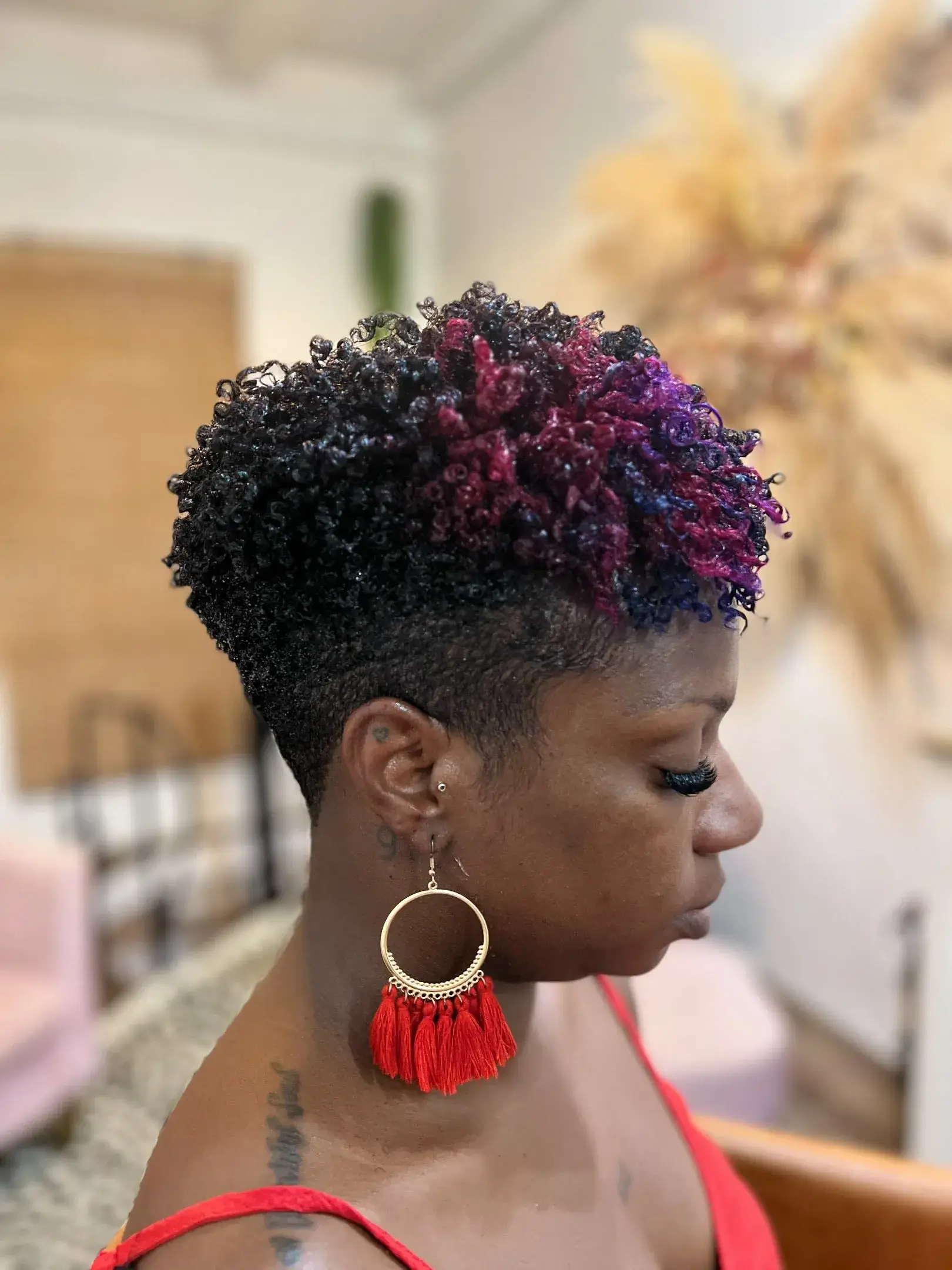
If red has never quite felt like your color, try moving toward purple with a pop of pink. Plum magenta combines deep violet tones with vivid pink across a textured pixie. The short layers help the shades show separately, giving the cut more visual interest.
Ask your stylist to balance the plum and magenta tones so the brighter pink does not overpower the deeper purple. Your natural base will affect how vivid the color becomes, and prelightening may be needed. Keeping the cut textured also helps the different shades show across the top.
A small amount of styling cream can define the short layers without making them stiff. Since pink and purple pigments can fade at different rates, use color safe products and ask about refreshing the shade. This is a bold choice for anyone who wants a short haircut with an artistic edge.
11. Teal Highlighted Curly Bob
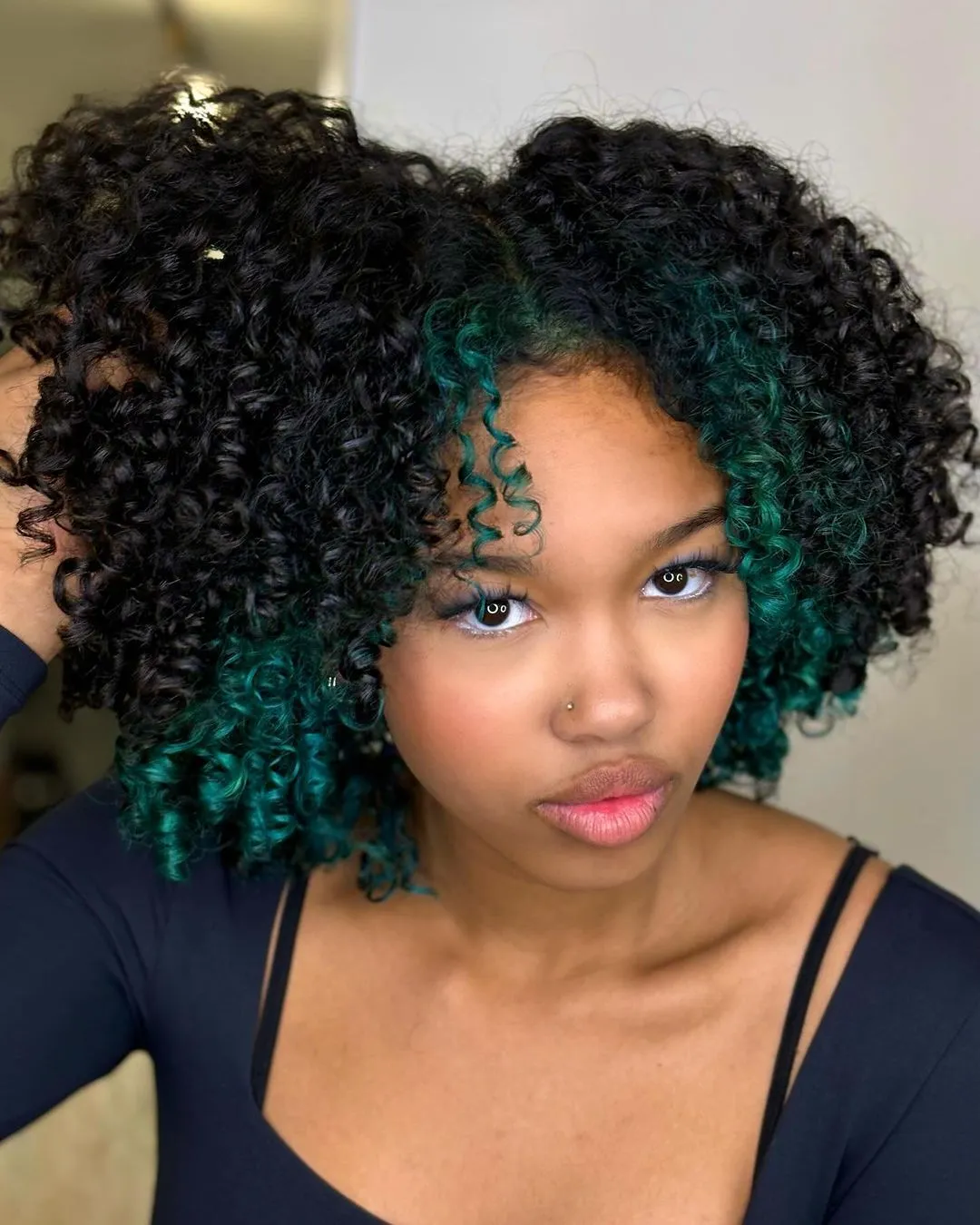
You love colorful hair saved on Pinterest, but maintaining a full head of bright dye sounds like too much work. Teal highlights offer a middle ground, placing cool blue green accents among dark curls. The contrast makes each highlighted section stand out while keeping the deeper base visible.
Teal can shift toward blue or green depending on the formula and the underlying color. A stylist can help choose the right tone and place the highlights where they will show best through your curl pattern. If your hair needs lightening, discuss its condition first because repeated chemical processing can affect curl definition.
To keep the curls defined, use a moisturizing leave in product that suits your hair texture. Try to limit frequent washing and protect the color from excessive heat. Teal accents are a fun choice when you want something less expected than caramel or blonde, without covering every strand in vivid dye.
12. Cherry Red Framing Layers
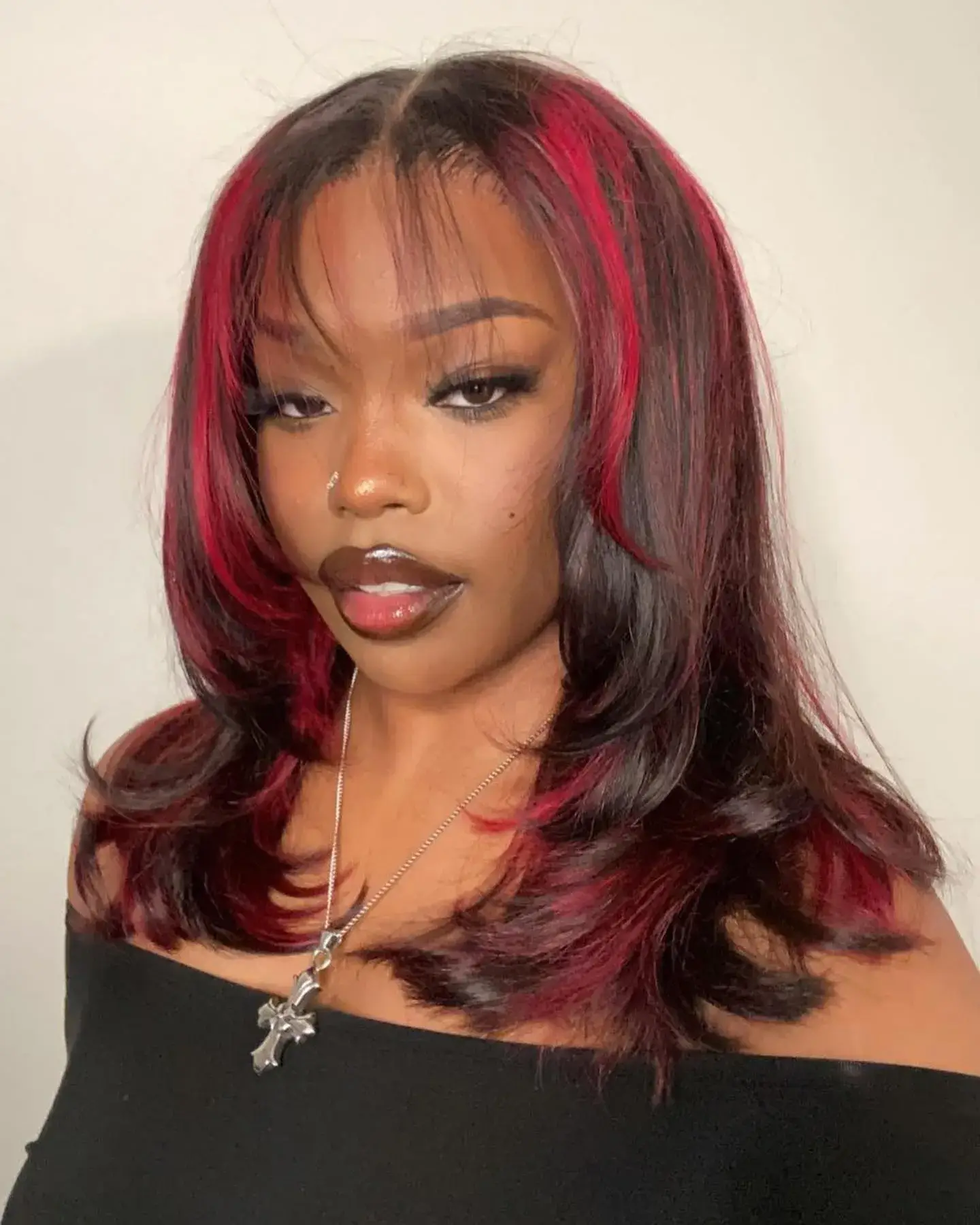
Dark hair can start to feel familiar when you wear it the same way every day, especially if you are not ready for a complete color change. Cherry red framing layers bring bright red tones around the face, drawing attention to the front while leaving the rest of the hair darker.
The placement is what makes this color especially wearable. Red sections near the face can stand out when the hair is worn loose, tucked behind the ears, or styled with a side part. Ask your colorist to choose the intensity based on your base shade and how much contrast you want.
For a softer transition, the red can be blended into nearby layers rather than ending in a sharp line. Keep in mind that red pigments often need refreshing to maintain their brightness. This option suits anyone who wants a visible change around the face without committing to an all over red shade.
13. Black Waves With Auburn Highlights
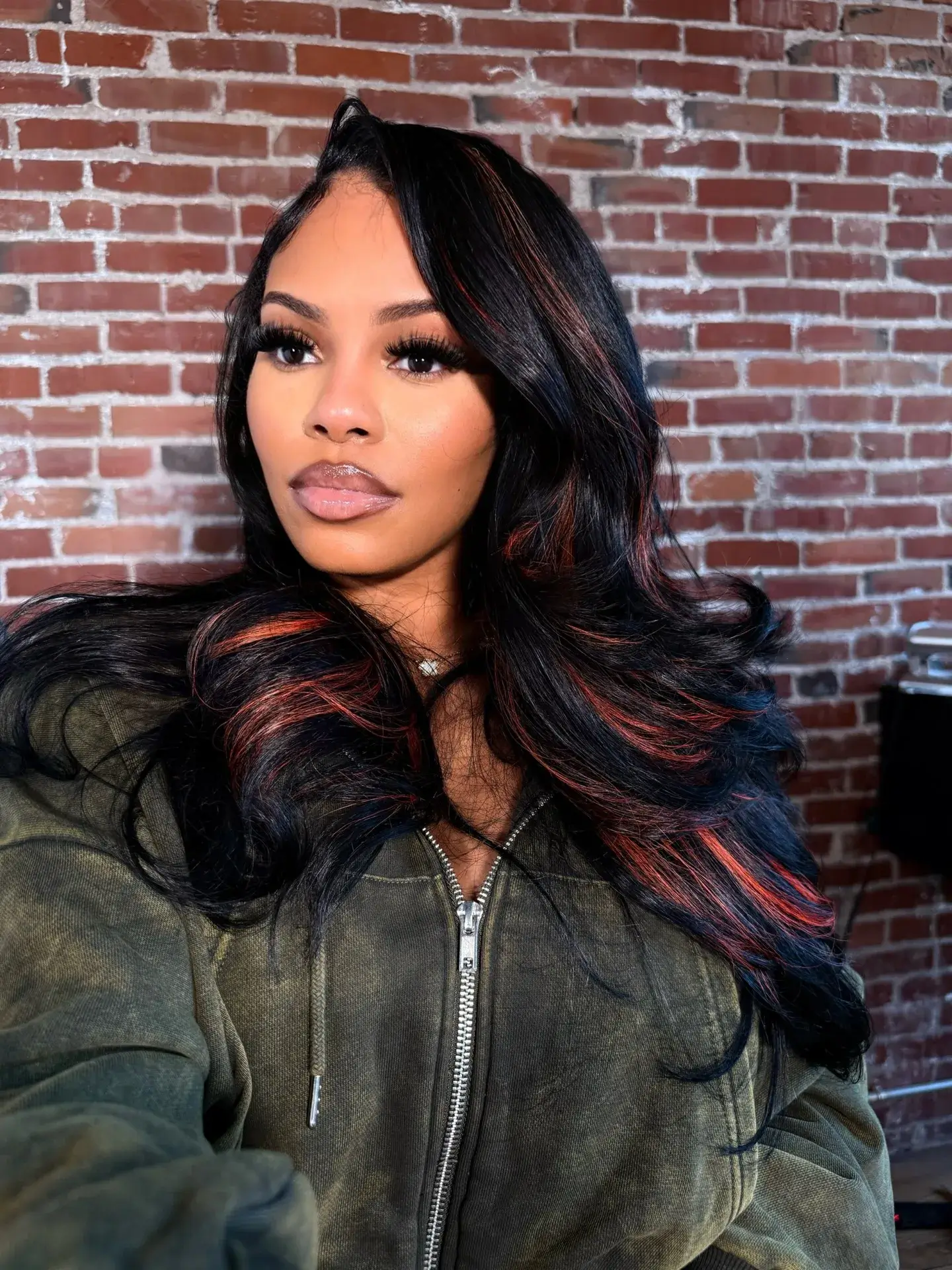
You want to keep your black hair, but in bright sunlight it can seem to have just one tone. Auburn highlights introduce reddish brown ribbons through flowing waves, giving dark hair more dimension without replacing the base color you already enjoy.
The placement matters more than the number of highlights. Ask your stylist to concentrate a few lighter pieces around the mid lengths and ends, with some near the face for extra brightness. On black hair, achieving visible auburn tones may require careful lightening, so discuss the condition of your strands before starting.
Loose waves help the warm ribbons catch the light from different angles. Use a heat protectant before curling and choose color safe products to preserve the shade. For anyone who wants a subtle change rather than a full dye job, this combination keeps the depth of black hair while introducing a warmer finish.
14. Auburn Blonde Split Pixie
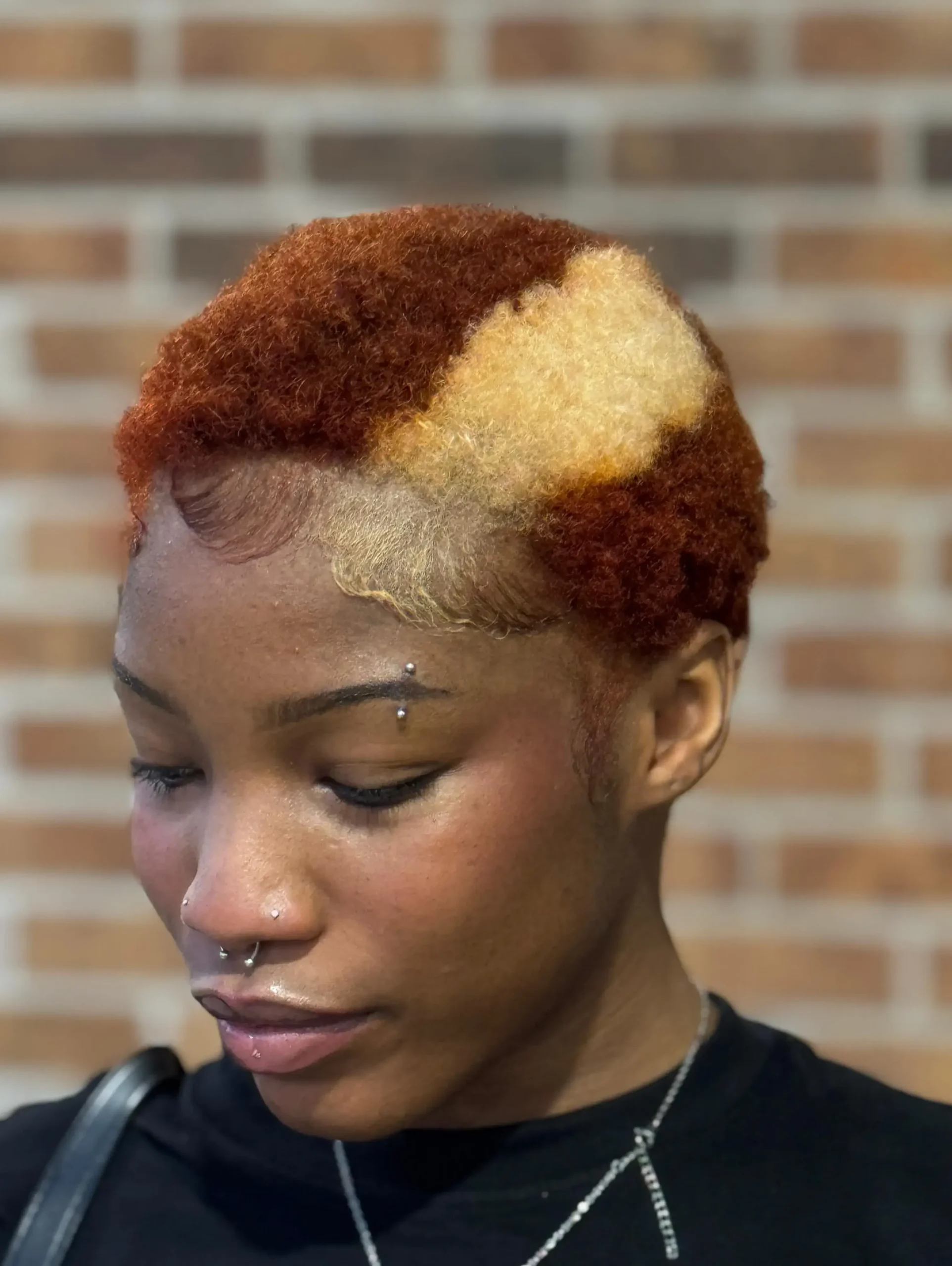
Cannot decide between a warm red shade and blonde? You do not have to choose just one. This split pixie pairs auburn with a lighter blonde section for a high contrast finish. The short cut keeps the color placement clear and makes the difference between the shades part of the design.
Ask your stylist to plan the color sections around the direction of the cut and your preferred parting. Blonde may need more lightening than auburn, so your hair’s condition should guide the process. Keeping the colors separated can help each shade stand out instead of blending into a muddy mix.
The pixie works well with minimal styling because the color contrast already draws attention. Use a product suited to short hair to define the top without weighing it down. If you enjoy switching between warm and light tones, this two color cut offers a confident change without needing long hair.
15. Golden Brown Voluminous Curls
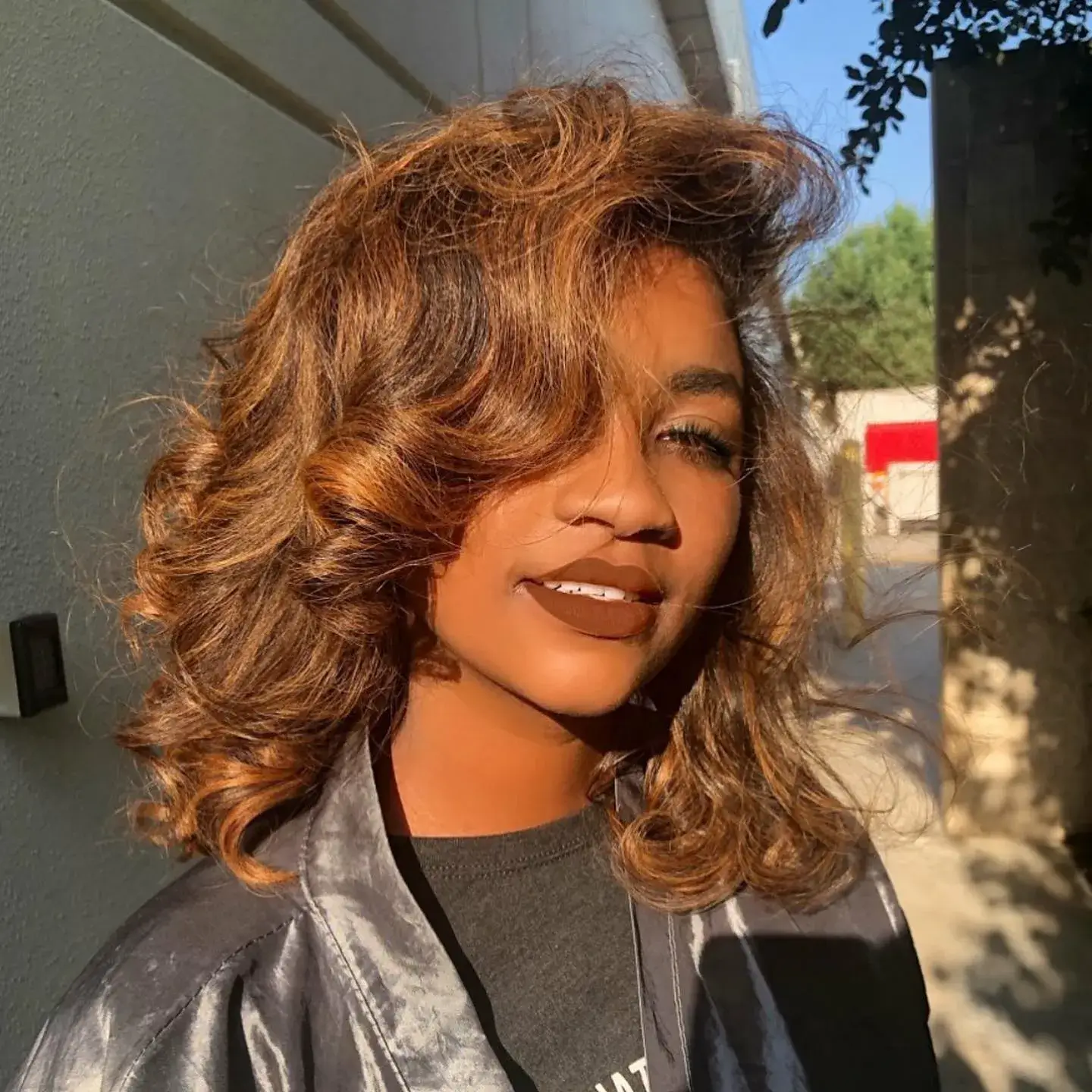
Your curls already have volume, but you want their shape to stand out more in photos. Golden brown can bring extra warmth without relying on an extremely bright shade. Golden tones catch the light across the curls, while deeper brown keeps the color rich and grounded.
A mix of brown and golden highlights can help show the shape of the curls more clearly than one flat shade. Your stylist can place lighter pieces where your curls naturally catch the light, while leaving darker sections for depth. This approach may also mean less lightening than choosing an all over pale blonde.
Keep your curl routine focused on moisture and definition, since chemical color can leave textured hair feeling drier. Choose a conditioner suited to your hair and avoid rough towel drying. Golden brown is a useful choice if you want warmth and dimension while keeping your curls as the main feature.
16. Glossy Mahogany Curly Bob
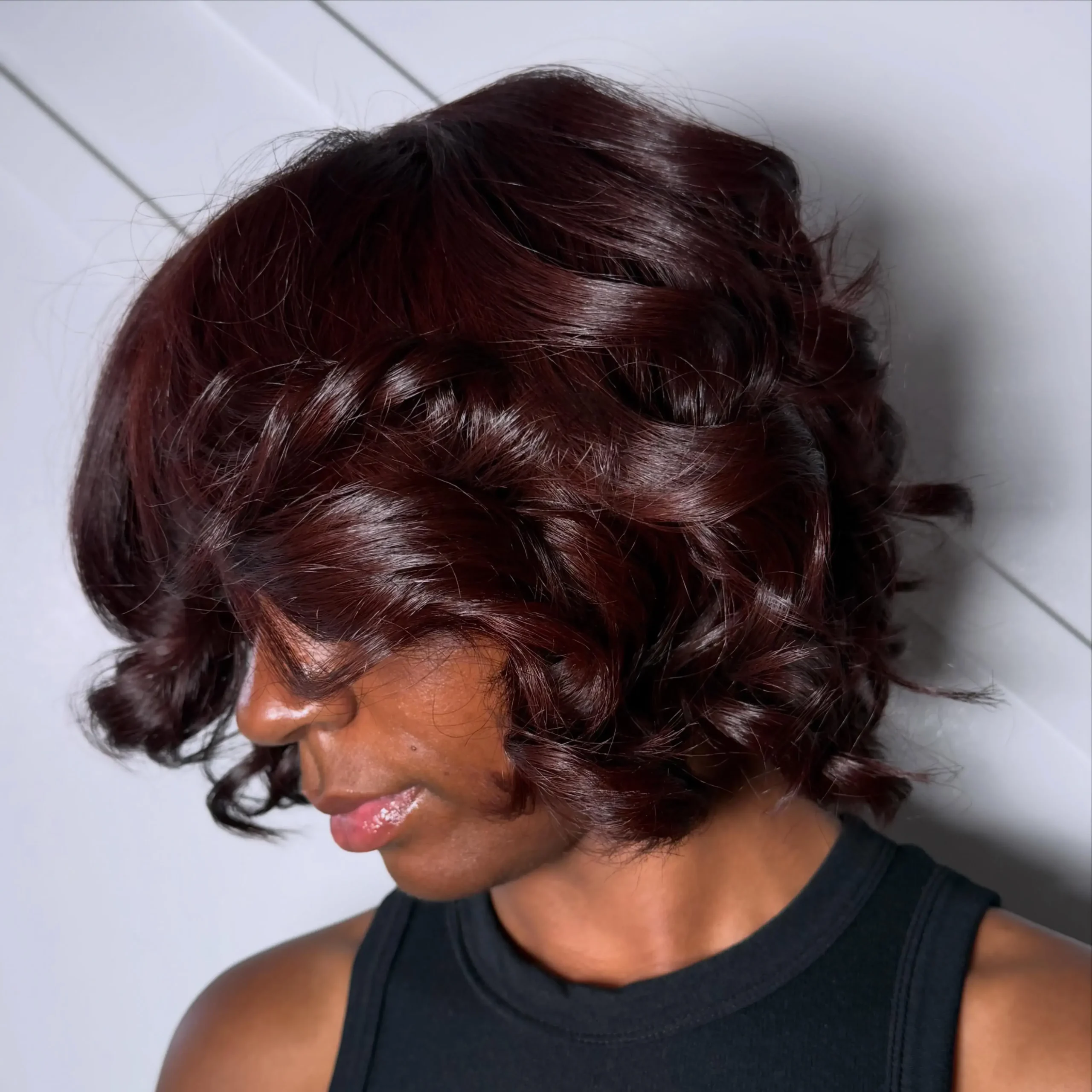
Bright red may appeal to you in pictures, but you might prefer something deeper once you consider your everyday wardrobe and routine. Mahogany offers a rich mix of brown and red, bringing warmth to a curly bob without the intensity of vivid cherry or orange shades.
The rounded bob allows the reddish tones to show across the curls, especially where light catches the surface. Ask your stylist for a mahogany formula that suits your natural base, since the same shade can appear deeper or brighter depending on your starting color. A gloss service may help boost shine between color appointments.
For styling, use a curl defining cream and avoid brushing dry curls if you want to keep their shape. Color safe cleansing products can help maintain the red brown tones for longer. Mahogany suits anyone who wants a noticeable color change that still feels grounded and wearable.
17. Blonde Money Piece Black Layers
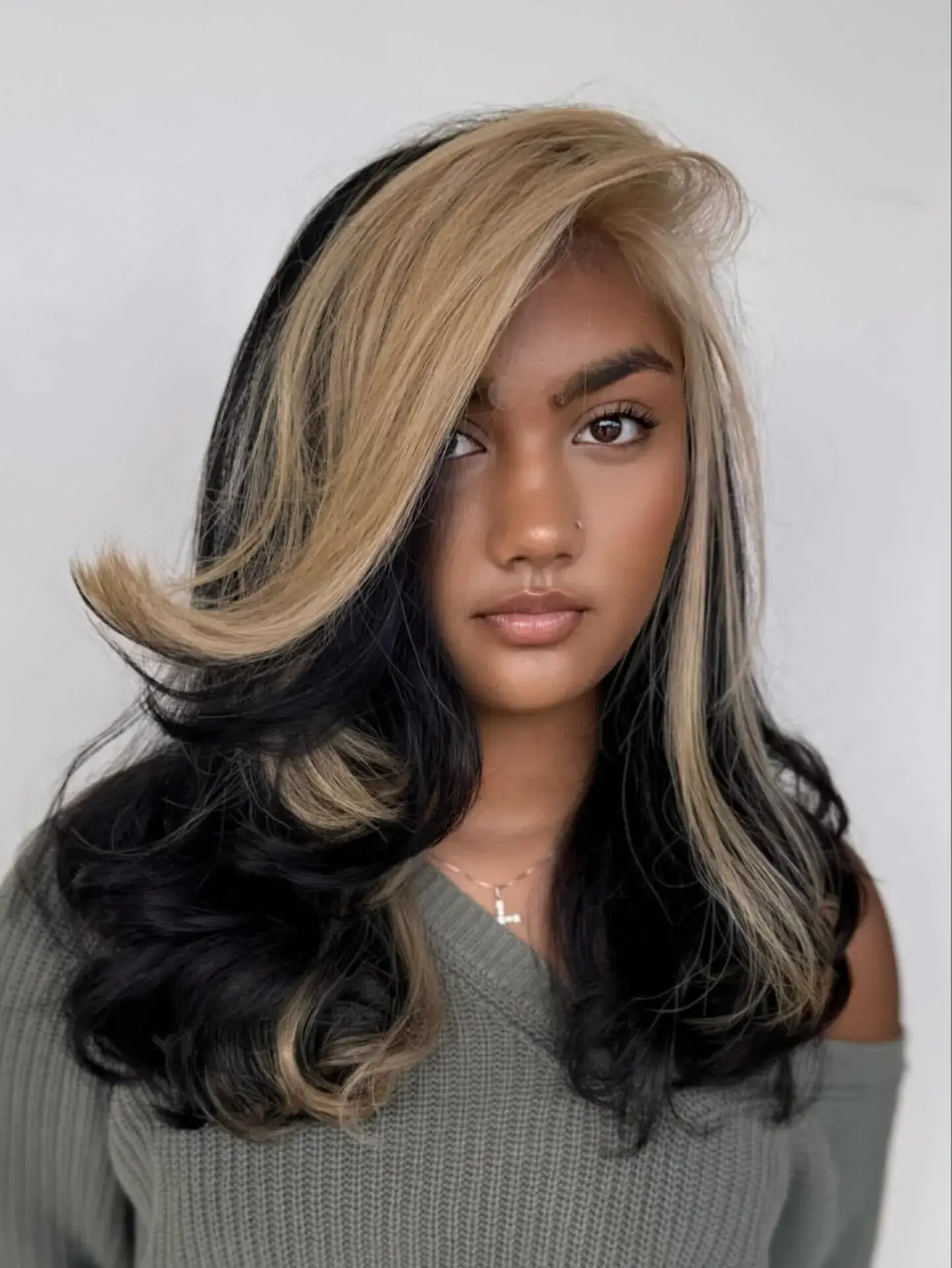
Ever taken a photo and noticed that your dark hair blends into one shade around your face? Blonde money pieces solve that by placing lighter sections at the front, framing the face while the rest of the hair stays dark. Paired with layers, the contrast brings attention to both your features and the movement through your hair.
The front sections can be warm honey blonde, golden beige, or a brighter neutral blonde. A colorist can help select a tone that works with your base and decide how thick the lighter pieces should be. Because the front is highly visible, careful placement and even lightening matter more than simply choosing the lightest shade.
Style the layers with a round brush or loose waves to show how the blonde blends into the darker lengths. Keep the lightened sections conditioned and use heat protection when styling. This color idea suits anyone who wants a visible update without dyeing the entire head.
18. Caramel Balayage Shoulder Bob
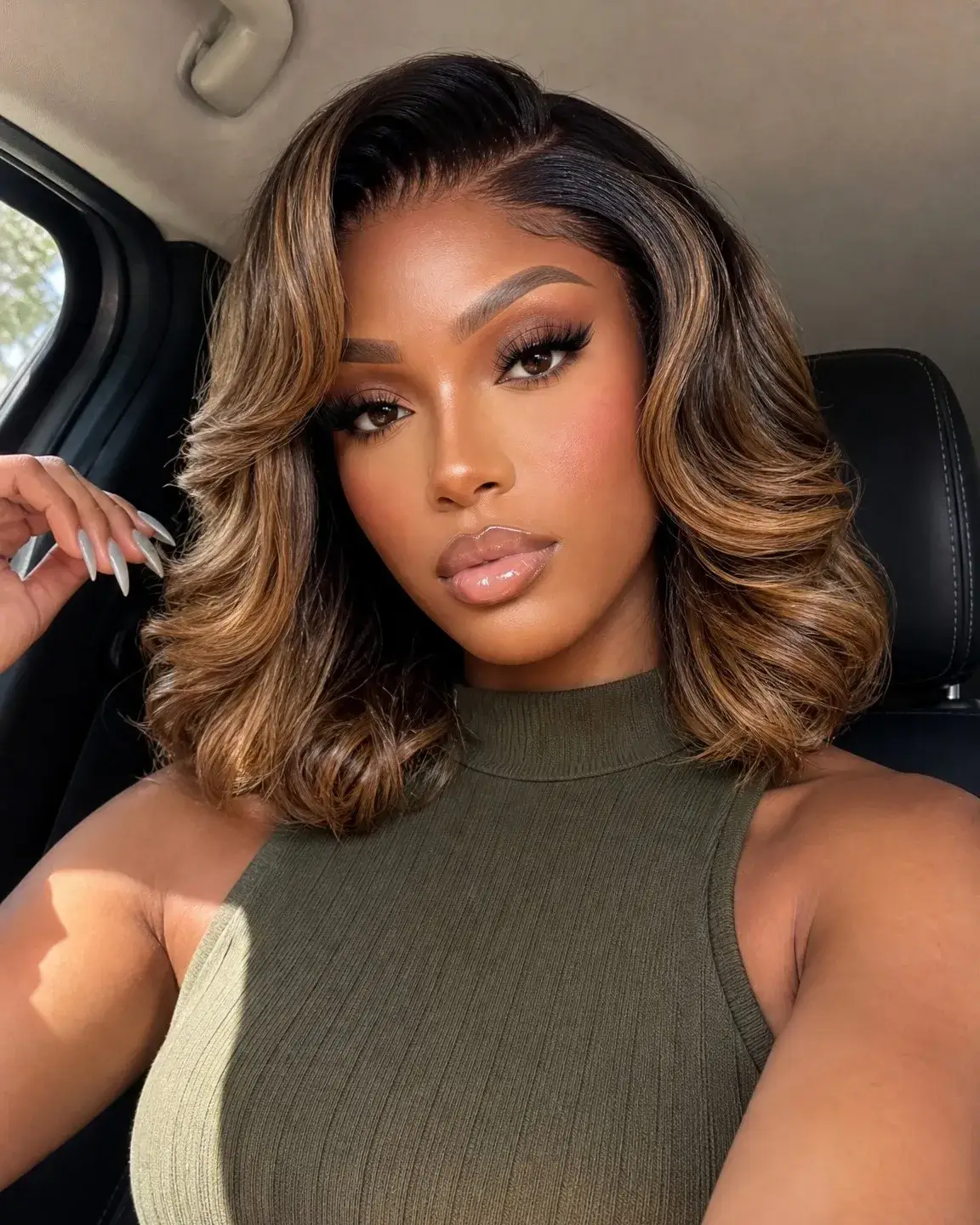
You want lighter hair, but you do not want to rush to the salon every time your roots grow in. Caramel balayage blends warm highlights into a shoulder length bob while leaving a darker base. The gradual transition makes regrowth less obvious than a solid, all over color.
Balayage placement can be adjusted to suit your haircut and how much brightness you want near your face. Ask for a gradual transition from the darker roots into caramel through the mid lengths and ends. A skilled colorist can keep the lighter sections balanced so they complement the bob rather than looking like separate stripes.
Loose bends show off the different shades, while a straight finish makes the gradual color transition easier to see. Use color safe products and protect the ends from excess heat. For anyone seeking warmth with less obvious root regrowth, caramel balayage offers a practical alternative to frequent all over coloring.
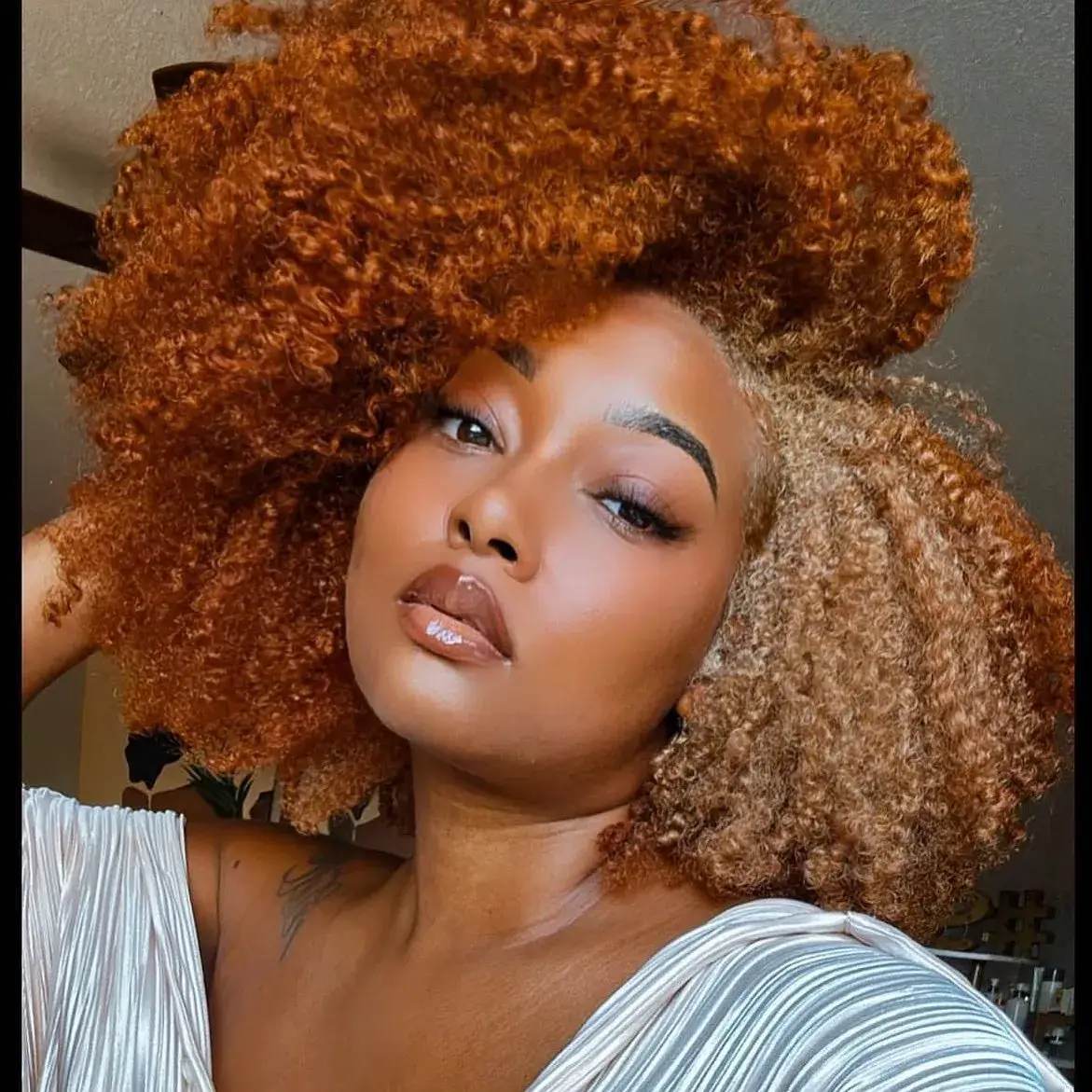
19. Copper Blonde Voluminous Afro
rockinitnatural
You want your afro to stand out, but changing its shape is not part of the plan. Copper and blonde tones bring brightness to the rounded curls, while deeper roots keep the color connected to your natural base. The mix highlights the volume without relying on a new cut.
Ask your colorist to place the lighter copper blonde tones across selected curls instead of lifting every strand to the same level. This can help preserve some depth and make the color variation easier to see. Before lightening, discuss your curl condition and choose a process that limits unnecessary chemical stress.
Keep your wash routine gentle and use a moisturizing conditioner to support your curls after coloring. A little leave in product can help maintain definition without weighing down the afro. If you want a color change that highlights your natural volume, this warm combination brings attention to every curve.
20. Orange Pink Spiky Pixie
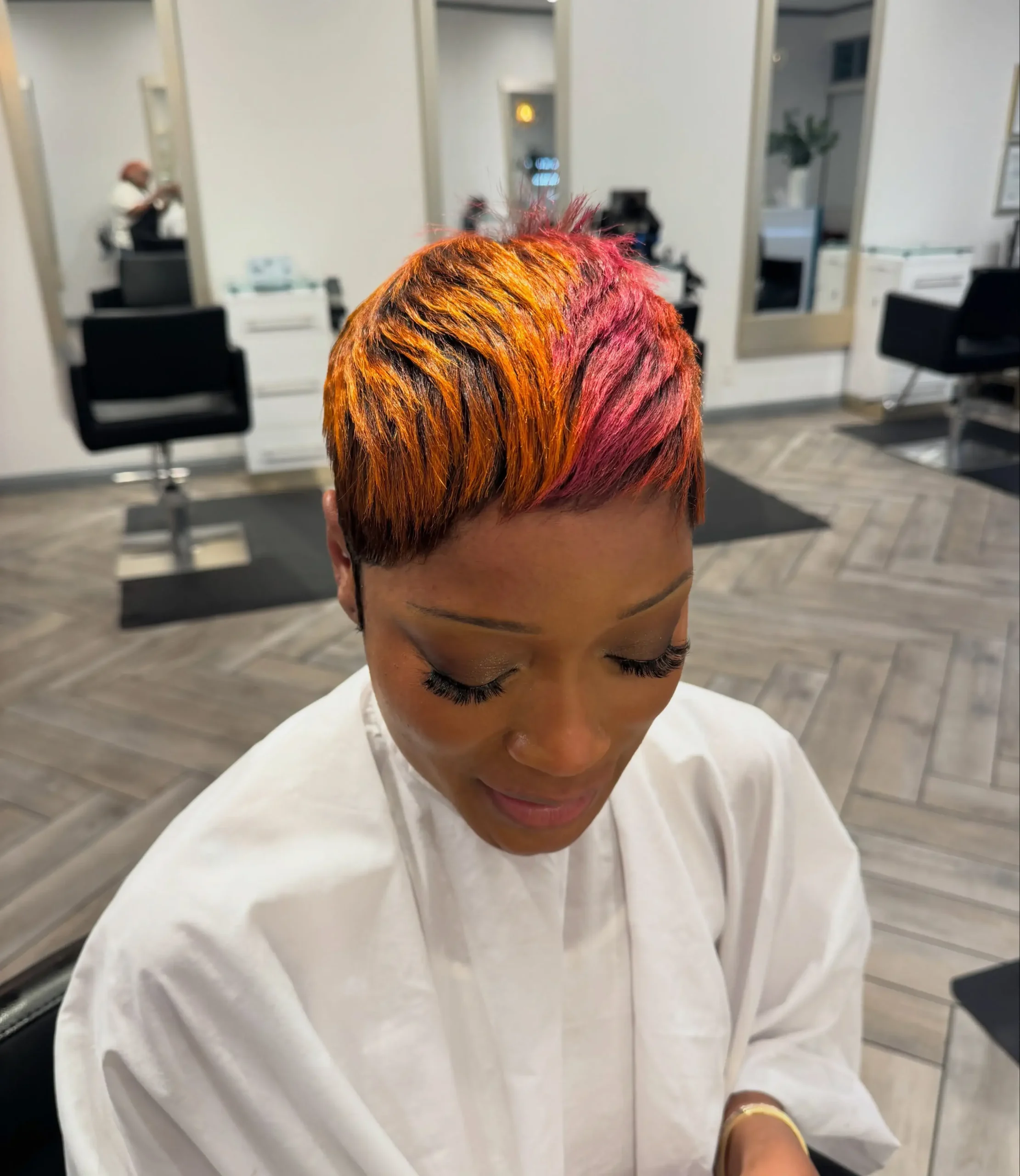
A subtle highlight may not match the change you have in mind. An orange and pink spiky pixie takes a bolder route, mixing bright warm shades across short, lifted sections. The contrast makes the texture stand out, so the haircut carries plenty of personality without needing extra length.
The color placement can follow the direction of the spikes, with orange through some sections and pink across others. Ask your stylist how much lightening is needed to achieve the brightness you want. Since vivid colors can fade at different rates, planning for touch ups will help keep the combination balanced.
Use a lightweight styling paste to separate the short pieces and hold their shape without making them stiff. Wash gently with color safe products and limit frequent heat styling. This cut suits anyone who enjoys playful color and is happy to make their hair the boldest part of their outfit.
21. Honey Brown Locs
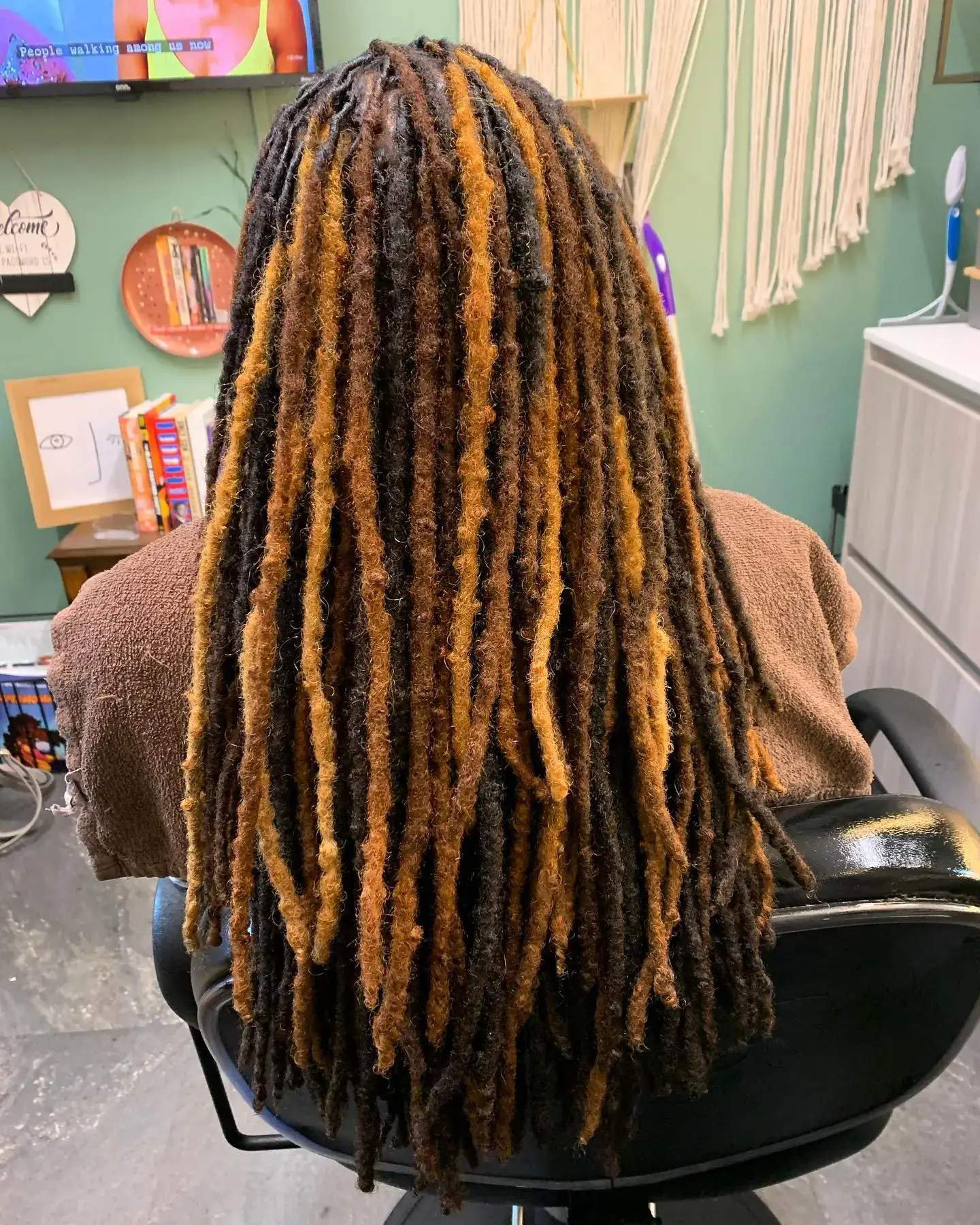
After years of wearing dark locs, you may want a change that respects their length and familiar shape. Honey brown tones bring warmth through the locs, creating contrast against darker sections without relying on bright red or vivid fashion colors.
The shade can range from deep honey to a lighter golden brown, depending on your starting color and the result you want. Color placement should account for the thickness and condition of your locs, since lightening can affect their strength. A loctician experienced with color can help you decide whether partial coloring or a more even shade makes sense.
Keep your scalp care routine gentle and avoid applying heavy products that leave buildup between locs. Follow professional advice on cleansing and moisturizing after a color service. Honey brown is a warm option for anyone who wants to refresh their locs while keeping their established hairstyle at the center.
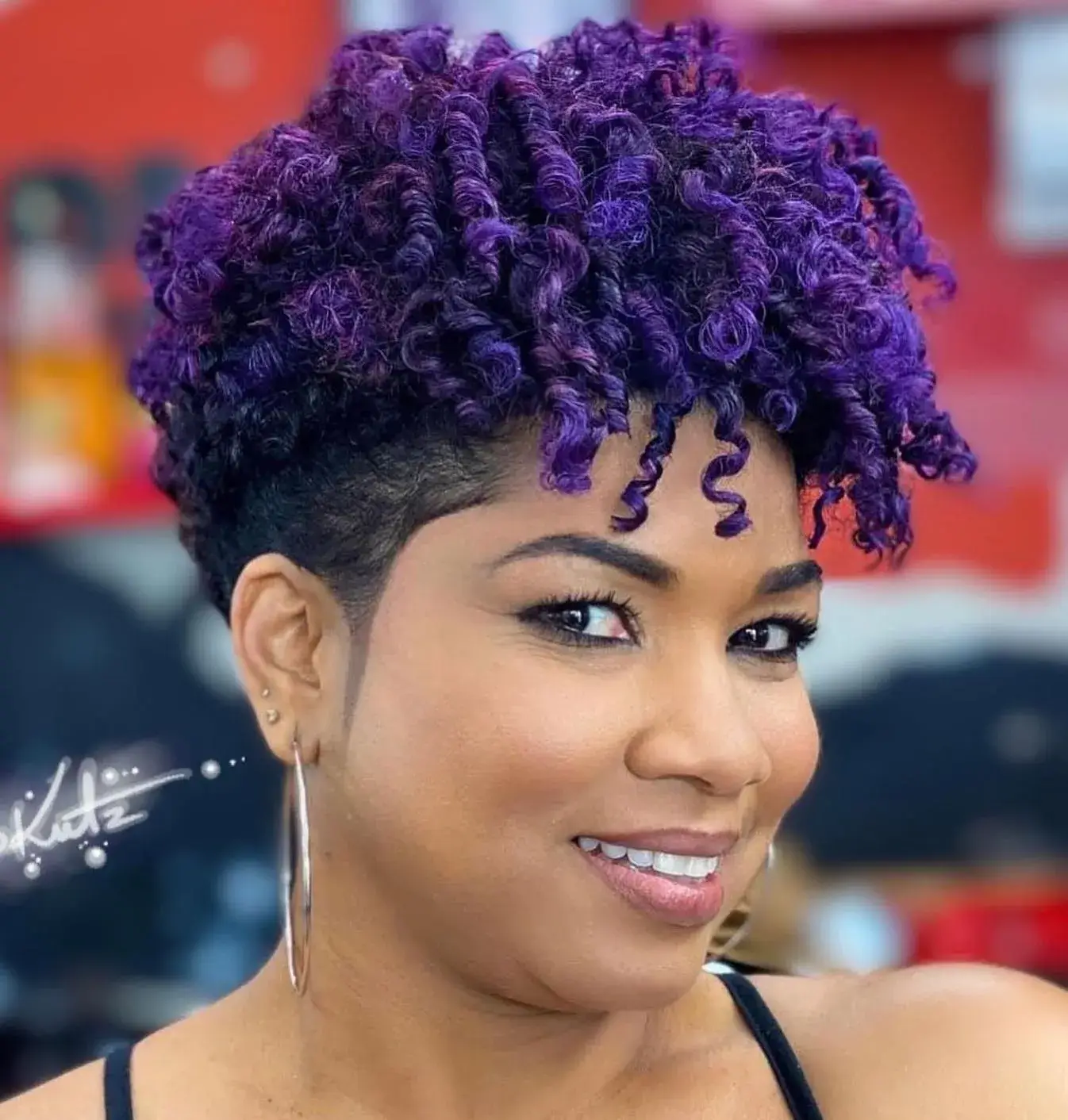
22. Purple Curly Tapered Cut
rockinitnatural
Getting bored with your usual short haircut does not mean you need to grow it out or change its shape. A purple tapered cut brings a vivid splash of color to defined curls on top, while the shorter sides keep the silhouette compact and let the brighter shade take center stage.
Purple can lean toward deep violet, cool plum, or a brighter electric tone. Ask your stylist which option will show best against your starting color and whether lightening is necessary. Keeping the color concentrated on top can also make the contrast more noticeable as the sides grow out.
For styling, work a curl defining product through damp hair and let the curls dry without too much handling. Colored curls may need extra conditioning, particularly after lightening. This cut suits anyone who wants a bold shade with a compact shape and plenty of texture.
23. Deep Burgundy Sleek Bob
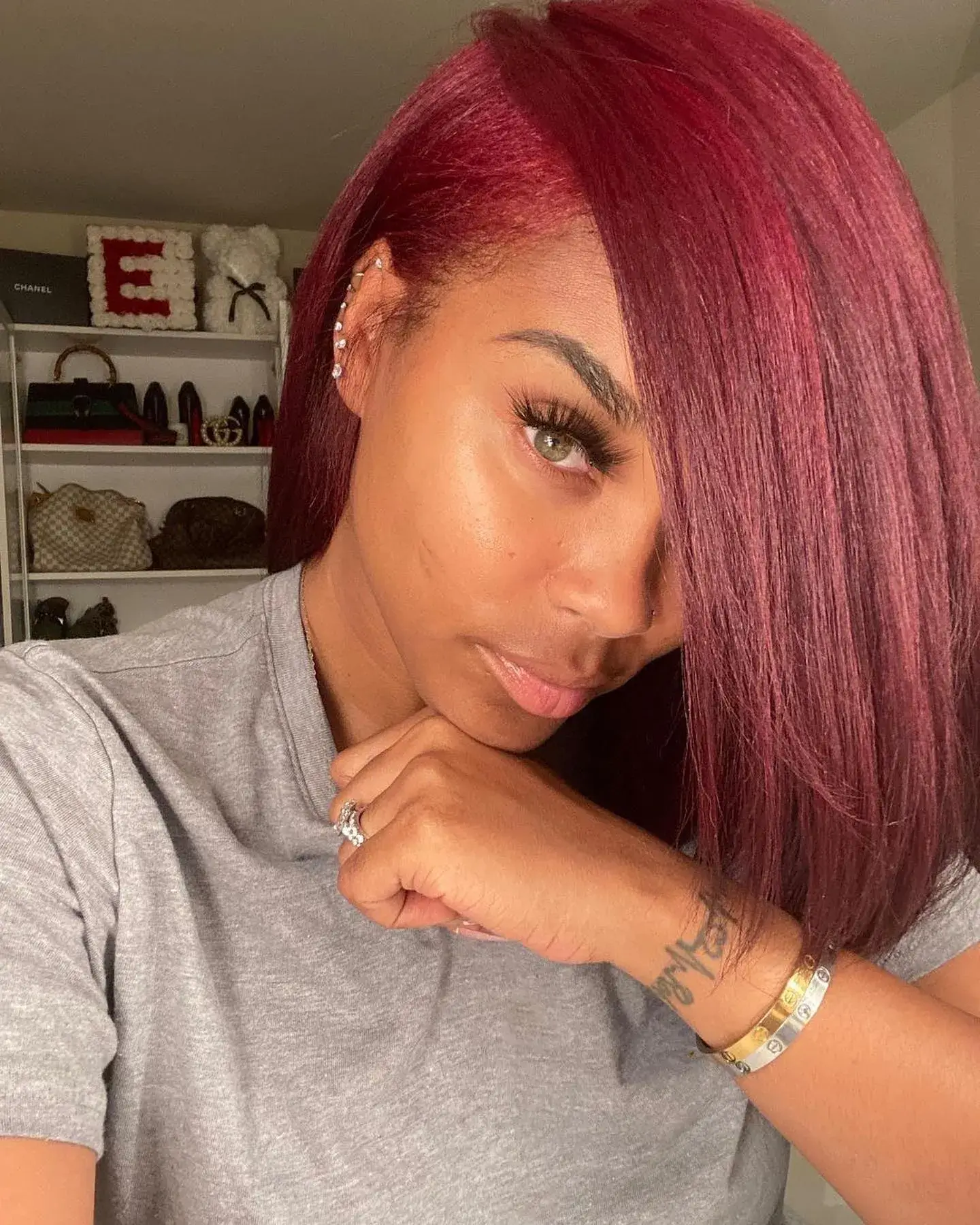
When you want a fresh hairstyle for work, dinner plans, or an upcoming event, changing the color can make your familiar bob feel new. Deep burgundy brings a wine red tone to a sleek shape, offering richness without the brightness of fiery orange or vivid pink.
The smooth finish helps the deep red shade appear even and reflective. Ask your stylist whether your natural base can support the burgundy tone without extensive lightening. A slightly deeper root can also help the color transition more gently as your hair grows, depending on the formula used.
A heat protectant is important if you regularly straighten your bob, since excess heat can contribute to dryness and color fading. Use a gentle shampoo designed for color treated hair and schedule trims to keep the ends crisp. For anyone who prefers rich color over bright contrasts, burgundy offers a confident change that still feels wearable.
Which Hair Colors Look Best on Black Women?
The best hair color depends on your personal taste, starting hair color, skin undertone, and how much upkeep you want. Warm shades such as copper, auburn, caramel, and golden brown are options to explore, while burgundy, plum, teal, and magenta suit those who prefer more noticeable color.
You do not have to choose a shade based on skin tone alone. Think about whether you want a subtle change, face framing highlights, or a bold color transformation. A stylist can help you select a shade that works with your hair condition and desired result.
What Is the Best Low Maintenance Hair Color for Black Women?
Low maintenance hair color usually involves techniques that do not require frequent root touch ups. Caramel balayage, auburn highlights, honey brown accents, and deeper burgundy shades may be easier to maintain than vivid colors or an all over blonde dye, although upkeep depends on the formula and your starting color.
For less noticeable regrowth, ask your stylist about these options:
- Caramel balayage: Gradual lighter pieces with a darker root area.
- Auburn highlights: Warm reddish brown accents through dark hair.
- Honey brown accents: A gentle change without going extremely light.
- Deep burgundy: A rich shade that may need less lightening than blonde, depending on your base.
Even low maintenance color needs suitable cleansing, conditioning, and occasional salon care.
Do You Have to Bleach Black Hair to Dye It?
No, not every hair color requires bleach. Deeper shades such as burgundy, mahogany, and some auburn tones may work without extensive lightening, depending on your starting hair color and the dye formula. Blonde, bright teal, vivid pink, and other lighter shades often need prelightening to show clearly on very dark hair.
Before choosing a shade, ask your colorist whether your desired result can be achieved with permanent, demi permanent, or semi permanent color. Lightening hair more than a few shades can increase the risk of damage, so your hair’s condition should guide the process. The American Academy of Dermatology also advises following dye instructions and testing products as directed.
Is Hair Color Safe for Natural Black Hair?
Natural Black hair can be colored, but the process needs to suit the condition and texture of your hair. Bleaching and chemical coloring can cause dryness or breakage, and lightening may change the curl pattern. If you wear curls, coils, an afro, or locs, discuss the risks and aftercare with a stylist experienced in your hairstyle.
Before coloring, consider these steps:
- Tell your stylist about previous dye, relaxer, or other chemical services.
- Ask whether the shade requires bleach or repeated lightening.
- Discuss the condition of your hair and scalp before starting.
- Follow the product’s allergy testing instructions. Do not use the dye if you develop a reaction.
- Maintain a gentle cleansing and conditioning routine after coloring.
If your hair is already breaking or your scalp is irritated, postpone the service and seek professional advice. Dermatologists recommend gentle care to help reduce damage to fragile hair. Source: American Academy of Dermatology
How Do You Maintain Hair Color on Curly or Coily Hair?
Colored curly and coily hair needs a routine that supports both the color and the hair’s condition. Use a gentle shampoo suited to your hair, condition after washing, and limit unnecessary heat styling. Follow your stylist’s advice about how often to wash and when to refresh the color.
To help your color last longer:
- Use products designed for color treated hair.
- Condition regularly, paying attention to the ends.
- Detangle gently and avoid rough handling.
- Use heat protection before hot tools.
- Ask your colorist when to schedule a toner, gloss, or color refresh.
Color care should not come at the expense of your curl health. If your curl pattern changes noticeably or your hair begins breaking after lightening, speak with a qualified stylist or dermatologist.
FAQs
1. Which hair colors look best on Black women?
Copper, auburn, burgundy, caramel, and golden brown are popular options. Teal, purple, and magenta offer bolder choices for anyone who enjoys vivid colors.
2. What is the best low maintenance hair color for Black women?
Caramel balayage, auburn highlights, and deeper shades close to your natural color can reduce frequent root touch ups. Maintenance still depends on the dye formula and your hair growth.
3. Do you need bleach to color Black hair?
Not always. Burgundy and some auburn shades may work without bleaching, while blonde and bright fashion colors often need lightening to show clearly.
4. Can you color natural Black hair without damaging curls?
Coloring can affect moisture, strength, and curl definition, especially when bleaching is involved. Consult an experienced colorist and follow a gentle conditioning routine to help protect your hair.
Conclusion
A fresh hair color can help you rediscover a familiar haircut or try something you have never considered before. From warm caramel highlights to bold purple curls, these hair color ideas for Black women offer inspiration for different textures, lengths, and personal styles.
Save this article to your Pinterest boards so your favorite shades are easy to find when you are ready for a change. Choose one or two ideas that match your routine, then talk with your stylist about color placement, hair health, and upkeep. Share this guide with a friend who is searching for her next hair transformation, too. Your next favorite shade could be waiting here!